Weimaraner Scientific Classification
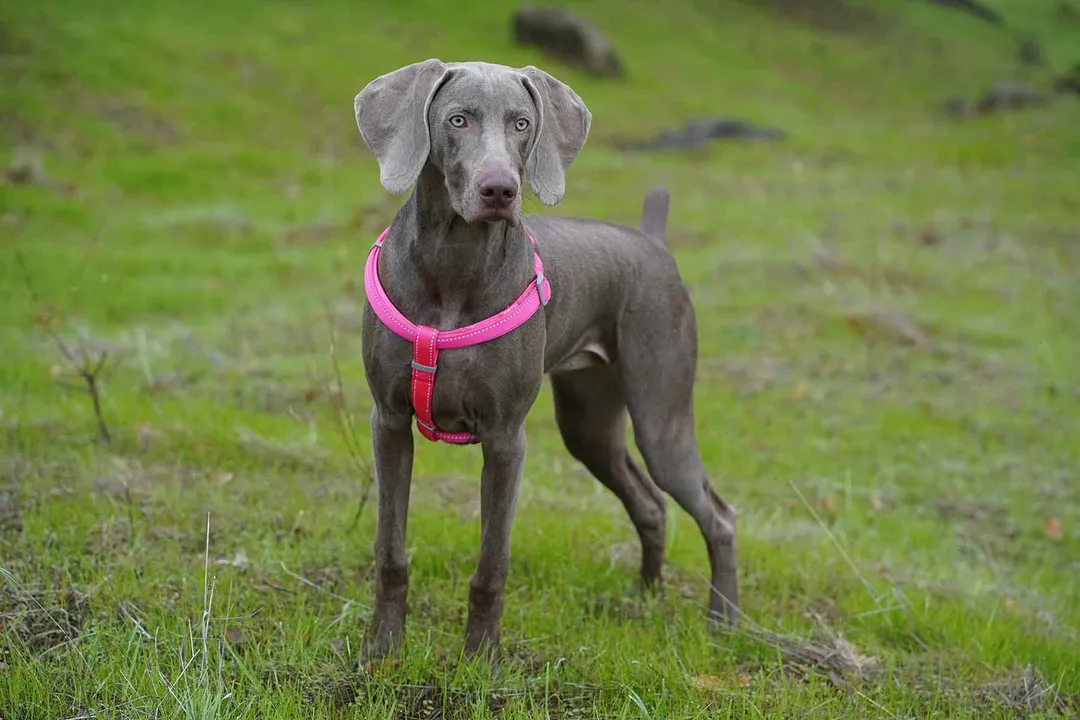
The Weimaraner, often recognized by its striking silver-gray coat and aristocratic bearing, holds a specific place not only in the world of sporting dogs but also within the vast structure of biological classification. Understanding where this breed sits scientifically—from the broadest kingdom down to its species designation—offers context for its inherent physical structure and behavioral predispositions that developed over generations of selective breeding. [1][2]
# Scientific Rank

The scientific classification, or taxonomy, organizes life based on shared characteristics and evolutionary history. [1] For the Weimaraner, this places it squarely within the animal kingdom, moving sequentially through the ranks to define its unique position. [2]
The hierarchy begins quite broadly:
- Kingdom: Animalia (Multicellular, heterotrophic organisms). [1][2]
- Phylum: Chordata (Animals possessing a notochord, dorsal nerve cord, and gill slits at some stage). [1]
- Class: Mammalia (Vertebrates that possess mammary glands, hair, and three middle ear bones). [1]
- Order: Carnivora (Mammals adapted primarily for eating meat, though many have become omnivores). [1][3]
- Family: Canidae (The dog family, including wolves, foxes, and jackals). [1][2]
- Genus: Canis (The group containing the dogs, coyotes, and wolves). [1][2]
- Species: Canis lupus (The gray wolf species). [1]
- Subspecies/Domestic Breed: Canis lupus familiaris (The domestic dog). [1]
Some sources may simplify the final step, referring to the domestic dog simply as Canis familiaris, which acknowledges its long separation from the wild gray wolf population, Canis lupus. [1] The inclusion of lupus acknowledges its direct descent from the wolf, while familiaris denotes its established status as a domesticated animal. [1] This specific designation is crucial, as it scientifically links the Weimaraner back to its wild ancestry, explaining its powerful prey drive and pack mentality, while simultaneously confirming its status as a species selectively shaped by human needs over centuries. [4]
| Taxonomic Rank | Classification | Defining Trait Relevance |
|---|---|---|
| Kingdom | Animalia | Recognizable as a living, mobile creature |
| Order | Carnivora | Indicates adaptations for meat consumption |
| Family | Canidae | Shared ancestry with all extant dogs and their relatives |
| Genus | Canis | Related directly to wolves and coyotes |
| Subspecies | C. l. familiaris | Denotes domestication |
# Canine Genus
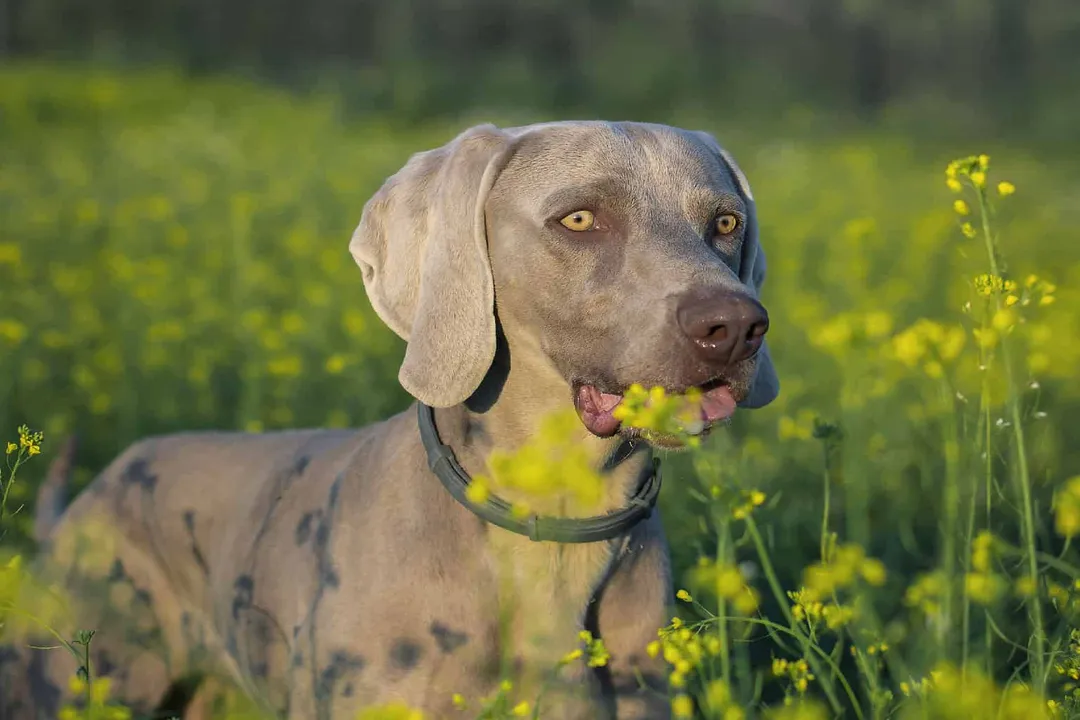
Being classified under the genus Canis places the Weimaraner alongside some of the world's most adaptable and ancient companions, chief among them the gray wolf (Canis lupus). [1][4] The Weimaraner’s unique attributes—its stamina, intelligence, and strong desire to work in tandem with a human handler—are echoes of its wild relatives. [5][6] However, the divergence from the wolf, cemented by its classification as a subspecies, is where breed-specific traits emerge. The Weimaraner, developed in Germany primarily for hunting large game and later as an all-purpose gun dog, required a different temperament than a wild predator. [6][7] Selective breeding favored trainability, obedience, and a degree of submission to human direction, traits that allowed the familiaris subspecies to flourish in partnership, a necessary divergence from the solitary or pack-hunting instincts of undomesticated Canis members. [5]
Consider the profound difference in pack structure. While a wild wolf pack is built around survival hierarchies and hunting prowess, the domestic dog's "pack" revolves around the human family unit. [6] The Weimaraner's famed intensity, sometimes manifesting as separation anxiety, is arguably an over-expression of the strong Canis need for social cohesion, redirected entirely toward its human caregivers. [8] This means an owner must intentionally structure the dog's environment to satisfy that inherent genus-level need for partnership without relying solely on wild instincts.
# Domestic Status
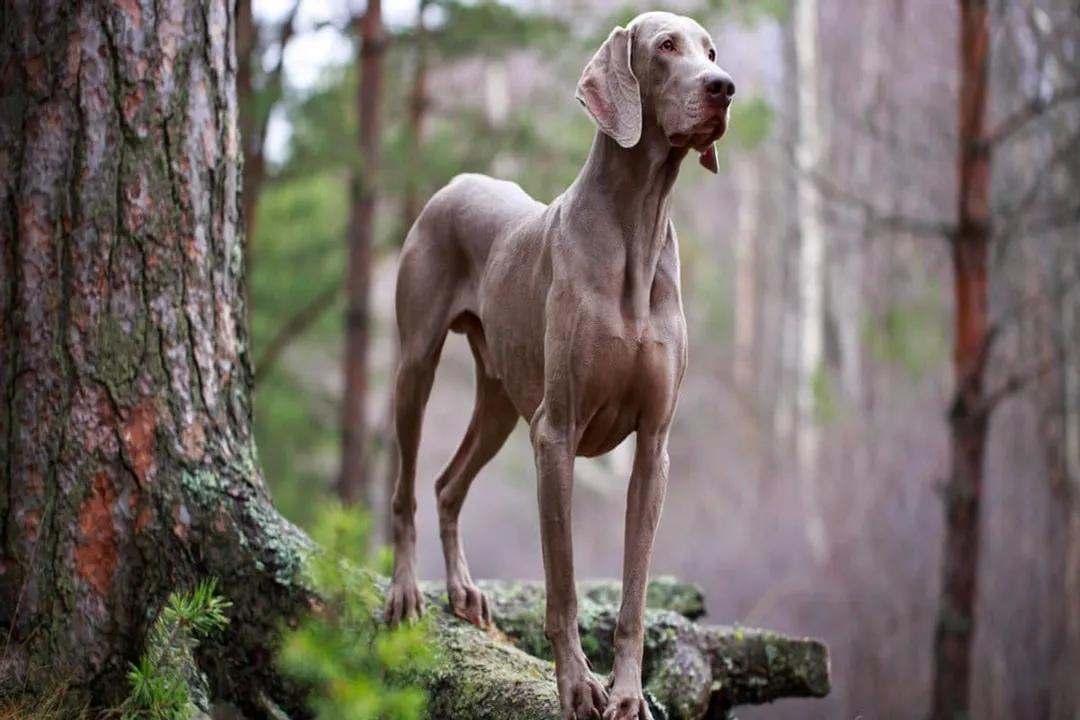
The differentiation between Canis lupus and Canis lupus familiaris hinges entirely on the process of domestication. [1] The Weimaraner breed itself is relatively modern, originating in Weimar, Germany, in the early 19th century, created by German hunters who sought a superior hunting dog by crossing various scent and sight hounds. [7][9] This deliberate, concentrated effort to shape a breed over just a couple of centuries confirms its status as a highly specialized domestic variant. [6][7]
The biological distinction is supported by evidence of changes in morphology, physiology, and behavior that accompany domestication, particularly concerning temperament and reproductive cycles. [1] For instance, the Weimaraner's exceptional visual acuity and speed were enhanced through careful selection by hunters, traits that served human utility rather than pure environmental survival against competing predators. [9] The scientific label familiaris is not just a technicality; it confirms that this lineage is adapted to human presence, dependency, and care, contrasting sharply with the challenges of managing a truly wild canid. [5]
# Kennel Grouping
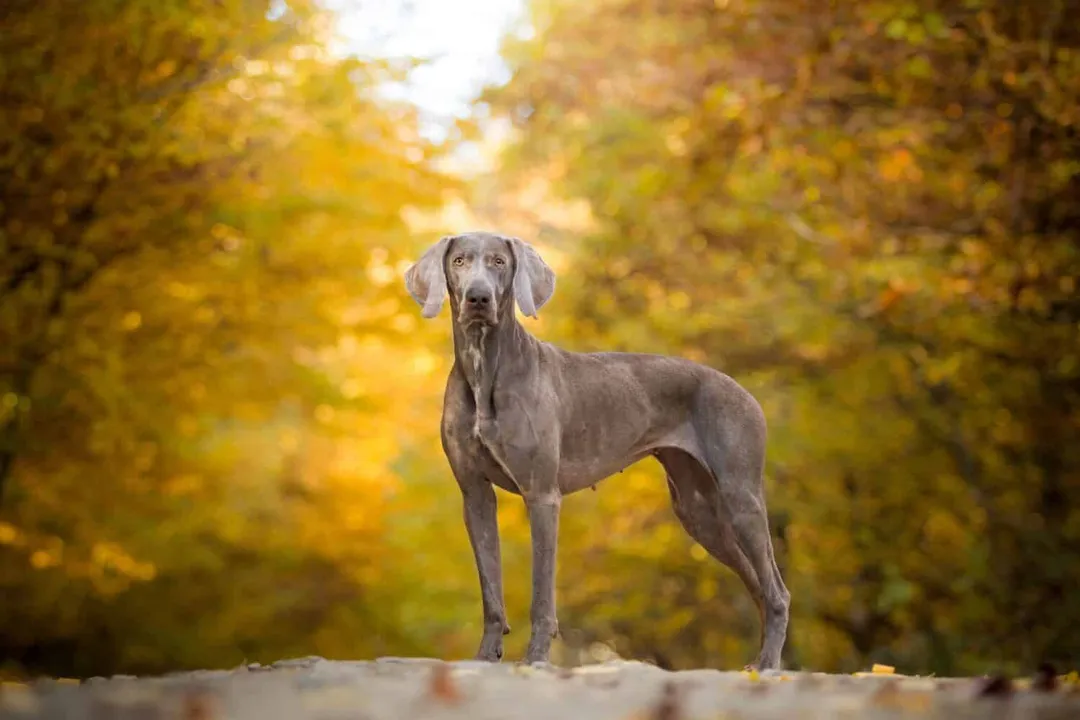
While taxonomy places the Weimaraner scientifically alongside every other dog breed, kennel clubs utilize functional groupings that often overlay but do not replace the scientific structure. [7] The American Kennel Club (AKC) places the Weimaraner in the Sporting Group. [2][7] This grouping speaks less to its biological classification (Kingdom Animalia) and more to its purpose within the domestic setting. [6]
This functional placement highlights a difference in perspective:
- Scientific Classification: Focuses on shared evolutionary heritage and anatomical similarity (e.g., it is a carnivore in the Canidae family). [1]
- Kennel Classification: Focuses on job history and required physical conformation for that job (e.g., it is a pointer/retriever suitable for fieldwork). [7]
It is interesting to note that while the Weimaraner excels as a pointer and retriever, its history also suggests versatility, having been used for larger game before smaller bird hunting became its primary role. [6][9] The scientific classification remains immutable across these organizational shifts, confirming that regardless of what job it performs—be it retrieving a duck or guarding a home—it remains genetically Canis lupus familiaris. [1]
# Trait Derivation
Examining the Weimaraner's taxonomy allows for a predictable understanding of its core needs, especially regarding diet. Its placement in the Order Carnivora and Family Canidae mandates a diet heavily reliant on animal protein. [3] While modern commercial dog foods often contain acceptable levels of plant matter (reflecting the omnivorous flexibility that arose during domestication), the fundamental biological machinery is geared toward processing meat. [3] A Weimaraner’s digestive system, while adaptable, functions optimally when its nutrition reflects its evolutionary Order.
Furthermore, its classification within the genus Canis explains its high intelligence and capacity for complex social learning. [4] Dogs, as members of this genus, have evolved specialized communication skills, often relying on non-verbal cues that humans can perceive and respond to. [4] A Weimaraner’s striking eye contact, often described as intense, is an evolved social bonding mechanism, a refined communication tool passed down through the genus—a feature less pronounced in more distantly related mammals. [8]
If we were to contrast this purely based on the hierarchy, placing the Weimaraner next to a member of the Felidae family (cats) illustrates the magnitude of the separation despite both being Order Carnivora. [1]
| Feature | Weimaraner (Canis l. familiaris) | Domestic Cat (Felis catus) | Taxonomic Difference |
|---|---|---|---|
| Order | Carnivora | Carnivora | Same |
| Family | Canidae | Felidae | Different Family |
| Genus | Canis | Felis | Different Genus |
| Social Structure | Pack/Cooperative Hunter | Solitary Hunter | Behavioral divergence |
The separation at the Family level signifies distinct evolutionary paths, impacting everything from hunting style (pursuit vs. ambush) to social requirements. [1] The Weimaraner needs a social structure inherited from its Canis lineage, whereas a cat's needs stem from its Felis background, explaining why one thrives on joint activity and the other often tolerates coexistence. [8] Recognizing that the Weimaraner is fundamentally a cooperative hunter from the Canis genus helps owners understand why confinement or isolation can lead to behavioral distress, as it violates a deep-seated taxonomic requirement for social engagement. This understanding moves beyond simple breed advice into the realm of evolutionary biology applied to pet ownership.
# Historical Classification Drivers
The need for a highly specialized dog in the early 1800s drove the creation of the Weimaraner phenotype. [7][9] The initial German breeders were not concerned with Linnaean taxonomy; they were concerned with function. They needed a dog that could track, point, and retrieve, capable of working both on land and water, often without the scent hound's reliance on tracking ability alone, pushing for a keen eye as well. [6][9] This selection process acted as an intense, artificial evolutionary pressure that fixed certain traits within the Canis lupus familiaris gene pool for that specific line.
This intense selection pressure meant that while the Weimaraner is genetically identical to the wolf at the species level (minus the domestication markers), its behavior is profoundly different due to the rapid, human-directed changes imposed during its formation. [1] The scientific classification captures the potential (the wolf ancestry), while the breed standard captures the realization (the German hunter's needs). [7] The Weimaraner, therefore, stands as a prime example of how quickly human desire can mold a subspecies within the Canis genus, resulting in an animal perfectly adapted for its niche, yet entirely dependent on human maintenance due to those very adaptations.
Related Questions
#Citations
Weimaraner - Wikipedia
Weimaraner Dog Breed Complete Guide - A-Z Animals
Weimaraner Dog Breed Information - American Kennel Club
Weimaraner - an overview | ScienceDirect Topics
Weimaraner - FictionRulezForever Wiki - Fandom
Weimaraners - Gundog Journal
Weimaraner | Breed Standards - The Kennel Club
Weimaraner Breed Facts and Information - Petco
Weimaraner - Vetwest Veterinary Clinics
Breed Profile: The Weimaraner - Gun Dog Magazine