Weasel Facts
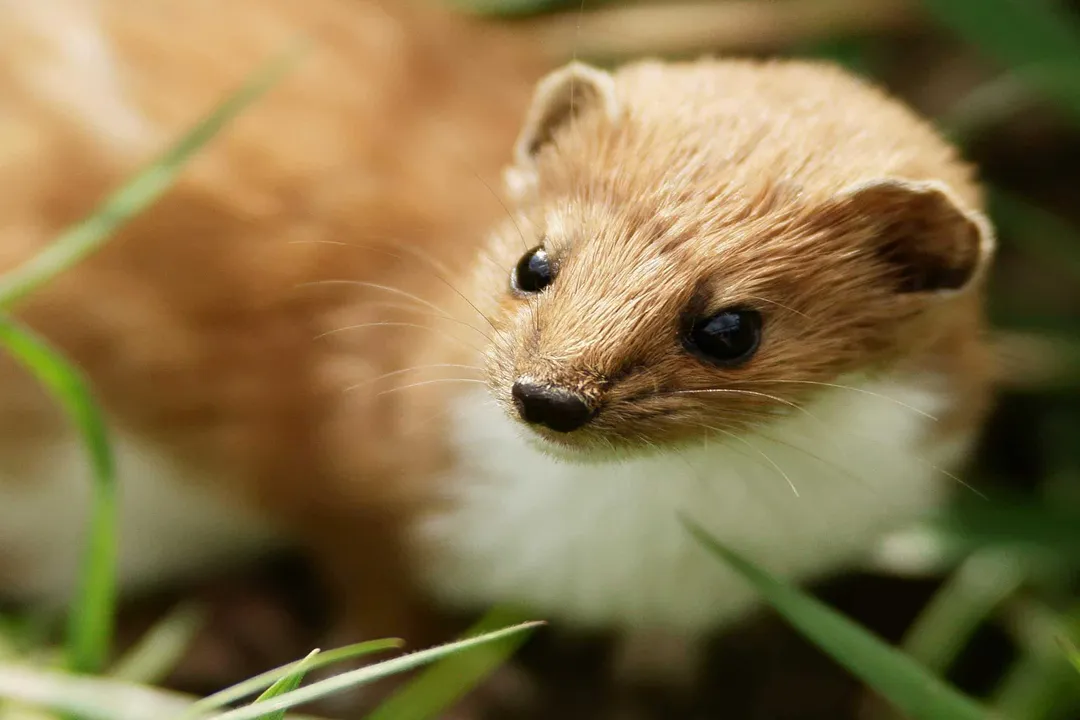
The weasel, often imagined as a diminutive trickster in folklore, is in reality a highly specialized and energetic member of the animal kingdom. These mammals belong to the Mustelidae family, a group known for its long, slender bodies and short legs, which also encompasses ferrets, badgers, wolverines, and otters. In fact, the genus name Mustela is derived from the Latin words mus (mouse) and telum (javelin), perfectly capturing the image of a sharp, quick hunter darting after its prey.
# Form and Family

Weasels are characterized by their lean, fur-covered physique, short limbs, and small heads with rounded ears. This body structure is key to their success; it allows them to follow small prey, such as rodents, directly into their underground tunnels and crevices. While variations exist across the globe, North America hosts three primary species: the long-tailed weasel (Mustela frenata), the short-tailed weasel (Mustela frenata in some classifications, or Mustela erminea), and the least weasel (Mustela nivalis).
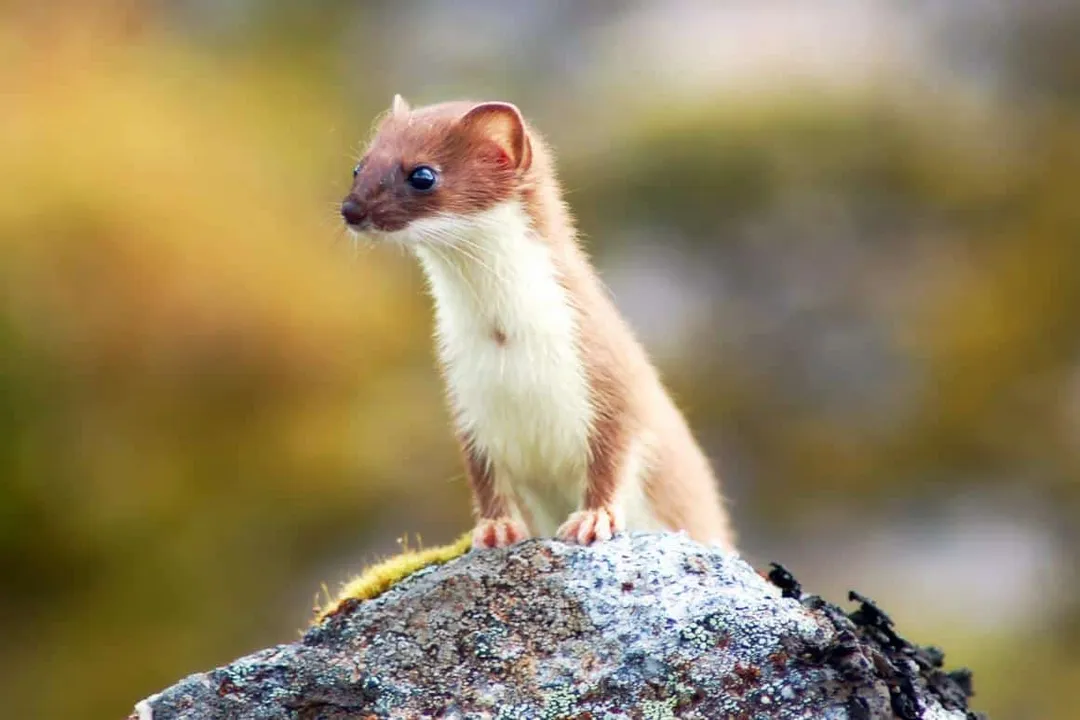
It is the least weasel (M. nivalis) that holds a significant title: it is recognized as the smallest carnivore in the world. The size difference among species can be considerable. For example, the least weasel might measure only 6 to 9 inches long, whereas the long-tailed weasel can reach up to 16 inches in length. Most weasels sport a brown or reddish-brown coat, usually featuring a lighter, creamy white or yellowish underbelly.
# High Drive Hunting
The weasel's appearance belies an incredibly fierce and focused hunting drive. They are relentless predators with a demanding internal furnace. Due to a remarkably high metabolism, weasels must consume a significant portion of their body weight daily—estimates suggest they eat between 40% and 60% of their body weight every day just to maintain energy levels. This necessity drives them to be active all year, as they do not hibernate.
Their hunting technique is precise and brutal. They often use their slender shape to raid burrows. Once prey is cornered, the weasel employs a strategy where it wraps its muscular body around the victim to hold it still before delivering a single, killing bite, typically puncturing the skull or spinal cord at the back of the head. This efficiency means they frequently kill more than they can eat immediately, leading to a characteristic hoarding behavior. They create underground caches, sometimes near their dens or even utilizing abandoned burrows or termite hills, to store these leftovers for leaner times. One remarkable discovery noted a cache in Greenland reportedly containing nearly 150 frozen lemmings.
Their intense focus on prey, triggered by movement, is so potent that they have been documented attacking animals significantly larger than themselves—sometimes two, four, or even ten times their own weight. This aggressive disposition sometimes manifests in peculiar behaviors, such as the famed "weasel war dance." This involves a rapid, twisting, hopping, and darting display when prey is cornered. While believed to confuse or hypnotize the victim, this dance is sometimes performed even when no prey is present, suggesting it may simply be an outlet for intense excitement or energy. In some documented cases involving larger prey like rabbits, researchers theorized the animals died from sheer fright caused by this display.
# Winter Changes and Survival Tactics

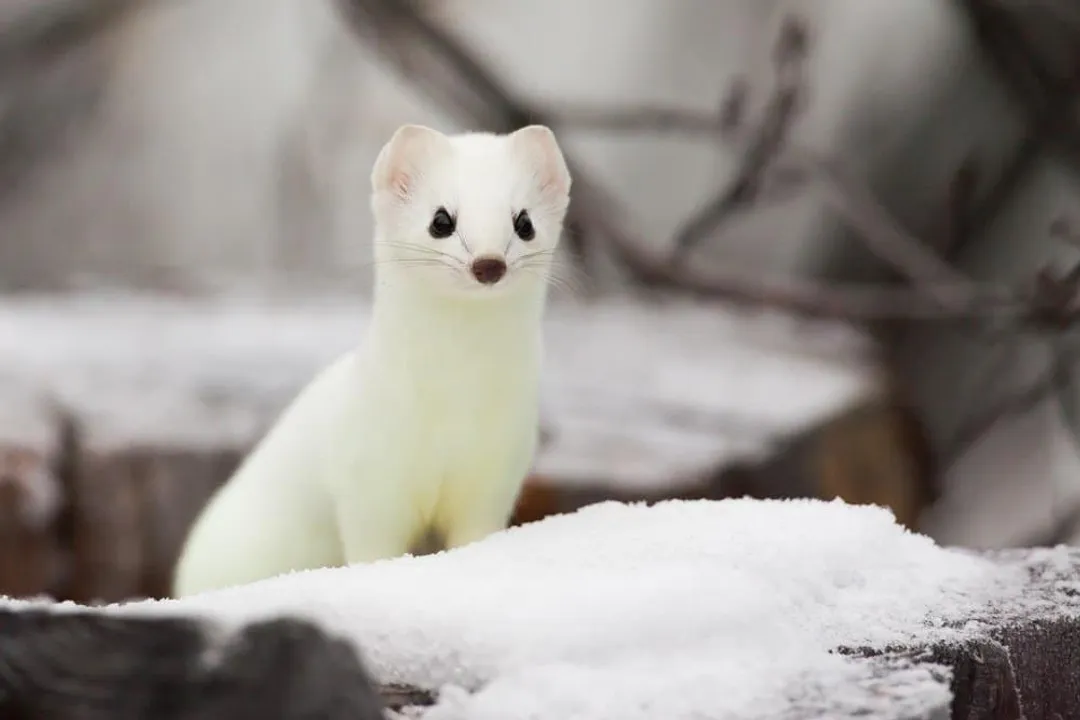
Since weasels remain active throughout the colder months, adapting to snowy environments is crucial for both hunting and avoiding detection. In northern ranges, several species undergo a dramatic seasonal molt, turning their entire coat white to blend with the snow—a phase often called the ermine coat. Interestingly, this color change is governed by the length of the day, not the ambient temperature. A distinguishing feature retained even in their white phase, particularly in the short-tailed and long-tailed species, is the black tip on the tail. This dark spot is not just a remnant; it may serve as a decoy, drawing the attention of aerial predators like hawks away from the weasel's vital body parts, allowing the animal a chance to escape even if the tip is struck.
Despite their ferocity and efficiency, survival is a constant challenge. In the wild, a weasel's lifespan is often short, sometimes lasting only one or two years, a factor attributed in part to the dangerous risks taken during hunts.
If threatened directly, weasels possess a potent chemical defense. Like their distant relatives, skunks, they possess anal glands that produce a thick, oily, yellowish fluid that emits a powerful, foul odor. When cornered, they can spray this musk toward the perceived danger.
# Reproduction and Cultural Shadow
Socially, weasels are typically solitary outside of the mating season or while raising young, often defending their established territories. Females reach sexual maturity quite early, sometimes within three months. Reproduction can involve an extended gestation period in some species, like the long-tailed weasel, due to delayed implantation, where the fertilized egg does not immediately begin developing, resulting in a total period exceeding nine months before the litter, called kits or kittens, arrives. Females can produce one or two litters annually, with litter sizes varying by species.
The weasel's combination of stealth, efficiency, and sometimes unexpected aggression has colored its perception across human cultures for centuries. In parts of Europe, like ancient Greece, seeing a weasel near one's home was considered an omen of bad luck or even evil, particularly if a wedding was imminent, rooted in a myth that the animal was a transformed, unhappy bride. Conversely, in Macedonia, they were sometimes seen as a sign of good fortune.
In sharp contrast to these European superstitions, various indigenous North American cultures, such as the Algonquian-speaking peoples, feature the weasel prominently in legends as a miniature hero. Stories recount the weasel bravely defeating colossal, man-eating monsters like the windigo by climbing inside the beast and eating its heart. This folkloric duality—being simultaneously feared as a pest that raids poultry and revered as a powerful, if tiny, vanquisher of true evil—highlights how human observers interpret the same predatory traits differently based on context. When considering their role in ecosystems like New Zealand, where they are considered a destructive invasive species targeted for eradication by 2050, it's clear that the weasel’s ecological niche dramatically shifts its cultural standing from region to region. This difference in perception between a local pest and a legendary monster-slayer provides an interesting study in how proximity and native status shape animal folklore.
The intense focus required for a weasel to meet its daily caloric quota, combined with its small size, forces it into behaviors that seem excessive to human observers, like the elaborate caches or the solo war dance. If you find yourself near an area where weasels are active, understanding their need for constant fuel changes how you might view their presence; if you have small garden rodents, a weasel is an extremely effective natural control agent, though one must secure any chicken coops or rabbit hutches, as they will certainly test any weak point in the enclosure. Their ability to slip through a space the size of a quarter of an inch often means that if a space exists, they can enter it. This extreme physical flexibility, while perfect for hunting, makes them incredibly difficult to exclude once they decide a space is worth investigating.
Related Questions
#Citations
Facts About Weasels - Havahart
Weasel - Wikipedia
Illustrated Weasel Facts for Kids - studiotuesday
Weasel - The Wildlife Trusts
10 Fascinating Facts About Weasels - A-Z Animals
7 Fierce Facts About Weasels - Mental Floss