Warthog Locations
The query for "Warthog Locations" opens a surprisingly broad field of inquiry, one that stretches far beyond the dusty plains of Africa. While the name immediately conjures images of the wild animal, the term "Warthog" has been adopted across completely different domains—from specialized industrial equipment to virtual environments and even heavy-duty all-terrain vehicles. To properly answer where one might find a Warthog, we must navigate these distinct geographical, digital, and commercial spheres.
# Wild Habitats
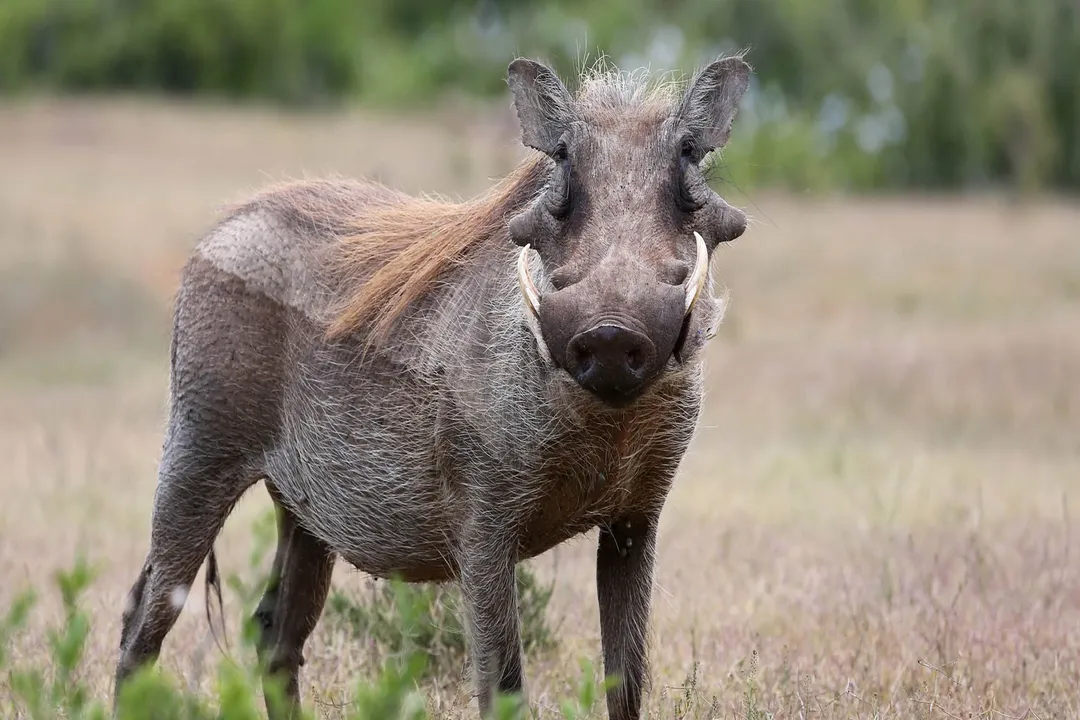
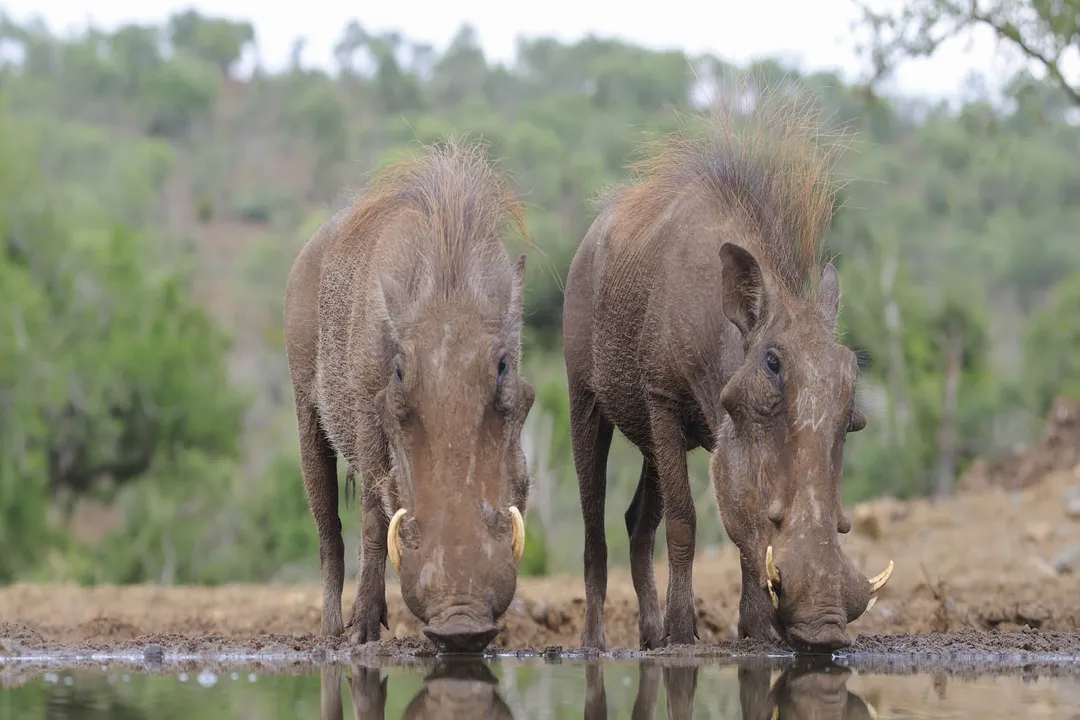
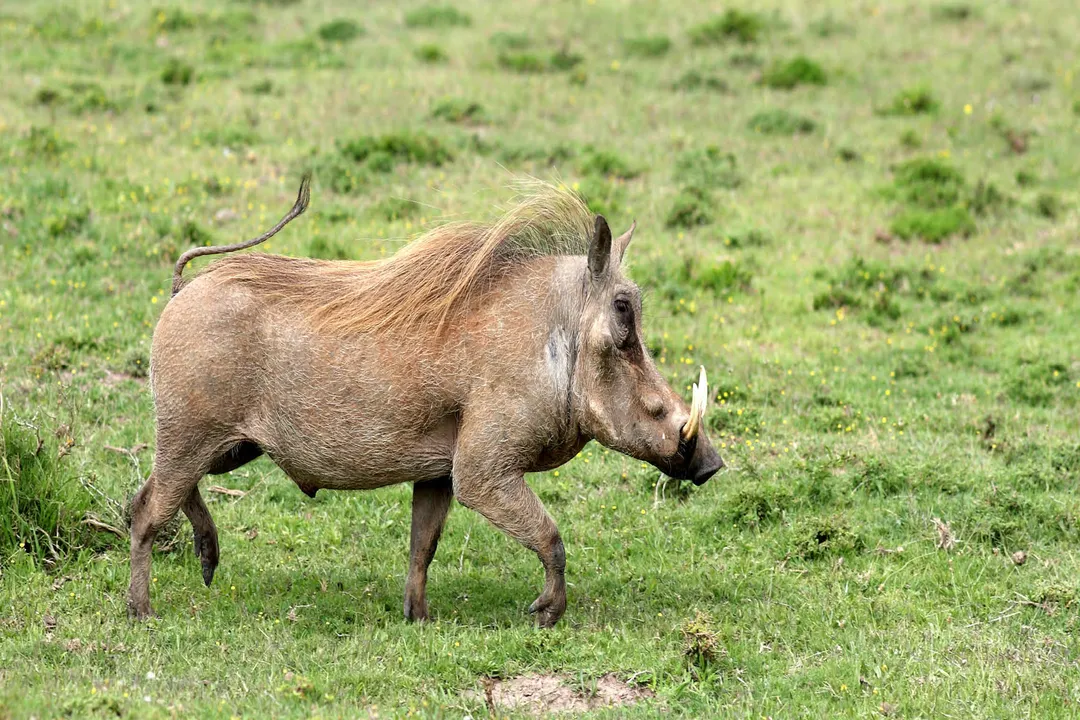
The most recognized location for the Warthog is, of course, its native habitat on the African continent. The common warthog, scientifically known as Phacochoerus africanus, thrives in the open spaces of sub-Saharan Africa. Their preferred environment is characterized by grassland, savanna, and light woodland, often found in close proximity to water sources.
Geographically, the distribution of this species is extensive, covering areas from below the Sahara down to South Africa. The common warthog is divided into several recognized subspecies, each occupying specific territories. For instance, the Nolan or northern warthog (P. a. africanus) spans countries including Senegal, Nigeria, Chad, and Sudan. Further south, the Southern warthog (P. a. sundevallii) is located in Botswana, Namibia, South Africa, and Zimbabwe. The presence of these animals is significant enough that specific regions, such as Etosha National Park in Namibia, are frequently noted for sightings of them grazing.
It is interesting to note that while the general species is widespread, their behavior dictates micro-locations within that range. They are diurnal, spending the day grazing or rooting for bulbs and roots, especially during dry seasons, and they often retreat into burrows—frequently those abandoned by aardvarks—when night falls or temperatures become extreme. Furthermore, their adaptability is evident in the fact that populations, descendants of escaped ranch animals, have been observed running free in southern Texas in the United States, marking an unusual, non-native location for the species.
# Captive Sites
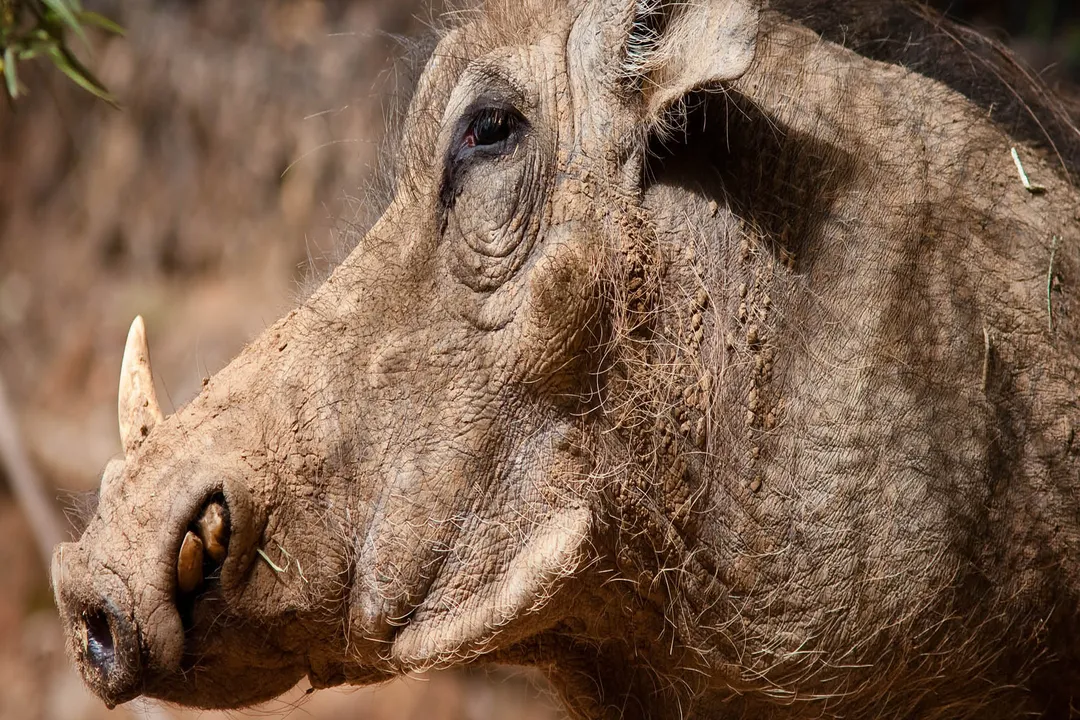
Beyond the wild, specific, managed locations exist where one can reliably observe warthogs. These are typically found within zoological institutions dedicated to conservation and education. The Oakland Zoo, for example, houses warthogs within its African Savanna exhibit. In these controlled environments, these animals often exhibit longer lifespans, reaching an average of 18 years in captivity compared to 7 to 11 years in the wild. Such locations offer viewing opportunities where the animals' characteristic behaviors, like wallowing in mud baths to manage heat, can be observed in a predictable setting.
# Virtual Zones
The appeal of the Warthog has crossed into the realm of simulation and gaming, where their locations are defined by lines of code rather than geographical features. In the hunting simulation theHunter: Call of the Wild, players searching for warthogs will find them primarily concentrated around the coastlines of the Vurhonga Savanna map. Community discussions often revolve around locating their specific drink zones to optimize hunting efforts within the game.
In contrast, the fantasy world of Guild Wars features the Warthog as a charmable animal found across both Tyria and Elona. Their locations are precisely mapped out for players, including areas like Lakeside County, Ettin's Back in the Maguuma Jungle, and various spots within the Nightfall campaign's Plains of Jarin. For players focused on collecting or completing specific quests, such as "The Prize Winning Hogs" in Pre-Searing Ascalon, knowing these exact, discrete virtual coordinates is essential.
This contrast between the wild and virtual locations highlights a fundamental difference in spatial definition: the wild warthog occupies a home range that shifts with season and forage, whereas the game warthog is fixed to specific zones or coordinates within a pre-defined map boundary.
# Industrial Footprints
The term "Warthog" also refers to specialized industrial tools, most notably high-pressure water jetting nozzles. For these items, the "location" sought is not a habitat but a point of sale or service. Manufacturers of these nozzles provide a Dealer Location Finder tool, allowing users to pinpoint authorized sellers, distributors, and company offices globally. Users can search across countless countries, from the USA and Canada to Albania, Zimbabwe, and beyond, to find the nearest source for Warthog WV, WT, or X series nozzles. This network is geographically defined by commercial necessity rather than ecological suitability.
Similarly, in the world of off-road simulation games like SnowRunner, the TUZ-108 "Warthog" is a medium-duty logistics truck. Here, locations relate to where players can find its specific upgrades. For example, the Raised suspension might be located in one zone, perhaps in Michigan, USA, while the Fine-tune gearbox might be hidden in a specific DLC map like Imandra or a region in the Russian Federation. In this context, location refers to coordinates on a game map that yield performance enhancements for the machine.
# Outfitter Bases
For those interested in tracking or hunting the common warthog in a guided capacity, location takes on a third dimension: the base of operations for safari providers. Companies like Buck Africa list their operational zones and contact points for booking expeditions. Their base of operations is noted in the Limpopo region of South Africa. Here, the search for the Warthog is highly specialized, focusing on areas near waterholes, dense scrub, or open grasslands where the animal is expected to root in soft, sandy soil during the optimal times of early morning or late afternoon.
Considering the vast differences between these contexts, the pursuit of a Warthog requires a complete shift in mindset depending on the target. To observe the animal in its natural state means understanding the ecology of the African savanna, where a successful location might be a temporary feeding ground near a muddy wallow. If the objective is to find a specialized nozzle for sewer cleaning, the location shifts to a discrete dot on a global map within a dealer database, accessible via a web portal. Conversely, if one is seeking the vehicle in a trucking simulator, the location is a carefully concealed cache point on a digital rendering of the Kola Peninsula.
The need for such precise information across these varied "locations" underscores the inherent ambiguity of common nomenclature. While the animal's habitat is vast and continuous—its range covers much of a continent—the industrial product's location is a specific set of longitude and latitude points on a map used by a dealer network. Furthermore, the digital animal requires players to consult community-driven maps or companion apps, as its location in the game is often tied to in-game time cycles (like "drink zones") rather than static geography.
This diversity in location type—from continuous ecological ranges to discrete industrial points to coded virtual coordinates—means that a person searching for a Warthog location needs to first define which Warthog they are looking for. An ornithologist studying eagles might seek out the warthog's location in Etosha to study predation patterns, while an engineer needs the location of a dealer in, say, Norway or Brazil to procure a high-pressure cleaning tool. It requires a level of context that is rarely necessary when searching for the location of a more singularly defined subject.
Even within the context of the animal itself, there are differing scales of location. A sounder of warthogs—the typical family unit of females and young—occupies a home range, but individual animals might use up to ten different burrows within that range for safety, meaning a static location for a group is fluid. A mature male boar, outside the rutting season, is often solitary, making his location highly transient and difficult to predict outside of known resource areas like waterholes. This fluidity in the wild contrasts sharply with the fixed locations of game assets like the Guild Wars Warthog, which is tied to static map entities like Ettin's Back.
The common thread, across all these disparate "Warthogs," is the necessity of specialized knowledge to pinpoint their location. Whether it involves knowing the typical foraging times in the South African bush, checking a specific database for a product distributor, or consulting a fan-made map for a virtual hunt, the term always points to a precise spot on some defined map, be it ecological, commercial, or digital.
#Videos
Warthog Guide 2022 - theHunter Call Of The Wild - YouTube
Related Questions
#Citations
Common warthog - Wikipedia
TUZ 108 "Warthog" | SnowRunner Interactive Maps
Warthog Dealer Locations
Warthog Guide 2022 - theHunter Call Of The Wild - YouTube
Warthog and kudu zones? : r/theHunter - Reddit
Warthog | Oakland Zoo
Warthog - Guild Wars Wiki (GWW)
Britches Great Outdoors | Warthog: Britches Great Outdoors | Blue ...
Warthog | Buckafrica