Warbler Locations
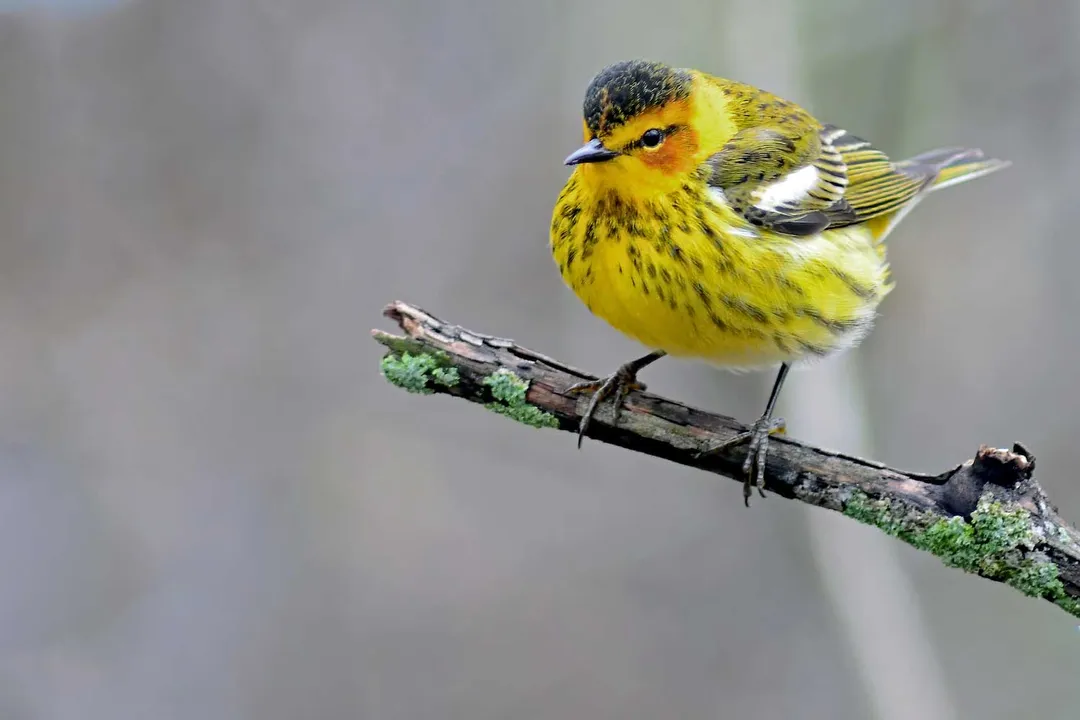
The arrival of the small, brightly colored warblers each spring signals the true turning point of the avian year for many birders. These tiny dynamos travel thousands of miles, pausing briefly to refuel before continuing their push north, making their appearance a fleeting, spectacular event. Successfully locating them often requires knowing where they stop, as they rarely linger in one place long enough for casual observation. Knowing the prime real estate for these migrants—the true warbler hotspots—can transform a typical spring outing into a life-list-building experience.
# Spring Pilgrimages
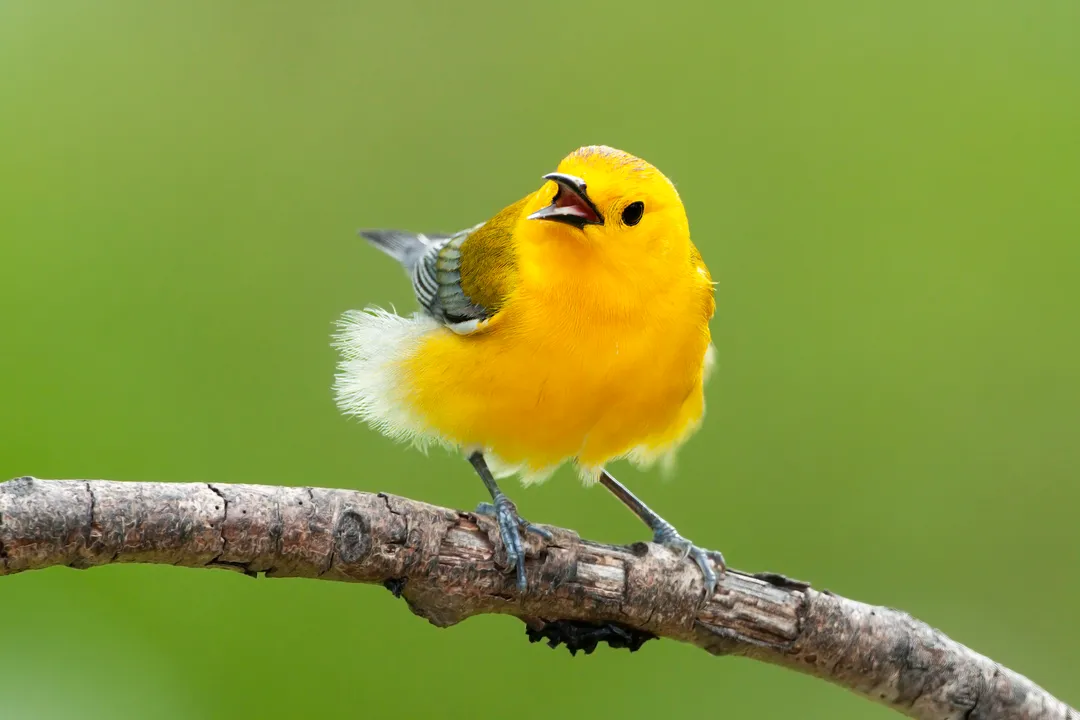
Many dedicated birdwatchers plan their yearly schedules around visiting well-known locations where migration funnels these birds into dense, predictable concentrations. These areas often share characteristics like proximity to large bodies of water or specific geographic features that channel the birds' flight paths.
Several locations consistently appear on lists of must-visit warbler destinations, particularly across the eastern and central United States and adjacent Canada.
# Great Lakes Concentration
The shores of the Great Lakes act as major magnets and resting points for northbound migrants. Magee Marsh Wildlife Area in Ohio is frequently cited as one of the premier spots in North America for viewing warblers. Birders flock there in the second week of May, hoping to catch the peak movement along the Cattail Corridor. Similarly, Point Pelee National Park in Ontario, Canada, extends out into Lake Erie, causing migrating birds to concentrate as they traverse the water crossing.
# Mid-Atlantic Seclusion
Along the Atlantic coast, the combination of water barriers and coastal habitat creates reliable stopovers. Cape May, New Jersey, stands out as a legendary site, often recognized for its diverse migration activity that occurs over an extended period. Another key spot in the same general region is Highland Park in Pittsburgh, Pennsylvania, proving that spectacular sightings are not limited to coastal edges. Furthermore, Presqu'Isle State Park in Pennsylvania is another valuable spot within the Great Lakes influence zone.
# River Valley Flights
Inland areas that provide critical stopover habitat along major flyways also become crucial viewing grounds. Hook Mountain State Park in New York is repeatedly listed for its reliable spring populations. Even within massive urban centers, pockets of suitable habitat can yield incredible results; Central Park in New York City serves as a vital island of refuge for countless warblers navigating the concrete jungle. For those further west in the Central Flyway, Nebraska offers peak opportunities, especially along river systems, during the middle of May, with birding trails highlighting specific areas for peak viewing.
# Species Specific Sites
While general hotspots attract a wide array of species, some locations are prized for reliably turning up a particular sought-after warbler.
# Prothonotary Focus
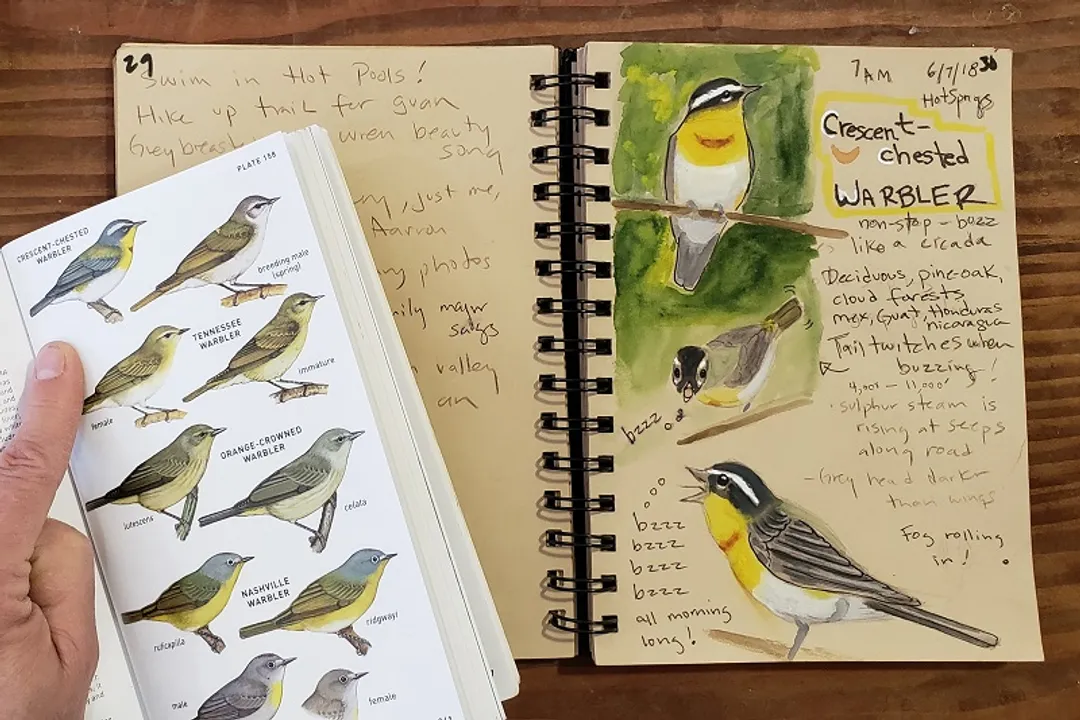
The Prothonotary Warbler, easily identifiable by its brilliant golden-yellow plumage, favors wooded swamps and bottomland hardwood forests for nesting. To maximize your chances of finding this species, birding guides suggest focusing on locations with slow-moving, dark-watered swamps, often in southern regions. Ten recommended locations for seeking out the Prothonotary Warbler include specific sites in places like Florida, Georgia, South Carolina, and Alabama, emphasizing the need to seek out swampy, cypress-filled habitats rather than coastal points. This contrasts sharply with the typical migratory bottlenecks that attract species like the Bay-breasted Warbler.
# Range Edge Observations
The distribution of certain species dictates where specific viewing opportunities arise. The Bay-breasted Warbler, for example, shows a breeding range primarily concentrated in the boreal forests of Canada. During spring migration, they move south along the East Coast flyway, often reaching inland states like Ohio and Pennsylvania. For a birder in, say, the Pacific Northwest, encountering a Bay-breasted Warbler would be an extreme rarity, as their migratory path largely stays east of the Great Plains. Understanding the range map allows a birder to prioritize efforts where the species is actually passing through in significant numbers.
# Finding Your Own
While the famous destinations are excellent targets, many excellent local viewing spots exist that are easier to access for daily birding efforts. The key to uncovering these personal hotspots lies in understanding the birds' immediate needs during migration: food and shelter.
Warblers are moving constantly, burning massive amounts of energy, and they need places to rest and rapidly replenish their fuel stores. If you are trying to locate a hidden gem in your own county, look for areas that provide dense, protective shrubbery, flowering trees, or areas rich in small insects, especially after a night of active migration or a weather system pushes the birds down.
One useful metric to consider is the "Post-Frontal Push" effect. When a cold front passes through an area, it stalls migration. The birds stack up behind the front line. The moment the front breaks and the weather clears—often the next morning—there is a massive, synchronized exodus northward. The area immediately behind the former front line, especially if it contains good cover, will often be overwhelmed with migrants the following day. Analyzing daily weather maps in conjunction with local habitat provides a predictive advantage that general guides cannot offer.
# Best Practices
Timing is everything when searching for warblers, as their passage is brief. Generally, the peak migration period for many species occurs between the second week of May and the beginning of June in the northern regions, though this varies significantly by latitude and elevation. In the Midwest, the second week of May is often cited as the sweet spot for the largest numbers.
To increase your success rate, remember that warblers often feed in the mid-story or canopy of trees, rather than exclusively on the ground. Birders new to warbler watching often spend too much time looking down into the leaf litter when the real action is occurring overhead in the leafy crowns of oaks and maples. Furthermore, many of the warbler species prefer deciduous edge habitat over dense coniferous forest for their brief stops. If you find a patch of scrubby secondary growth near a water source, stake it out early, as the birds may be actively foraging just as the sun warms the leaves. Successful warbler viewing often means being patient and quiet, letting the birds move to you in the dense cover they seek.
The reward for this planning and observation—a glimpse of a tiny Yellow Warbler or the flash of a Black-throated Blue Warbler—makes the effort well worth the early mornings and occasional discomfort.
Related Questions
#Citations
Seven Spring Hotspots for Warbler Photography | Audubon
6 Warbler Hotspots to Try Out This Spring—Plus, How to Find Your ...
[PDF] WARBLER HOT SPOTS
Identifying Warblers - - Christine Elder
10 places to find Prothonotary Warbler - BirdWatching Magazine
Warblers in the woods are one of spring's spectacles
Warbler migration - Nebraska Birding Trails
[PDF] Where Have All the Warblers Gone? - Piedmont Bird Club