Vulture Scientific Classification
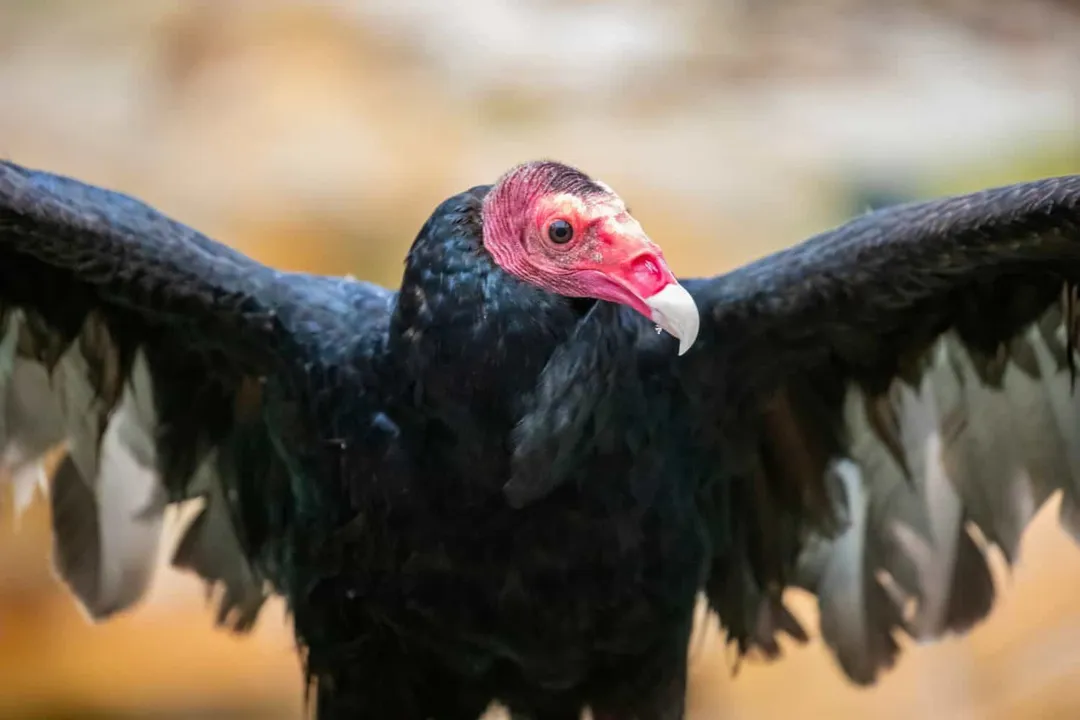
Vultures, often misunderstood or maligned due to their diet, occupy a fascinating and unique position within the avian world, a fact made immediately apparent when examining their scientific classification. They are not a single, cohesive evolutionary unit; rather, their superficial resemblance stems from similar ecological pressures, a classic example of convergent evolution at work across continents. Understanding where they fit in the grand scheme of life—the Linnaean hierarchy—reveals two distinct lineages that independently evolved to become nature’s primary cleanup crew.
# The Tree Structure
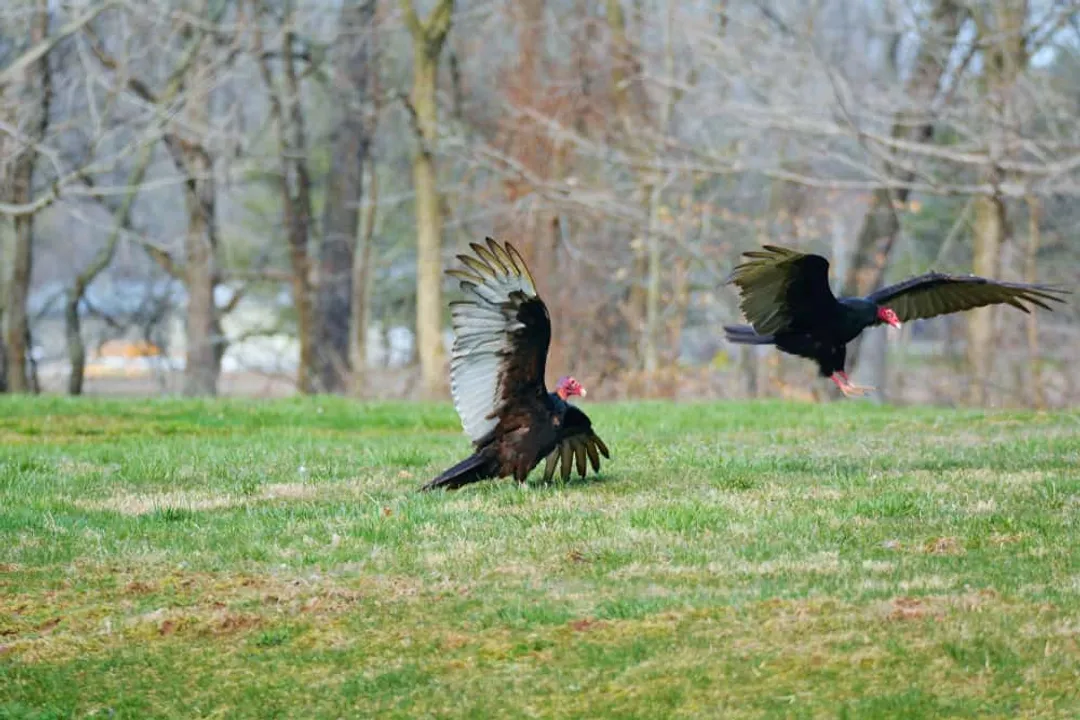
At the broadest levels, all vultures share the basic categorization of most birds. They belong to the Kingdom Animalia, the Phylum Chordata (possessing a backbone), and the Class Aves (birds). The real divergence begins at the Order level, which splits them into the Old World vultures and the New World vultures. This fundamental split is the most crucial piece of information for anyone trying to chart a vulture's lineage accurately.
# Old World Division
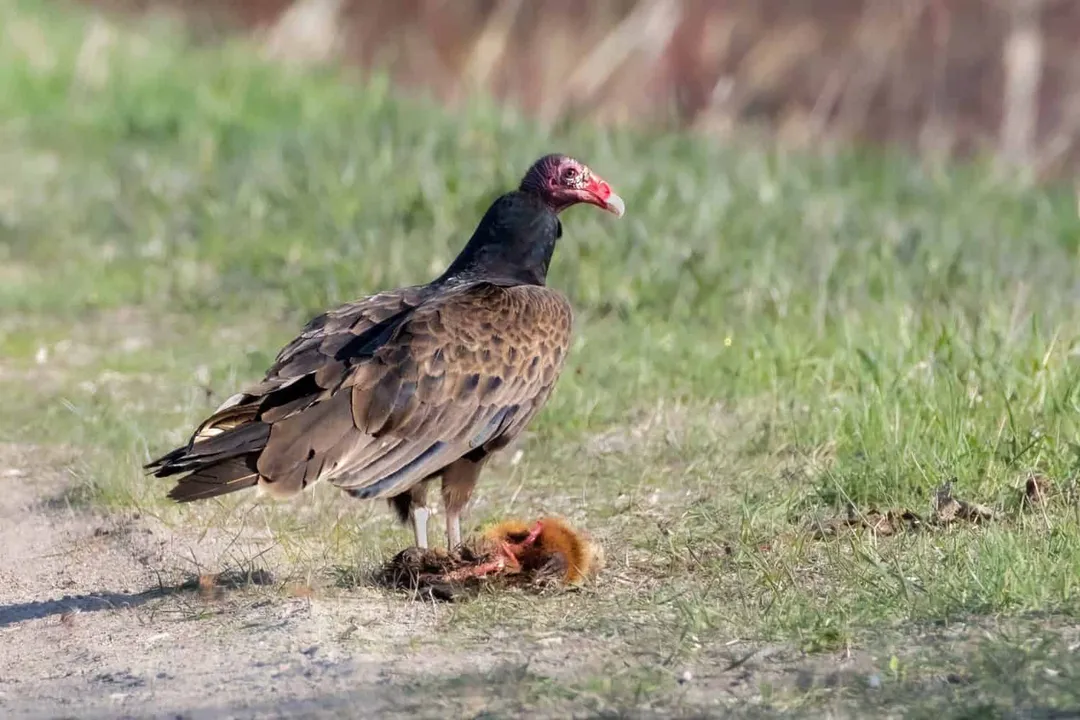
Vultures found across Africa, Asia, and Europe are grouped within the Order Accipitriformes. This places them squarely alongside true birds of prey like eagles, hawks, and kites. Specifically, Old World vultures belong to the Family Accipitridae. Because they share this family with predatory birds, their evolutionary history is intertwined with raptors, even though their feeding habits—relying on carrion—are distinct from those that actively hunt live prey. This familial grouping is often supported by anatomical similarities, though external appearance can be deceiving.

# New World Grouping
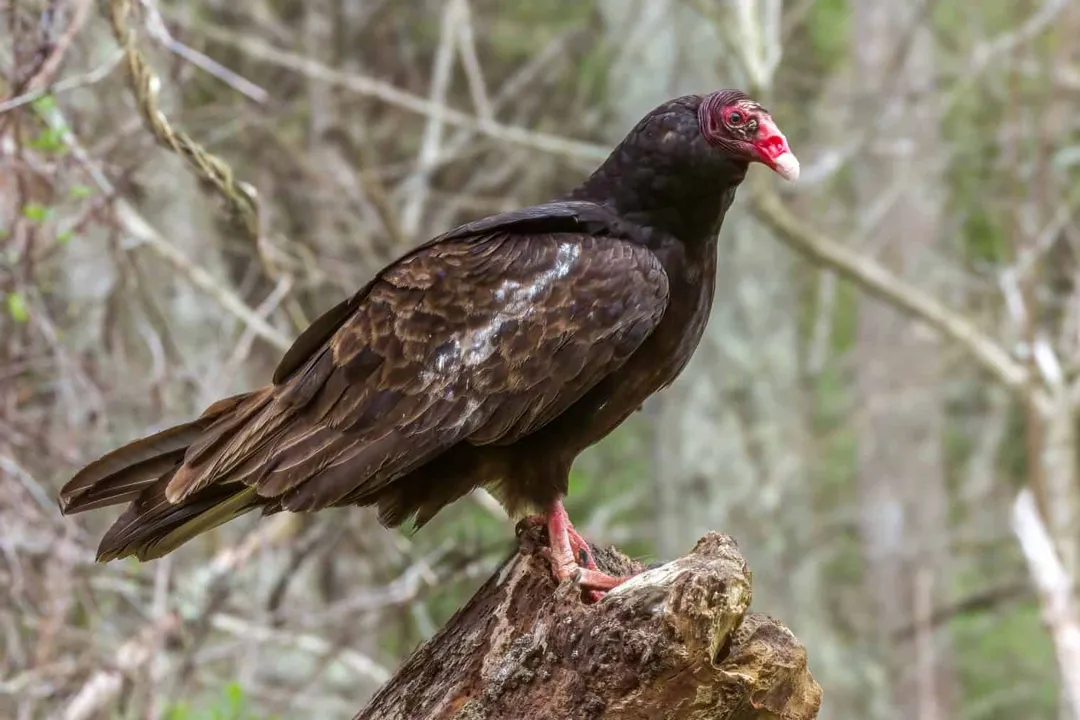
The vultures native to the Americas, which include some of the most iconic species like the Turkey Vulture and the Black Vulture, belong to a completely separate Order: Cathartiformes. Within this Order, they form their own distinct Family, Cathartidae. This separation from the Accipitriformes is profound, suggesting that their common ancestor with Old World vultures was very distant, perhaps preceding the evolution of modern birds of prey entirely. The New World vultures developed their scavenging niche independently from their Old World counterparts.
This divergence is so significant that, for a time, some American vultures, particularly the Turkey Vulture, were sometimes misplaced in taxonomy based on superficial similarities to Old World species, but modern genetic analysis firmly supports the current separation.
# Two Key Species
To illustrate the classification in practice, we can examine two well-known New World species: the Turkey Vulture and the Black Vulture.
# Turkey Vulture Lineage
The Turkey Vulture, scientifically named Cathartes aura, provides an excellent case study in avian taxonomy. It rests within the following structure:
- Order: Cathartiformes
- Family: Cathartidae
- Genus: Cathartes
This genus, Cathartes, includes other related vultures such as the Lesser Yellow-headed Vulture (Cathartes burrovianus). A defining characteristic reflected in its scientific classification is its keen sense of smell, a trait that sets it apart from most other birds, including the Black Vulture. This ability to detect decaying flesh by scent is a highly specialized adaptation that helps it locate food where sight alone might fail, a key reason it merits its own genus within the Cathartidae family. The relationship between the Turkey Vulture and other New World vultures is supported by systematics which group it closely within the family Cathartidae.
# Black Vulture Details
The Black Vulture, Coragyps atratus, shares the Order and Family with its cousin but branches off at the genus level.
- Order: Cathartiformes
- Family: Cathartidae
- Genus: Coragyps
It is the sole member of the genus Coragyps. While similar in size and feeding habits to the Turkey Vulture, its classification as a separate genus highlights measurable differences beyond just geography or appearance. Black Vultures tend to rely more on sight and often congregate at carcasses where Turkey Vultures have already located food, rather than using their noses to find it first. This subtle difference in foraging strategy contributes to its distinct placement in the Coragyps genus, separate from the scent-guided Cathartes.
# Taxonomic Comparison Table
The most telling aspect of vulture classification is the separation of the two main groups, which is often best visualized side-by-side. While a specific, standardized table mapping all major groups across both continents is not explicitly provided, we can construct a view based on the family-level split:
| Feature | Old World Vultures | New World Vultures |
|---|---|---|
| Order | Accipitriformes | Cathartiformes |
| Family | Accipitridae | Cathartidae |
| Relatives | Hawks, Eagles, Kites | New World Vultures only |
| Olfactory Sense | Generally poor | Excellent in Turkey Vulture (Cathartes) |
| Geographic Range | Africa, Asia, Europe | The Americas |
One interesting observation when looking at this taxonomic gap is that the separation likely occurred before the major tectonic plates fully separated the Old and New Worlds, or perhaps the ancestors of one group migrated much later. The fact that the New World vultures have such deep roots in their own order, Cathartiformes, suggests an ancient divergence from the lineage that eventually produced the Accipitridae family. This means that a Black Vulture is taxonomically more distantly related to a European Griffon Vulture (an Old World vulture) than a hawk is to that same Griffon Vulture, despite both American birds being called "vultures". This situation forces us to prioritize evolutionary evidence (genetics/skeletal structure) over common nomenclature.
# Deeper Insights into Classification
The scientific classification for vultures can vary slightly depending on the authority or the era of the classification system, particularly concerning subspecies or exact placements within the Accipitridae family for Old World species. However, the division into Cathartidae and Accipitridae remains the bedrock of understanding.
For the general reader, the main takeaway should be that "vulture" is an ecological label, not a strictly phylogenetic one. If you were to map out the entire bird family tree, you would find a large gap between the Old World vultures tucked within the raptors and the New World vultures sitting on their own distinct branch. Their common role as scavengers is simply an example of evolution favoring efficiency in the utilization of dead organic matter, resulting in similar external appearances—bald heads to keep clean, large wingspans for soaring—but fundamentally different origins.
Furthermore, examining the genus Coragyps (Black Vulture) in relation to Cathartes (Turkey Vulture) shows that even within the New World group, specialization has led to divergence. While both are Cathartidae, the evolutionary path that favored scent-tracking in Cathartes versus eyesight dominance in Coragyps resulted in a genus-level split. This fine-scale differentiation illustrates that even after the major evolutionary split from Old World birds, the New World vultures continued to specialize rapidly to carve out distinct ecological niches for themselves across the American continents. The Black Vulture's social feeding habits, often gathering in larger groups at roadkills, contrast with the more solitary hunting style of the Turkey Vulture, behaviors that are themselves underpinned by their underlying physical and evolutionary makeup. The scientific classification captures these distinct evolutionary achievements.
Related Questions
#Citations
Vulture - Wikipedia
Vultures Facts and Information | United Parks & Resorts - Seaworld.org
Black Vulture - Coragyps atratus - New Hampshire PBS
Vulture | Characteristics, Species, & Facts - Britannica
Aves - GBIF
Turkey Vulture Bird Facts - Cathartes aura - A-Z Animals
Vulture - New World Encyclopedia
Coragyps atratus (black vulture) - Animal Diversity Web
Systematics - Turkey Vulture - Cathartes aura - Birds of the World