Vulture Diet
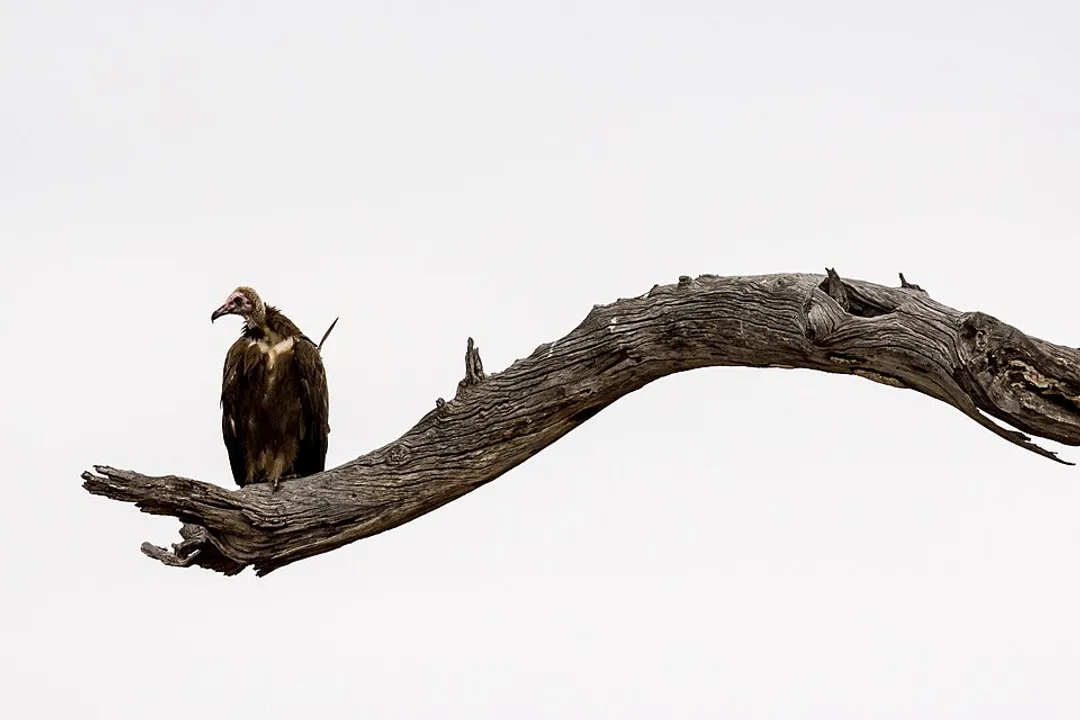
Vultures occupy a vital, if often unglamorous, niche in the animal kingdom, primarily recognized as nature’s clean-up crew. While the general understanding is that these large birds subsist entirely on dead things, the specifics of their menu reveal fascinating differences across species, ranging from standard scavenging to highly specialized bone consumption. [2][6] Their entire existence is geared toward efficiently locating and safely processing carrion, an adaptation that directly benefits the health of the entire ecosystem. [6]
# Carrion Focus
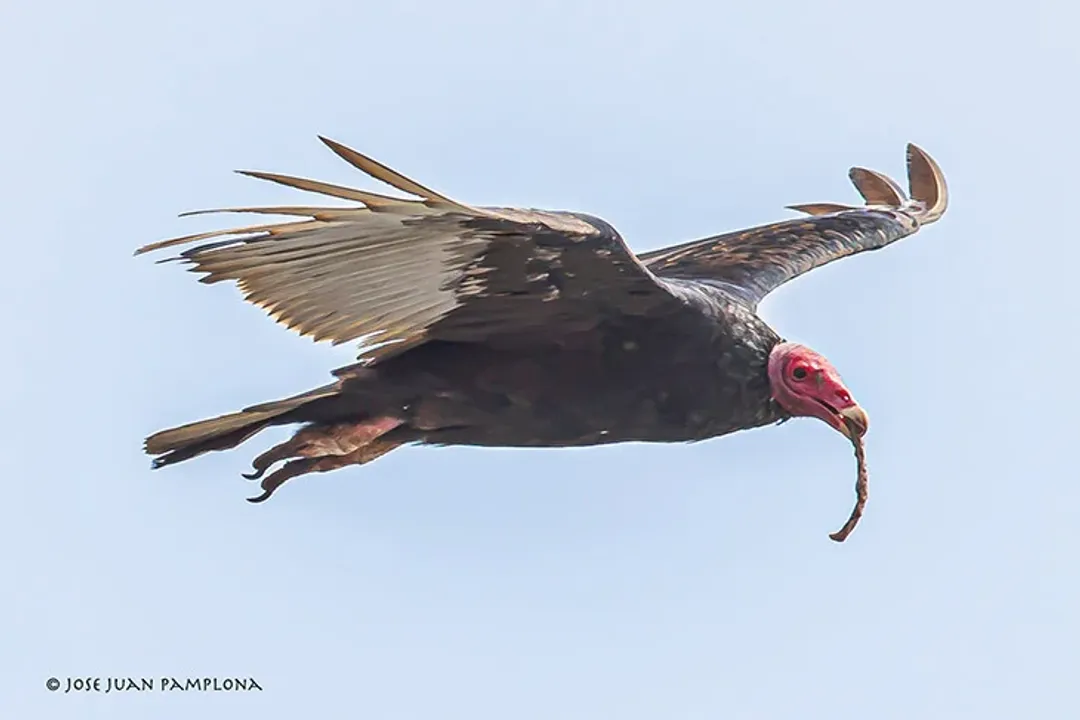
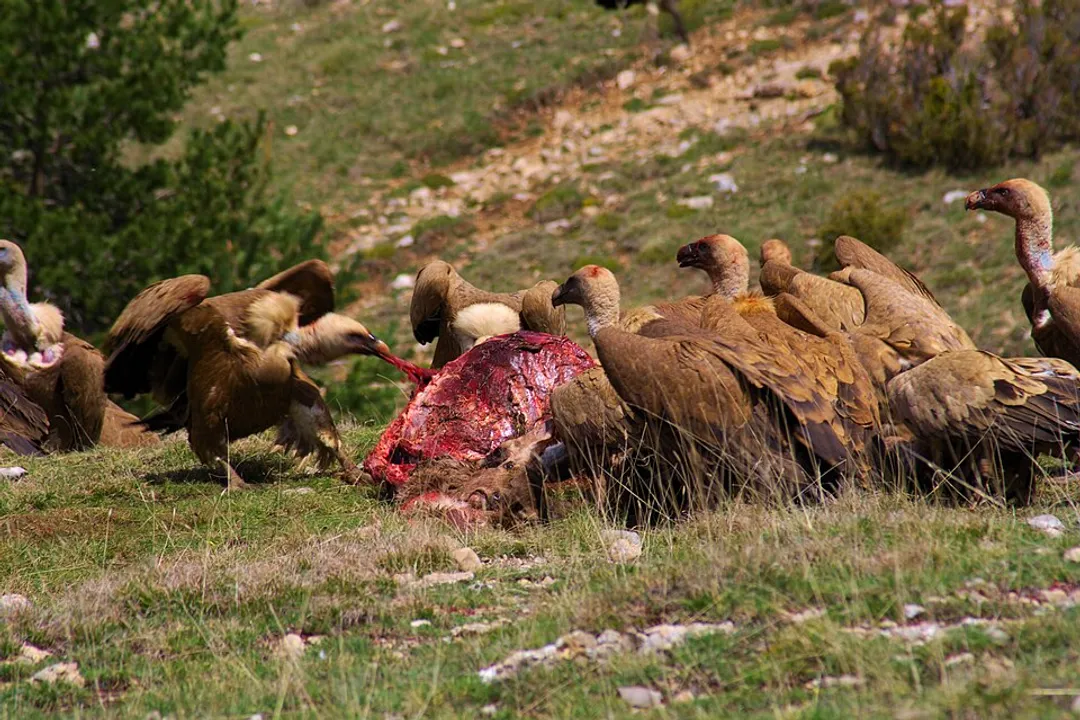
For the majority of vulture species, the diet revolves around carrion—the decaying flesh of animals that have died from natural causes, disease, or predation. [2][5][6] They are not typically hunters of healthy, living prey; rather, they seek out what others have left behind. [1] The Turkey Vulture, for instance, is highly adept at locating these meals, relying heavily on its sense of smell—a rare trait among birds—to detect the gases produced by decomposition, often flying low over wooded areas to sniff out recent fatalities. [1][5][8] This olfactory skill gives Turkey Vultures an advantage in locating obscured carcasses that might be hidden under forest canopy, an efficiency that sets them apart from scavengers that rely solely on sight. [1]
While they consume almost any dead animal they can find, their digestive systems handle the resulting bacteria load in a way few other creatures can manage. [1] They are not fussy eaters when it comes to the stage of decomposition, often consuming materials others might avoid. [1] This habit of consuming what remains after predators have eaten their fill ensures that less organic material is left to rot, significantly reducing the potential breeding grounds for disease vectors. [6] Considering how quickly decaying matter can attract insects and other opportunistic feeders, the vulture’s swift removal of large carcasses provides a natural barrier against the secondary spread of pathogens that might otherwise thrive in a decomposing meal.
# Bone Specialist
Not all vultures adhere strictly to the soft tissue diet. The Bearded Vulture, sometimes called the Lammergeier, stands out as a remarkable exception to the scavenger norm. [3][7] This species possesses a diet so specialized that it is famous for it: it consumes bone, often making up the vast majority—up to 90 percent—of its intake. [3][7]
To access the nutrient-rich marrow inside, the Bearded Vulture employs a unique, learned behavior. It will carry heavy bones high into the air, sometimes reaching altitudes of over 16,000 feet, and drop them onto rocks or specialized "bone-yards" below to shatter them into manageable pieces. [3] After breaking the bone, it descends to consume the fragments and, most importantly, the marrow within. [7] While they also consume skin and hooves, the reliance on bone marrow distinguishes them sharply from New World vultures like the Turkey Vulture, creating two distinct ecological roles even within the broader "vulture" category. [7]
# Acid Power
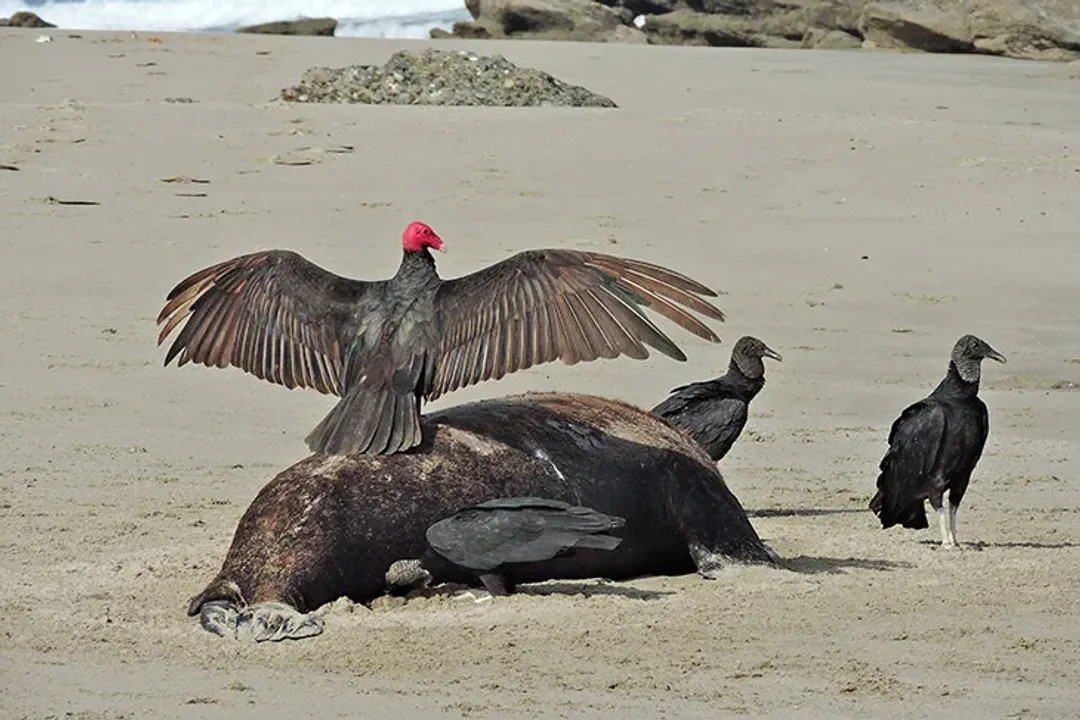
The ability of vultures to safely consume flesh teeming with pathogens is perhaps their most crucial dietary adaptation, making them indispensable sanitation workers. [4][6] Ingestion of rotting material introduces massive quantities of dangerous bacteria, such as Clostridium botulinum, E. coli, and Salmonella, into their systems. [4]
Most animals would succumb to such a bacterial onslaught, but vultures are protected by extremely powerful stomach acid, often reaching a pH level near 1 or 2. [4][6] This highly acidic environment effectively sterilizes the ingested food, neutralizing the harmful microorganisms before they can cause internal damage or be passed on through waste. [4] This potent gastric chemistry highlights that their diet is not simply about what they eat, but how they can eat it without contracting fatal illness. An interesting implication of this extreme acidity is that they are less likely to pass on certain pathogens through their droppings compared to many mammalian scavengers, providing a level of environmental self-cleansing beyond mere carcass removal.
# Feeding Patterns
Vulture feeding is characterized by gluttony followed by long periods of fasting, a necessary adaptation for an opportunistic diet. [5] When a vulture finds a large carcass, it will gorge itself, consuming an enormous amount in one sitting—sometimes eating so much that its crop, or pouch, is full and it is unable to fly immediately. [5] This excess allows them to survive for several days without another meal if necessary. [5]
This feeding behavior dictates defensive reactions. When directly threatened while feeding, vultures have evolved a primary defense mechanism: regurgitation. [5] Vomiting the partially digested, foul-smelling stomach contents is an effective deterrent against potential competitors or predators who might try to harass them off their meal. [5] Furthermore, their physical adaptations support this diet. While they possess sharp bills for tearing, they lack the strong grasping talons of raptors like eagles or hawks, as their primary interaction with food involves ripping and swallowing rather than gripping and carrying. [2]
# Defining Species Groups
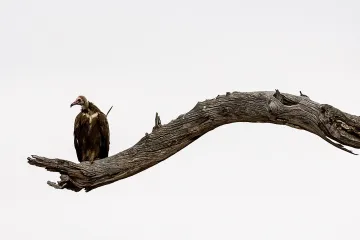
It is important to recognize that vultures are not a single, unified group in terms of taxonomy; they fall into two distinct groups: Old World vultures (found in Africa, Asia, and Europe) and New World vultures (found in North and South America). [2] While both groups have evolved to fill the scavenging niche, they are not closely related taxonomically. [2] The Turkey Vulture is a prominent example of a New World vulture. [8] These groupings often influence subtle differences in hunting or scavenging techniques, though the ultimate goal—processing carrion—remains the same. [2] Different regions present different food opportunities; for example, in areas with significant livestock populations or specific wildlife dynamics, the availability and type of carrion will shape the local vulture population's feeding intensity and preferred methods. [1]
By focusing on the dead, vultures ensure that energy locked within carcasses is recycled back into the food web efficiently, preventing disease outbreaks, and keeping environments cleaner than they would be otherwise. Their diet is a specialized survival strategy, underpinned by incredible biological defenses that allow them to thrive where few other animals can safely tread. [4][6]
Related Questions
#Citations
What do turkey vultures eat? - Avian Report
Vulture - Wikipedia
the only known animal whose diet consists almost exclusively of bones
8 Wow-some Wonders About Vultures - San Diego Zoo Safari Park
Diet and Foraging - Turkey Vulture - Cathartes aura
Vulture Facts - Wildlife Center of Virginia
Turkey Vulture | Hawk Mountain Sanctuary: Learn Visit Join
Do vultures hunt and kill animals or do they only feed on carrion?