Vole Locations
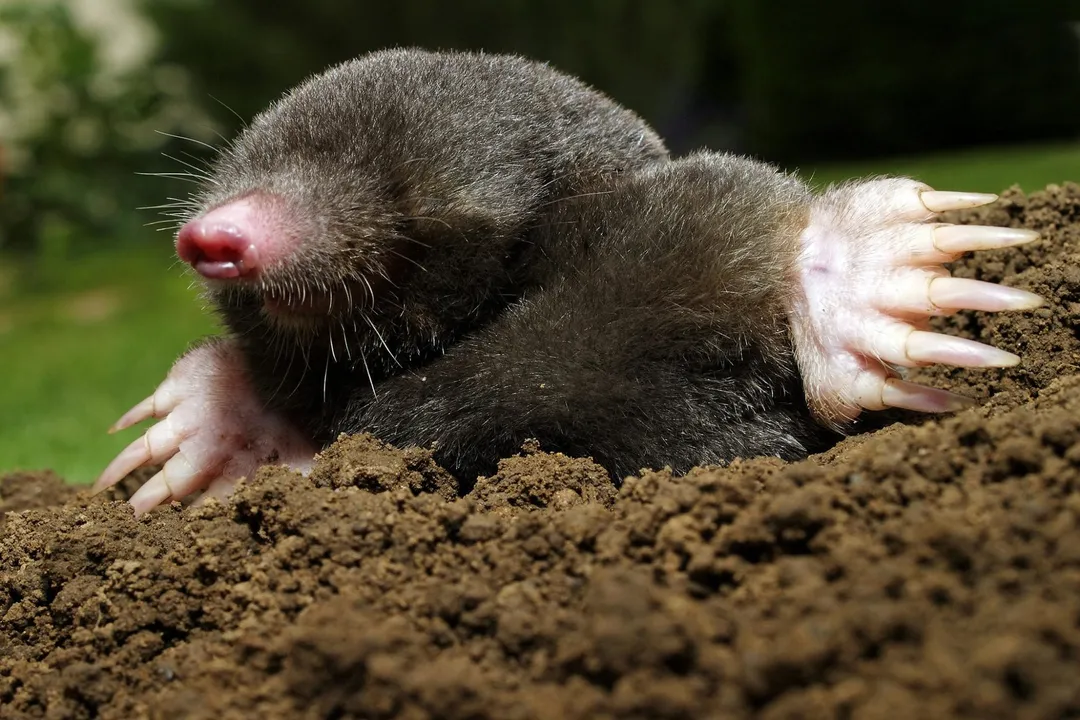
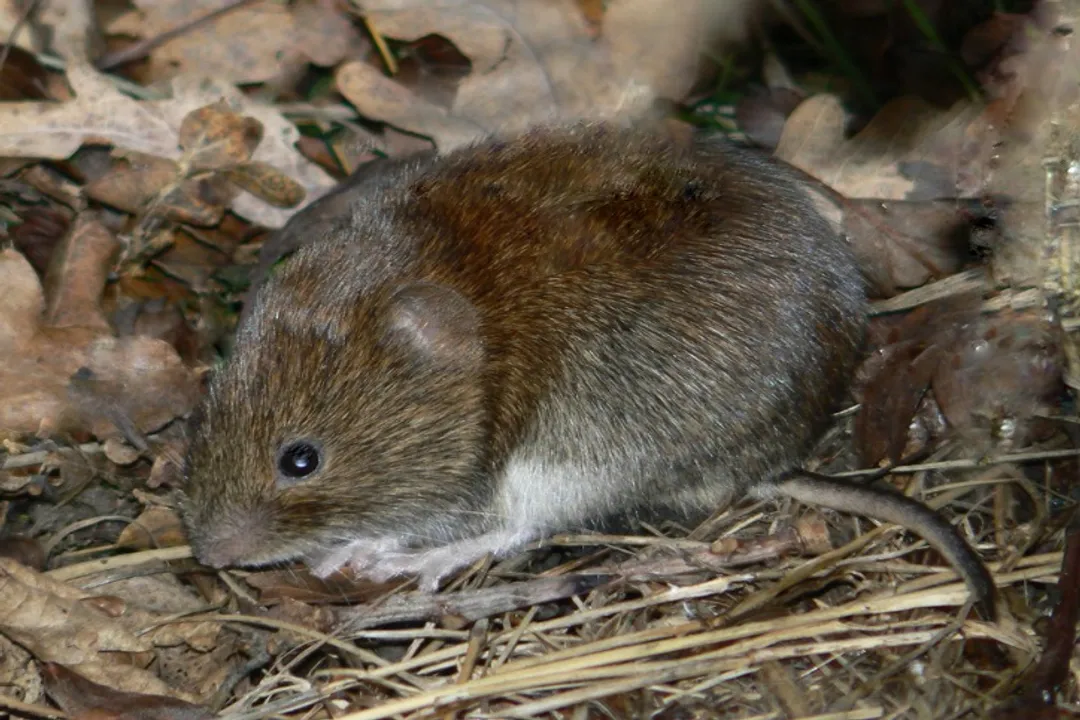
Voles, often mistaken for mice, are small, stocky rodents whose presence is primarily defined by the suitability of their immediate surroundings, which dictates where you are most likely to find evidence of their tunneling and feeding. [1][7] Unlike their more famous relatives, voles are characterized by short tails, small ears that are often hidden in their fur, and a face more rounded than that of a typical house mouse. [7][9] These physical traits allow them to thrive close to the ground, often beneath snow cover or dense vegetation, which influences their geographical distribution across various environments. [4] The sheer diversity in vole species means their collective habitat range is vast, spanning nearly every corner of the continent where suitable ground cover exists. [1]
# Global Range
Across the globe, voles are found in temperate and subarctic regions, inhabiting diverse environments from the Arctic tundra to forest edges. [1] Their distribution is significant, encompassing large parts of North America, Europe, and Asia. [1] For instance, in North America, while many species are widespread, local populations are highly dependent on specific local conditions like soil type, vegetation density, and climate. [10] While a single, comprehensive map illustrating the exact range of all vole species is complex due to the number of species, visual representations of these ranges tend to show broad coverage across North America, particularly in agricultural and grassland areas. [2]
# Habitat Types
The specific location of a vole population is often predictable based on the species, as many have specialized habitat preferences that are reflected in their common names. [1]
# Meadow Locations
The Meadow Vole (Microtus pennsylvanicus) is perhaps the most commonly encountered species in North America, especially where grass is abundant. [1][3] As its name suggests, its ideal location is in moist, dense grassy areas, such as meadows, marshes, pastures, and along ditch banks. [3] They construct intricate surface runways, visible as narrow paths through the grass, that connect feeding areas to their underground burrows. [3] In agricultural settings, like alfalfa fields, the presence of thick, unbroken vegetation provides perfect cover, allowing their populations to flourish unseen until significant damage occurs. [3] Observing the health and density of ground cover is often a better predictor of a meadow vole presence than searching for their shallow burrow openings. [3]
# Forest Settings
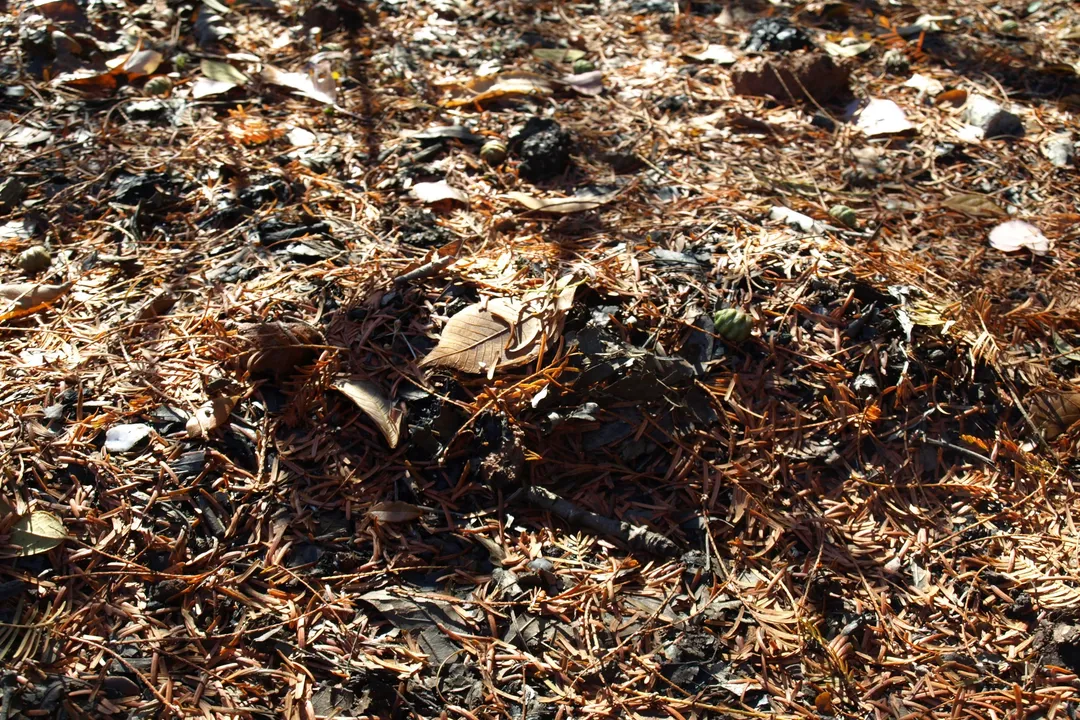
Forest environments host several vole species, including the Pine Vole (Microtus pinetorum) and others adapted to wooded areas. [10] Pine Voles are notable because they often occupy underground runways beneath forest litter or sod, sometimes utilizing old mole tunnels. [10] In managed timber stands, damage is often noted on young saplings where bark is gnawed away near the base, indicating voles are active in the area, particularly where ground cover is present beneath the trees. [10] The presence of thick ground cover, even in a dense forest plantation, is a critical factor that determines if voles will establish populations, as they need that insulation and food source. [10] The tighter the connection between a species' name and its preferred environment—like the Meadow Vole in grass or the Rock Vole among stone—the more specific your search area should be to confirm their location. [9]
# Rocky Substrates
A distinct group, the Rock Vole (Microtus chionophilus), occupies a completely different niche in the Adirondack Mountains of New York State. [9] These voles are specifically associated with rocky areas, such as talus slopes and rock crevices, where they find shelter and forage among the sparse vegetation growing between the stones. [9] This specialized location highlights that "vole habitat" isn't limited to soft earth; rather, it’s any area that provides adequate security and caloric intake, even if that security comes from geological features rather than dense soil layers. [9]
# Identifying Field Signs
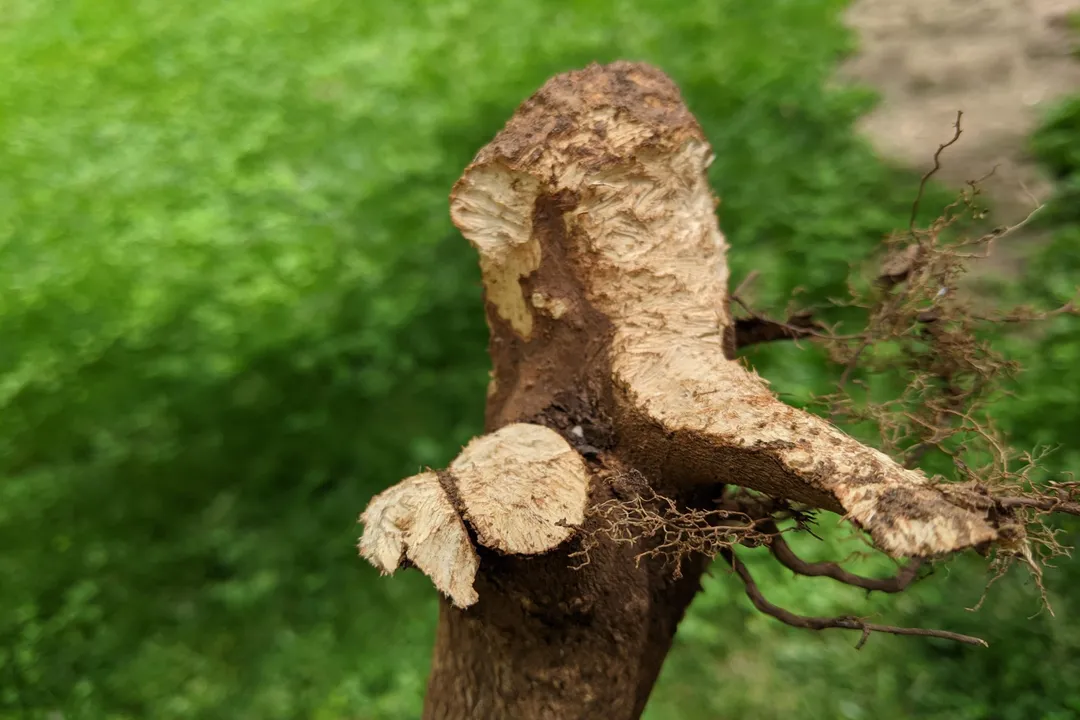
Knowing where voles are likely to be present relies heavily on recognizing their activity, which differs from that of other burrowing rodents. [7] While gophers create mounds of excavated soil, voles are better known for their surface trails and small, often hidden, entry holes into the ground. [7] If you notice smooth, well-worn tunnels running through dense turf or low-growing plants, particularly where they appear like tiny highways through the grass blades, you are likely seeing the runways of a vole, most commonly the Meadow Vole. [3] In contrast, moles, which are often confused with voles, create raised ridges in lawns because they dig deeper tunnels just beneath the surface as they hunt for insects, not vegetation. [7][9]
One interesting observation when scouting for vole activity, especially when managing a lawn or garden, is the pattern of damage. While moles leave mounds and tunnels associated with insect hunting, vole damage tends to be more focused on the base of plants or small woody stems. [7] If you are walking through an area and notice that the tunnels are on the surface, hidden under grass or mulch, it suggests a vegetarian like a vole, whereas tunnels that consistently push the soil upward point toward a subsurface predator like a mole. [7][9] This difference in tunneling style is a direct consequence of their different primary diets: vegetation versus invertebrates. [1][7]
# Regional Population Density
The visibility of vole activity can fluctuate dramatically based on population density, which in turn is heavily influenced by environmental factors like weather and predation pressure. [6] A mild winter with deep, insulating snow can be a boon for vole survival, as the snowpack protects them from predators and freezing temperatures, allowing them to feed all winter long. [6] Consequently, an area that showed minimal activity the previous year might experience a sudden, dramatic explosion in visible damage the following spring if the winter conditions favored high over-winter survival rates. [6] This cyclical nature means that locations that look "clean" in late winter may quickly become heavily infested by early summer if the preceding weather was mild and snowy.
When considering the locations where voles are most problematic, it often aligns with areas where they are intentionally or accidentally encouraged. Landscapes with established, perennial ground cover—such as ornamental plantings, perennial flower beds, or orchards—provide long-term nesting sites and consistent food security. [6] Areas that receive little maintenance or where leaf litter is allowed to accumulate create ideal nesting material and insulation, effectively creating a prime vole real estate opportunity. [6] Therefore, an analysis of vole location risk should weigh not just the type of vegetation, but also the maintenance level of that vegetation. [3][6]
# Species Comparison
It is vital to know which small rodent is causing the issue, as management strategies differ significantly based on whether you are dealing with a vole, a mole, or a gopher. [7] Voles are herbivorous, preferring grasses, bulbs, and bark. [1][7] Moles, conversely, are insectivores whose primary motivation for tunneling is hunting earthworms and grubs, though their tunneling can damage roots incidentally. [7][9] Gophers are also herbivores but are generally larger, possess prominent external cheek pouches for carrying food, and are notorious for pushing large mounds of soil to the surface as they excavate deep burrow systems. [7][9] Voles are built low to the ground with very short ears, while moles have very obvious, large front feet adapted for digging through soil in search of prey. [7] Understanding the primary food source—plant material for voles, insects for moles—helps confirm the animal's identity based on the type of damage seen in a specific location. [7] For example, if you see bulbs dug up, it points toward a vole or gopher, not a mole. [7]
# Managing Presence by Location
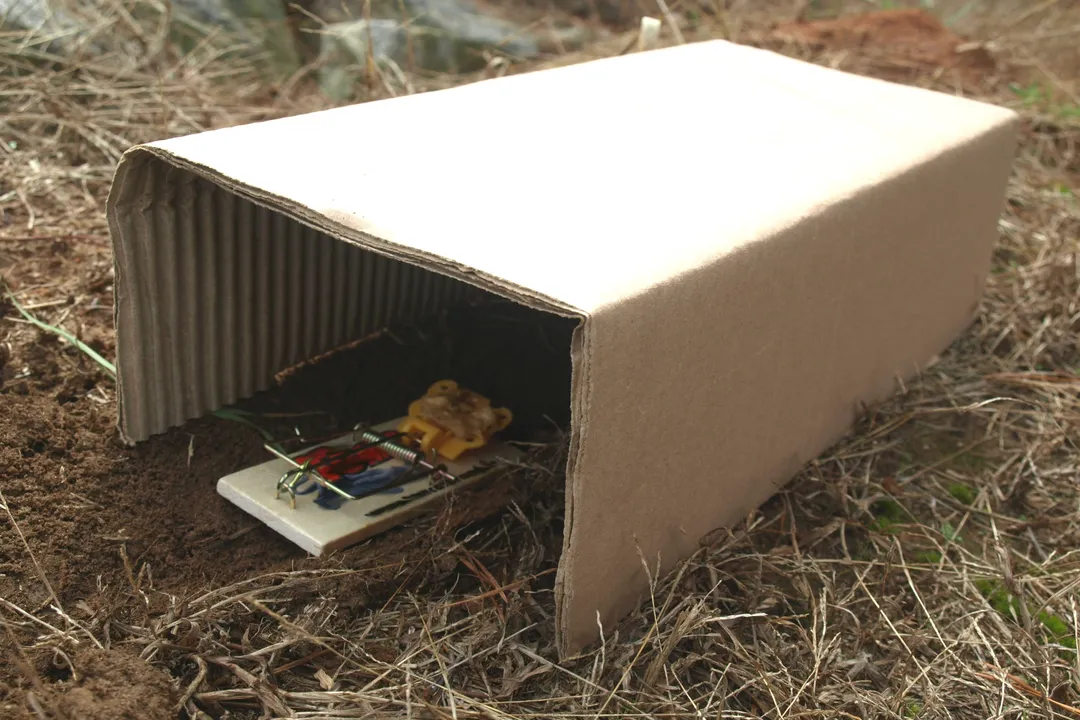
The successful management of voles is intrinsically tied to understanding why they are in a specific location and what resources that location offers them. [6] In large-scale agricultural settings, like controlling vole damage in forest plantations, the recommendation often centers on removing or minimizing the low-growing vegetation that provides cover. [10] This makes the area less hospitable and exposes the voles to predators. [10] In residential yards, this translates to keeping grass mowed short and removing thick mulch or leaf litter around the bases of desirable plants. [6]
For protecting individual, high-value plants like young trees or shrubs, the location of the vole's feeding—the root crown and lower bark—demands physical barriers. [6] Placing hardware cloth cylinders or other protective sleeves around the base of the plant, extending slightly above the soil line and a few inches below it, physically excludes the vole from its preferred feeding zone, regardless of how dense the surrounding grass is. [6] This protective measure directly targets the vulnerability of the plant at the ground level where the vole lives and feeds. [6]
Related Questions
#Citations
Vole - Wikipedia
A Map I Made of The Ranges of All Voles - Reddit
Voles (Meadow Vole, Meadow Mice) / Alfalfa / Agriculture - UC IPM
Facts About Voles | Vole Facts | Havahart®
Voles: Facts, Information, and Treatment - Fox Pest Control
[PDF] Controlling Vole Damage - UNL CMS
Voles, Moles or Gophers | Vole Control
How to Tell the Difference Between Moles and Voles - Clemson HGIC
SUNY ESF Rock Vole
[PDF] Managing Vole Damage in Forest Plantations | Extension