Vicuña Locations
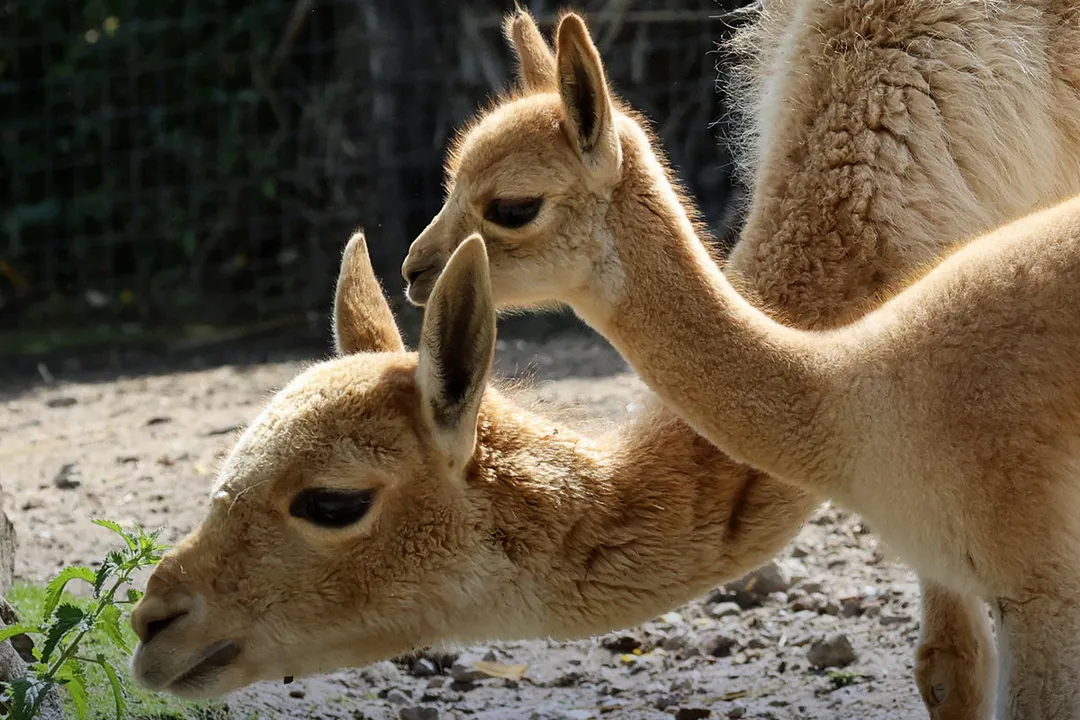
The presence of the vicuña, Vicugna vicugna, is intrinsically linked to the towering, often harsh, environment of the South American Andes mountains. [4] These graceful camelids inhabit the high-altitude grasslands and plains, a specific ecological niche that dictates where one might encounter them in the wild. [2][3] Understanding their locations requires looking across several high-elevation countries rather than pinpointing a single spot, as their historical and contemporary range spans a significant portion of the central Andes. [6]
# Andean Range
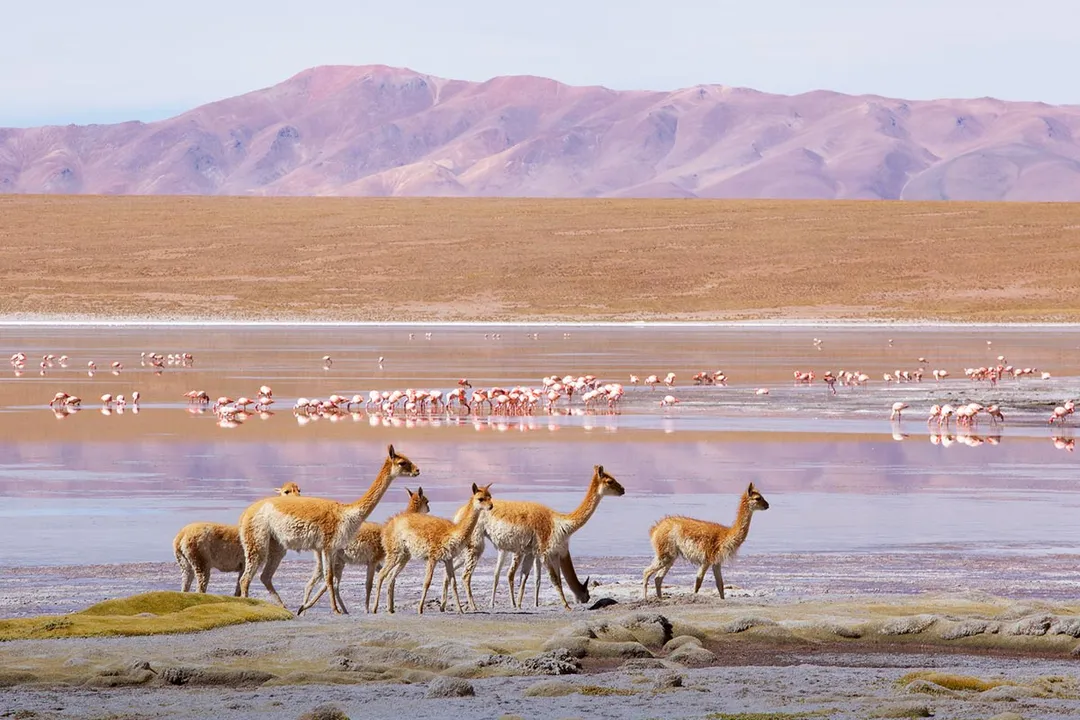
The primary geographical area where vicuñas roam is consistently described as the high Andes. [1][2][4] More specifically, their distribution encompasses elevations from southern Peru down through northern Chile and into Argentina, with populations also found in Bolivia and Ecuador. [4][6] This spread across multiple national borders highlights that the environmental conditions—namely, altitude and specific vegetation—are more defining factors for the species than political boundaries. [2] It is important to note that while the animal is named the vicuña, there are also towns that share this name, such as Vicuña, Chile, located in the Coquimbo Region, which is a center for tourism and astronomy, distinct from the wild animal's primary habitat zones. [5][7][8]
# National Distribution
Each country within this Andean corridor hosts populations, though the status and management of these populations can vary. [6]
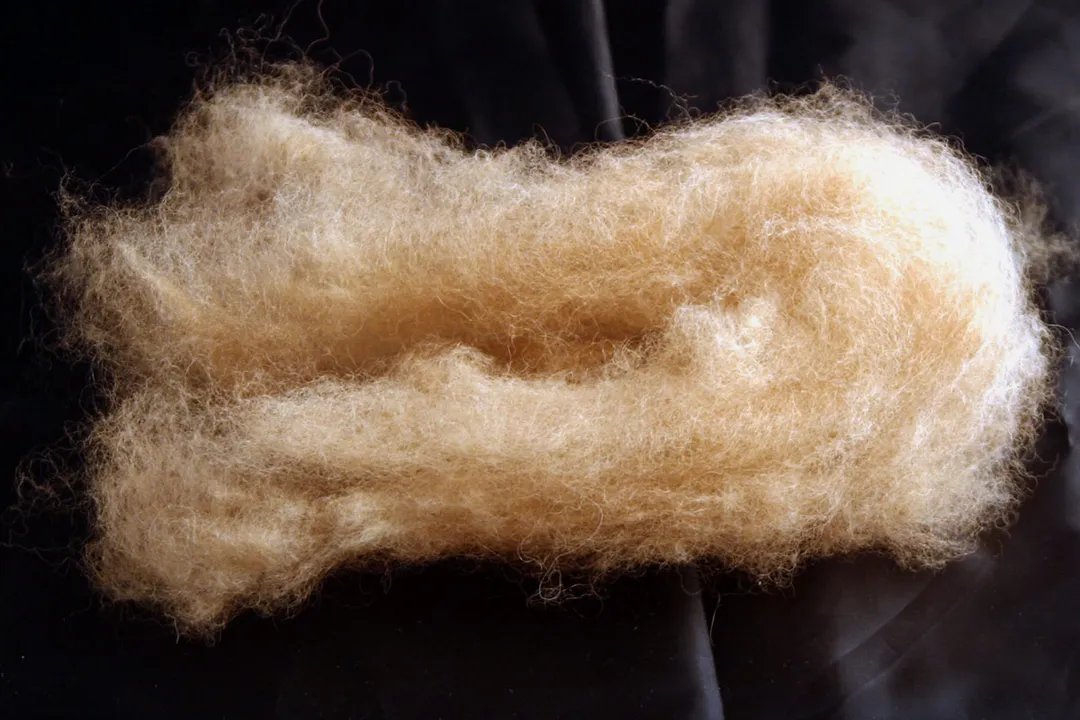
In Peru, the vicuña holds a particularly esteemed status; it is recognized as the nation's representative emblem. [9] This cultural significance is intertwined with its historical importance to the Inca civilization, where its fine fiber was reserved for royalty. [3] Consequently, conservation efforts and monitoring within Peru are often closely tied to national identity. [1][9]
Moving south, Chile shares a portion of the vicuña's range. [4][6] While the town of Vicuña exists in the Coquimbo Region, [7][8] the wild vicuñas are found in the more arid, high-altitude zones, consistent with their general Andean requirements. [4]
Argentina also supports vicuña populations in its high Andean regions. [4] Similarly, Bolivia and Ecuador complete the group of nations where the species maintains a presence in the high puna or altiplano environments. [4][6]
| Country | Presence Status | Key Habitat Descriptor |
|---|---|---|
| Peru | Emblematic Species | High Andean plateaus [1][9] |
| Chile | Part of Range | High elevations [4] |
| Argentina | Part of Range | High elevations [4] |
| Bolivia | Part of Range | Altiplano [6] |
| Ecuador | Part of Range | High Andes [6] |
This fragmented distribution across five countries underscores the ecological specialization of the animal. It suggests that local conservation strategies must be tailored to the specific altitude, climate fluctuations, and regulatory environments of each nation to ensure the species' ongoing security. [6]
# Peruvian Habitat
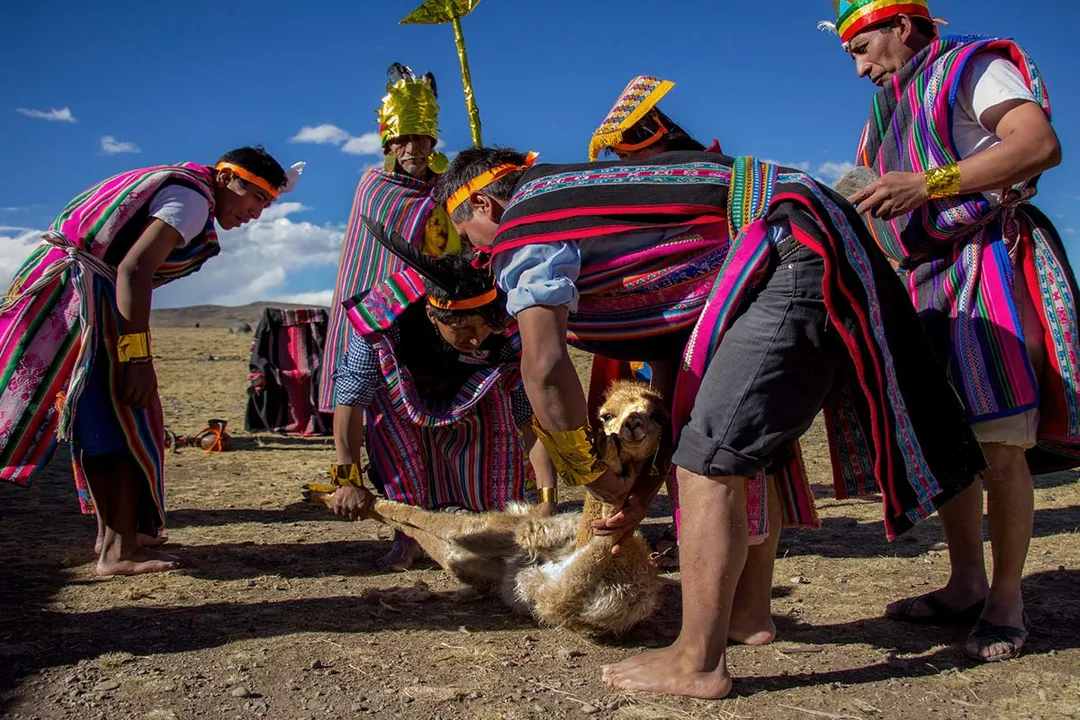
When tourists or researchers specifically seek out vicuñas in Peru, they are invariably looking toward the high Andean plains. [3] These areas are characterized by sparse vegetation, dramatic temperature shifts—freezing nights followed by intense daytime sun—and elevations that require acclimatization for human visitors. [1][3] The animals thrive in these seemingly desolate landscapes where few other large herbivores can subsist. [2] Their preference for these open plains, as opposed to densely forested or heavily mountainous terrain, is a behavioral adaptation that aids in spotting predators, which is crucial for a species that is naturally wild and shy. [3]
# Chilean Geography
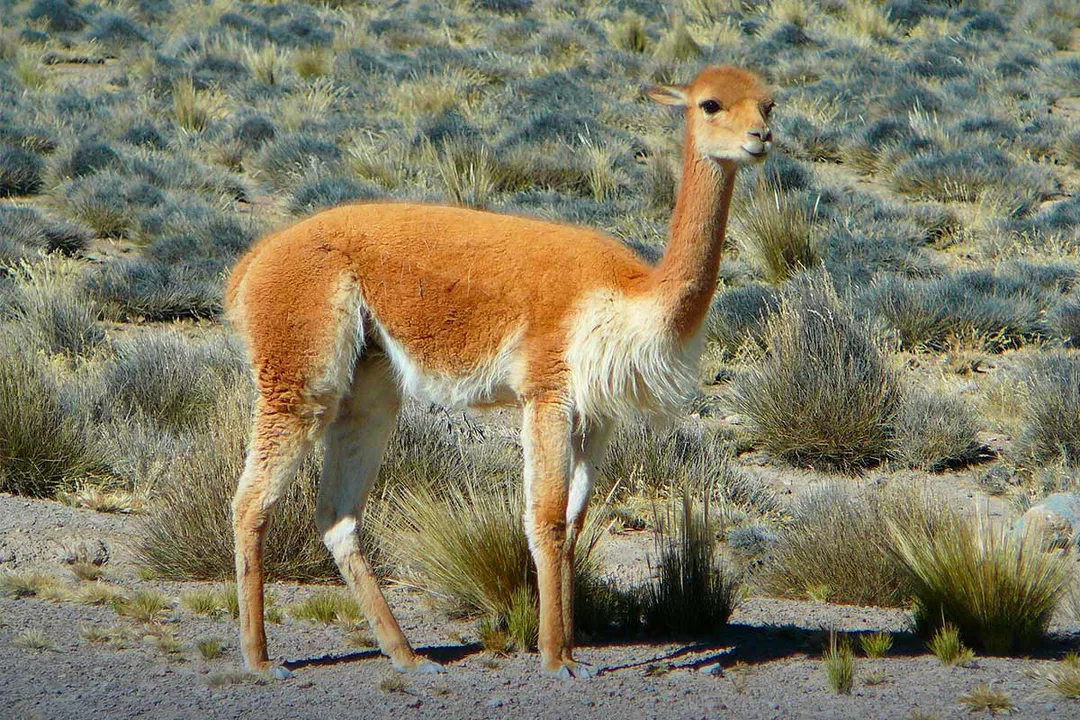
It is necessary to draw a clear distinction when discussing locations, as the name Vicuña in Chile points to a specific, lower-elevation, more settled area. [7][8] The city of Vicuña is situated in the Elqui Valley within the Coquimbo Region. [7][8] While this region is known for attractions and has an association with the name, the wild vicuñas themselves are typically found much higher in the Andes, in the sparse grasslands that cross the border areas. [4] A traveler hoping to see the animal, rather than visit the town, needs to focus their attention on the altiplano sections of northern Chile, which are ecologically consistent with the habitats in southern Peru and Argentina. [4]
# Habitat Conditions
The environmental factors common to all vicuña locations are critical to their survival. They require elevations generally considered too high for intensive agriculture or large human settlements, often above 3,200 meters (approximately 10,500 feet). [1][4] The vegetation is primarily tough grasses and cushion plants that are adapted to these harsh conditions. [2] This specialized environment dictates that the best viewing opportunities often arise when traveling along high-altitude routes, such as crossing mountain passes or visiting national parks established specifically to protect this biome. [3] Their dependence on these specific grass types means that habitat degradation due to overgrazing by domestic livestock, or climate-driven changes to the puna grasslands, presents a direct threat to their distribution and numbers. [2]
An interesting point arises when comparing the range edges. The northern limit of their range, potentially near Ecuador, and the southern edge in Argentina, likely experience significantly different rainfall patterns and temperature variability than the core populations in the Peruvian puna. This ecological gradient suggests that the genetic diversity across the entire species range might be greater than a single continuous population model would suggest, demanding that conservation efforts treat each national area as a semi-distinct management unit to preserve maximum genetic health. [6]
When planning a visit to reliably spot wild vicuñas, it's worth noting that their grazing patterns often align with the warmest parts of the day, making mid-morning to mid-afternoon the most productive viewing window, particularly after the extreme cold of the pre-dawn hours has passed. [3] This is less about the location and more about the micro-timing within that location. Furthermore, while they are considered wild and famously shy, in protected reserves where harassment is minimal, they can become habituated enough to allow for closer observation, which is an experience often cited by visitors to Peruvian reserves. [3]
# Viewing Considerations
For anyone interested in seeing these animals, recognizing the environmental constraints is key. This is not a wildlife viewing experience you will find on a coastal drive or in a lowland valley. [1] Success depends on traveling to or hiring guides who frequent the high plateaus. [3] The very altitude that protects the vicuña from human encroachment also poses a challenge to the visitor; altitude sickness, or soroche, is a real factor when visiting known vicuña territories in Peru or Bolivia. [1] Therefore, a practical recommendation for any visitor aiming for high-altitude viewing is to plan for at least two days of gradual ascent, allowing the body to acclimatize before attempting strenuous activity or long hikes in prime vicuña habitat. [9] This preparation directly impacts the quality and safety of the viewing experience itself.
Their continued presence across these remote areas speaks volumes about successful past and present conservation measures, especially given the immense historical value of their fiber, which once nearly drove them to extinction. [4] While they were once listed under endangered species acts in the US, for example, successful recovery programs across South America have allowed for regulated shearing and trade under international agreements, signifying a positive trajectory for their wild populations across their entire geographical span. [6] Observing them today is a testament to this international conservation focus on maintaining their distinct Andean locations. [4][6]
Related Questions
#Citations
Vicuna: A Sacred Animal of the Peruvian Andes
Vicuña: The Elegant Symbol of the Andes and Peru's ...
Vicunas on Tour in Peru: Discovering Wildlife in Scenic Parks
Vicuna | Habitat, Diet, Lifespan, & Facts
Places of Interest Vicuna
Species Profile for Vicuna(Vicugna vicugna)
THE 15 BEST Things to Do in Vicuna (2025)
Vicuña, Chile
The Vicuña: Peru's Representative and Emblematic Species