Vicuña Evolution
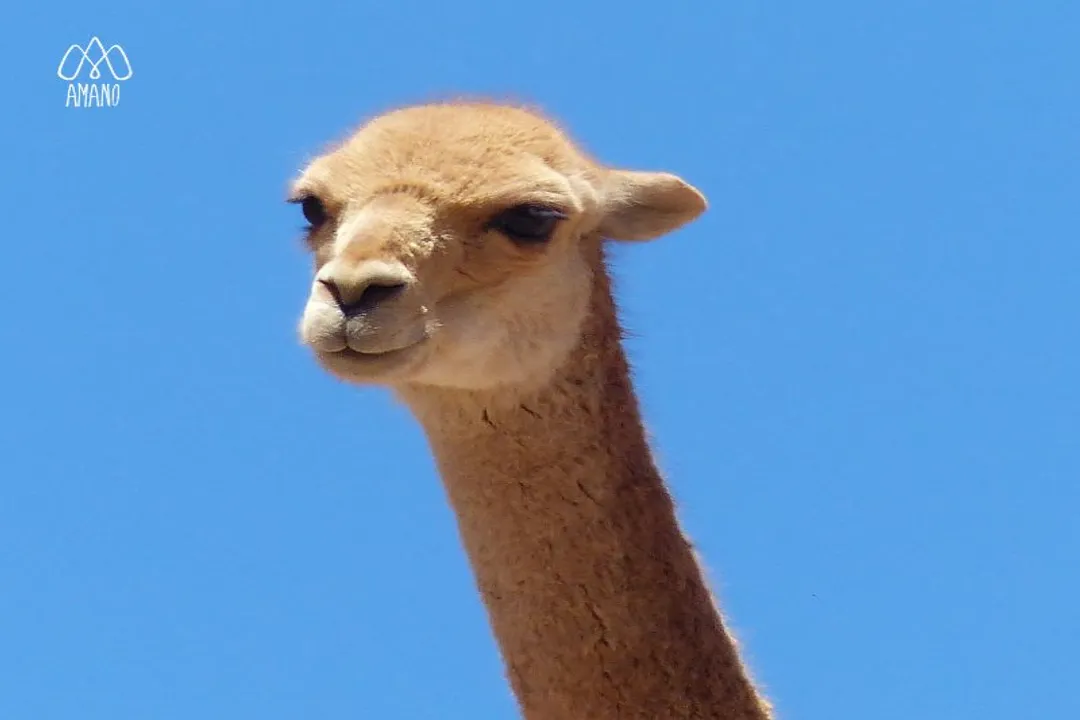
The vicuña, Vicugna vicugna, is an animal often romanticized for its incredibly fine fleece, yet its evolutionary story is just as compelling, tracing back through millions of years of adaptation in the harsh, high-altitude plains of the Andes Mountains. [1][9] It belongs to the camelid family, a group that includes camels in Asia and Africa, and the four South American camelids: the wild guanaco and vicuña, and the domesticated llama and alpaca. [1][9] Understanding the vicuña's place requires untangling a complex lineage where wild ancestors gave rise to domestic relatives, a process that modern genetics is only now fully clarifying. [2][3]
# Camelid Relatives
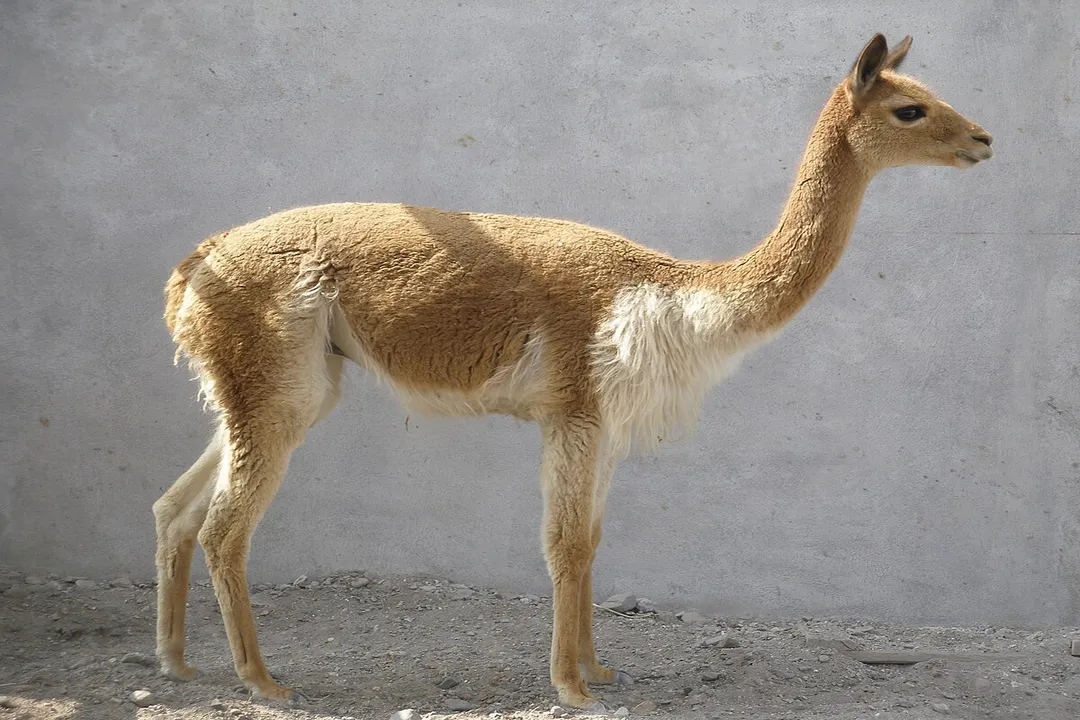
The South American camelids form a distinct group within the Camelidae family, separated from their Old World counterparts millions of years ago. [4] Within the Andes, the relationships between the four species have long been debated, particularly concerning the domestication events that led to the llama and alpaca. [6] Historically, the vicuña and the guanaco were recognized as the two wild species, serving as the progenitors for the domesticated llama and alpaca, respectively. [1][9]
Genetic investigation, however, has revealed a more nuanced picture than simple one-to-one domestication. The two wild species, the guanaco and the vicuña, are sister species, meaning they share a more recent common ancestor with each other than either does with the domesticated forms. [3][6] They are genetically distinct enough to be classified in separate genera for some time, Lama for the guanaco and Vicugna for the vicuña, though modern consensus often places both wild species within the Vicugna genus based on molecular evidence. [1][6] This closer wild relationship emphasizes that the evolutionary split between the vicuña and guanaco lineages occurred before or concurrently with the domestication paths leading to the alpaca and llama. [2]
# Divergence Timeline
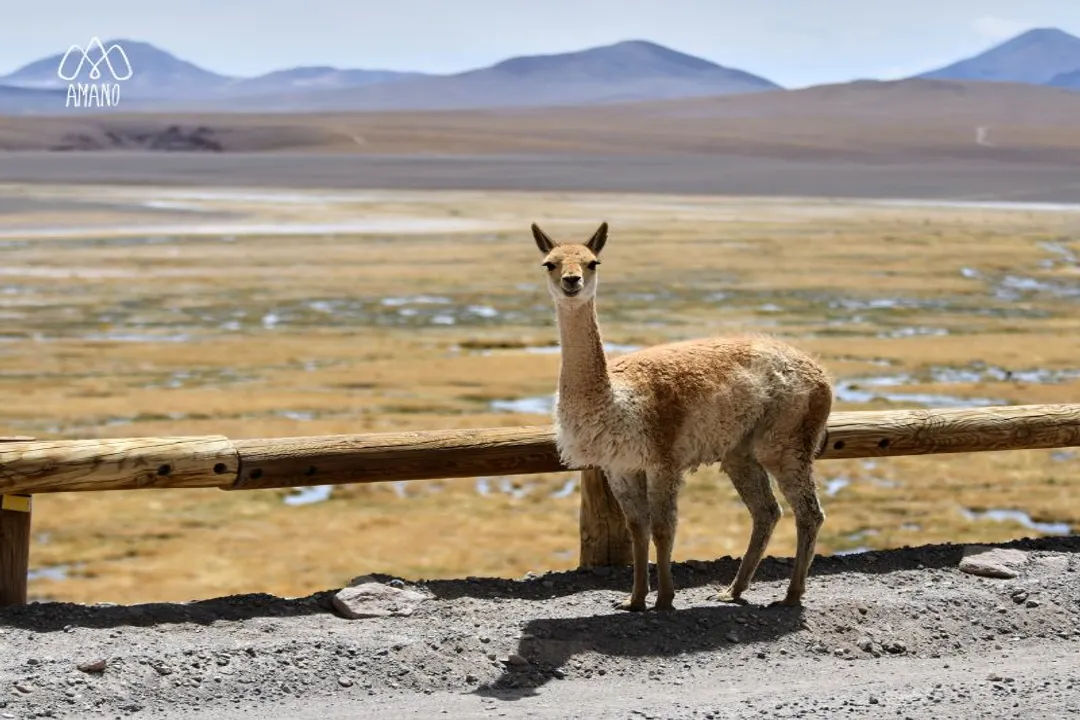
Pinpointing when the vicuña lineage separated from the guanaco lineage is a key part of its evolutionary history. Advanced genetic studies using DNA analysis have provided estimates for these deep evolutionary splits. [2][3] Research suggests that the divergence between the ancestors of the modern vicuña and guanaco populations occurred approximately 4 to 5 million years ago. [2][3] This timeline places their separation deep within the Miocene epoch, long before humans significantly influenced the region. [2] The genetic divergence between these two South American camelids is significant, reflecting a long period of independent evolution in distinct ecological niches. [6]
The separation is so ancient that the genetic distance between the guanaco and the vicuña is comparable to that between domestic cattle and the wild aurochs, underscoring their independent evolutionary paths over geological timescales. [2] This ancient split explains why, despite sharing high-altitude habitats, the two species have developed distinct physical characteristics and ecological behaviors. [1]

# Domestic Linkage
The evolutionary thread connecting the wild vicuña to one of the domesticated camelids is crucial for understanding the history of Andean agriculture. The alpaca, renowned for its exquisite fiber, is derived directly from the wild vicuña. [1][7][9] This link is strongly supported by genetic markers, indicating that the alpaca is essentially the domesticated descendant of the vicuña. [6] In contrast, the llama appears to be primarily descended from the guanaco. [1][6][7]
This differentiation in domestication suggests that early Andean peoples selectively bred these two wild camelids for different purposes, likely exploiting the vicuña's superior fiber quality to create the alpaca, while utilizing the guanaco's larger size for carrying burdens, resulting in the llama. [7][9] An interesting point arising from this genetic evidence is that while the alpaca is overwhelmingly vicuña-derived, some introgression from the llama lineage (and thus, the guanaco) did occur during domestication, meaning pure vicuña ancestry in modern alpacas isn't always absolute. [6] The estimated time for the domestication event itself—the split between the wild vicuña and the domestic alpaca—is much more recent, likely occurring thousands of years ago, long after the vicuña/guanaco split. [2]
A thought experiment for modern breeders could be to consider the genetic efficiency of this ancient split. If a breeder aims for maximum fiber fineness today, selecting for traits that minimize guanaco/llama introgression in an alpaca herd is essentially trying to push the domesticated line back toward its Vicugna wild-type characteristics, which evolved specifically for unparalleled thermal insulation in extreme cold. [5]
# High Altitude Design
The vicuña's evolution is inextricably linked to the extreme environment of the puna grasslands, typically found between 3,200 and 4,800 meters above sea level. [1][9] Surviving in these areas requires specific physiological adaptations to cope with low oxygen availability (hypoxia) and intense cold. [5]
One key evolutionary adaptation centers on its blood. Vicuñas possess an exceptionally high concentration of red blood cells, which significantly increases their blood's oxygen-carrying capacity, allowing them to thrive where other mammals struggle. [5] Furthermore, the hemoglobin structure in camelids, including the vicuña, is distinct, enabling more efficient oxygen binding and release at low atmospheric pressures compared to many other mammals. [5]
Another striking feature is the dentition. Unlike other ruminants, the lower incisors of the vicuña continuously grow, a trait shared with rodents. [1][9] This adaptation is thought to be necessary because the tough, abrasive grasses and tough ground cover they graze on wear down the teeth quickly. [1] This continuous growth mechanism ensures the animal maintains adequate grinding surfaces throughout its life, a necessary adaptation for surviving on the sparse, hardy vegetation of the high plateaus. [1][9]
The coat itself is a product of intense evolutionary pressure. The fine, soft fiber is extraordinarily insulating, helping the animal maintain a stable body temperature despite massive daily temperature fluctuations characteristic of the altiplano. [8] This dual layer—a fine inner coat and coarser outer hair—is what made the fiber so prized historically. [8] The animal's ability to forage efficiently on tough, low-nutrition grasses completes the package of an animal perfectly sculpted by its environment. [5][10]
# Population Dynamics
The evolutionary history of the vicuña hasn't just unfolded in deep time; recent history, marked by dramatic human interaction, has also shaped its current genetic makeup. Vicuñas were once abundant across vast areas of the Andes. [1] Following European contact, unsustainable hunting for their valuable fiber led to a catastrophic decline in their numbers throughout the 20th century. [1][8]
By the 1960s, the population had plummeted, bringing the species close to extinction, with estimates dropping to fewer than 10,000 individuals remaining. [1] This severe population bottleneck is a crucial, albeit recent, evolutionary event. When a species undergoes such a drastic reduction, it loses much of its genetic diversity. While conservation efforts have been remarkably successful—with populations rebounding significantly to over 350,000 by the early 2000s—the genetic consequences of that bottleneck remain. [1]
This recent history of intense selection (human hunting) followed by rapid recovery presents a unique case study in conservation genetics. While the species is no longer critically endangered, the genetic homogeneity resulting from the bottleneck might present challenges for long-term adaptation to new diseases or environmental shifts, compared to a population that maintained a broader ancestral gene pool. [1] Analyzing the genetic structure today can reveal the extent of this lost diversity versus the diversity maintained in isolated pockets. [3]
# Habitat Partitioning
The distinction between the vicuña and the guanaco, though genetically rooted millions of years ago, is maintained today partly through ecological separation. The vicuña occupies the higher, drier alpine grasslands, often between 3,500 and 5,500 meters. [1][9] Guanacos, while tolerant of high altitudes, generally prefer lower elevations, sometimes down to sea level, and occupy a much broader range of habitats, including deserts and scrublands. [1]
This habitat partitioning acts as a form of ecological isolation, reinforcing the genetic separation that began with their ancient divergence. [10] The vicuña’s specialized digestive system and reliance on short, high-quality grasses found only in the puna keep it tied to that high-altitude niche, whereas the guanaco’s more generalist diet allows it to exploit a wider variety of forage. [10] It’s worth noting that in areas where both species co-exist, such as in certain protected reserves, subtle behavioral differences in foraging patterns and social structure further minimize direct competition, ensuring that the ecological niches remain largely distinct, a testament to millions of years of evolutionary specialization. [10]
# Genetic Structure
Modern molecular techniques offer clear differentiation between the two wild species. Studies have successfully used genetic markers to distinguish the lineages, confirming the deep split discussed earlier. [3] Research into mitochondrial DNA (mtDNA) and nuclear markers consistently places the vicuña lineage as basal to the alpaca, and the guanaco lineage as basal to the llama. [6]
Specifically, one analysis comparing different South American camelid populations found distinct genetic clustering corresponding to species boundaries, even across different geographic regions where they overlap. [3] For instance, the vicuña populations across Peru, Bolivia, Chile, and Argentina show relatively high levels of connectivity but are genetically distinct from the guanaco populations in the same regions. [3]
The very existence of these genetically distinct populations, which managed to survive the severe pressures of the 20th century, speaks to the underlying evolutionary resilience of the species, even if their overall diversity was temporarily reduced. The ability of a species to maintain distinct but viable populations across a wide geographic range, even under intense hunting pressure, is a hallmark of a successful evolutionary lineage adapting to varied microclimates within the Andes. [1]
# Fiber Economics
While not strictly evolution in the biological sense, the selection pressure applied by humans on the vicuña’s fiber is a recent, powerful, and ongoing factor influencing the traits we observe today. The extreme fineness of vicuña fiber, which can be as low as 12 microns in diameter, is the reason for its historical persecution and current high value. [8]
Historically, killing the animal was the only way to obtain the fiber, leading to near-extinction. [8] The shift toward sustainable, live-shearing practices, governed by international agreements and local community involvement, means that only animals that survive the shearing process pass on their genes. [1] This fundamentally changes the selection pressure from "survival under predation" to "survival under controlled harvest." Genetic traits that allow an animal to remain calm and healthy during shearing, or that rapidly regenerate high-quality fiber post-shearing, could become subtly favored, creating a unique feedback loop between ecology and economic incentive. [8] This human-mediated selection, although recent, is now a major driver of trait expression in the surviving wild populations.
# Evolutionary Summary
The vicuña's evolutionary path is characterized by deep antiquity, extreme specialization, and recent near-disaster. Originating from a lineage that split from the guanaco ancestor millions of years ago, it evolved specific physiological machinery—like specialized hemoglobin and continuously growing incisors—to dominate the high Andean plateau. [2][5][9] Its genetic profile confirms its singular role as the sole wild ancestor of the alpaca. [6][7] The challenges faced in the last century, though severe, highlight the species' tenacity, demonstrating an evolutionary fitness that allowed pockets to survive the brink of extinction, providing the genetic foundation for the species' current comeback. [1]
The continued study of the vicuña’s genome offers more than just historical knowledge; it provides blueprints for understanding high-altitude survival and the genetics underlying fiber production, offering insights valuable to both conservation biology and sustainable animal husbandry. [5] The vicuña remains a powerful symbol of specialized adaptation in one of Earth's most unforgiving terrestrial environments. [9]
The final synthesis shows a clear branching: Vicuña Alpaca, and Guanaco Llama, with the Vicuña/Guanaco split being the foundational event millions of years prior. [2][6]
The species remains wild, retaining the adaptive edge its ancestors honed over eons, unlike its domesticated cousin, the alpaca, which trades some of that raw wilderness efficiency for fiber production benefits. [7] It is this adherence to its wild genetic programming, perfectly tuned to the puna, that defines the vicuña's enduring evolutionary success story. [10]
Related Questions
#Citations
Vicuña - Wikipedia
Ancient DNA reveals the lost domestication history of South ... - eLife
The genetic history of the vicuña and the guanaco revealed - News
Mitochondrial phylogeography and demographic history of the Vicuña
The Late Pleistocene distribution of vicuñas (Vicugna vicugna) and ...
Phylogeography and Population Genetics of Vicugna vicugna
Alpaca Evolution and Types
Vicuña: the golden fiber of the Andes, once worn only by history
Vicuna | Habitat, Diet, Lifespan, & Facts | Britannica
[PDF] Vicuña Ecology and Management