Is tree viper poisonous?
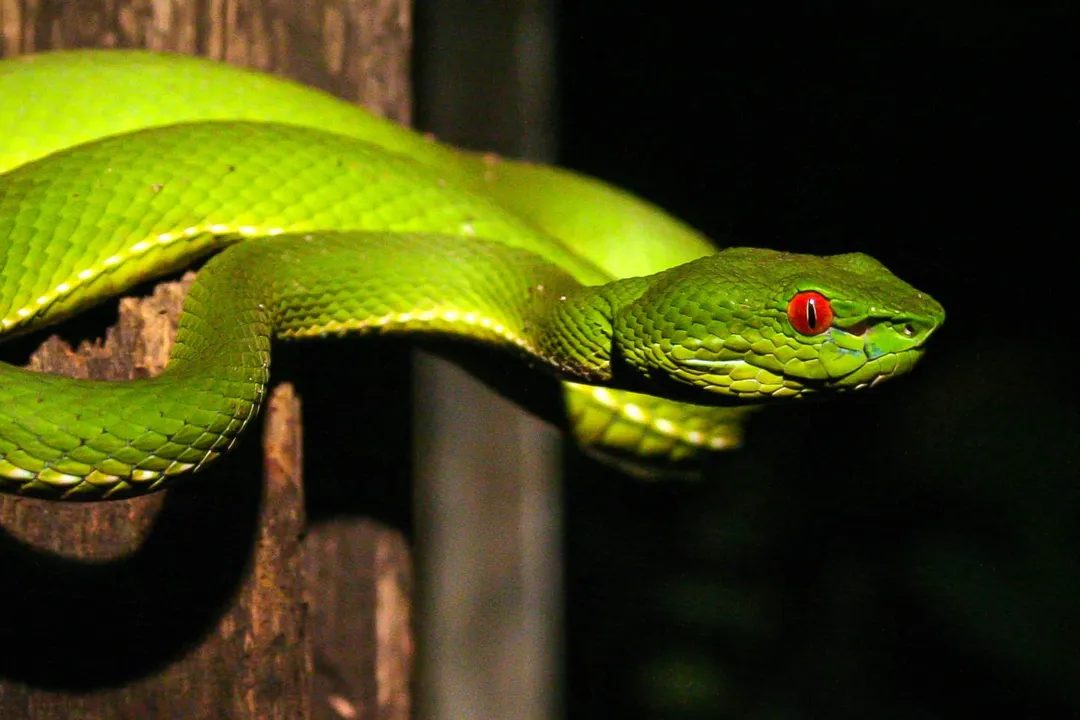
The snakes often referred to globally as "tree vipers" are certainly creatures demanding respect, primarily because the majority of species falling under this common name are classified as venomous, not poisonous. The distinction is important: poisonous animals deliver toxins passively (like through skin contact or ingestion), while venomous animals actively inject toxins, usually via a bite, which is the mechanism these vipers employ. When people inquire about the danger posed by a green tree viper, they are asking about the potency of its injected venom, and the answer, across many species, is a definitive yes. These reptiles, frequently belonging to the genus Trimeresurus (the Asian pit vipers), possess venom capable of causing significant localized damage and, in some cases, systemic health issues.
# Viper Terminology
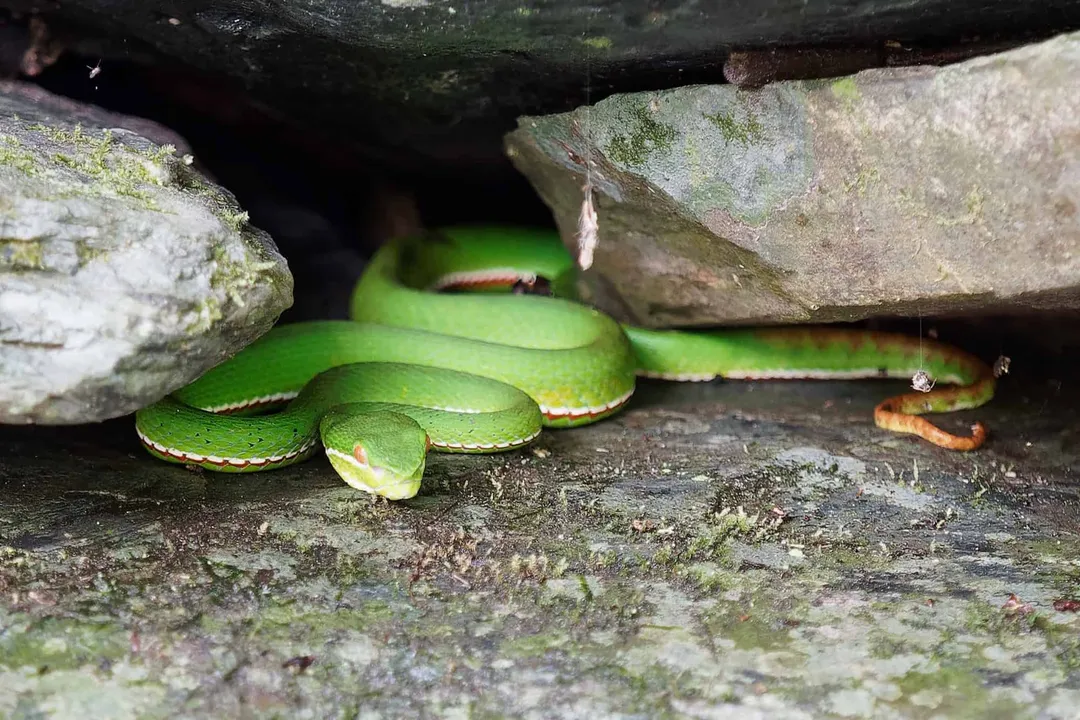
Understanding what a "tree viper" is requires looking at taxonomy. The term generally points toward arboreal or semi-arboreal species within the viper family, often specifically the pit vipers found throughout Asia. The Trimeresurus genus is a large group of such snakes, often characterized by their green coloration, which helps them camouflage high in the foliage. For instance, the White-lipped Tree Viper, scientifically known as Trimeresurus albolabris, is a well-known member of this group. Another commonly referenced snake is the Green Tree Pit Viper, which can cause concern for travelers visiting regions like Bali. Even the Chinese Pit Viper, or Trimeresurus stejnegeri, fits the description of a venomous, tree-dwelling viper found across a wide Asian range. While general guides might refer to any green, arboreal viper as a "tree viper," scientific discussions usually narrow the focus to these specific genera where medical significance is high.
# Physical Traits
Tree vipers typically share several identifying physical characteristics, though variations exist between the many species within the Trimeresurus group. Most are predominantly bright green, a coloration that provides excellent camouflage among leaves and branches. They are usually slender-bodied snakes, often with a distinct white or yellowish line running along their lower jaw or lips—a feature that gives the White-lipped Tree Viper its name. Like other pit vipers, they possess specialized loreal pits located between the eye and the nostril, which are heat-sensing organs that aid them in locating warm-blooded prey in low light conditions. Adult sizes can vary significantly; some sources indicate they may reach lengths of around $2.5$ to $3$ feet, though this is not universal across all arboreal vipers. The eyes often have vertically elliptical pupils, common among nocturnal or crepuscular venomous snakes, helping them control the amount of light entering the retina.
# Venom Effects
The venom delivered by these arboreal pit vipers is predominantly hemotoxic, meaning it primarily targets the circulatory system and surrounding tissues. For species like the Green Tree Pit Viper found in places like Bali, a bite results in immediate, severe local pain, swelling, and potential bleeding disorders. The venom can cause localized necrosis—the death of tissue—around the bite site, which necessitates immediate and expert medical attention. Medical literature underscores that bites from Trimeresurus species can result in significant morbidity if not treated promptly. While fatalities are rare when prompt medical care involving appropriate antivenom is sought, untreated or severe envenomations pose a serious threat to limb viability and life. It is worth noting that the clinical presentation can differ slightly based on the exact species involved and the amount of venom injected, but the danger remains consistent across the group.
If we look at the specific clinical data available for related species, for example, the effects of T. albolabris venom, studies have demonstrated the presence of metalloproteinases and phospholipases in the venom complex, which are enzymes known to break down connective tissue and disrupt blood clotting mechanisms. Considering the widespread geographic range of these vipers across Asia, an individual encountering one outside of a major metropolitan area might find immediate advanced medical care delayed; therefore, understanding the general profile of hemotoxic injury is crucial for initial response awareness.
# Habitat Context
The danger associated with tree vipers is amplified by their preferred environment. They are, by definition, adapted to life in trees or dense vegetation. This arboreal preference means that while they are certainly found in natural forest canopies, human encounters often occur in less wild settings than one might expect for a venomous snake. They can be found in low bushes, shrubs, or even around human dwellings, especially where vegetation is dense or overgrown. For example, in areas where Trimeresurus species are common, one might find them resting on low branches near agricultural fields or even in gardens adjacent to homes. This contrasts sharply with purely terrestrial vipers; the very nature of climbing places these snakes at eye or hand level for people working in yards or retrieving items from vegetation, creating a higher risk of accidental defensive strikes simply due to proximity.
# Specific Species Comparison
While many look similar, distinguishing between species is important for specific medical reporting, though generally irrelevant for immediate safety (assume all are dangerous).
| Species Name | Common Names | Key Identifying Feature (When Visible) | Primary Range Implication |
|---|---|---|---|
| Trimeresurus albolabris | White-lipped Tree Viper | Distinct white stripe along the upper lip/jaw | Found across South and Southeast Asia |
| Green Tree Pit Viper | (Various Trimeresurus species) | General bright green coloration, heat pits | Specific regional concerns (e.g., Bali) |
| Trimeresurus stejnegeri | Chinese Pit Viper | Often found in temperate to subtropical regions | Wide distribution across parts of East Asia |
It is fascinating to observe how similar the ecological niches are across various Trimeresurus species, leading to the generalized common name "tree viper." The visual similarity, especially among juveniles or those exhibiting color variation, makes field identification difficult, which is why local experts or herpetologists strongly advise against attempting close-range identification in the field. The very characteristic that makes them successful predators—their camouflage—is what makes them hard for humans to spot until contact is imminent.
# Safety Protocols
Given the venomous nature of tree vipers, prevention remains the single most important strategy. Anyone living in or visiting known habitats for these snakes should exercise extreme caution around dense foliage, tall grass, and low-hanging branches. When hiking or gardening in these regions, wearing sturdy, high-top boots and long trousers offers a basic layer of physical protection against accidental ground-level encounters, though this offers minimal defense against a snake coiled in a bush at face level.
A key piece of actionable advice for those living in areas where these snakes are common involves managing the immediate vicinity of residences. Regularly trimming back dense shrubbery near doorways and windows reduces the potential cover these snakes use to move into human-frequented areas. Furthermore, ensuring outdoor lighting is functional can sometimes deter nocturnal hunting behavior near brightly lit paths, though this is a passive deterrent rather than a foolproof method of exclusion. When a snake is spotted, the rule is simple: do not approach, do not attempt to capture, and do not attempt to kill it. Simply back away slowly and allow the animal to move away undisturbed.
In the unfortunate event of a confirmed bite from a tree viper, immediate action is critical. The primary focus must be on seeking professional medical care as quickly as possible. While older, unproven methods like cutting the wound or applying a tourniquet are sometimes mentioned, current medical consensus emphasizes prompt transport to a facility capable of administering appropriate antivenom. Keeping the victim calm and the bitten limb immobilized and below the level of the heart can help slow the venom’s systemic spread while transport is arranged. Local first responders or guides in endemic regions should be familiar with the location of the nearest medical center stocked with the required anti-venom for local pit viper bites.
Related Questions
#Citations
Tree Viper (Bamboo Viper) - Trimeresurus stejnegeri - A-Z Animals
Trimeresurus albolabris - Wikipedia
Green Tree Pit Viper - Venomous Snake in Bali
green tree viper - Students | Britannica Kids | Homework Help
Green Pit Viper?? : r/snakes - Reddit
White-Lipped Tree Viper (Cryptelytrops albolabris) Envenomation in ...
The White Lipped Tree Viper (Trimeresurus albolabris)
Vietnam poisonous snake of the day:The Bamboo Pit Viper or Indian ...
Chinese Green Tree Viper (Trimeresurus stejnegeri) - iNaturalist