What is the biggest wētā ever found?
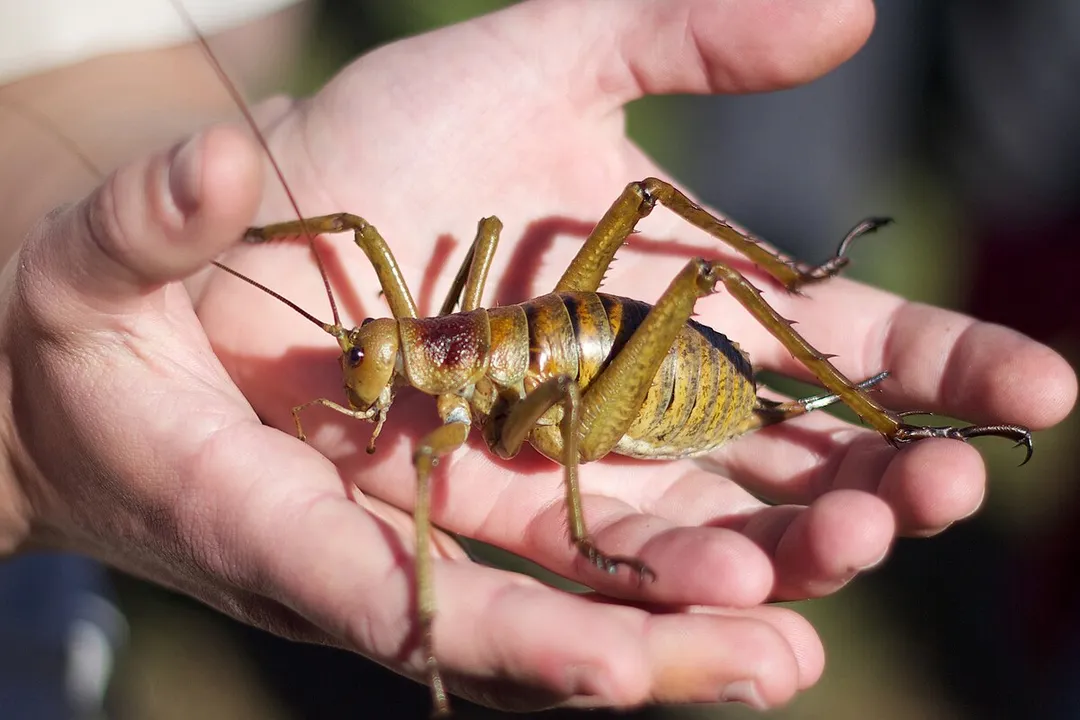
The title of the world’s biggest bug, when measured by sheer mass, often falls to a creature native only to New Zealand: the giant wētā. These remarkable invertebrates, which evolved in the absence of terrestrial mammals, are famous for their impressive size, especially certain species within the Deinacrida genus. [1][5] When the question of the "biggest" arises, it usually boils down to a contest between weight and physical span, but one particular record solidifies the wētā's place at the top of the insect weight class. [4][6]
# Heaviest Insect
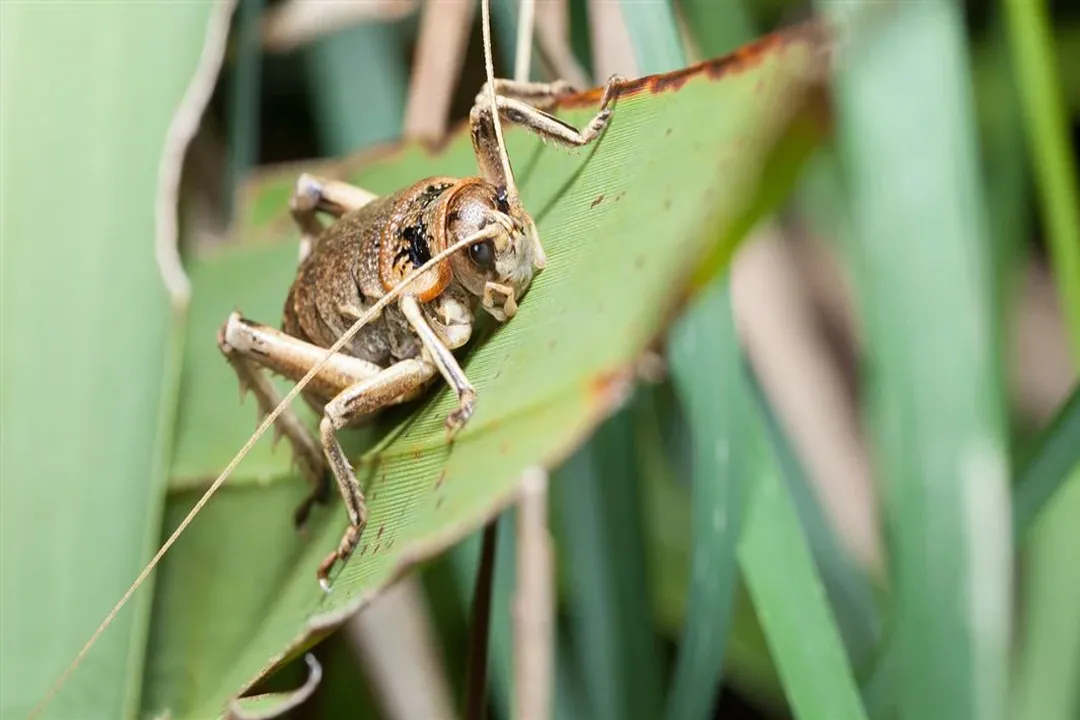
The Guinness World Records recognizes the heaviest insect ever documented as a giant wētā, specifically the species Deinacrida heteracantha, commonly known as the Little Barrier Island giant wētā or wētāpunga. [6] This particular record-holding specimen was found on Little Barrier Island (Hauturu). [1][5] While the exact weight of the most famous recorded individual often circulates in various sources, the benchmark set for the world’s heaviest insect is frequently cited around 71 grams. [6][9] This astonishing weight places it significantly heavier than many other contenders for the title of "biggest bug". [4] For instance, some sources note that the heaviest recorded wētā specimen weighs more than a common sparrow. [7] To put that mass into perspective—a weight of 71 grams is comparable to a small rodent, like a mouse, making the wētā’s bulk truly exceptional for an insect. [1]
It is worth noting that the World Record Academy also confirms a record for the heaviest insect held by the Giant Weta, establishing its status as a world record holder. [9] However, it is important to remember that records can be specific. While the wētāpunga holds the heaviest title, other insects, such as certain stick insects, might surpass it in length or wingspan. [7]
# Species Context
The creature that achieved this monumental weight belongs to the Wētāpunga, one of several species classified as giant wētā. [5] The genus Deinacrida contains numerous large species endemic to New Zealand, with the Wētāpunga specifically restricted to the predator-free sanctuary of Hauturu/Little Barrier Island. [1][5] These insects are flightless and primarily nocturnal, spending their time foraging in the forest undergrowth. [5]
When discussing the size of these giants, sexual dimorphism plays a substantial role. Female giant wētā are typically larger and heavier than their male counterparts, often due to the considerable investment required to produce large clutches of eggs. [5] Therefore, the record-holding specimens are almost invariably females, as their internal biomass contributes significantly to the measured weight. [5] This means that the 71-gram figure represents a mature female at peak condition, rather than an average adult weight. [1]
# Other Giants
While the Wētāpunga holds the weight crown, the term "giant wētā" covers a range of massive insects, some of which are nearly as heavy or impressive in other dimensions. [7] For example, the Little Barrier Island Wētāpunga can have a body length approaching 10 centimeters. [5] Another contender for massive size, though not always the recorded record-holder for weight, is Deinacrida fallai, the Māori name for which is not consistently applied across all references, but it is another very large species. [1][7] The sheer variety of Deinacrida species across New Zealand's islands demonstrates an evolutionary pathway where the absence of mammalian predators allowed insects to fill niches usually occupied by small reptiles or birds. [5]
The fact that these insects can reach such sizes relates directly to their ancient lineage. Wētā are related to grasshoppers and crickets but have evolved independently for millions of years on the isolated landmass of Aotearoa. [7] This isolation provided the necessary stability for such significant gigantism to occur without the pressure of mammalian predation that kept insect sizes in check elsewhere. [5]
# Measuring "Biggest"
When discussing the "biggest" insect, it is helpful to establish clear metrics, as a single measurement fails to capture the full picture of insect morphology. [7] Three primary metrics are generally considered:
| Metric | Record Holder Example | Typical Measurement Context |
|---|---|---|
| Mass (Weight) | Giant Wētā (D. heteracantha) | Heaviest recorded specimen (approx. 71g) [6][9] |
| Length | Certain Stick Insects (Phasmatodea) | Body length from head to abdomen tip [7] |
| Wingspan | White-limbed Giant Wētā or Goliath Beetle | Measured from wingtip to wingtip [7] |
The wētā’s claim rests squarely on mass. [6] Its heavily armored, robust body structure is built for sheer density, unlike the relatively lightweight, spindly bodies of the longest stick insects. [7] Considering the typical diet and lifestyle—scavenging and eating fallen fruit—this bulk is a survival mechanism in a niche where sheer physical presence can deter smaller competitors. [5]

# Conservation Efforts
The existence of the record-holding Wētāpunga is intrinsically linked to conservation success. [5] The species is classified as endangered, primarily due to habitat loss and the introduction of invasive predators like rats and stoats to mainland New Zealand. [5] The fact that the largest specimens are found on Hauturu/Little Barrier Island underscores the effectiveness of these predator-free sanctuaries in allowing native fauna to reach their full, evolutionary potential. [1][5] Without strict biosecurity measures protecting these island havens, such massive, slow-reproducing insects would likely be pushed toward extinction. [5] The observation of these giants serves as a biological indicator of a successfully protected, functioning native ecosystem.
These insects represent a unique branch of the global insect tree, and understanding the upper limits of their size—as demonstrated by the heaviest recorded wētā—is vital for ongoing research into island biogeography and evolution in isolation. [7] The massive insect is more than just a curiosity; it is a tangible piece of New Zealand's ancient natural heritage, preserved by dedicated management efforts. [5]
Related Questions
#Citations
Giant wētā - Wikipedia
Giant weta is one of the biggest insects - Facebook
Giant Weta This Insect Is HUGE! - YouTube
New Zealand Giant Weta - Contender for Worlds Biggest Bug Status
Giant wētā/wētāpunga - Department of Conservation
Heaviest insect | Guinness World Records
Introducing the Aotearoa endemic wētā - a group of large, flightless ...
Heaviest insect - World Record Academy