Does aardwolf have food?
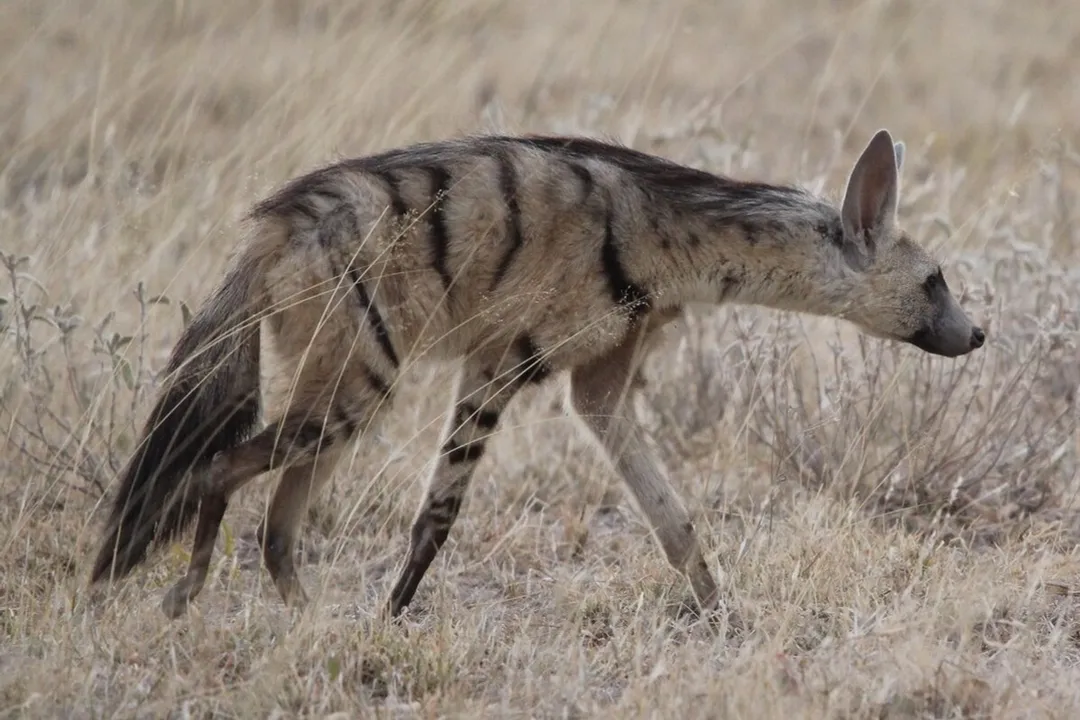
The aardwolf, often mistaken for an aardvark due to its name and appearance, possesses one of the most specialized diets among the world’s carnivores, centering almost entirely around insects. [3][4] While bearing the family name Hyaenidae, sharing lineage with species like the spotted hyena, the aardwolf’s menu offers a stark contrast to the large prey favored by its relatives. [3][8] These unique feeding habits dictate much of the animal’s nocturnal behavior and ecological role across its Southern and Eastern African range. [1][7]
# Termite Specialist
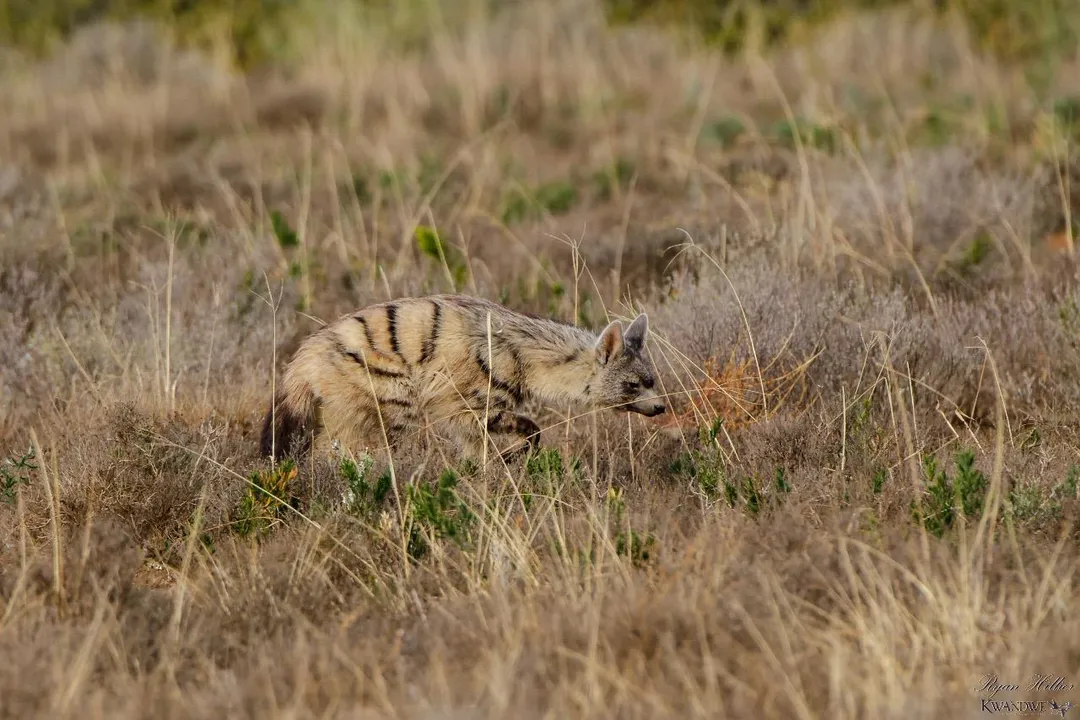
The vast majority of the aardwolf’s nutritional intake comes from a single food category: termites. [1][8] Specifically, they target certain species, showing a marked preference for the Trinervitermes genus. [8] This preference is crucial because these particular termites live in vast colonies and forage in large groups above ground, making them accessible to the aardwolf. [1]
An individual aardwolf can consume an astonishing quantity of these insects during a single night of foraging. Estimates suggest that a single animal might consume up to 250,000 termites in one session. [1][3] This staggering number underscores their dependence on this food source; they are highly efficient, if specialized, predators of social insects. [4] Their diet is primarily composed of these termites, with other insects forming only a very small percentage of their overall intake. [8]
This intense focus on termites means the aardwolf is classified as an insectivore, although this term often implies a broader intake than what this animal actually consumes. [4] They are perhaps better described as social insectivores due to their dependence on colonial prey. [4]
# Licking Habits
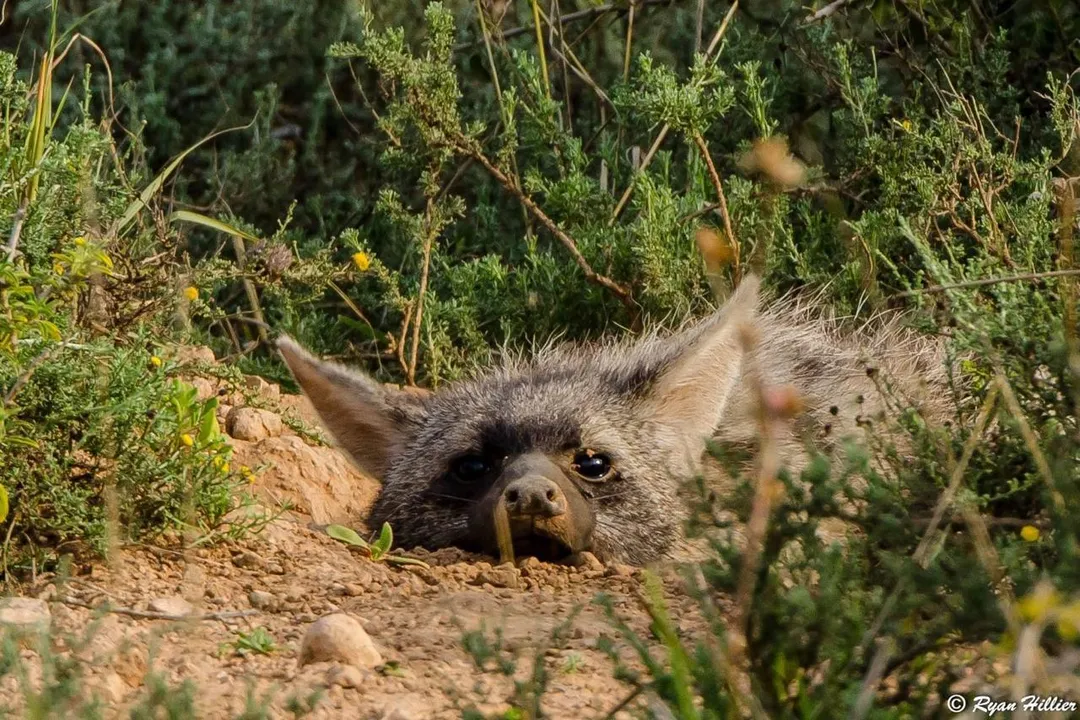
The method by which the aardwolf acquires its massive meal is as unique as the meal itself. They are not known for destructive digging or aggressive hunting; instead, they rely heavily on their acute sense of smell to locate termite foraging trails or active mounds. [6][8] Once located, the aardwolf deploys a long, sticky tongue, sometimes reaching up to 30 centimeters in length, to rapidly lick up the exposed insects. [1]
A fascinating aspect of their foraging technique, which speaks to long-term food security, is their restraint. Aardwolves know not to destroy the entire termite mound when feeding. [2] They typically feed only on the surface activity or use their relatively weak jaws to nip at the periphery of the foraging column. [2] If they were to breach the main structure, they would destroy their future food supply. [2] This behavior suggests an innate understanding of resource sustainability within their immediate environment.
Considering the sheer volume consumed—hundreds of thousands of insects nightly—one might assume they tear apart structures, but their anatomy is not suited for heavy excavation like that of the aardvark, which they superficially resemble. [3] Their physical attributes, including powerful noses for scent tracking, are perfectly adapted for locating and rapidly consuming these soft-bodied, abundant surface foragers. [6]

# Scare Food
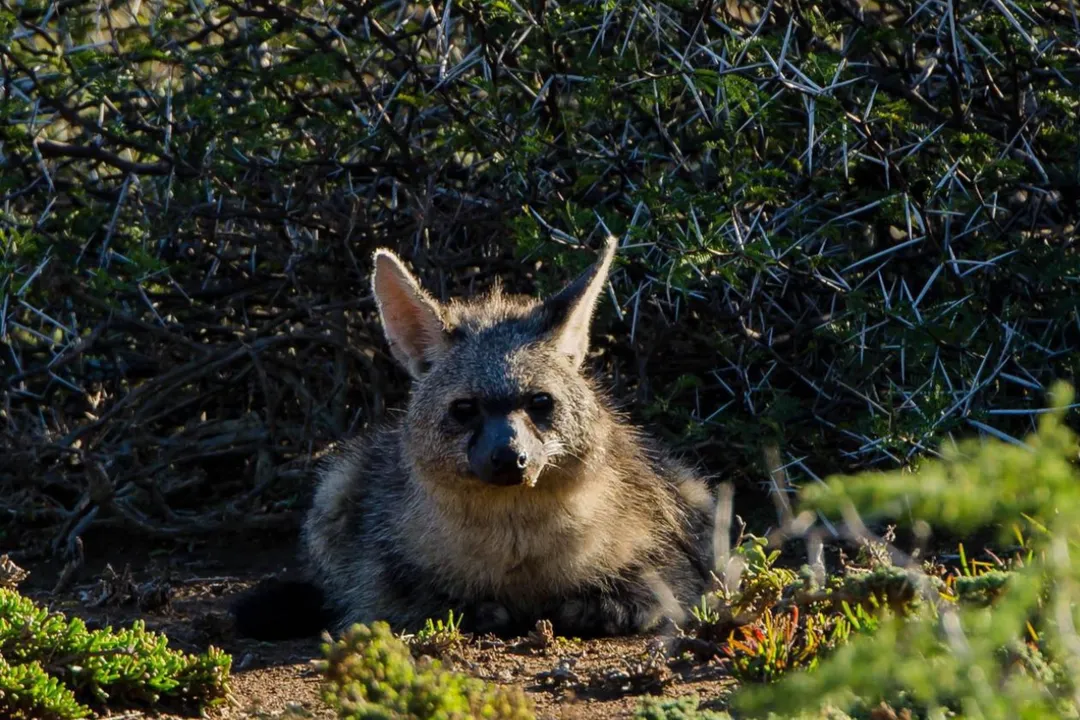
While termites form the foundation of the aardwolf diet, sometimes environmental conditions necessitate a shift, however minor. [8] In periods where termites are less available, or perhaps when the specific Trinervitermes species are not actively foraging above ground, the aardwolf supplements its diet with other small food items. [1][8]
This fallback menu is generally composed of other soft-bodied invertebrates. [1] This can include things like insect larvae, beetles, or other available arthropods. [8] In rarer instances, they may consume small vertebrates, such as rodents, or even bird eggs. [1][8] However, these occurrences are infrequent, usually only when the primary food source is exceptionally difficult to find. [1] The low energy and protein content of their main diet means they are biologically adapted to surviving on lower-quality meals, rather than needing large, energy-dense kills like a spotted hyena. [8] The ability to subsist on whatever small, ground-dwelling invertebrates they can find, even if minimal, is what allows them to persist across their arid and semi-arid habitats. [4]
A practical consideration for land management in areas where aardwolves reside involves understanding this reliance. For instance, if a habitat experiences a sudden, severe drought that wipes out surface-foraging insects for an extended period, the local aardwolf population faces a genuine crisis, as their ability to switch to larger prey is virtually non-existent. [8] This hyper-specialization makes them sensitive indicators of localized insect biodiversity.
# Hyena Cousin
The aardwolf’s place in the mammalian family tree is often obscured by its appearance and diet, leading to confusion with the aardvark. [3] Scientifically, the aardwolf belongs to the family Hyaenidae, making it a true hyena, albeit one that evolved down a highly specialized evolutionary path distinct from its larger cousins. [4]
The difference in diet creates a fundamental divergence in behavior and social structure compared to other hyenas. Spotted hyenas hunt large ungulates, requiring immense energy output and often leading to complex, social group dynamics to secure and defend large kills. [3] Because the aardwolf’s food—termites—is available in large quantities across many locations, and provides low energy per insect, they do not require group hunting or large territorial defense against competitors for meat. [8]
Their physical characteristics reflect this divergence. They are smaller and more slender than other hyenas, possessing specialized teeth adapted for crushing insect exoskeletons rather than tearing flesh and bone. [1] Their muzzle is elongated to better facilitate their licking technique. [6] Observing an aardwolf at night, one sees a creature focused on meticulous, low-intensity feeding, which stands in sharp contrast to the often dramatic, high-stakes scavenging and hunting observed in spotted hyena clans. [7]

# Low Energy Survival
The aardwolf's dietary profile—consuming hundreds of thousands of low-energy insects daily—presents an interesting biological constraint. To meet their energy needs, they must forage continuously throughout the night, often traveling significant distances while feeding. [8] This contrasts sharply with a large carnivore that secures a massive meal once or twice a week.
This consistent, low-yield foraging strategy underpins their generally solitary nature. [8] While they form mated pairs and live in dens, the actual feeding is a solo endeavor, as a group would simply compete inefficiently for the same localized termite trails. [5] Their need for continuous, low-effort harvesting explains their strictly nocturnal schedule; they emerge after sunset when termites are most active and retreat before dawn to conserve energy and avoid daytime predators. [1][7]
For ecologists studying African savannas, the aardwolf represents a fascinating case study in niche partitioning. While many predators compete for the medium to large mammals, the aardwolf has secured a virtually uncontested niche in the consumption of a biomass source—termites—that is massive in quantity but low in individual energy value, sustaining a specialized mammal predator without challenging the caloric supremacy of the larger carnivores. [8] This specialization means that while they are not in direct competition with lions or leopards for gazelles, they are intrinsically linked to the health and activity cycles of the subterranean insect world. [6]
Related Questions
#Citations
Aardwolf - Wikipedia
TIL The aardwolf knows not to destory its food sources. Aardwolves ...
Meet the Aardwolf: Africa's Termite-Eating Hyena
Aardwolf - Facts, Diet, Habitat & Pictures on Animalia.bio
The Termite-Eating Hyena! A Shy, Stripy Survivor! Meet the Aardwolf ...
A Rare Sighting:Our Afternoon with an Aardwolf - Kwandwe
[PDF] Aardwolf (Proteles cristata)
Aardwolf Facts For Kids | AstroSafe Search - DIY.ORG