How rare is an aardwolf?
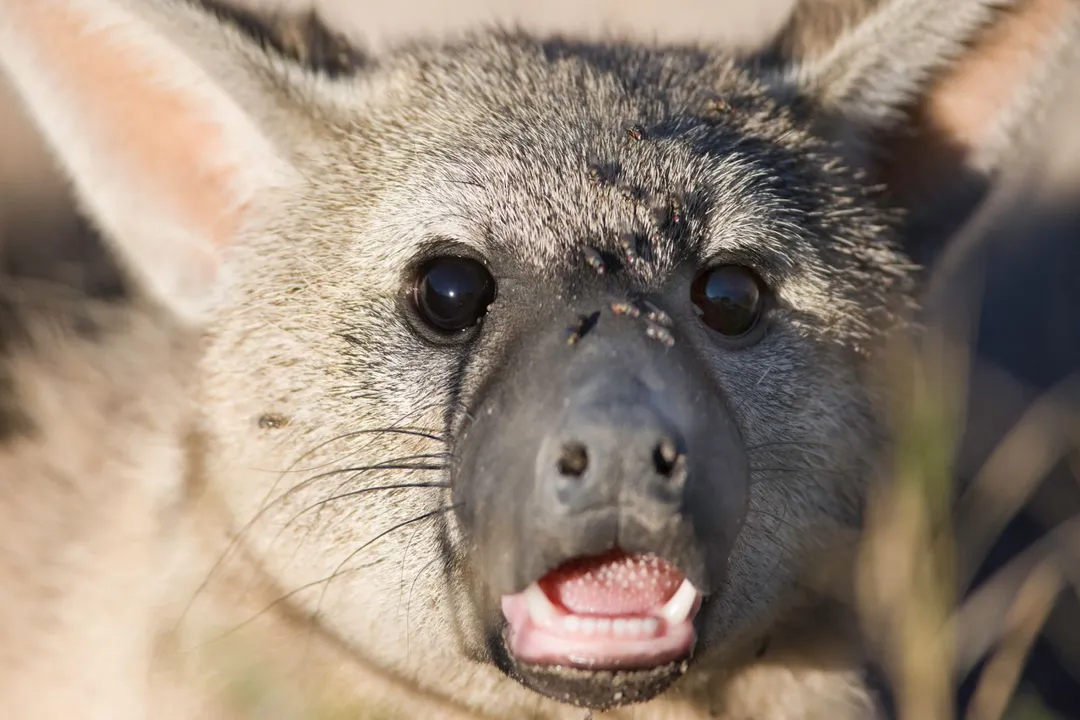
The aardwolf, Proteles cristata, occupies a strange and specialized corner of the mammalian world, often surprising people who first learn it is related to the powerful hyena family. [1][6] Unlike its larger cousins, which are renowned for scavenging or hunting substantial prey, the aardwolf is a master of insectivory, making its existence quiet and specialized. [1] This specialization is directly linked to its relative scarcity in human observation and data collection. While the exact numerical rarity remains a subject of focused study—often implied by conservation concern rather than quantified in easily accessible figures—the animal’s habits paint a picture of an inherently difficult species to track and count. [5]
# Hyena Cousin
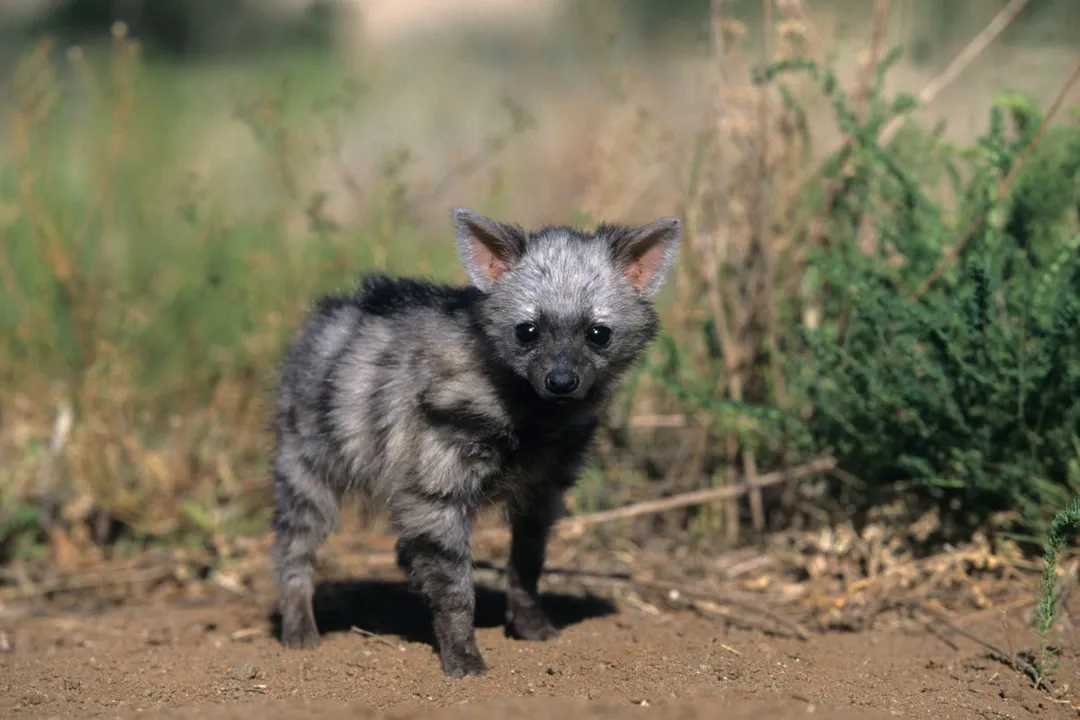
To understand the aardwolf’s status, one must first appreciate its unique classification. It is classified as a hyena, yet its physical form and lifestyle diverge sharply from the spotted or brown hyenas we might picture. [1] The aardwolf is nocturnal, preferring to move about under the cover of darkness. [3][5] This alone reduces the frequency with which casual observers or even dedicated field researchers might encounter it, contributing to a perception of rarity. [5] Furthermore, its commitment to a single, low-calorie food source sets it apart entirely from the opportunistic, large-prey diet of other hyenas. [1]
# Termite Consumption
The heart of the aardwolf’s survival strategy lies in its dedication to termites. [1] An adult aardwolf consumes an astonishing number of these insects nightly; estimates suggest they can lap up around 250,000 termites, or sometimes even up to 300,000, in a single evening. [1][3] This impressive feat is accomplished using a long, sticky tongue. [8] Critically, the aardwolf exhibits remarkable ecological restraint; it knows better than to destroy the entire colony it feeds from. [2] Instead, they lick the insects from the surface of the mound, ensuring a sustainable food supply night after night. [2]
It is interesting to consider how this extreme specialization affects our assessment of its population health. For large carnivores, conservation often revolves around monitoring vast tracts of savannah to ensure prey populations are sufficient. [4] For the aardwolf, however, the health metric shifts to the density and sustainability of specific insect colonies across its range. A thriving aardwolf population implicitly signals a healthy, undisturbed subterranean insect ecosystem—a component of biodiversity rarely factored into broader species status reports. [9] This reliance on specific, non-mobile food sources means localized environmental disturbance could impact them far more rapidly than habitat loss affecting a more generalized predator.

# Elusive Presence
The designation of the aardwolf as a "rare nocturnal animal" is accurate based on its behavior, even if definitive population counts are elusive. [5] They are generally solitary outside of mating season and use abandoned aardvark burrows or shallow scrapes as dens during the day. [4] This combination of nocturnal activity, solitary nature, and reliance on cryptic dens means that population estimates, even by experts studying the Aardwolf Project, require intensive, targeted field efforts rather than passive observation. [9] If a species is active only when humans are generally asleep, its perceived rarity is often a reflection of our own limited visibility rather than a true scarcity on the ground.
We can draw a comparison here to how we measure rarity across different ecological guilds. Consider the Cape Mountain Zebra, whose rarity is defined by the limited, high-altitude terrain it can inhabit. The aardwolf’s rarity, by contrast, is defined by its behavioral niche—it occupies the same general habitat as other mammals but only operates during the hours when the visual landscape is most obscured. [3] This means that two perfectly healthy populations could exist side-by-side on a map, yet one might be documented extensively while the other remains virtually invisible simply due to differences in observer scheduling.
# Conservation Efforts
The fact that dedicated efforts exist specifically for the aardwolf underscores the recognition that its survival requires attention. [4][9] These conservation initiatives often focus on habitat preservation and mitigating human conflict, which can arise when misunderstandings about the animal’s harmless nature lead to persecution. [4] Because they do not compete with livestock or prey on domestic animals—their diet being almost exclusively termites—the primary threats are often indirect, stemming from pesticide use that decimates their food base or the destruction of suitable burrow sites. [1][9]
Understanding the aardwolf’s limited geographic tolerance, which spans from eastern Africa down to Southern Africa, is essential for effective management. [4] For instance, in an area where termite species A is prevalent, the aardwolf might thrive; if a land manager introduces a broad-spectrum insecticide targeting "pests," that single action could collapse the food availability across acres, effectively starving the local aardwolf population without ever spotting the animal itself. [9]
# Population Stability
While the aardwolf is noted for its specialized niche, it is important to recognize that its population status can vary significantly between regions. [4] In some areas, they may be locally common where environmental conditions and termite abundance align perfectly with their needs. In other regions, they might be absent or exceedingly scarce due to unsuitable soil conditions, excessive light pollution disrupting their nocturnal cycles, or simply a lack of suitable denning sites. [4] This patchiness adds complexity to determining overall rarity; an area deemed "free" of aardwolves might simply be an area poorly suited to their specific requirements, not an area where the species has gone extinct. The maintenance of abandoned aardvark burrows, which the aardwolf relies upon for shelter, is an often-overlooked requirement for maintaining local aardwolf density. [4] This dependence on another species’ infrastructure highlights an intrinsic fragility in its living arrangement that makes it more vulnerable to broader ecosystem changes than one might initially assume for a creature so perfectly adapted to its primary food source.
Related Questions
#Citations
The aardwolf (Proteles cristata) is a species of hyena that does not ...
TIL The aardwolf knows not to destory its food sources. Aardwolves ...
Aardwolf: The weirdo hyena cousin that eats 300,000 termites each ...
Aardwolf | One Of The Rarest Animals At Shamwari Game Reserve
Aardwolf | GavenLovesAnimals' Animal Kindom Wiki | Fandom
Aardwolf animal facts and habits - Facebook
Aardwolf Project | TPFECF