Is a swan just a white goose?
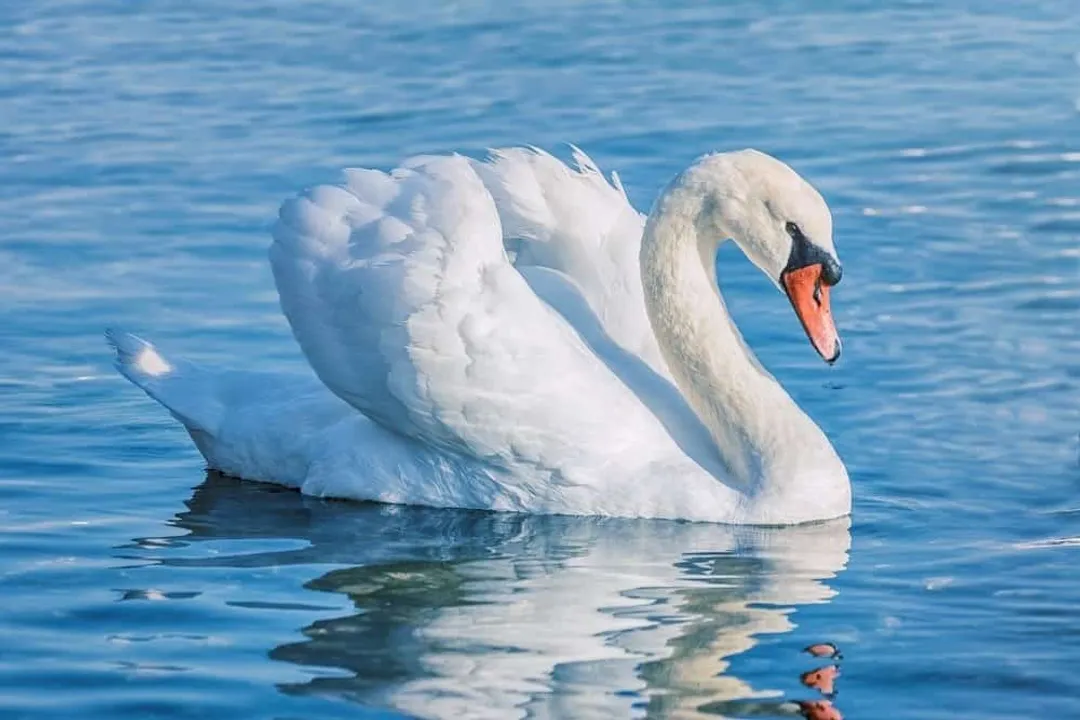
The large, white waterfowl gliding across a pond might easily be mistaken for a goose by the casual observer, especially when color is the primary identifier. However, swans are not simply large, white geese; they represent distinct groups within the avian world, separated by significant differences in anatomy, behavior, and scientific classification. While both belong to the family Anatidae—the group that also includes ducks—their evolutionary paths diverged, resulting in two unique genera that share some general characteristics of large, long-necked aquatic birds. To lump them together based on general appearance overlooks the subtle yet definitive markers that ornithologists use to tell them apart.
# Body Size
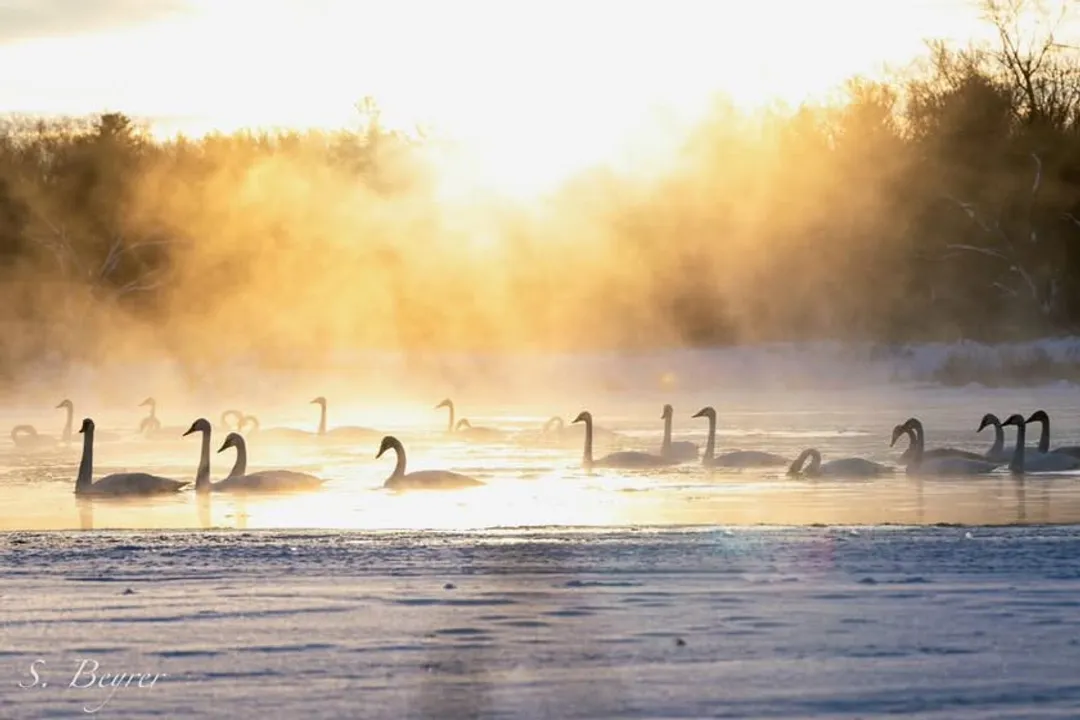
One of the most immediate physical distinctions lies in sheer scale. Swans are, almost universally, the largest members of the waterfowl family. Generally, a swan will outweigh a comparable goose species by a noticeable margin. For instance, the Mute Swan, a common sight in many areas, is significantly heavier than many domestic or wild goose varieties. This difference in mass contributes to their majestic presence on the water. While geese can certainly be substantial birds, they typically maintain a stockier, more compact build when compared side-by-side with a swan of similar geographical location.
# Neck Length
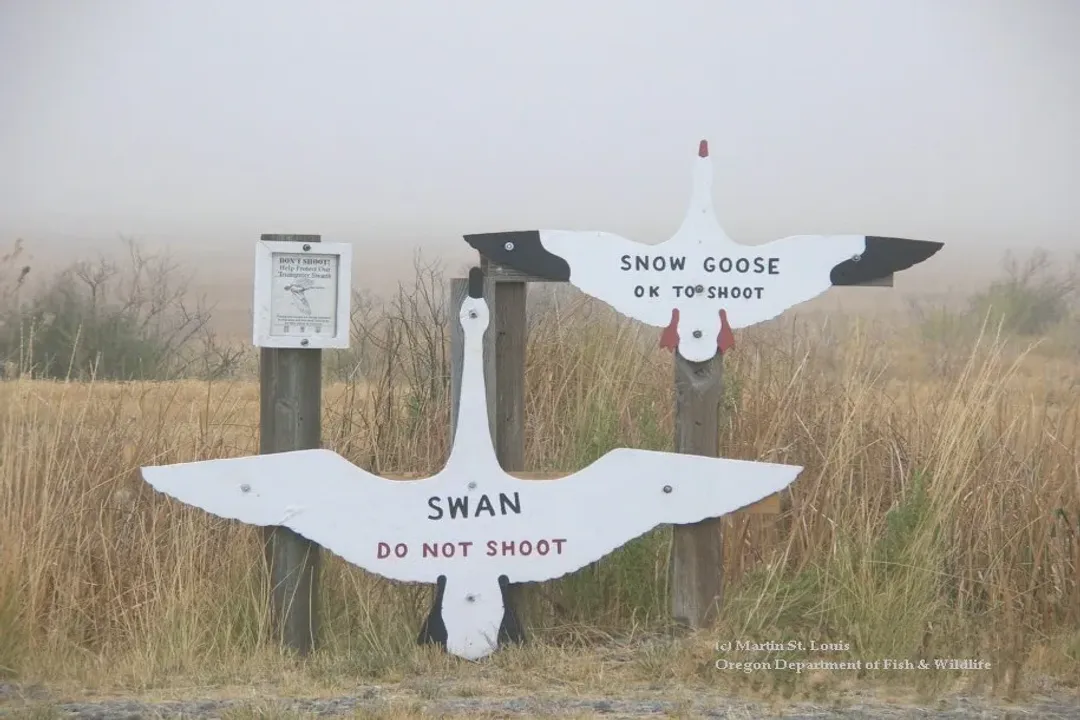
Perhaps the most defining visual characteristic separating the two groups is the neck. Swans possess necks that are proportionally much longer relative to the rest of their body size when compared to geese. Geese have shorter necks, leading to a more compact profile when floating. This elongated neck in the swan allows it to reach submerged vegetation in deeper water than most geese can access easily. Furthermore, if you get a close enough look at certain swans, like the Mute Swan, you might observe a prominent knob or basal swelling at the base of the bill, a feature rarely seen on geese.
When observing these birds from a distance, especially when they are swimming, it is useful to note how they hold their necks in the water. Geese often sit lower in the water and keep their necks relatively retracted, whereas swans tend to hold their necks in a more upright, elegant posture, often forming an S-curve. This difference in posture, dictated by the skeletal structure, reinforces the visual separation between the two types of waterfowl.
# Vocal Style
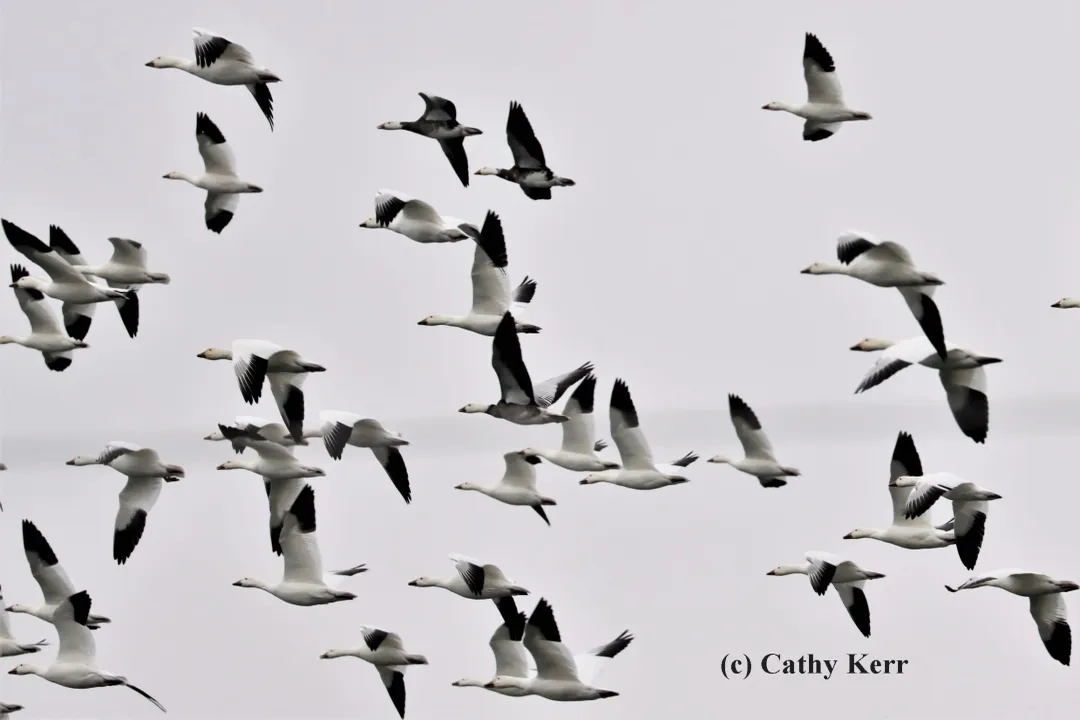
Moving from structure to sound offers another reliable way to differentiate the two species. Geese are famous for their loud, distinct honking calls, which they often use aggressively or as communication signals within the flock. Swans, on the other hand, produce notably quieter sounds. While they do make noise, swans are often described as hissing, grunting, or making softer calls. The famous Trumpeter Swan, for example, produces deep, bugle-like calls rather than the sharp honks associated with geese. This difference in acoustic signaling reflects their distinct social structures and territorial defense mechanisms.
# Taxonomic Roots
The most concrete distinction lies in their scientific grouping. Although they share the same family, Anatidae, swans and geese belong to different tribes within the subfamily Anserinae. Swans are members of the tribe Cygnini, while geese belong to the tribe Anserini. This means that while they are close cousins, they are not interchangeable types of the same group; they evolved along separate lines within the waterfowl lineage. This evolutionary separation explains why hybridization between swans and geese is rare or produces infertile offspring, underscoring their status as distinct biological entities.
# Feeding Ecology
The anatomical differences—especially neck length and leg structure—translate directly into varied feeding strategies, which is an interesting aspect of their ecology. Geese are generally grazers, spending a significant amount of time feeding on grasses and terrestrial vegetation near the water's edge or even on land. Swans, owing to their longer necks and longer legs which allow them to stand taller in shallow water, can access submerged aquatic plants more effectively. If you notice a large waterfowl standing upright, often with its tail pointed skyward while dipping its head underwater to graze on bottom vegetation, you are almost certainly observing a swan engaged in dabbling behavior, a niche less frequently occupied by geese.
To summarize the key markers in a comparative format helps illustrate just how specialized these two types of waterfowl are:
| Feature | Swan | Goose |
|---|---|---|
| Size | Generally larger and heavier | Generally smaller and stockier |
| Neck | Proportionally very long; often S-curved | Shorter relative to body size |
| Sound | Hissing, grunting, or bugling | Distinct, loud honking |
| Bill Feature | May possess a basal knob (e.g., Mute Swan) | Lacks prominent bill knob |
| Taxonomy | Tribe Cygnini | Tribe Anserini |
# Temperament Variations
Beyond the physical and vocal differences, observers often note distinct behavioral patterns. Swans, particularly when nesting or protecting cygnets, are widely regarded as more temperamental and aggressively defensive than many common goose species. While geese can certainly be territorial and defensive, the aggressive posturing and direct confrontation displayed by a swan protecting its space is often more intimidating. They hold themselves with a certain regal confidence, which might lead some to describe them as graceful, yet this grace can quickly transition into fierce protection of their territory or young.
It is interesting to consider how often the public associates whiteness with grace or purity in birds, leading directly to the initial confusion. Since the most familiar swans in many parts of the world (like the Mute Swan) are strikingly white, they become the default mental image for a "large, elegant waterfowl," overshadowing the reality that not all swans are white—some species, like the Black Swan, are entirely different in coloration—and not all white waterfowl are swans. The difference truly rests on the subtle anatomical cues developed over millennia of separate evolution, not merely the hue of their feathers.
#Videos
Ducks, Geese, and Swans: What's the Difference? - YouTube
Related Questions
#Citations
Goose vs Swan: 4 Key Differences Explained - A-Z Animals
What's the difference between a swan and a goose? : r/biology
Swan - Wikipedia
Similar Species and Hybrids - Trumpeter Swan Society
What bird is a white goose or swan? - Facebook
Goose vs. Swan: Distinguishing Between Long-necked Birds
How Swans Differ from Geese: Differences in Behavior & Anatomy
Swans, Ducks, and Geese | Oregon Department of Fish & Wildlife
Ducks, Geese, and Swans: What's the Difference? - YouTube
What is the difference between a goose and a swan? Why ... - Quora