How venomous is a Bamboo Pit Viper?
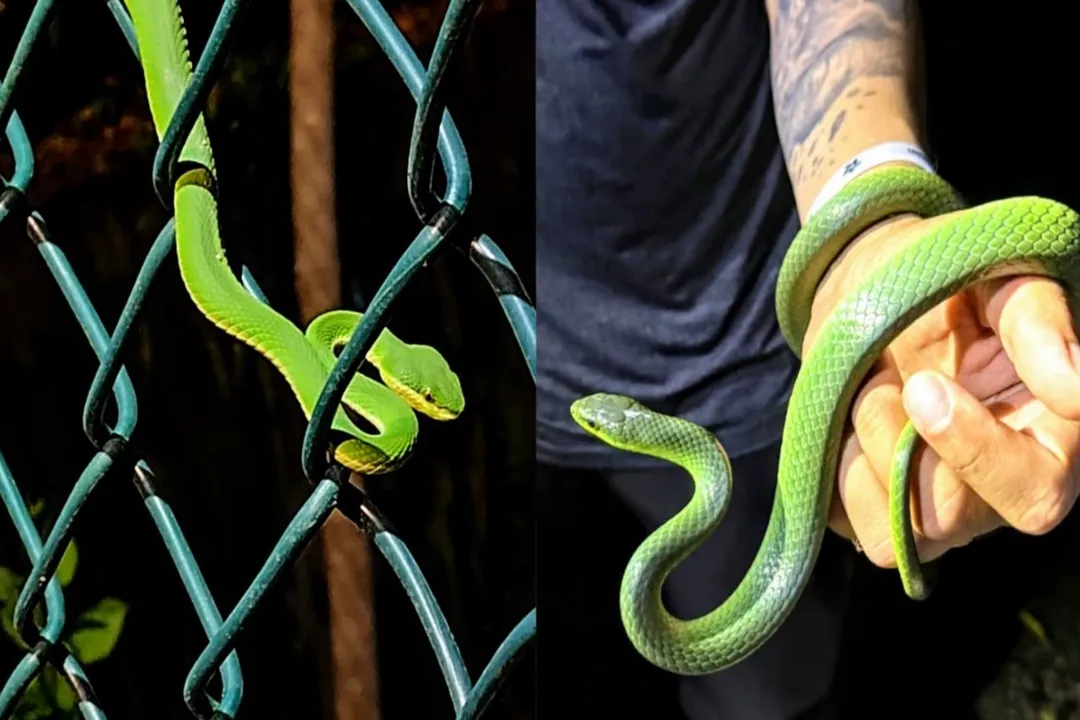
The question of harm following an encounter with a Bamboo Pit Viper is best answered by looking closely at its venom profile and the clinical outcomes reported after envenomation. These snakes, scientifically classified under genera such as Craspedocephalus gramineus or closely related species like Trimeresurus stejnegeri depending on the precise location in Asia, possess venom that demands respect, even if it is not typically classified as immediately lethal to healthy adults. [1][7]
# Venom Profile
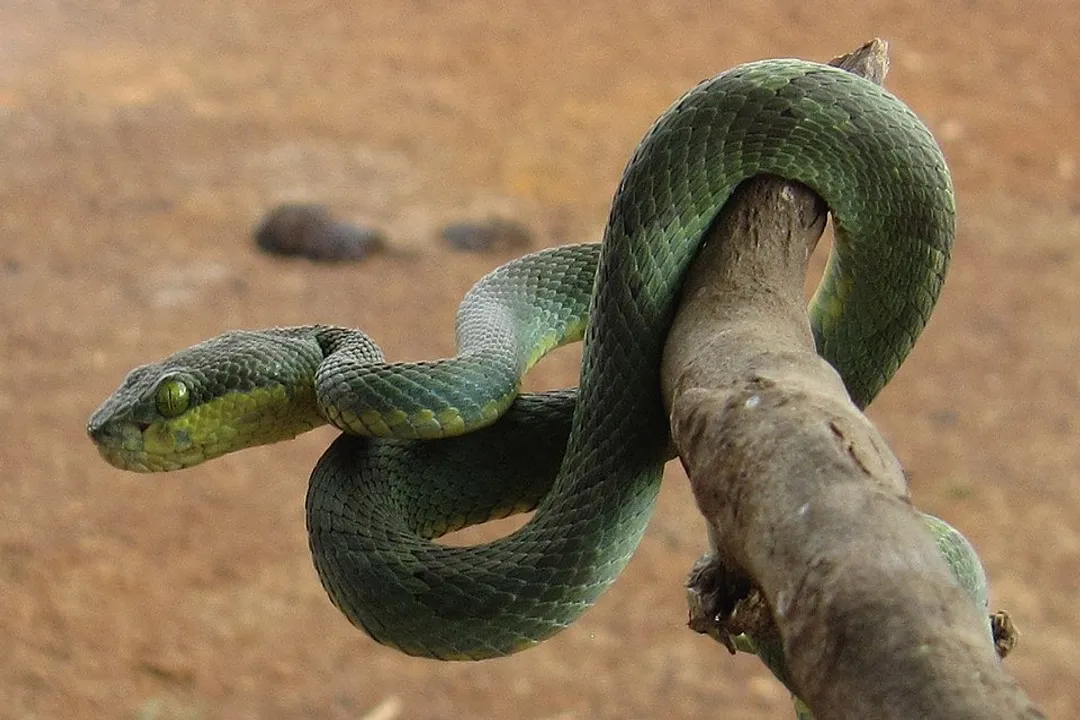
The venom delivered by the Bamboo Pit Viper is predominantly haemotoxic. [1] This means its primary mechanism of action targets the blood and the circulatory system, leading to damage at the site of the bite and potentially affecting the entire body. [1] While its toxicity is often described as mild when compared directly to some of the more potent vipers found across Asia, this description should never lead to complacency. [1] For a healthy adult, the venom is generally not fatal, but the resulting morbidity—the illness and suffering caused by the bite—can be significant. [3][6] The actual impact is heavily dependent on how much venom is successfully injected during the encounter. [3]
A key point distinguishing the potential harm is the frequency of dry bites, where the snake strikes defensively but injects little or no venom. [3] However, when full envenomation occurs, the haemotoxic components begin to break down blood components and damage local tissues. [1]
# Bite Effects
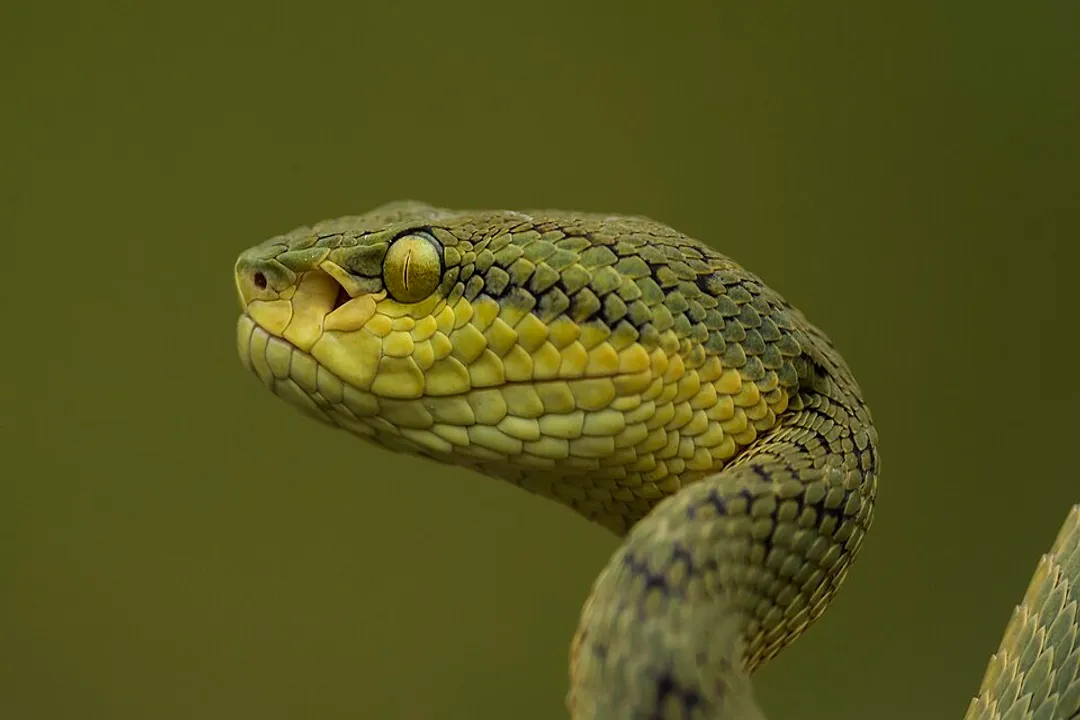
The immediate and ensuing physical consequences of a Bamboo Pit Viper bite manifest in distinct local and systemic ways. [5]
Locally, the patient will experience intense pain almost immediately. [5] This is quickly followed by significant swelling and discoloration, specifically bruising around the puncture wounds. [1][5] Blistering is a common presentation, and in more severe cases of envenomation, the tissue damage can progress to necrosis (tissue death) if treatment is delayed or inadequate. [5] Furthermore, the haemotoxic effects can manifest as general bleeding issues. [1]
Systemically, although less frequently reported than the severe local symptoms, the venom can cause reactions throughout the body. [5] These can include general feelings of being unwell, such as nausea and vomiting. [5] More concerningly, systemic symptoms can involve hypotension (a significant drop in blood pressure) or dizziness. [1][5] While the danger of death is low for a robust individual, the necessary medical intervention and recovery time are substantial. [3]
# Risk Factors
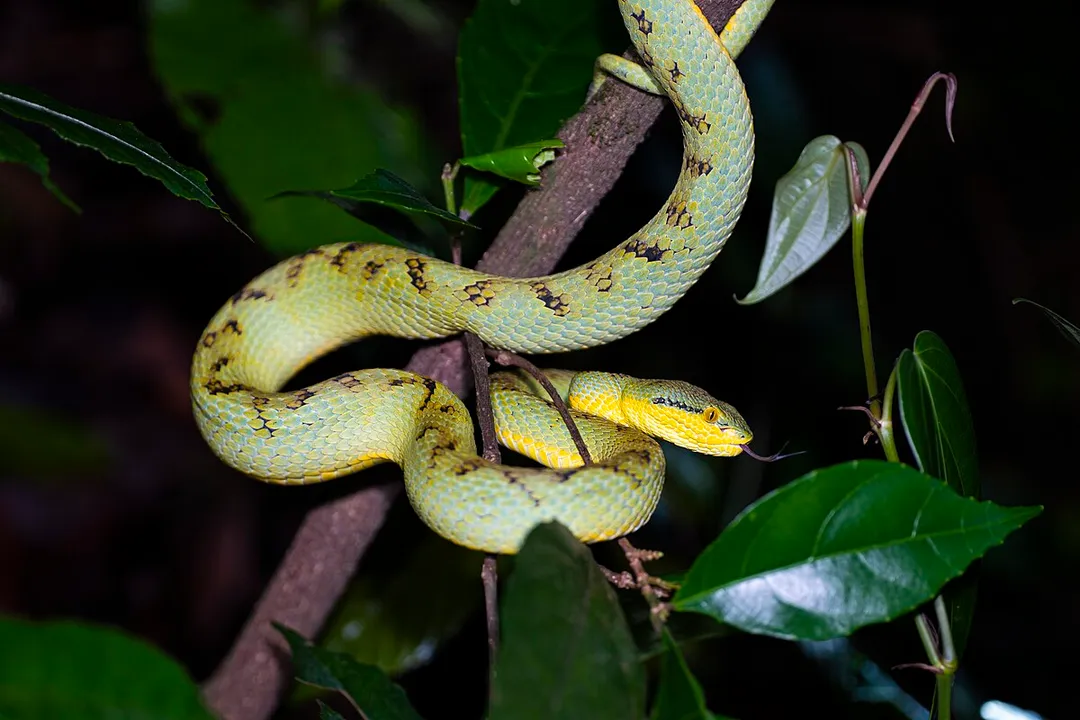
Several variables determine whether a bite results in a minor scare or a serious medical event. Knowing these factors helps contextualize the risk when assessing a bite scenario. [3]
The quantity of venom injected is paramount. A defensive snap that only grazes the skin or is a dry bite leaves the victim with pain but avoids the systemic cascade of haemotoxins. [3] Conversely, if the snake secures a deep grip and actively pumps venom, the resulting symptoms are much more severe. [3]
Individual health plays a role, as is true for almost any venomous bite. Children, the elderly, or individuals with pre-existing conditions affecting their cardiovascular or clotting systems may react much more severely to the same dose that a healthy adult might tolerate better. [3]
It is important to note that the environment where these snakes thrive contributes directly to risk. The Bamboo Pit Viper's effective camouflage—blending into the grassy or bamboo-heavy undergrowth—means that accidental encounters are frequent. The snake's defensive strike often occurs because it is surprised or stepped upon, making awareness of habitat crucial. [1] This effective camouflage is a double-edged sword; while it aids natural survival, it increases the likelihood of accidental human contact where people get too close before realizing a snake is present. [1]
# Identification Context
Correctly identifying the snake involved is vital for determining the necessary urgency of medical care, though treating any snakebite as serious is the safest approach. [4] In regions like Hong Kong, differentiating the venomous Bamboo Pit Viper from harmless local species, such as the Greater Green Snake, can be challenging due to similar coloration. [4] While experts rely on subtle differences in head shape, scale patterns, or the presence of a loreal pit, the general public is often better served by focusing on avoiding all brightly colored green vipers rather than attempting risky, close-range identification. [4] For instance, when considering other local threats, one might compare the danger profile to that of the White-lipped Viper, another venomous species found in the same general areas, simply to appreciate the need for caution regarding green snakes in general. [9]
When assessing sightings, especially around Taiwan, recognizing that species like Trimeresurus stejnegeri exhibit this green coloring and share the haemotoxic profile gives us a clearer picture of the regional threat posed by this group of vipers. [7] The general rule holds across these related species: severe local pain and swelling are the near-guaranteed consequences of envenomation. [7]

# Medical Management
Because of the potential for significant local tissue damage, progression to necrosis, and systemic effects like bleeding disorders, medical evaluation is non-negotiable following a confirmed bite. [1][5] Simply put, even if the snake is identified as a Bamboo Pit Viper, which is generally less dangerous than cobras or kraits, seeking professional medical treatment immediately is the required protocol. [5] Medical professionals will monitor vital signs and coagulation factors, and in significant envenomation cases, the administration of specific antivenom may be necessary to neutralize the circulating toxins and halt progression of necrosis. [5]
For anyone hiking or working in the known habitats of these vipers across South Asia and Southern China, understanding the reality of the bite is key to prevention and reaction. You are not typically dealing with a snake whose bite guarantees a fatality, but rather one that guarantees significant pain, hospitalization, and potential long-term tissue scarring if immediate, correct medical steps are not taken. [3] Given that these snakes often inhabit areas where human infrastructure is less immediate, recognizing the early signs of swelling and seeking transport to a facility equipped to handle snakebite management becomes an urgent priority. [5] If you are hiking in a known habitat area for these vipers, treating any sighting with high caution—maintaining a distance of several meters—is the most practical defense, as their excellent camouflage means the distance you perceive before they strike is often shorter than you think. [1]
#Videos
Facts About Bamboo Pit Viper - YouTube
Related Questions
#Citations
Craspedocephalus gramineus - Wikipedia
Vietnam poisonous snake of the day:The Bamboo Pit Viper or Indian ...
Bamboo Pit Viper - Facts, Diet, Habitat & Pictures on Animalia.bio
How to Differentiate a Venomous Bamboo Pit Viper from a Non ...
What happens when you get bitten by a Bamboo Pit Viper?
Is a green pit viper harmful? - Quora
Trimeresurus stejnegeri stejnegeri - Chinese Green Tree Viper ...
Facts About Bamboo Pit Viper - YouTube
Bamboo Viper - Trimeresurus albolabris — HongKongSnakeID.com