Are hook nosed sea snakes poisonous?
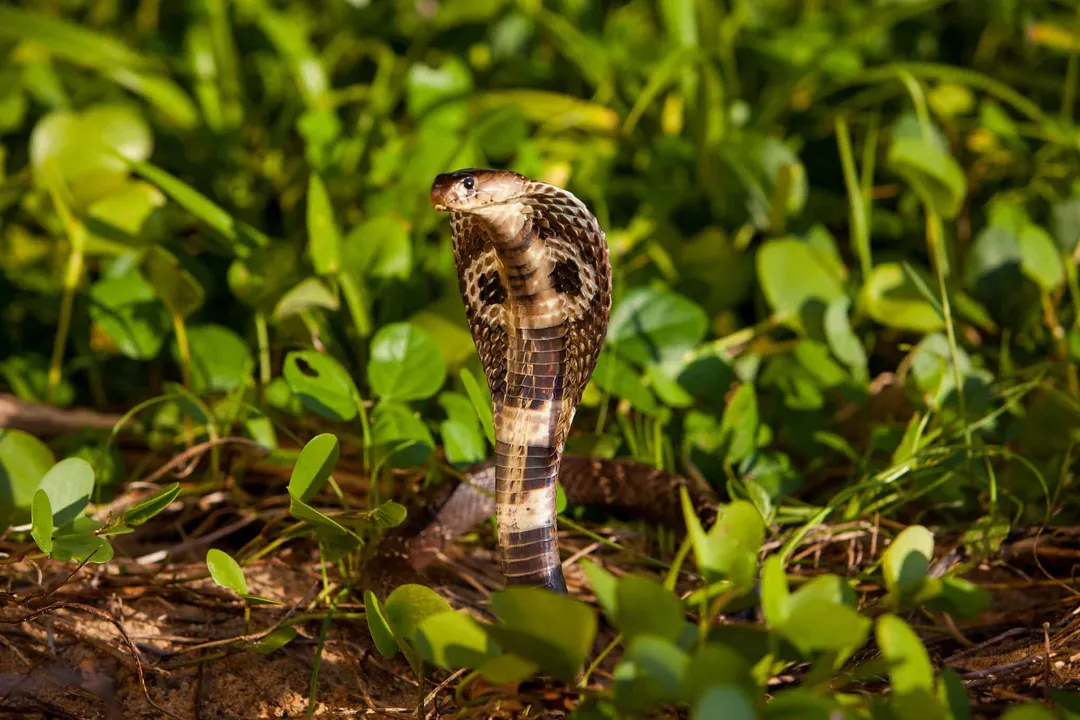
The common inquiry regarding the hook-nosed sea snake often centers on whether it is "poisonous," a term frequently used interchangeably with "venomous" by the general public, yet technically distinct in biology. To state it plainly, this marine reptile is highly venomous. [2][8] A creature is venomous if it injects toxins via a bite, whereas it is poisonous if toxins are harmful upon ingestion or contact. Since sea snakes deliver their toxins through biting, the proper classification is venomous, and the potency of the venom produced by the species commonly known as the hook-nosed sea snake—Hydrophis schistosus—places it among the more medically significant snakes in its environment. [1][4]
# Terminology Clarification
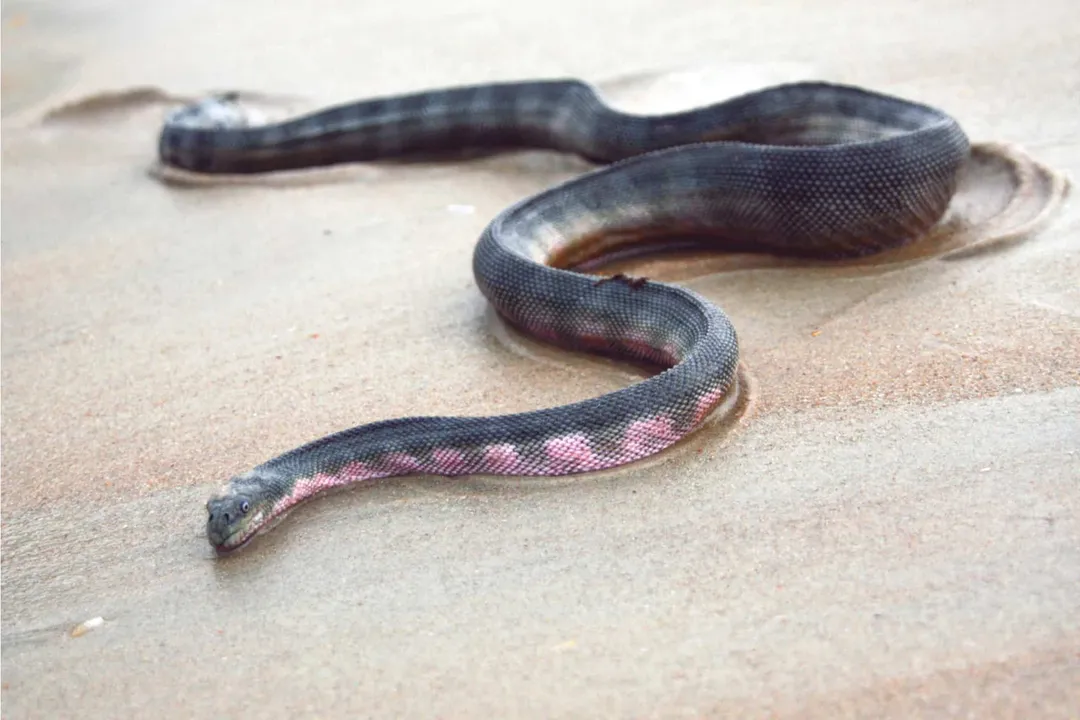
The confusion between "poisonous" and "venomous" is natural, but understanding the difference is vital when discussing dangerous wildlife. For the hook-nosed sea snake, the danger lies in its bite, not in merely touching or consuming it (though consuming any wild animal is ill-advised). Its common names include the beaked sea snake, a reference to its distinctly shaped snout, and Hydrophis schistosus. [1][4] These snakes are native to the Indo-Pacific region, inhabiting coastal waters, estuaries, and tidal flats. [1][6] In certain local contexts, particularly where fisheries or aquaculture are prominent, the sheer density of these highly venomous animals in coastal zones can create a sustained, localized risk profile for those working on or near the water daily, making awareness essential for routine safety. [1]
# Species Characteristics
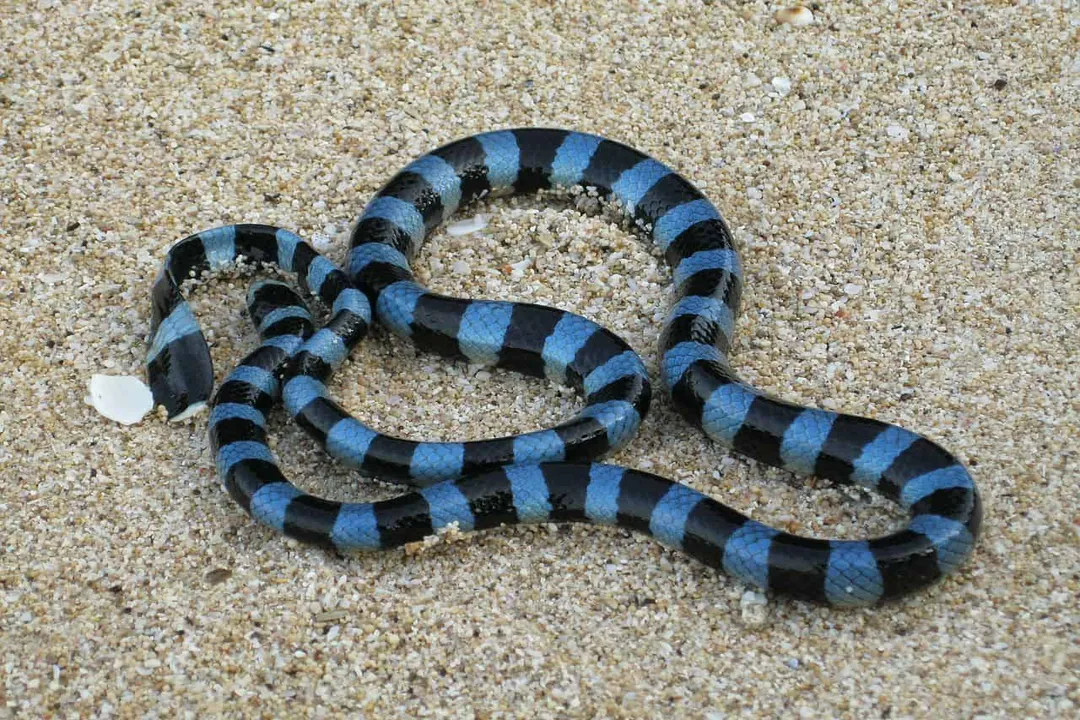
Hydrophis schistosus belongs to the family Elapidae, the same family that includes cobras and kraits. [1] Morphologically, it is characterized by the namesake hook on its snout, a feature that aids in identification. [2] Adults typically reach lengths of about 1.2 to 1.5 meters, though larger specimens have been recorded. [1] Their coloring often involves light-colored bands alternating with dark bands, though variations exist. [1] They possess specialized adaptations for marine life, including a paddle-like tail that facilitates efficient swimming. [1] Unlike many terrestrial snakes, sea snakes like this one cannot easily move on land; their lifestyle is almost entirely pelagic or near-shore marine. [1] While many sea snakes are known for their venom, the hook-nosed variant is frequently cited for possessing venom that ranks among the most potent known. [3][8]
# Venom Potency
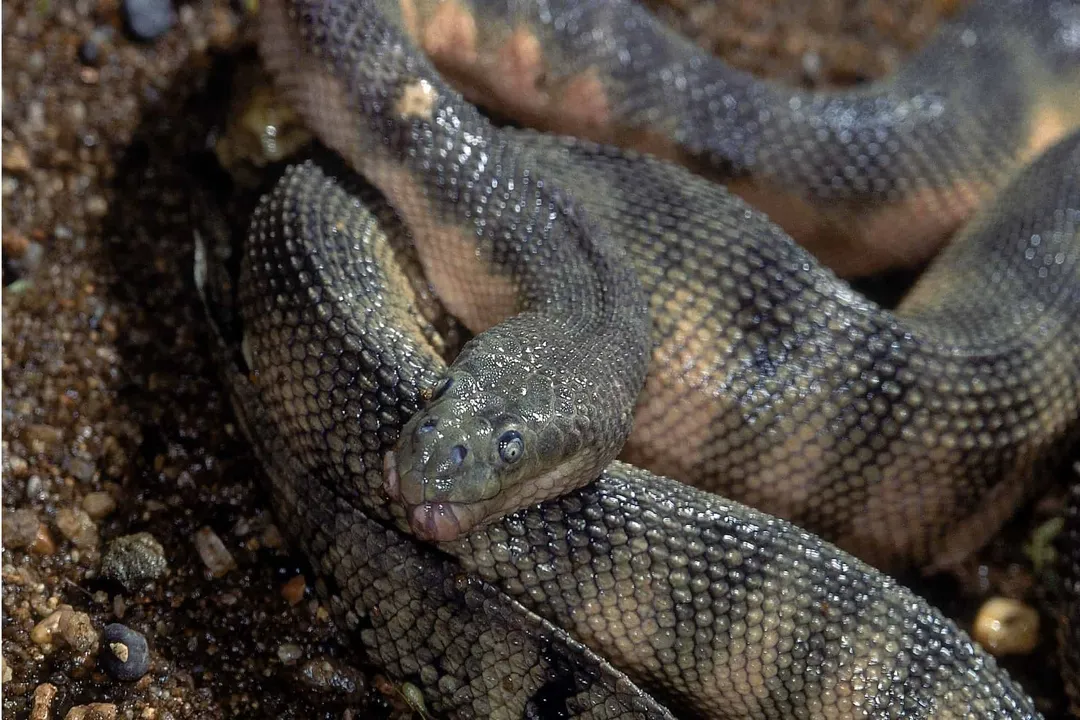
The venom of the beaked sea snake is considered extremely dangerous. Studies assessing various sea snake venoms have consistently placed H. schistosus near the top regarding toxicity when measured against laboratory models. [1] The venom is primarily a potent neurotoxin, meaning it attacks the nervous system. [1] Symptoms following a significant envenomation typically involve muscle weakness, paralysis, and respiratory failure, which can be fatal if antivenom is not administered promptly. [1][6] While the sources indicate a high toxicity level, it is worth noting that venom yield and the severity of a bite in humans depend on many factors, including whether the bite was defensive, whether the fangs fully penetrated, and the amount of venom injected. [1] Anecdotal discussions in herpetology forums often compare its toxicity favorably against some of the world's most feared terrestrial snakes, underscoring the seriousness of an encounter. [3]
A point worth noting for those studying or managing risks in its native range is that the venom of H. schistosus shows a significant toxicity profile that is quite distinct from some other highly venomous sea snakes, such as Hydrophis belcheri (Belcher's sea snake), which is also notoriously toxic. [3] While both present severe threats, subtle differences in venom composition mean that treatment protocols might vary slightly, underscoring the need for species-specific data in marine first aid kits. [1][3]
# Coastal Behavior
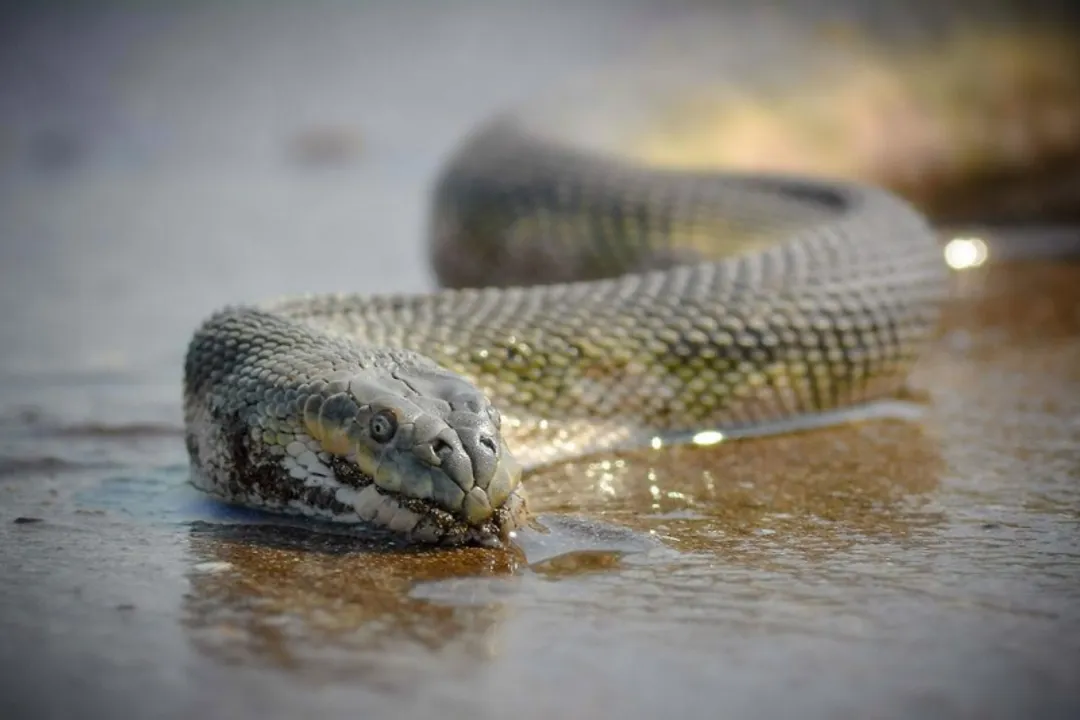
The hook-nosed sea snake is generally found in the shallow, often murky waters of the Persian Gulf, the Arabian Sea, and westward into the Gulf of Oman and Pakistan. [1] They are particularly associated with coastal areas, estuaries, and river mouths, sometimes venturing into brackish water, which differs from some pelagic sea snakes that rarely approach shorelines. [1][6] This near-shore habitat increases the probability of accidental human interaction compared to deep-sea species. [1]
They primarily feed on fish, and their method of hunting is adapted to their environment. [1] While they are not inherently aggressive toward humans, any snake will defend itself when cornered, stepped on, or handled. [2] When found washed up on a beach, as sometimes happens, they are often stressed or exhausted, making them potentially more reactive if approached or disturbed. [5] Encountering one stranded on the sand, for instance, requires extreme caution, as it is in an unfamiliar and vulnerable state, potentially increasing the likelihood of a defensive bite if someone attempts to move it without proper training. [5]
# Safe Interaction Tips
Given the documented danger associated with the venom of H. schistosus, the most important guideline is strict avoidance. [2][8] If you are in a region where these snakes are known to live, such as the coastal areas of the Arabian Peninsula or parts of South Asia, [1][6] local awareness is your best defense.
If you are fishing, wading, or diving, take care around known habitats like shallow mudflats or estuaries. [1] For maritime workers, ensuring boats and nets are inspected before handling—especially gear that has been submerged for extended periods—can prevent accidental capture or contact. This might involve using thick, puncture-resistant gloves when clearing fishing nets or traps brought aboard, even if the snake is assumed dead or stunned. [6] It is crucial to remember that sea snakes, including this one, can hold their breath for long periods and may appear lifeless when they are merely resting or conserving energy. Never assume a sea snake in the water or on a boat deck is harmless, regardless of its apparent activity level.
When dealing with a potential sea snake encounter—particularly if you suspect it might be a hook-nosed or beaked species due to location—the best action is to retreat slowly and maintain a significant distance. [2] Attempting to capture, corner, or interact with any sea snake, especially one with a distinctive snout shape that correlates with high venom risk, should only ever be attempted by trained professionals equipped with appropriate capture tools and medical countermeasures. [2][4] Respecting their space is the only guaranteed way to avoid envenomation.
# Distribution and Range
The geographical spread of Hydrophis schistosus is centered in the northern Arabian Sea. [1] Its distribution includes the Persian Gulf, the Gulf of Oman, and coasts extending into Pakistan and India. [1][6] This area of distribution, connecting busy shipping lanes and high-density fishing zones, means that the potential for human exposure remains constant in specific locales. [1] While other sea snakes exist globally, the high prevalence and known toxicity of this specific species make it a critical subject for regional maritime safety advisories. [1][4] It is a testament to their specialized physiology that they thrive in these brackish, coastal environments where many other purely oceanic species cannot survive. [1]
Related Questions
#Citations
Hydrophis schistosus - Wikipedia
Hook-Nosed Sea Snake - Enhydrina schistosa - A-Z Animals
The Belcher's Sea Snake is a highly venomous snake ... - Reddit
Beaked Sea Snake - "OCEAN TREASURES" Memorial Library
Beaked sea snake (Hydrophis schistosus) - Thai National Parks
Venomous Sea Snakes in Madagascar Ocean - Facebook
Hook-nosed Sea Snake (Enhydrina schistosa) - World For Nature
Beaked Sea Snake - Hydrophis schistosus - Ecology Asia