How fast can a flying squirrel glide?
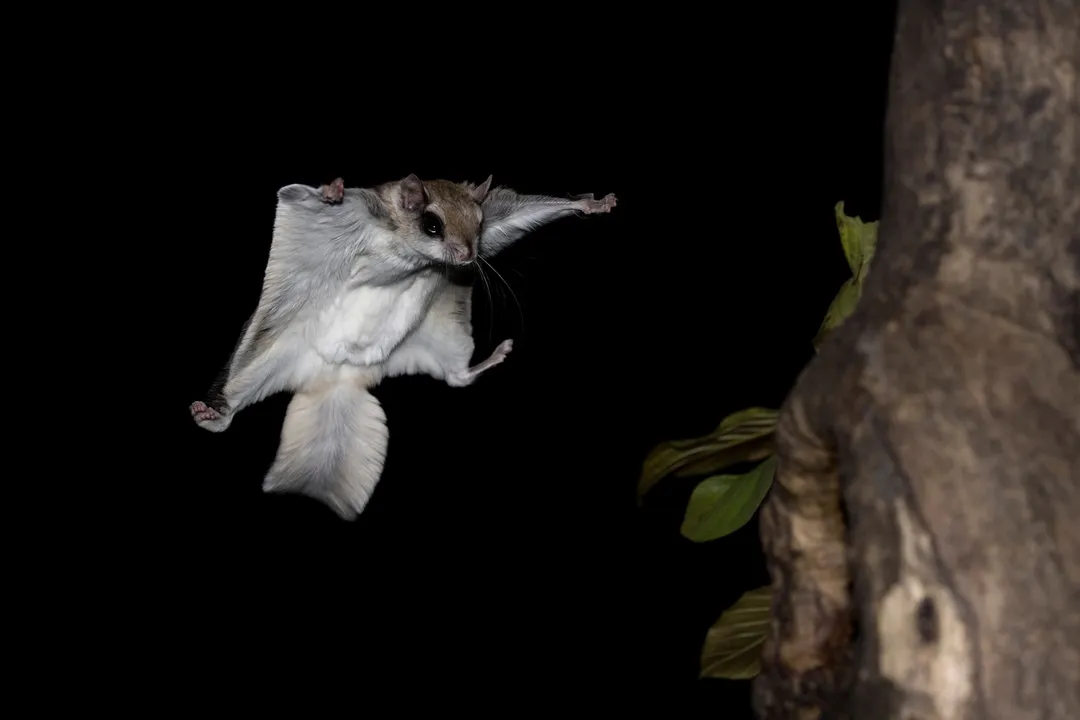
The remarkable ability of flying squirrels to traverse gaps between trees often leads to the question of just how quickly they move through the air during these aerial displays. They are not true fliers, in the way birds or bats are, but rather masters of controlled descent, using a furry membrane to turn a sheer drop into a graceful, albeit rapid, glide. [1][8] This membrane, known as the patagium, stretches between their front and rear legs, creating a specialized wing surface that catches the air. [1][8]
# Patagium Structure
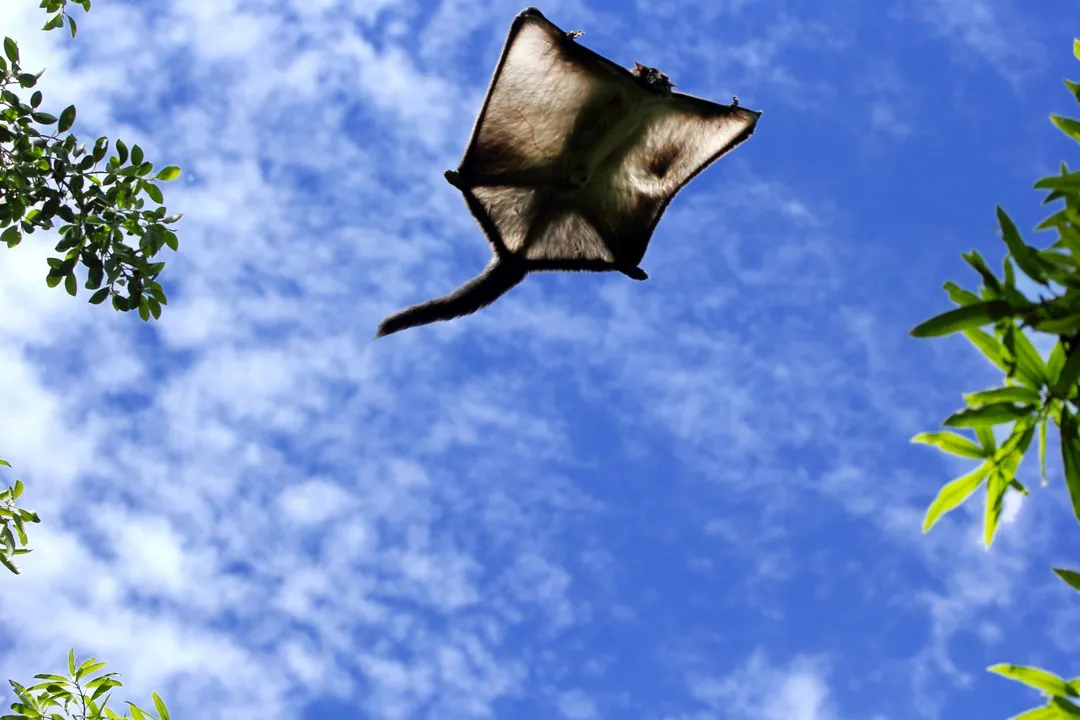
The patagium is essentially a parachute made of skin, a flap that remains loose when the squirrel is resting or climbing. [1] When the squirrel launches itself from a high perch, it spreads its limbs wide, stretching this membrane taut to maximize the surface area catching the wind. [8][4] This action transforms the small mammal into an aerodynamic shape capable of covering significant horizontal distances. [1] Some species, like the Southern Flying Squirrel, have skin folds that also extend from the wrists to the ankles, further optimizing their airframe. [1] The North American species, for instance, exhibit a distinct difference in gliding capability compared to their Old World relatives, though both utilize this skin membrane for aerial travel. [1]
# Glide Distances
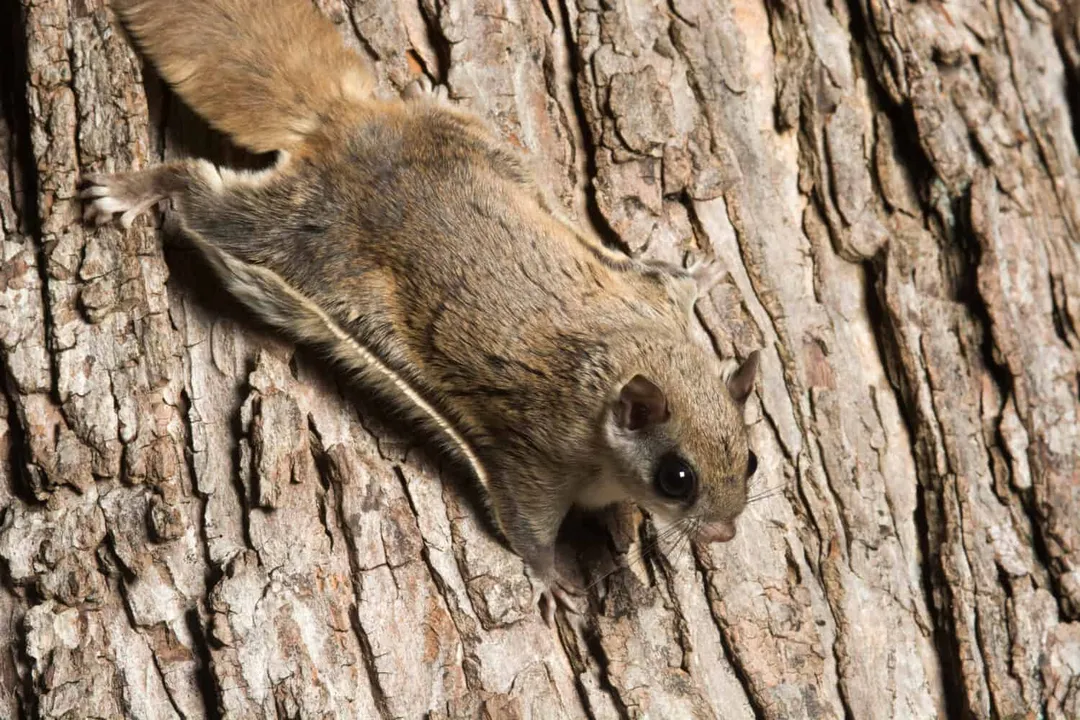
While a direct, constant speed measurement like miles per hour is rarely cited in general field observations, the true measure of their aerial performance lies in the distance they can cover relative to the height they drop. Flying squirrels are known for covering impressive spans. Observations have recorded glides extending up to 90 meters or nearly 300 feet. [1] Other reports suggest distances exceeding 150 feet are common for several species. [4][10]
This ability to travel such horizontal distances means their descent rate must be relatively slow compared to a direct fall. A typical glide ratio for these creatures is often approximated, allowing them to travel horizontally for every unit they drop vertically. If a squirrel falls 10 feet, it might travel 20 or even 30 feet forward, depending on the specific species and atmospheric conditions. [1] It is insightful to compare this efficiency to early human attempts at aerial descent; even a well-designed modern wingsuit achieves a glide ratio in the range of 2.5:1 or 3:1, meaning the squirrel’s natural, unpowered membrane is aerodynamically competitive with gear engineered for extreme human performance. [1]
# Velocity Physics
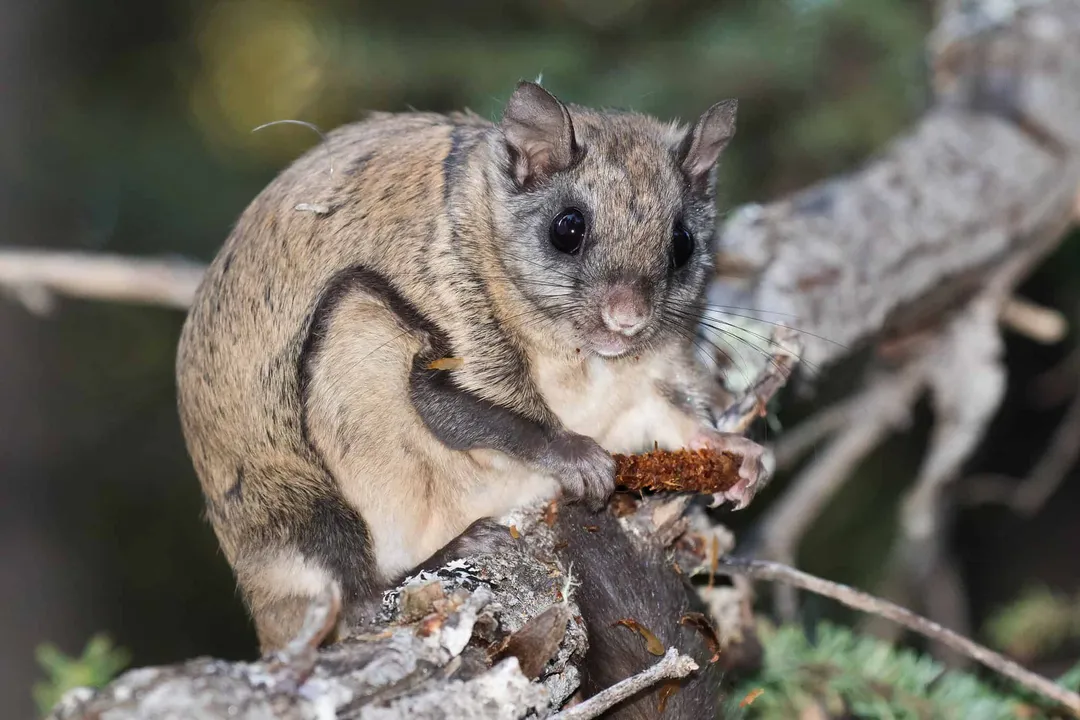
When considering the speed—the rate at which they cover ground—it’s important to understand that their velocity is the vector sum of their downward pull due to gravity and the forward momentum they generate upon launching. [6] Since they are gliding, they are constantly losing altitude, meaning they are always moving downward, though very slowly compared to uncontrolled freefall. [6] The forward speed achieved during these glides is significant enough to carry them across substantial gaps, but they do not fly fast enough to completely overcome gravity's pull. [6] The crucial factor is that they are slowing their descent dramatically. For practical purposes in a woodland environment, the most critical speed metric isn't the peak forward velocity achieved midway through the glide, but the deceleration rate just before landing. This controlled slowing is what allows them to land safely on a tree trunk rather than impacting the ground.
# Air Maneuvers
The speed of the glide is inherently linked to the squirrel’s ability to manipulate its trajectory mid-air. They are highly skilled pilots, capable of making subtle and dramatic adjustments to avoid obstacles or reach a precise target landing spot. [1][8]
Steering is achieved primarily through differential adjustments of the patagium. By pulling one arm back slightly more than the other, the squirrel causes the skin membrane on that side to create more drag, initiating a turn in that direction. [8] They can also use their flattened tail as a rudder to help stabilize the glide and make minor corrections. [1]
To stop or prepare for landing, the squirrel pulls its limbs forward, creating a parachute effect that drastically increases drag and rapidly decelerates the forward motion. [8] The animal then rotates its body upward just before impact, landing upright on the trunk of the target tree. [1][8] This final maneuver is vital; without it, the energy of the forward glide would likely result in a heavy collision with the bark.
# Habitat Needs
The effectiveness of a flying squirrel’s glide speed and distance is entirely dependent on the architecture of its home range. Because they rely on launching from a height to achieve any significant glide distance, the density and maturity of the forest directly dictate their mobility and foraging success. [4] A squirrel needs tall, established trees to launch from and suitable receiving trees within its gliding envelope. [4] This dependence creates an ecological litmus test: a forest area with too few mature, closely spaced trees severely limits the practical speed and range of the local population, effectively bottlenecking their ability to find food or escape predators, regardless of their inherent gliding capability.
The actual speed achieved in the wild is thus an optimized balance between maximizing forward travel and minimizing altitude loss, all within the constraints of the available launch points. Whether they are traveling at five miles per hour or fifteen during a specific jump is less important than their demonstrated mastery of using potential energy (height) to convert into kinetic energy (forward movement) safely and efficiently across the canopy landscape. [1]
Related Questions
#Citations
Flying squirrel - Wikipedia
The Flying Squirrel - YouTube
Flying squirrels are known for soaring anywhere from 150 to 500 ...
Flying squirrels? More like gliding squirrels
13 Interesting Facts About Flying Squirrels - Treehugger
What is the speed of flying squirrels when they glide from tree to tree ...
Flying squirrels gliding at night for meal - Facebook
How Squirrels Fly - Smithsonian Magazine
Flying Squirrel Fact Sheet - CT.gov
10 Notable Facts About Flying Squirrels - A-Z Animals