Is a California condor bigger than a bald eagle?
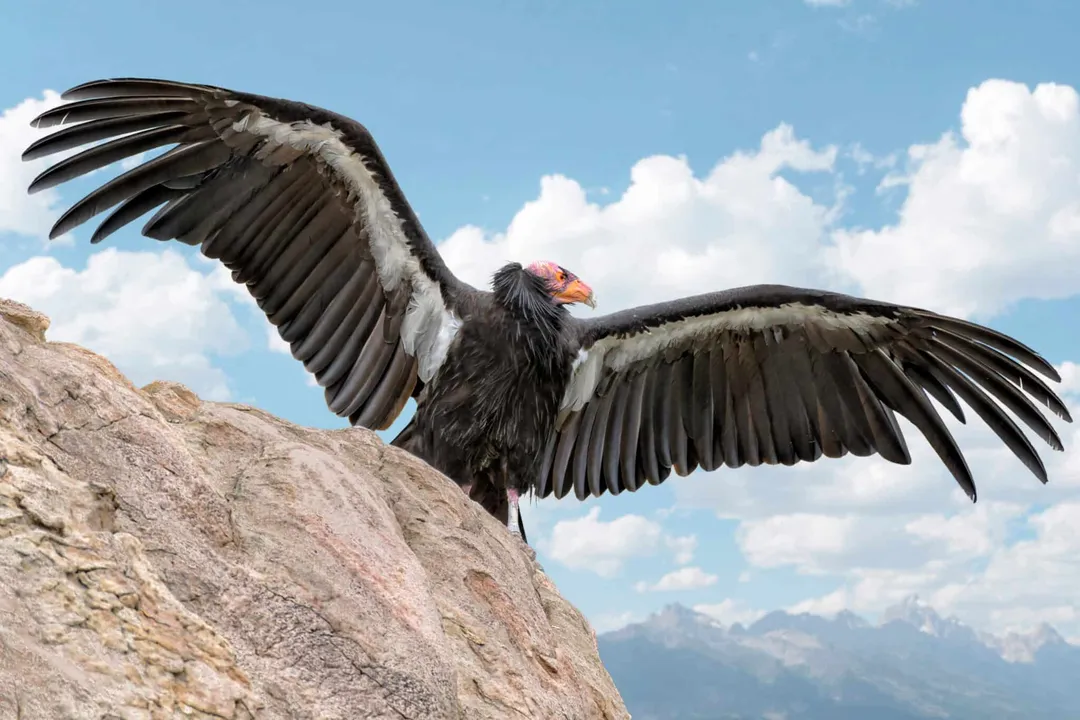
The size difference between North America’s two most iconic large avians, the California Condor and the Bald Eagle, is often a point of surprise for those accustomed to seeing only the national bird soaring overhead. While both command respect in the skies, when placed side-by-side using scientific measurements, one bird clearly dwarfs the other in sheer span, though their ecological roles dictate different body compositions. The answer to whether the California Condor is bigger than the Bald Eagle is a definitive yes, particularly when considering the measurement that truly defines air superiority: wingspan.
# Wingspan Winner
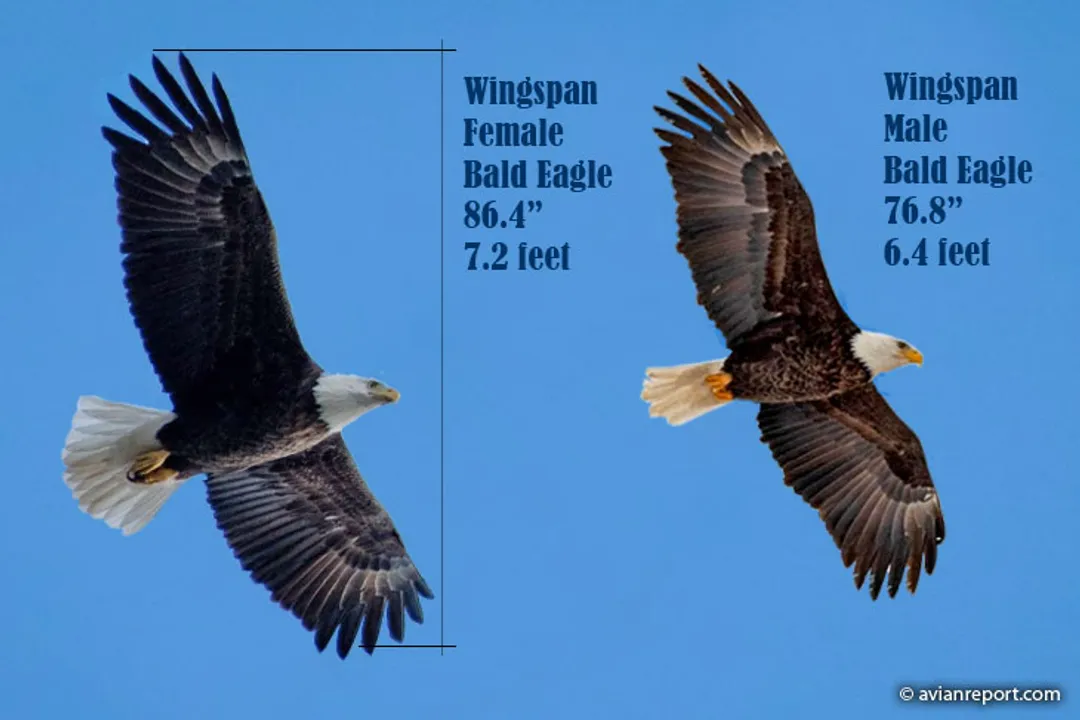
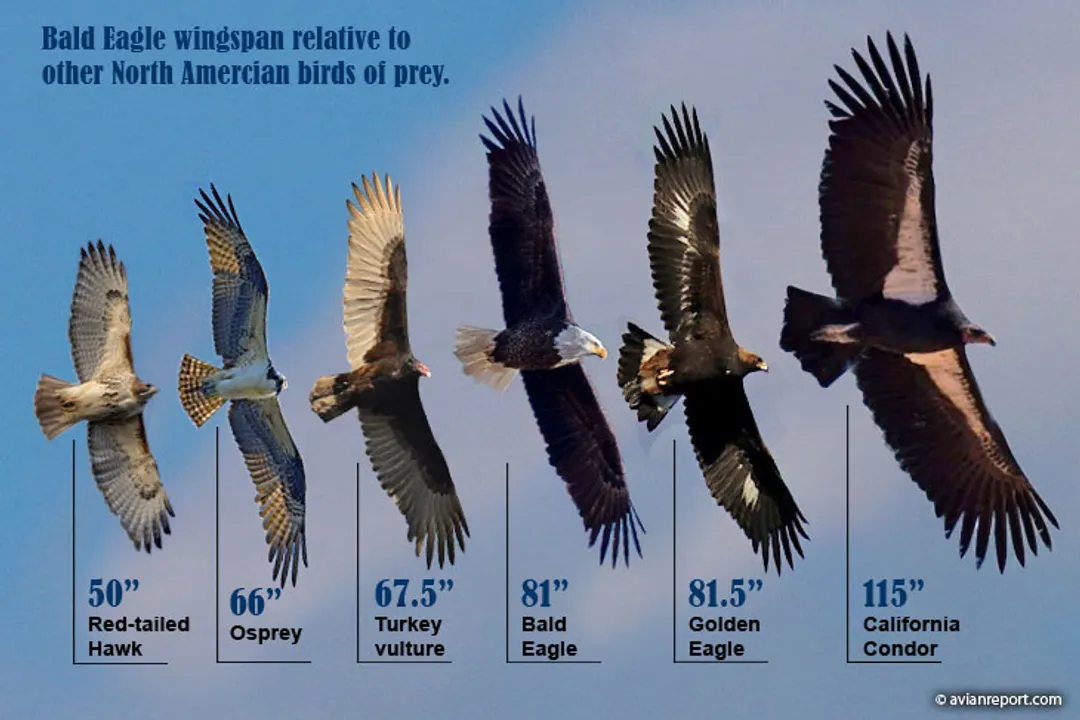
The most dramatic measurement separating these two giants is the extent of their wings. The California Condor possesses the longest wingspan of any North American native bird. Its massive, outstretched wings can measure up to 9.8 feet or 3 meters. This dwarfs the typical wingspan attributed to the Bald Eagle, which ranges between 5.5 feet and 8 feet, or roughly 7 feet. Even the largest documented female Bald Eagles, which are larger than the males, usually top out around 7.7 feet.
To put this into perspective, a 10-foot wingspan—as seen on the condor—is wider than many standard doorways. The Bald Eagle, while impressive, is considerably smaller in this metric, with its maximum recorded wingspan in some literature only reaching about 8.2 feet. This difference of one to three feet in span is not insignificant; it fundamentally alters how the bird interacts with the air around it.
# Weight and Bulk
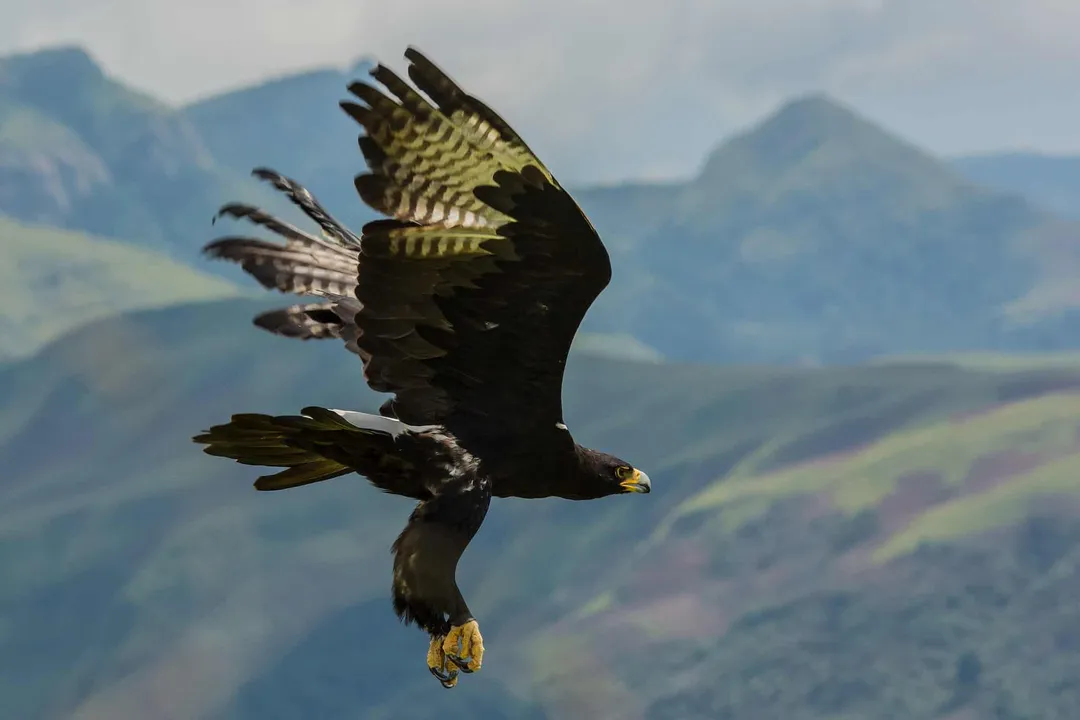
Size isn't just about reach; it is also about mass. Here too, the Condor holds the advantage in overall bulk. The California Condor can weigh up to 12 kilograms, or about 26.6 pounds. The Bald Eagle, by contrast, typically weighs up to 14 pounds or 17 pounds. This weight disparity directly reflects their difference in lifestyle, as carrying heavy muscle mass for active hunting (as an eagle does) is less efficient than carrying the mass needed for soaring and carrying scavenged meals (as a condor does).
When looking at general stature, the difference is also apparent. The Bald Eagle stands at about 2.5 feet tall, while the Condor can reach heights of up to 4.5 feet. It is important to note that while some comparisons might suggest the Bald Eagle is larger in certain contexts, the objective measurements of wingspan and documented maximum weight consistently place the California Condor ahead as the larger bird in North America.
# Appearance Details
Beyond the raw numbers, the visual differences immediately distinguish the two species, especially around the head and neck. The Bald Eagle is instantly recognizable by its brilliant white head and tail feathers contrasting sharply with its dark brown body. Its beak is hooked and yellow. Interestingly, the name "bald" is derived from the Old English word balde, meaning white, rather than referring to a lack of feathers on its head.
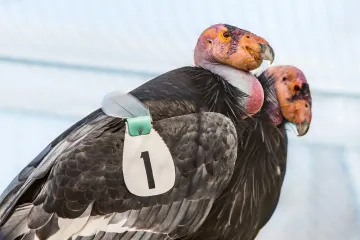
The California Condor presents a far more utilitarian look reflective of its dietary habits. It is predominantly covered in glossy black feathers, but its most striking feature is its head and neck, which are bare of feathers. This skin is wrinkled and often appears pinkish-orange. This baldness is an adaptation, helping to prevent bacteria from accumulating while the bird feeds deep inside large carrion carcasses. The eagle, being a raptor that hunts and tears flesh with a beak, does not require this adaptation.
# Ecology Contrast
The fundamental difference in what these birds consume dictates their physical characteristics and ecological niches. The Bald Eagle, Haliaeetus leucocephalus, is a classic bird of prey, or raptor. Its primary strength lies in its hunting prowess—swooping to snatch fish from the water or chasing down small mammals and other birds. This hunting style requires powerful musculature for active flight and strong talons.
The California Condor, Gymnogyps californianus, is classified as a New World Vulture. It is an obligate scavenger, relying almost entirely on carrion—the dead remains of large animals like cattle, sheep, and deer. Because its survival depends on locating large, distant food sources rather than overpowering live prey, its physical structure prioritizes efficient, long-distance flight over explosive power.

# Flight Mechanics
The wingspans and body compositions lead to vastly different approaches to flight, which can be observed when watching them aloft. The Condor’s massive wingspan, coupled with special tendons that allow it to "lock" its extended wings, makes it a master of effortless soaring and gliding. This morphology is best suited for riding thermal currents for hours with minimal flapping, allowing it to cover vast distances while searching for food.
The Bald Eagle’s wing shape is described as long and broad, placing it closer to the middle of the flight spectrum. While it certainly soars and glides, its wings are also suited for an active flight that involves vigorous flapping. This is necessary for taking off from the ground or water, maneuvering when actively chasing down prey, or engaging in vigorous flapping near a nesting site. This contrast means that while both birds are large flyers, the Condor is built for passive, high-altitude travel, whereas the Eagle retains the necessary aerodynamic features for an aggressive, active pursuit predator.
# Recovery Stories
A fascinating side note to their size comparison involves their conservation status, which highlights contrasting life history traits. The Bald Eagle has made a remarkable comeback from endangerment and is now listed as a species of least concern. In contrast, the California Condor remains critically endangered and dependent on intensive conservation programs.
The reasons for this divergence in fortune are partly rooted in their biology. Bald Eagles typically lay two or three eggs per year, and their reproductive cycle is relatively quicker. Furthermore, their diverse diet of fish, small mammals, and scavenged meat allows them to thrive across a wider range and adapt to changing local conditions. The Condor, however, is much slower to rebound. It only lays a single egg per year, and young condors require a very long period of parental dependence before reaching maturity, sometimes taking six or seven years to reach sexual maturity. This slow reproductive output, combined with modern threats like lead poisoning from ingesting ammunition fragments in carcasses, makes population recovery a significantly slower process for the Condor, even with dedicated human intervention.
Considering the Condor's immense wingspan—nearly 10 feet—and greater weight, it is unequivocally the physically larger of the two North American species, though the Bald Eagle is the superior aerial hunter in terms of speed and maneuverability during a chase. Their respective sizes reflect deep evolutionary paths: one built for the thermal highways of the sky as a scavenger, the other balanced for the active capture of prey near coastlines and rivers. This comparison underscores that in the avian world, sheer size is only one factor in defining success, especially when comparing a massive scavenger to a highly specialized raptor.
Related Questions
#Citations
Bald Eagle vs California Condor: See Who Wins | Animal Matchup
The Largest Bird of Prey: Tallest, Heaviest and Widest Wingspan
The 9 Largest Eagles Still Soaring the Skies in 2024 - A-Z Animals
Condors vs bald eagles : r/Ornithology - Reddit
Info Center: Ten of the Largest Birds of Prey in the World - RodentPro
The Bald Eagle Wingspan: How does it compare to other Birds of ...