What is the taxonomy of the California Kingsnake?
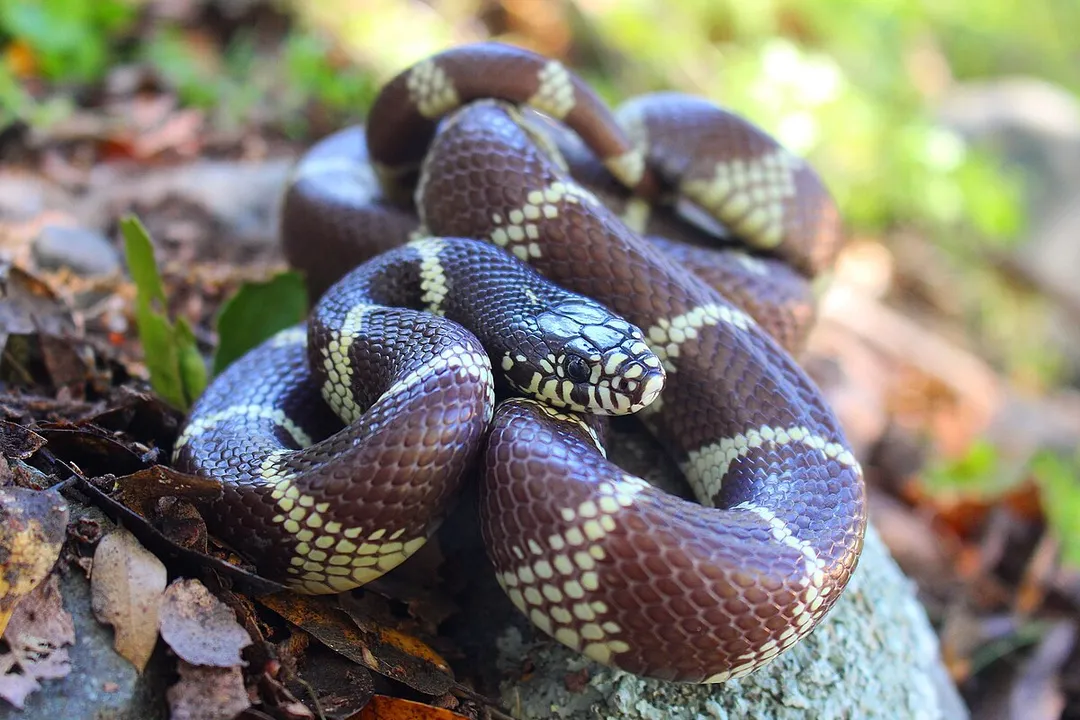
The classification of the California Kingsnake, Lampropeltis californiae, reveals a fascinating history of scientific revision and regional diversity within one of North America's most recognizable non-venomous snakes. Pinpointing its exact taxonomic placement is essential for herpetologists, conservationists, and keepers alike, as shifting statuses can affect legal protections and field identification. [1][2]
# Linnaean Ranks
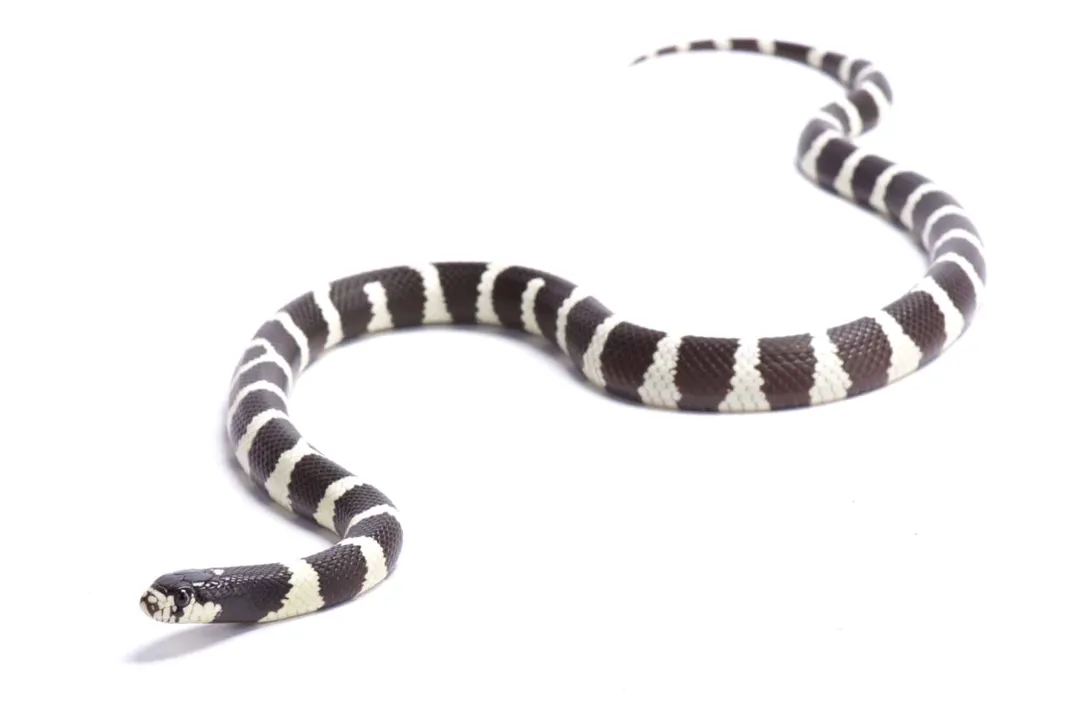
Like all life forms, the California Kingsnake is nested within the traditional hierarchy of taxonomy. It belongs to the Kingdom Animalia, Phylum Chordata, Class Reptilia, and Order Squamata. [1] Moving closer to the specific identity, it resides in the Family Colubridae, which encompasses the vast majority of harmless snakes worldwide. [1] The genus designation is Lampropeltis, a name derived from Greek meaning "shining scale," aptly describing the glossy appearance of many species within this group. [1] The species epithet is californiae. [2]
While the current accepted scientific name is Lampropeltis californiae, [2] this species has a somewhat complicated history of nomenclature, often being synonymized or confused with other related kingsnakes or alternating between being a full species or a subspecies of a broader group. [1] For instance, older literature or field guides might list it as Lampropeltis zonata californiae or even link it under the umbrella of Lampropeltis getula. [1] Understanding this synonymy is important because historical conservation data might be tied to the older classification names. [9]
# Subspecies Variation

One of the most compelling aspects of the L. californiae taxonomy involves its subspecies, which reflect the snake's broad and varied distribution across California and into adjacent states. [1][5] These recognized regional variants are primarily distinguished by their color pattern, which can range from distinct bands to blotches or even solid black with striping. [1]
The California Herps project details several recognized forms whose taxonomy reflects geographical isolation and adaptation. While the general consensus recognizes L. californiae as a single species, the variations within it are significant enough to warrant distinct subspecific names, which often correlate directly with habitat type. [5]
Here is a look at some of the common patterns and their associated names, though taxonomic review is ongoing:
- The Striped Form: Often associated with the common or coastal forms, these snakes exhibit longitudinal dark and light stripes running the length of the body. [1]
- The Blotched Form: These snakes display darker blotches or saddles separated by lighter bands, common in certain inland or desert-adjacent populations. [1]
- The Speckled Form: Some populations show a pattern where dark spots break up the background color rather than forming strong bands or large blotches. [1]
If you are observing a snake in the field and trying to place it within this classification, recognizing the primary pattern type is the first step. For example, an individual found near the coast might strictly adhere to a banded pattern, whereas a specimen from the southern interior might exhibit more heavily contrasted blotches or even the "anchored blotch" pattern, a specific morphological trait often tied to established subspecies designations within L. californiae. [5] Considering that different subspecies or forms occupy distinct ecological niches—from chaparral to desert scrub—the taxonomy is really mapping out ecological specialization across the state. [5]
# Kingsnake Complex
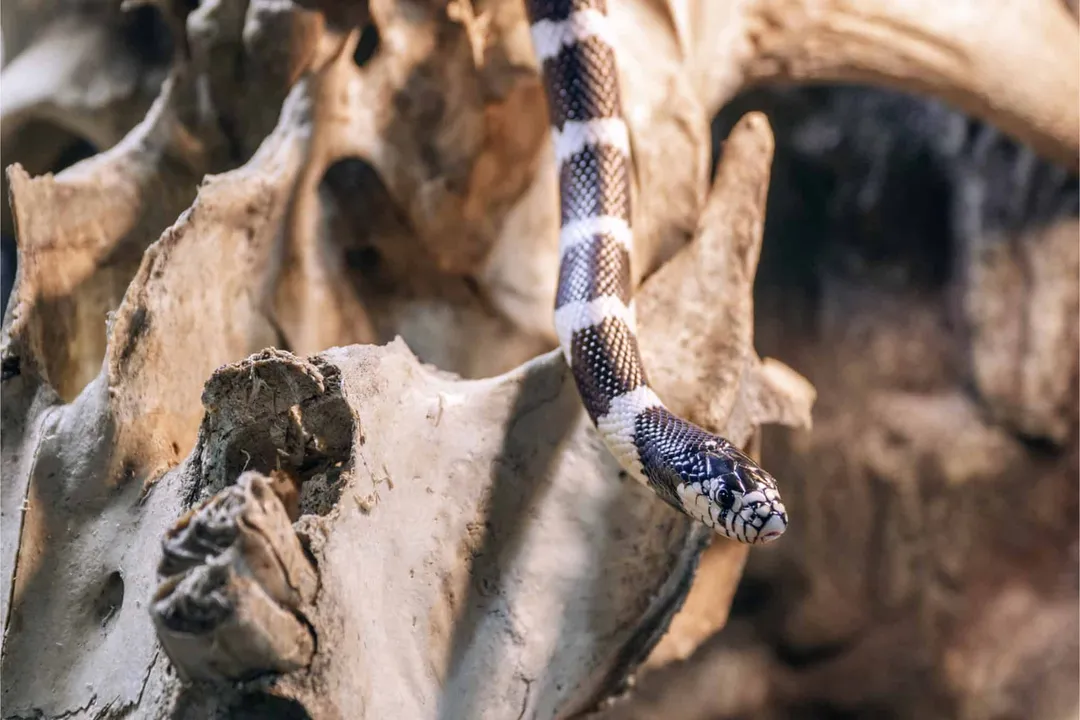
To truly understand the taxonomy of L. californiae, it helps to look at its closest relatives, particularly those sharing the "California" descriptor in their common names, such as the California Mountain Kingsnake, Lampropeltis zonata. [7] In older taxonomic frameworks, these two groups were often considered parts of the same superspecies or even the same species. [1] However, current genetic and morphological data support their separation into distinct species: L. californiae and L. zonata. [7]
The key morphological differentiator often cited is the ring pattern. While L. californiae has various patterns (stripes, blotches), it typically lacks the clean, white or yellowish cross-bands that alternate with red/black bands characteristic of many L. zonata populations. [7] This clear visual separation, supported by molecular work, is why L. californiae has been elevated to full species status in most contemporary lists. [1] Think of it as an evolutionary split where the pressures in their respective primary habitats led to divergent visual signals, even though they share a recent ancestor and occupy overlapping geographic ranges in some areas. [7] The distinction is critical; misidentification can lead to unnecessary alarm, given that many non-venomous kingsnakes are occasionally confused with venomous coral snakes due to similar banding colors, although L. californiae patterns are generally distinct from the North American coral snake color rules. [4]
# Status and Distribution
The official status assigned by governmental and conservation bodies relies heavily on the currently accepted taxonomy. For instance, the U.S. Fish and Wildlife Service lists Lampropeltis californiae as a species of interest, often monitored, but it is generally considered widespread and stable across its primary range. [6] NatureServe currently assigns it a global rank of G5, indicating the species is secure. [3] This secure ranking is based on its broad distribution, which spans much of California, extending into Nevada, Arizona, and even Baja California. [1][3]
The fact that NatureServe recognizes it as L. californiae reinforces the contemporary view that the species is distinct from its mountain-dwelling cousin. [3] When dealing with local permitting or state-level environmental review, always referencing the currently accepted name L. californiae is necessary to ensure compliance, as older species designations might trigger different regulatory reviews. [6]
Ultimately, the taxonomy of the California Kingsnake serves as a dynamic map of its evolution. While Lampropeltis californiae stands as the single, correct species name today, appreciating its history—its former synonyms and its divergence from L. zonata—provides a richer understanding of its place in the reptile world. [1][2][7]
Related Questions
#Citations
California kingsnake - Wikipedia
California Kingsnake - The Center for North American Herpetology
Lampropeltis californiae - NatureServe Explorer
California Kingsnake - ZooMontana
California Kingsnake - Lampropeltis californiae
California Kingsnake - Lampropeltis - U.S. Fish and Wildlife Service
Lampropeltis zonata (California Mountain Kingsnake) | INFORMATION
California Kingsnake Animal Facts - Lampropeltis californiae
Lampropeltis californiae (California kingsnake) | CABI Compendium