Is Supersaurus bigger than blue whales?
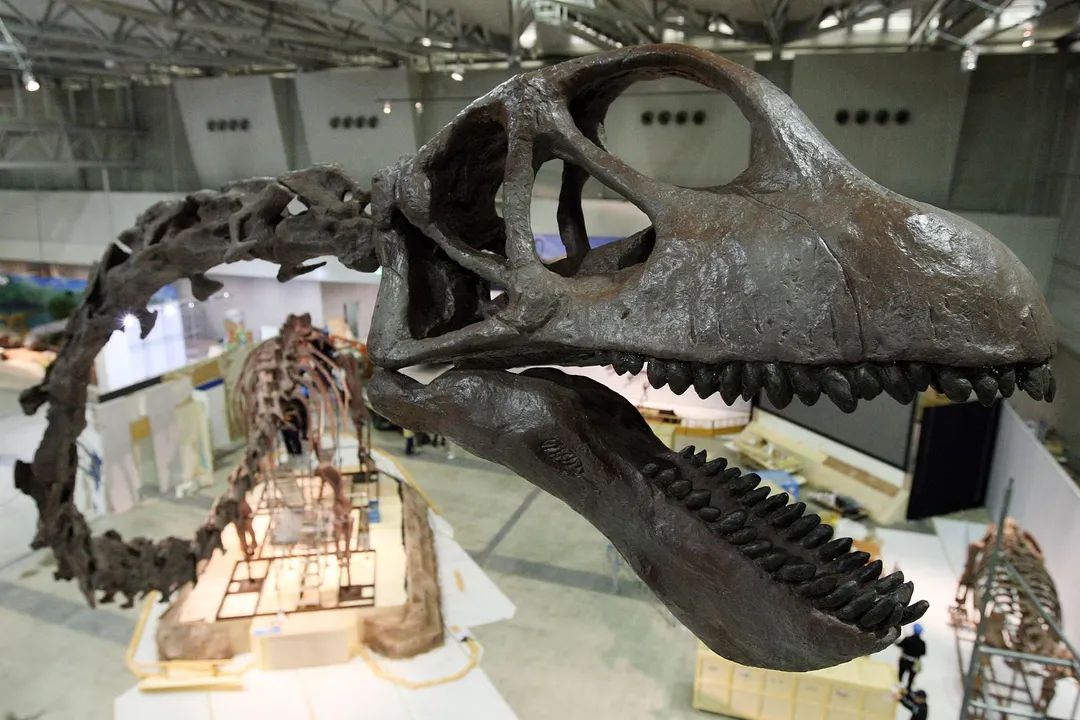
When posing the question of whether Supersaurus was bigger than the blue whale, we are stepping into a fascinating debate that pits the largest creature ever to walk the Earth against the largest creature known to have ever existed, period. The answer hinges entirely on how one defines "biggest"—is it sheer length, or crushing mass? For many modern paleontologists and zoologists, the title of "biggest animal of all time" belongs firmly in the ocean, despite compelling evidence that some dinosaurs stretched longer than their modern marine counterparts.
# Ocean Monarch
The blue whale (Balaenoptera musculus) holds an almost undisputed title as the largest animal known in Earth’s history. This colossal marine mammal currently reigns supreme in size records. While pinpointing an exact maximum is challenging, blue whales routinely reach lengths of around 30 meters (98 feet) or more.
What truly sets the blue whale apart, however, is its phenomenal weight. These animals regularly weigh in excess of 150 metric tons, with estimates sometimes exceeding 180 metric tons for the very largest specimens. This sheer bulk represents an evolutionary success story unlike any other, enabled by the buoyancy of water which allows the animal to support a body mass that would crush its own skeletal structure on land.
# Dinosaur Length
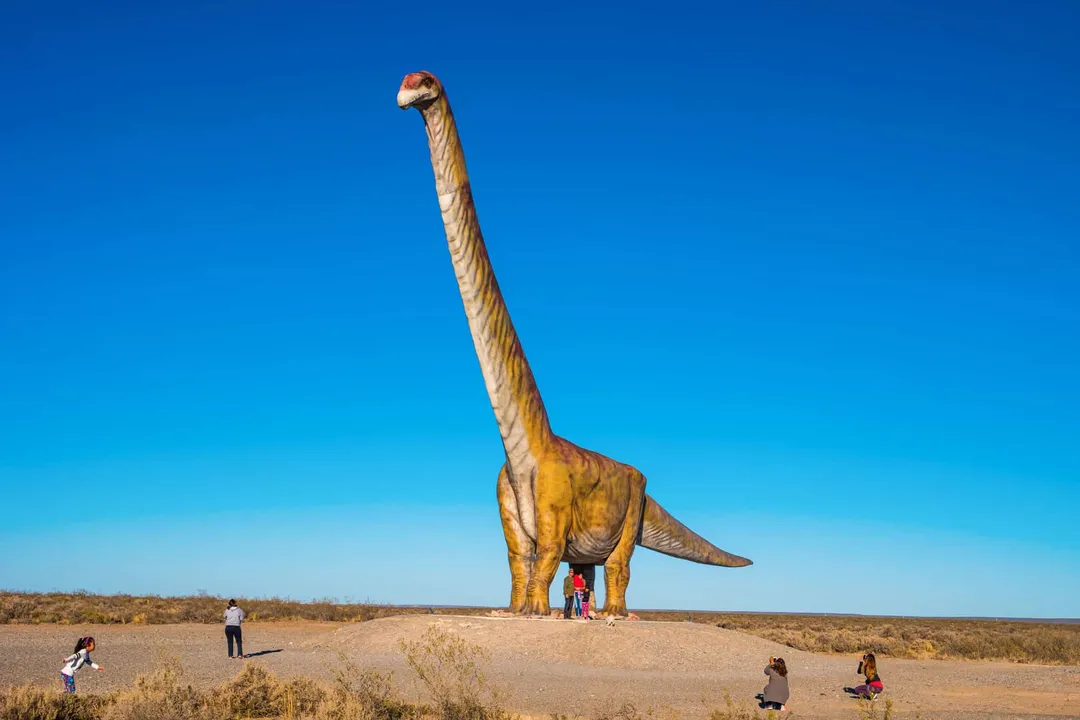
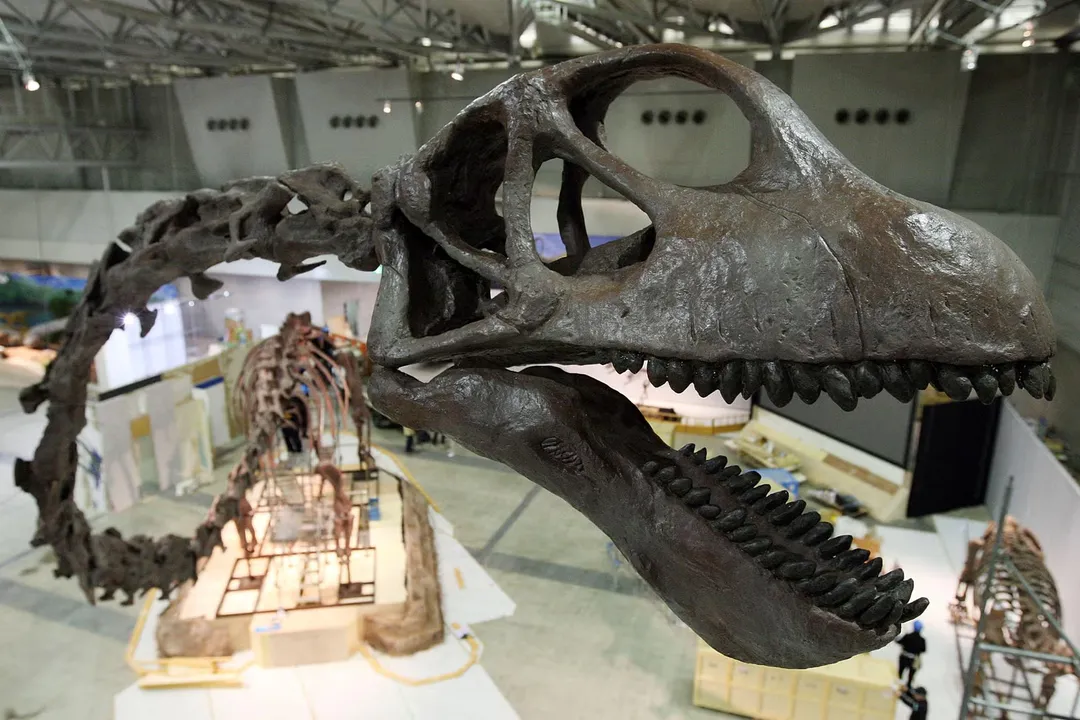
On the other side of the scale, figuratively speaking, stands Supersaurus, a member of the Diplodocidae family of long-necked sauropod dinosaurs from the Late Jurassic period. When researchers discuss Supersaurus, they are almost always focusing on its incredible length. Some fossil evidence suggests that this dinosaur might have been the longest dinosaur known, perhaps even the longest animal ever, with estimates pushing its total length toward 39 to 42 meters (128 to 138 feet).
When we compare these figures side-by-side, the initial victory seems to go to the dinosaur purely on the metric of length. If a blue whale is 30 meters and Supersaurus approached 40 meters, the dinosaur was demonstrably longer. This comparison highlights a key divergence in gigantism: aquatic vs. terrestrial support systems. A 40-meter-long dinosaur still had to operate under the constraints of gravity, relying on immense bone strength to support its body on land.

# Mass Matters
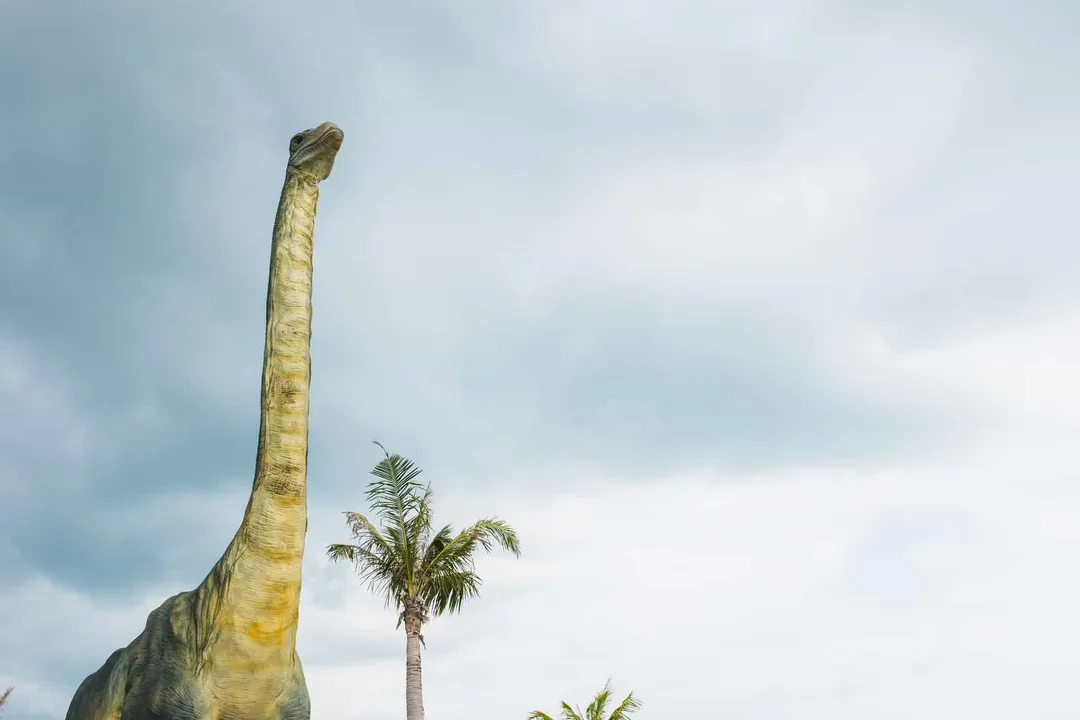
This brings us to the crucial metric where the contest shifts dramatically: mass. While the potential length of Supersaurus is astounding, its estimated weight generally does not approach the upper limits recorded for the largest blue whales. The constraints of terrestrial life mean that even the most massive sauropods likely topped out significantly below the heaviest blue whales.
To put this into perspective using the available data, if we consider a top-end estimate for a massive blue whale at 180 tons and use a very generous, though perhaps high, estimate for a large Supersaurus skeleton weight, the difference becomes stark. If Supersaurus was around 35 to 40 meters long, its mass—even if substantially greater than other sauropods—was likely still only in the realm of 50 to 70 tons, perhaps even less, depending on the reconstruction methodology used. That means the heaviest blue whale recorded could still outweigh the heaviest Supersaurus estimates by a factor of two or three. Therefore, when scientists determine the "biggest" animal, mass—the total amount of matter contained within the body—is usually the standard they apply, securing the title for the whale.
# Skeletal Reconstruction
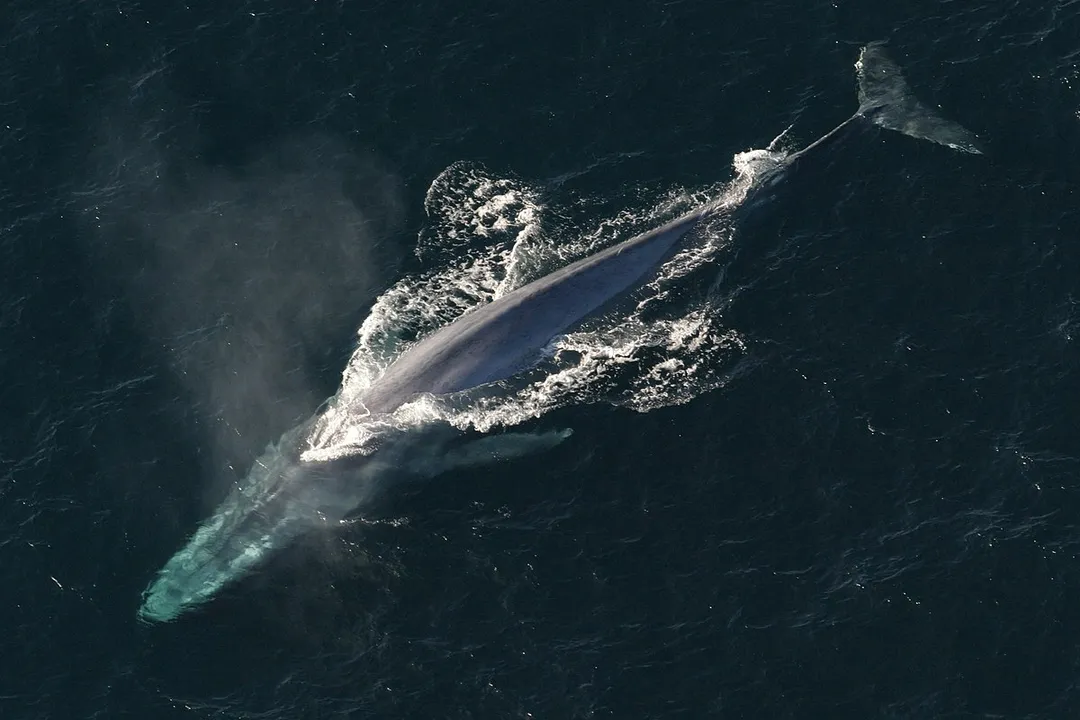
A major difficulty in comparing these two titans lies in the nature of the evidence itself. For the blue whale, scientists have direct measurements, and sometimes whole carcasses, available to confirm dimensions and mass estimates. For Supersaurus, the picture is pieced together from fragmentary fossils. Understanding the true size of an extinct animal is an exercise in sophisticated inference.
The process involves finding associated bones, comparing them to living relatives to estimate proportions, and then applying geometric scaling laws to arrive at a total mass estimate. This means that while the sheer size of the recovered Supersaurus bones is undeniable, the final length and mass figures are, by necessity, educated approximations rather than direct measurements.
A common challenge in these estimations is accounting for soft tissue and posture. A sauropod’s neck and tail are incredibly long but relatively light compared to the deep, massive torso required to house its internal organs and support its weight against gravity. Paleontologists often debate the posture—how high the neck was held, how far the tail extended—which directly impacts the maximum calculated length. In contrast, the blue whale’s maximum dimensions are far more directly observable, making its top-end mass figures more reliably certain.
# Giants Compared
The evolutionary paths that led to these megafauna are fundamentally different, which explains their dimensional divergence. Terrestrial gigantism, as seen in sauropods like Supersaurus, evolved to maximize feeding volume and potentially deter predators, but was strictly limited by bone density and structural integrity on land.
Aquatic gigantism, seen in the blue whale, allowed for massive increases in body volume because the water supports the weight. This lack of gravitational stress allowed the blue whale to evolve a much denser, heavier body plan optimized for filter-feeding enormous quantities of krill.
Here is a quick comparison summarizing the likely difference in dimension records based on current data:
| Metric | Supersaurus (Estimated Max) | Blue Whale (Recorded Max) | Winner |
|---|---|---|---|
| Length | ~39 to 42 meters [5] | ~30+ meters [5] | Supersaurus |
| Mass (Weight) | ~70 tons (Estimated High) [5] | ~180 tons (Recorded High) [5] | Blue Whale |
The fact that the blue whale, which is generally shorter than the longest Supersaurus estimates, is substantially heavier offers a clear metric for assessing "biggest". When visualizing the two, the blue whale is better thought of as an impossibly thick, massive torpedo, while Supersaurus was an impossibly long, though less dense, biological crane.
# Broader Context
It is worth noting that Supersaurus is not the only dinosaur contender in this size contest. Other titanosaurs, such as Patagotitan, are also frequently mentioned as being among the largest animals ever. However, even these largest-of-the-land-animals typically fall short of the blue whale's extreme mass. The fact that we still discuss these dinosaurs alongside living whales underscores the remarkable scale life has achieved on this planet, both in deep time and in the present day. The scientific effort to refine these fossil size estimates continues, driven by new discoveries and improved biomechanical modeling.
Ultimately, while Supersaurus may hold the record for the longest animal neck and tail structures ever assembled, and potentially the longest body overall, the blue whale’s ability to achieve nearly double the mass cements its status. When the final tally is made based on sheer bulk, the magnificent terrestrial giant gives way to the reigning aquatic behemoth.
#Videos
Is There An Animal Bigger Than The Blue Whale? - YouTube
Related Questions
#Citations
Largest and heaviest animals - Wikipedia
If the Blue Whale is the largest animal that has ever existed, why do ...
Whales vs. Dinosaurs: What's the Biggest Animal of All Time?
3 Animals That May Have Been Bigger Than Blue Whales
Why is the blue whale considered the biggest animal of all time ...
Largest Animal: Blue Whale Size Comparison - Facebook
Is There An Animal Bigger Than The Blue Whale? - YouTube
SV-POW! showdown: sauropods vs whales