How was the brown tree snake transferred?
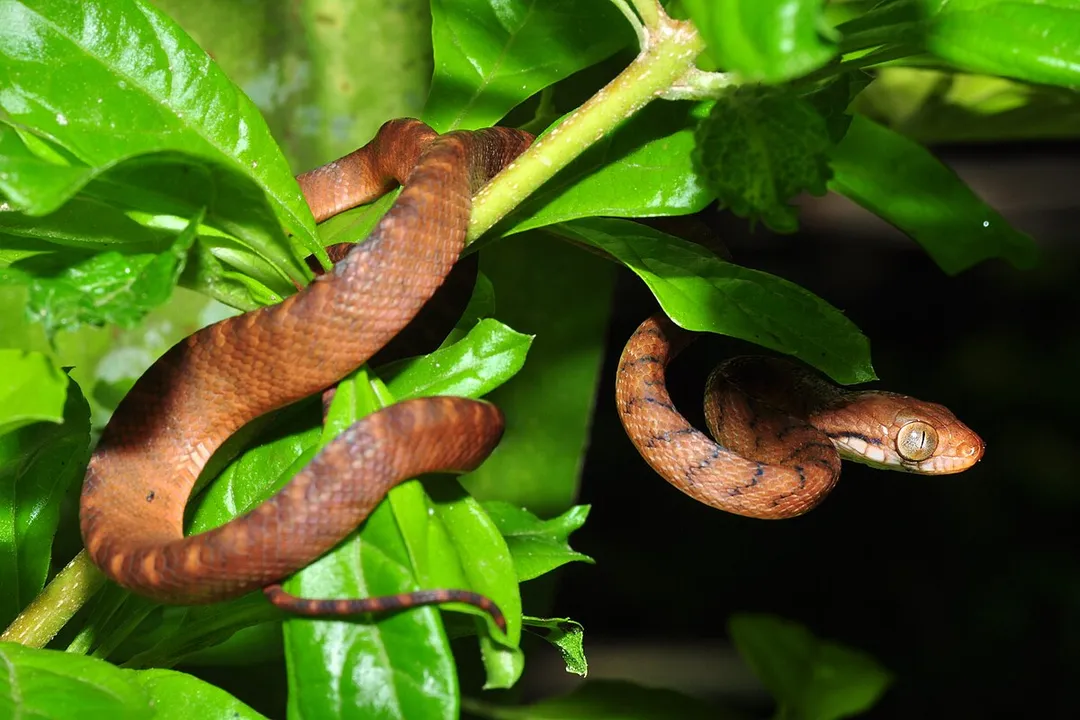
The story of the brown tree snake (Boiga irregularis) outside its native range is a cautionary tale written across the ecology of the Pacific islands, most famously the devastation it wrought on Guam. Understanding how this arboreal predator arrived on islands where it had no natural enemies requires tracing the logistical movements of human history, as the snake’s transfer was entirely accidental, a hitchhiker in the machinery of global conflict and reconstruction. [1][2][7]
# Post-War Arrival
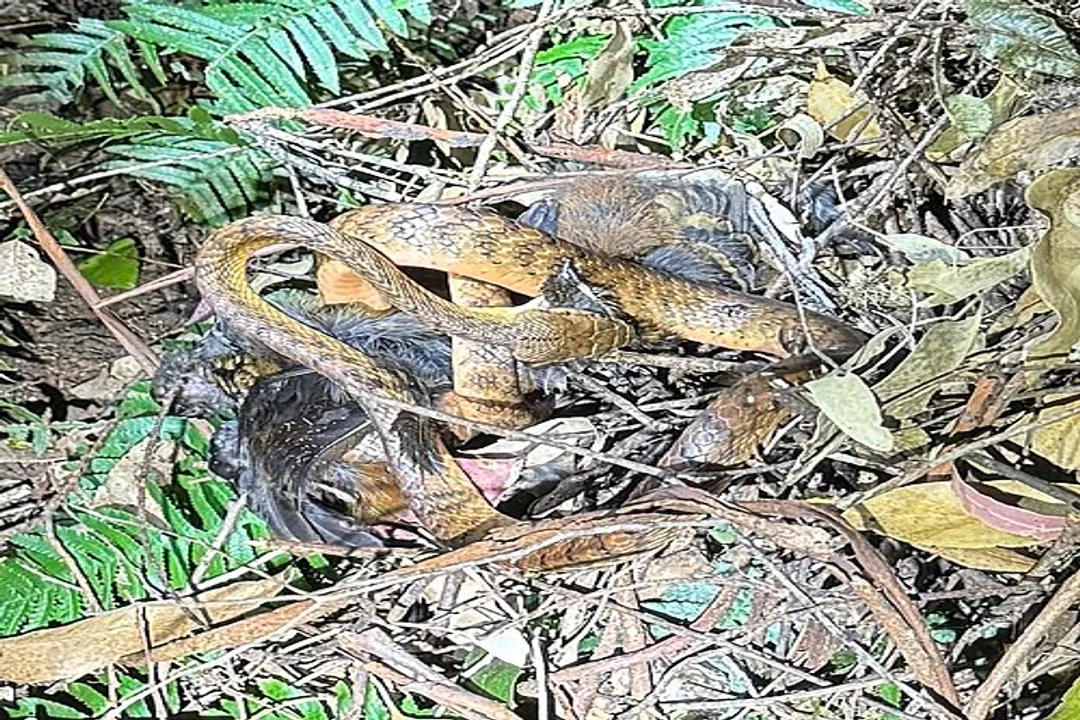
The overwhelming consensus among biological reports is that the introduction of the brown tree snake to Guam occurred in the aftermath of the Second World War. [3][7][9] Following the island's recapture from Japanese forces, there was a massive surge in activity as U.S. military personnel, equipment, and supplies flowed back into the region. [8] The initial vector for transfer was this influx of military cargo shipments arriving from areas where the snake was endemic, such as New Guinea and other Pacific islands. [3]
These shipments were not just isolated containers; they represented a high volume of material being moved quickly to support a sustained military presence. [1] While the snake is native to Australia, Indonesia, Papua New Guinea, and the Solomon Islands, its presence on Guam signals a very specific, singular introduction event tied to these wartime and immediate post-war logistical operations. [2][7] The sheer scale and speed of the military buildup created an environment where even a few hidden snakes could establish a viable breeding population before their presence was even noted. [4]
# Cargo Hiding Spots
For a nocturnal, semi-arboreal species like the brown tree snake, the interior of stored cargo offers an ideal, insulated, and protected microhabitat for long-distance travel. [1][2] The primary mechanism of transfer involved the snakes stowing away undetected within the materials used to secure and ship goods. [2]
The most frequently cited hiding places include:
- Wooden Crates and Pallets: Rough-cut lumber and untreated wooden pallets, common structural elements in shipping materials at the time, provide countless cracks, crevices, and voids perfect for a snake to coil up in for days or weeks. [1][2][7]
- Machinery and Equipment: Larger items, especially those that were stored or uncrated quickly, often retained packing straw, foam, or protective wrappings where a snake could easily conceal itself during transit. [2]
- General Packaging: Any form of dense packaging material used to cushion items during transport became a potential temporary refuge. [1]
It is important to recognize the context of that era. The nature of rapid, high-volume post-war military logistics likely involved less stringent, standardized inspection protocols for non-essential packaging materials compared to the highly formalized biosecurity checks seen in many international commercial shipping lanes today. This created a functional 'blind spot' where cryptic, established populations could be inadvertently transported across significant geographic barriers. [1][3]
# Current Transfer Pathways
While the initial introduction to Guam is a historical event, the method of transfer remains the chief concern for preventing further spread to vulnerable ecosystems, such as Hawaii. [6] The brown tree snake is now categorized as a high-risk invasive species for any location lacking natural predators because its primary mode of dispersal continues to be accidental human transport via global commerce. [6][9]
The pathways mirror the historical precedent but apply to modern shipping containers, commercial freight, and even personal vehicle transport:
- Inter-island/International Shipping: Cargo ships remain the most significant modern threat. Snakes can hide in the deep recesses of containers, ship ballast, or within the wooden components of freight. [6]
- Aircraft Cargo: While less common than sea freight, snakes can enter aircraft cargo holds, especially if originating from areas with established populations. [1]
- Personal Shipments: Military personnel returning home, or civilian contractors moving between islands, sometimes unknowingly transport snakes in stored equipment or household goods. [1]
For instance, in efforts to protect Hawaii, which mirrors Guam’s vulnerability with its diverse native bird population—including the critically endangered ʻAkikiki—biosecurity protocols are intensely focused on inspecting materials coming from known high-risk areas. [6] Given the snake's known affinity for dark, sheltered spaces within wooden structures, emphasizing the thorough inspection of raw timber and crating materials, even for seemingly benign shipments, is critical for preemptive biosecurity programs nationwide. [6]
# Vector Dynamics Comparison
The comparison between the initial WWII transfer and modern transfer risks highlights a shift in inspection focus, though the underlying vulnerability remains the same.
| Transfer Era | Primary Vector | Scale/Speed | Inspection Environment |
|---|---|---|---|
| Post-WWII (Guam) | Military Cargo & Equipment | Massive, rapid mobilization | Less formal, focused on materiel readiness |
| Modern Era (Preventing Spread) | Commercial Freight & Shipping | Continuous, global trade | Increasingly formalized biosecurity checkpoints |
| [1][2][6][7] |
The key difference is that the original Guam introduction was a singular, massive introduction event facilitated by the immense logistical demands of war, whereas modern transfers are usually smaller, isolated stowaways resulting from the everyday pace of global trade. [7] Nevertheless, because the brown tree snake is cryptic and reproduces successfully, even a single successful stowaway can initiate a new ecological disaster if it reaches an uncolonized island. [9] The fact that the snake can thrive in these diverse, human-associated environments—from cargo holds to the dark spaces beneath a wooden shed—is what makes its passive transport so effective and so dangerous. [1] The transfer mechanism, whether driven by war logistics or commercial necessity, relies entirely on the snake's ability to remain unseen within man-made structures during transit. [2]
# Ecological Fallout
The consequences of this accidental transfer on Guam are staggering and serve as the starkest evidence of the danger posed by unchecked invasive species movement. [4] The brown tree snake has caused severe ecological collapse on Guam, leading directly to the local extinction of several native bird species, including the Guam flycatcher, and drastically reducing populations of others like the Guam rail. [4] This highlights that the how of the transfer is intrinsically linked to the why we must prevent it: because a single, poorly checked wooden pallet can carry an extinction event across oceans. [5][4] The transfer wasn't an intentional act of biological introduction, but a tragic byproduct of human activity that reshaped an entire island's native wildlife community. [7]
Related Questions
#Citations
Brown tree snake - Wikipedia
Brown Tree Snake - Texas Invasive Species Institute
Brown Treesnake - Guampedia
The Guam Flycatcher went extinct due to the accidental introduction ...
ISU scientist details the indirect effects of an invasive species in Guam
Plant Industry Division | Brown Treesnake Program - Hawaii.gov
Biology and Impacts of Pacific Island Invasive Species. 2. Boiga ...
Case Study: Brown Tree Snake - state.gov
Review of Brown Treesnake Problems and Control Programs