How rare are Berger Picards?
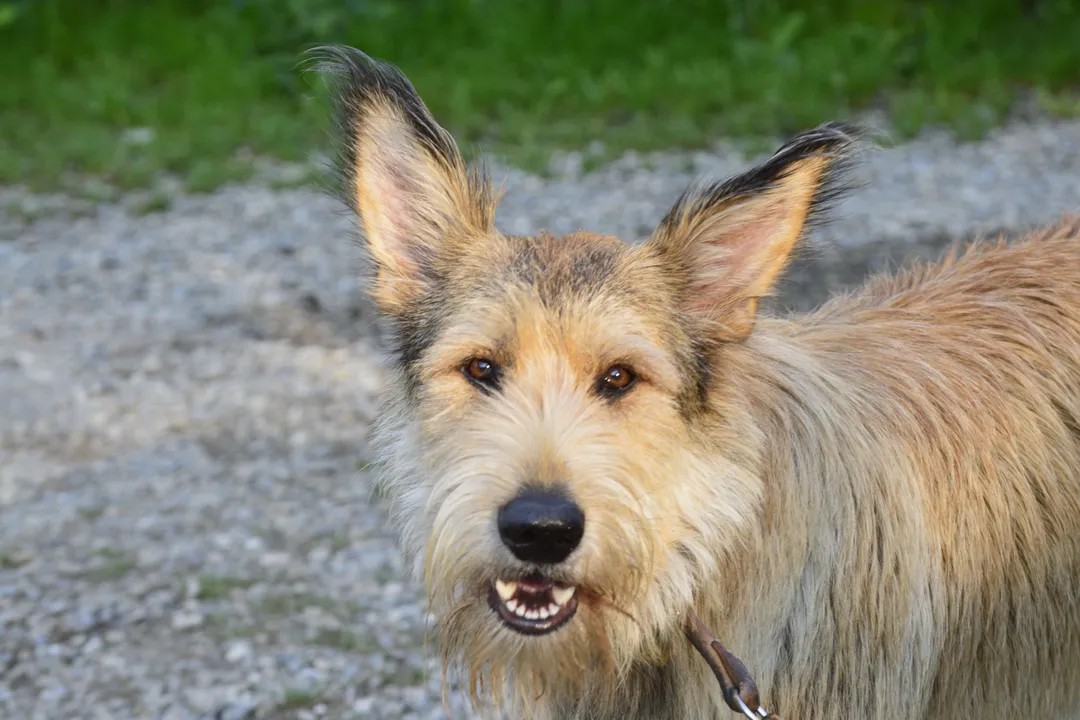
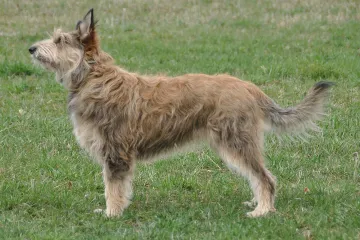
The Berger Picard, with its alert expression, rugged coat, and slightly mischievous demeanor, remains one of the more elusive breeds one might encounter at the local dog park. While they have garnered significant attention in the conformation world, particularly since achieving full recognition from major kennel clubs, the reality for most dog enthusiasts is that seeing a Picard is still an uncommon event. Their rarity isn't due to recent dramatic population crashes, but rather a long history of remaining confined to their native France and a slow, deliberate introduction to the global stage. [2][6]
This fascinating herding dog, originating in the Picardy region of northern France, boasts ancient lineage, likely tracing back to the dogs that accompanied early Celtic tribes. [2][5] Unlike some breeds whose numbers plummeted during 20th-century wars, the Picard population suffered primarily from a gradual decline in the necessity for their traditional farm work, combined with a fierce dedication among breeders to maintain breed purity rather than prioritize rapid proliferation. [2]
# Club Recognition

A significant marker for any breed's standing and, indirectly, its population size, is official kennel club acceptance. In the United States, the Berger Picard achieved full recognition by the American Kennel Club (AKC) in the Herding Group in 2015. [1][7] This was a major milestone, allowing them to compete in all AKC events, including the prestigious Westminster Kennel Club Dog Show. [5][7] Prior to this, they had been navigating the lower tiers, such as the Miscellaneous Class or the Foundation Stock Service (FSS), which typically indicates a still-developing population size necessary for full acceptance. [6]
The fact that they achieved full recognition means their numbers were sufficient and stable enough within the dedicated breeding community to meet rigorous health and structure standards required by the AKC. However, being recognized does not equate to being common. For instance, a breed that ranks in the top 100 registered dogs nationally will still be seen far more often than one ranked in the lower tiers, suggesting that while the Picard has gained legitimacy, it has not yet experienced the explosion in registration numbers seen by breeds that reach full status.
# American Introduction
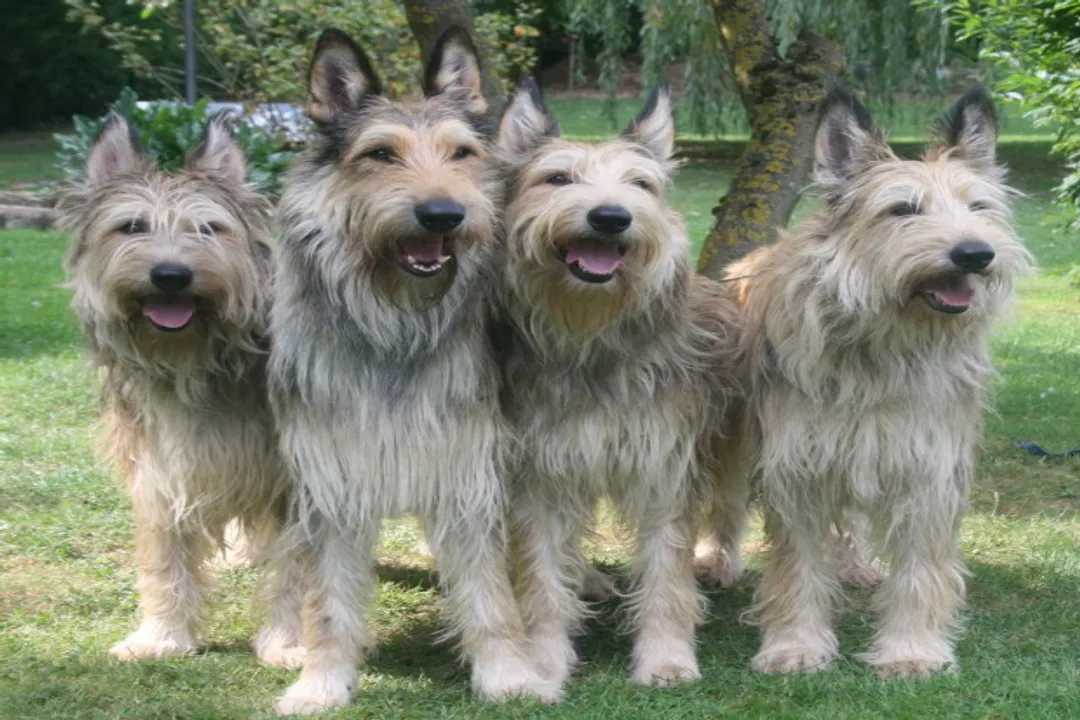
The journey of the Berger Picard to North America was a gradual one, which certainly contributes to their current relative scarcity outside of Europe. While the breed has existed in France for centuries, their formal introduction to the United States happened much later. [2][6] The Berger Picard Club of America (BPCA) was established to promote and protect the breed standards, indicating a concerted, organized effort to build the population base required for international acceptance. [6]
Breeding efforts have historically been focused on quality over quantity. Reputable breeders of Picards have often prioritized temperament, working ability, and health clearances, which inherently limits the number of available puppies in any given year. [8] This careful approach, while beneficial for the long-term health of the gene pool, inherently keeps the overall population numbers lower than breeds where high volume production is more common.
We can observe a general trend where breeds that require international importation to establish a viable gene pool take significant time to reach modest saturation levels in new countries. When looking at the official literature from breed clubs, the emphasis is often on preserving the breed's unique character rather than aggressively expanding its footprint. [8]

# Rarity Metrics
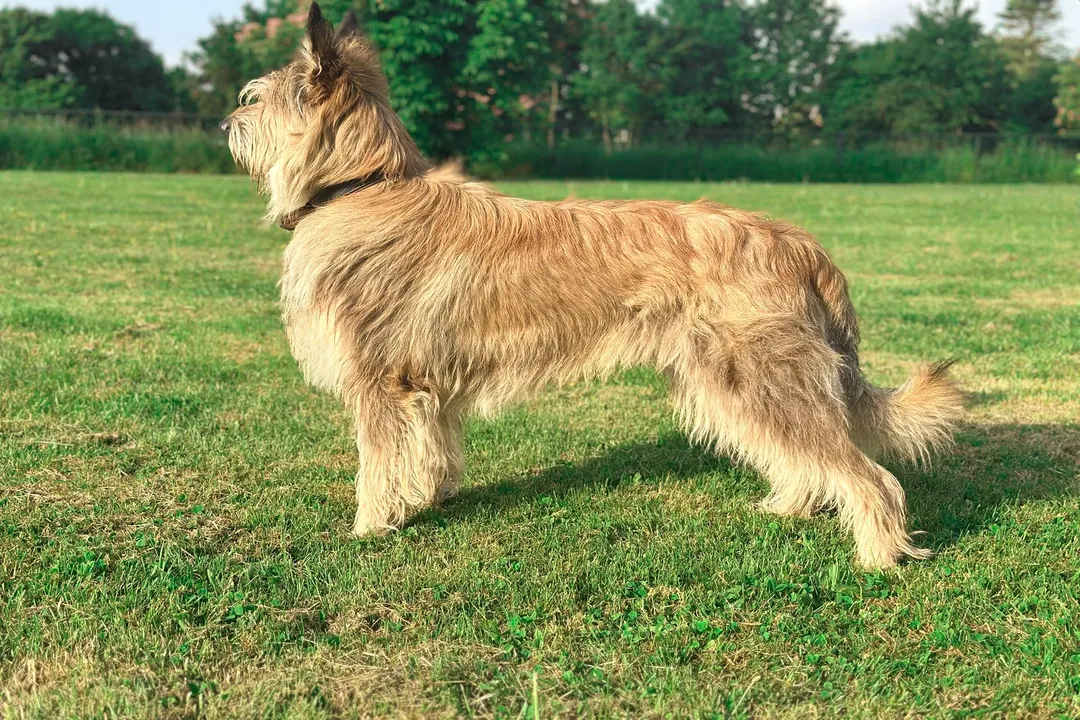
Quantifying rarity often relies on hard registration statistics, which can be difficult to find aggregated universally across all sources. What we can infer from the available data is that the Berger Picard remains firmly in the category of "less common" breeds within the United States. [2][7]
When comparing the Picard to other herding breeds—say, the Australian Shepherd or the Border Collie—the difference in visible presence is stark. If we imagine a spectrum of breed popularity, the Picard sits far closer to the "rare" end than the "popular" end, despite their hard-won recognition. [2] While specific rankings fluctuate annually, breeds that are fully recognized by the AKC but still rank outside the top 100 or even top 150 in annual registrations are statistically rare in the general dog-owning public's view. [1]
The rarity is further compounded by the fact that a significant percentage of the breed's population exists within the small, dedicated network of enthusiasts and breeders who actively participate in club activities. [6] For the average person, the chances of seeing a Berger Picard randomly are significantly lower than seeing many other established breeds recognized decades prior.
If we were to construct a very rough estimation based on the population dynamics of other breeds that achieved full AKC status in the 2010s, we might deduce that the total number of purebred Berger Picards in the US is likely in the low thousands, perhaps hovering around the 5,000 to 10,000 mark, a figure that sounds substantial but is minute compared to the hundreds of thousands of registered dogs in the most popular groups. [1] This calculation highlights that while they are thriving within their community, they are far from mainstream.
# Ownership Hurdles
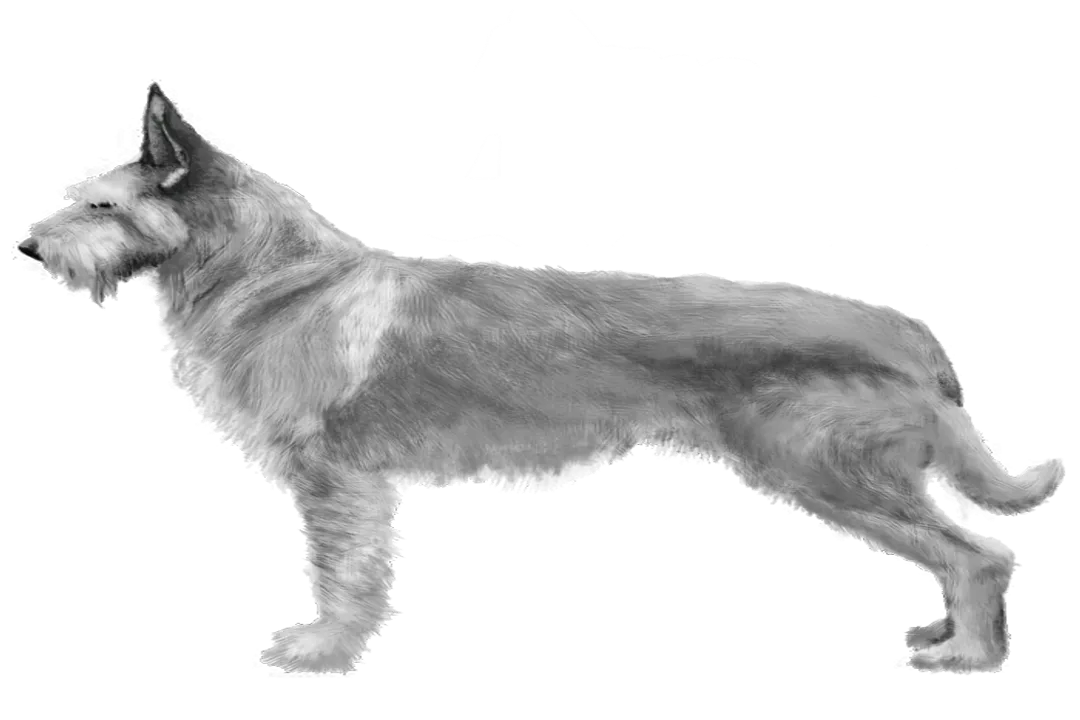
The inherent scarcity of the Berger Picard translates directly into specific considerations for prospective owners, moving beyond simple availability. Because the breeding community is intentionally small and focused, acquiring a well-bred puppy is often a waiting game that requires significant dedication. [8]
The search process itself often acts as a natural barrier against casual ownership. Unlike breeds commonly found through local general advertising, prospective Picard owners usually must engage directly with the official breed club or trusted breeders who might be located across state lines. [6] This geographical limitation means that the rarity is not just about how many dogs exist, but where they exist. A family in the Southeast might need to plan a trip or coordinate extensive transport arrangements to bring home a puppy from a breeder based in the Pacific Northwest or the Midwest, an effort rarely required for the top 50 breeds. [8]
Furthermore, the dedication required to maintain this breed's integrity contributes to its perceived rarity. Responsible breeders are selective, often requiring potential buyers to demonstrate an understanding of the breed’s needs—high energy, moderate grooming, and a strong desire to herd or work—before approving a placement. [2] This vetting process ensures that the dogs that are bred are likely to stay within supportive homes, further stabilizing the population while simultaneously slowing the rate of rapid, widespread dispersal.
The commitment involves more than just a financial transaction. For a rare breed, the onus often falls more heavily on the owner to connect with the community for support, advice, and health information, as local vets or trainers may have little to no direct experience with the Picard. [3] This dependence on the established, smaller network reinforces the in-group nature of Picard ownership, making the breed feel less accessible to the general public.
# Breed Status Summary
Considering all these factors—the relatively recent full recognition, the history of controlled breeding, and the geographic limitations on availability—the Berger Picard must be categorized as a rare breed in North America and globally, outside of its native France. [2][7] They are not critically endangered, as dedicated clubs are actively managing their growth and health. [6] Instead, they occupy a niche space: a recognized, legitimate breed whose population is managed carefully to preserve its working heritage and unique characteristics. Their rarity is, therefore, a byproduct of conscientious stewardship rather than accidental neglect. For those who do seek one out, the challenge of finding a puppy is often seen as part of the rewarding experience of bringing home such a unique and ancient companion.
Related Questions
#Citations
Berger Picard Facts You May Not Know - American Kennel Club
Berger Picard Breed Characteristics and Standards
Berger Picards - Dog Breeds - Embark
We were told Berger Picard/ terrier mix. Waiting on results ... - Reddit
berger Picard | Deborah Silver & Co.
Berger Picard - The Westminster Kennel Club
History in America - Berger Picard Club of America
About Berger Picards
Berger Picard: Dog Breed Characteristics & Care - The Spruce Pets