What were Berger Picards bred for?
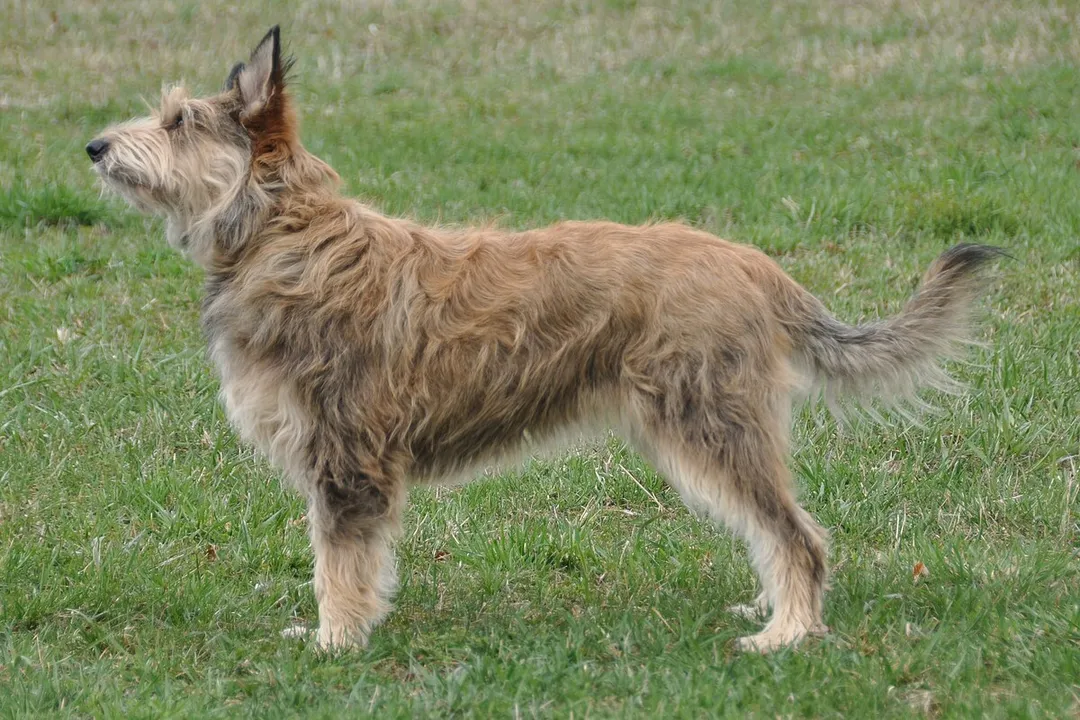
The Berger Picard, or Picardy Shepherd, is a breed steeped in the agricultural history of northern France, where its primary mandate was simple yet essential: manage livestock. [5][6] These dogs were not the product of recent selective breeding aimed at a specific show standard; rather, they evolved as the indispensable, multi-talented farm assistant for Picardy’s shepherds and farmers. [3][5] Their entire existence revolved around utility—keeping flocks safe, secure, and moving across the often challenging terrain of their native region. [5] They were the common, working canine of the countryside, valued for their intelligence and stamina over glamour. [6]
# French Origins
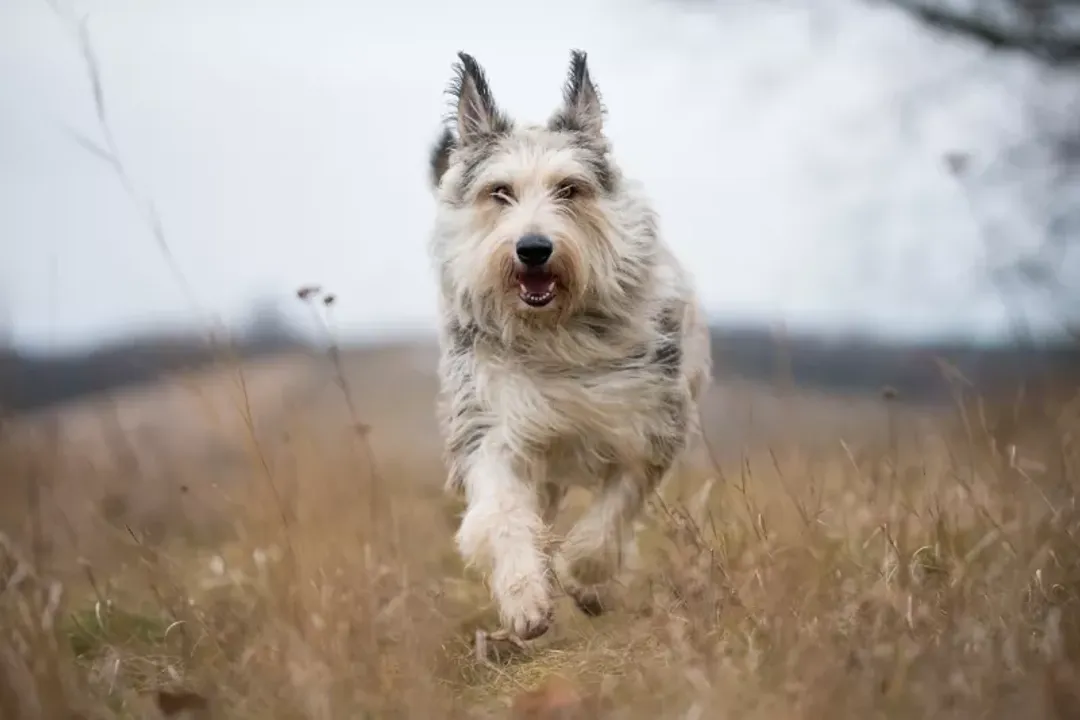
The ancestry of the Berger Picard is ancient, reportedly tracing back many centuries within the Picardy region. [1][5] While records can be sparse for such old working dogs, their presence in French agricultural life predates the 19th century, establishing them as one of France’s native breeds. [5][6] Unlike some breeds whose history is tied closely to royalty or specific military needs, the Picard’s heritage is firmly rooted in the daily life of the common person—the farmer trying to maintain a livelihood. [5] They were known locally as Berger Picard or Picard Sheepdog. [6] This deep-seated connection to the land suggests that their foundational traits were solidified through continuous use in the same environment for generations, favoring hardiness and practical skill. [1]
# Herding Duties
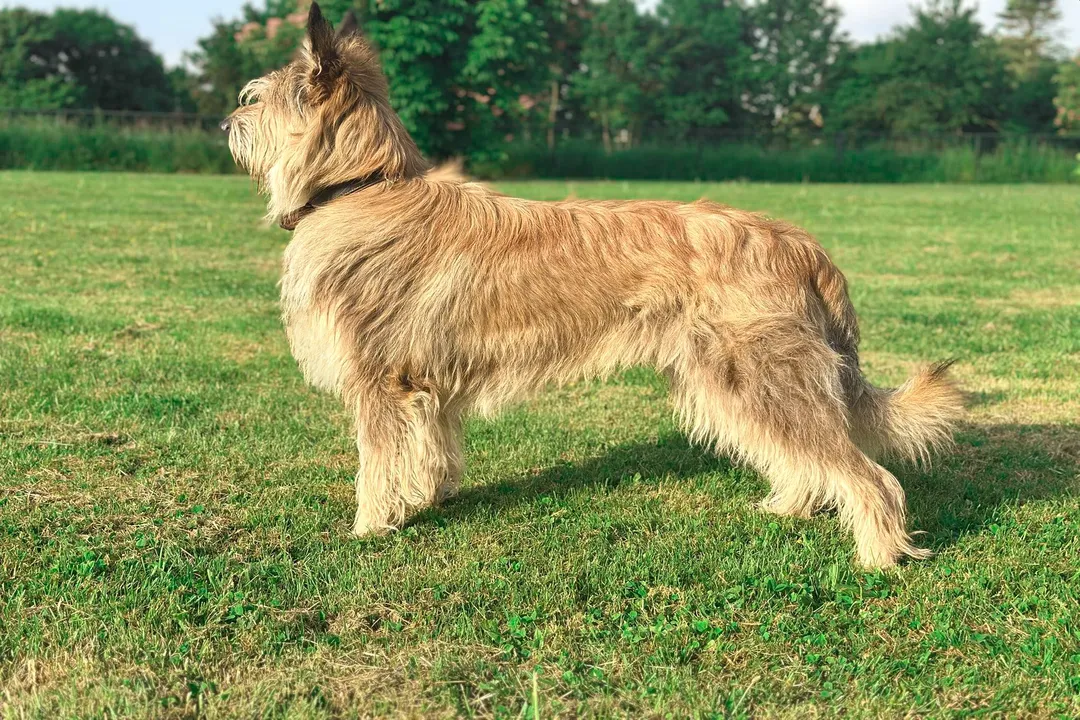
The core purpose for which the Berger Picard was developed was herding, specifically managing sheep and cattle. [1][3][5][9] This work required a specific set of traits that breeders implicitly selected for over time. They needed to be vigilant, possessing an inherent alertness that allowed them to anticipate problems before they escalated. [1][5] Agility was paramount for navigating the local fields, and endurance was necessary for long days accompanying the flocks. [1] While many herding breeds specialize—some are known for "gathering" or "driving"—the Picard was valued as an all-around farm dog. [5] They needed enough independence to work at a distance from the shepherd but enough bond to respond reliably to commands. [1] They are described as being attentive and watchful, traits crucial when guarding stock against predators or straying. [5]
A fascinating element of their working profile is that they were historically favored not just for sheep, but also for cattle management, which often requires a firmer, more imposing presence than sheep herding alone. [5][6] This dual capability speaks to a versatile temperament, capable of subtle pressure for sheep and perhaps more assertive control when needed for larger stock. [5]
# Built for Work
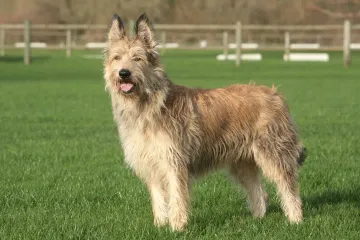
The physical attributes of the Berger Picard are direct answers to the demands of their original job description. Their medium build suggests an excellent balance: strong enough for demanding work but agile enough to remain nimble. [1] Perhaps the most defining physical feature linked to their environment is their shaggy, somewhat harsh, weather-resistant coat. [1] Northern France experiences significant variable weather, and a coat designed to repel rain and insulate against cold without becoming cumbersome was a necessity for a dog spending its life outdoors with the herd. [1] Their natural, somewhat rough appearance also served a function, likely helping them blend into a rustic farm setting while still projecting enough of a presence to deter minor threats. [5] Their movement is described as free and light, indicative of a dog built for covering ground efficiently day after day. [1]
It is worth noting that because they were valued purely for function, their appearance varied significantly until the breed's standardization efforts began in the 20th century. [5] A farmer needed a dog that worked, and minor variations in ear set or tail carriage were secondary to performance. This contrasts sharply with breeds developed later under kennel club scrutiny where conformation often became the primary measure of quality. The Berger Picard’s initial breeding success was measured in pounds of wool or bushels of grain safely managed, not ribbon count. [5]
# Survival Struggle
The working utility of the Berger Picard almost failed to make it into the modern era. Two global conflicts profoundly impacted the breed in its homeland. [1][5] World War I and, even more severely, World War II decimated the dog population generally, and the already relatively small population of Picards suffered catastrophic losses. [5][6] Furthermore, the modernization of agriculture following the wars led to changes in farming practices that reduced the need for traditional, itinerant shepherds and their dogs. [5]
By the mid-20th century, the breed was teetering on the brink of extinction. [1][5] It took the dedicated efforts of enthusiasts, most notably a few breeders who worked to locate the remaining true examples of the Picard, to pull the breed back from the edge. [5] This near-disappearance reinforces the idea that their original existence was purely utilitarian; once the utility waned, the breed had little residual popularity to sustain it, unlike more glamorous or widespread breeds. [6] The fact that dedicated individuals actively sought out and preserved the breed highlights their perceived historical value, even when the world was moving away from traditional farming. [5]
# Modern Recognition
The path from obscure French farm dog to internationally recognized breed has been a gradual one, illustrating the time required for a functional breed to gain formal acceptance based on its historical merits rather than modern trends. [9] The United Kennel Club (UKC) acknowledged the Berger Picard in 1993. [9] However, gaining entry into the American Kennel Club (AKC) took significantly longer; they were officially recognized by the AKC in 2015, placing them firmly in the Herding Group. [2] This late entry into major international registries speaks volumes about their historical focus: they were working dogs first, show dogs a distant last. [7]
To put this timeline into perspective regarding the breed's relatively late mainstream arrival, consider the contrast in formal acceptance:
| Registry | Year of Recognition (Approximate) |
|---|---|
| UKC | 1993 [9] |
| AKC | 2015 [2] |
| Westminster | After 2015 (as part of AKC inclusion) [7] |
While Westminster saw the breed compete relatively recently, its history is centuries old, representing a gap between genuine experience in the field and official kennel validation. [7] Today, while many Picards still excel in herding trials and possess the innate drive, they are increasingly found as active companions and performance dogs in various canine sports. [1][2] The breed standard remains focused on maintaining the look and temperament of that original, hardy French herder, ensuring that the traits that made them invaluable to the farmer—intelligence, alertness, and resilience—are preserved, even if the "field" is now often a backyard or agility course. [2][5] Their enduring appeal rests on that foundation of genuine, hard-won experience in the pastoral life of Picardy. [1]
Related Questions
#Citations
Berger Picard - Wikipedia
Berger Picard - Dog Breeds - American Kennel Club
The Berger Picard is an ancient breed developed by the farmers and ...
History in France - Berger Picard Club of America
Berger Picard - All About Dogs | Orvis
The Berger Picard - Double D Picards & German Wirehaired Pointers
Berger Picard - The Westminster Kennel Club
Breed Standards : Berger Picard | United Kennel Club (UKC)