What is the life expectancy of a Berger Picard?
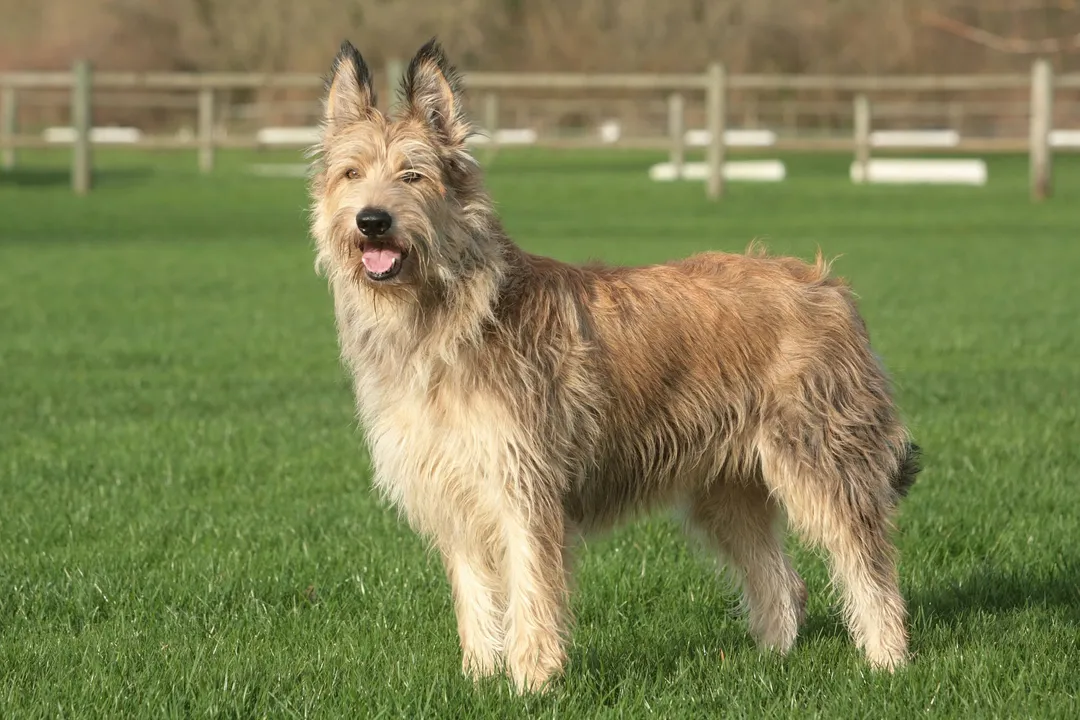
The expected longevity for a Berger Picard generally falls within a window of 12 to 15 years. [5] This range places the Picard in a typical bracket for many medium-to-large dog breeds, suggesting a good potential for a long companionship, provided they receive appropriate care throughout their lives. [5] When we compare this to the general lifespan data available for various breeds, the Picard sits comfortably in the middle, indicating a relatively sound genetic foundation as an ancient working dog. [4][8]
# Years Expected

The 12-to-15-year projection is a benchmark, not a guarantee, and it reflects the breed's historical development as a rugged, independent pastoral dog from the Picardy region of France. [4][8] This background, steeped in practical, demanding work on farms, likely favored dogs with natural hardiness and stamina. [1][7] Unlike some modern breeds developed solely for show or specific, highly specialized tasks, the Picard's ancestors were selected for durability over centuries, which often translates into fewer inherited predispositions to severe, life-shortening conditions. [4][3]
# Breed Background
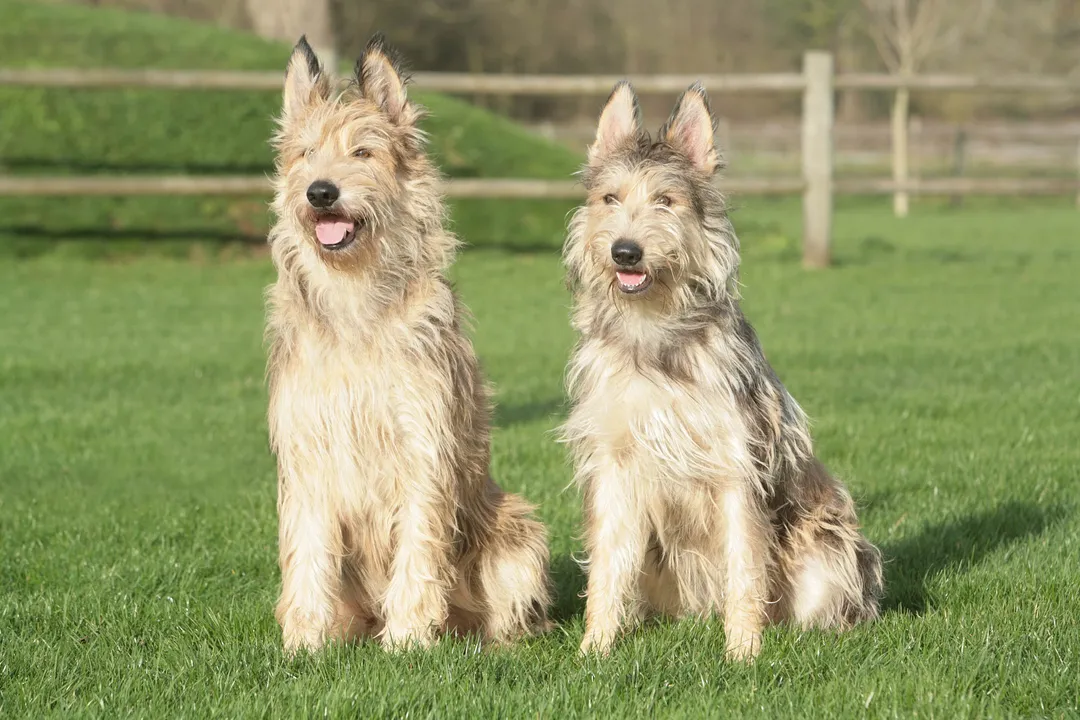
Understanding why they have this lifespan requires appreciating their history. The Berger Picard is considered one of the oldest French herding breeds. [8] Farmers and sheep herders relied on them for their intelligence, alertness, and ability to work independently in harsh conditions. [8][7] This rugged heritage means they are generally considered a hardy breed. [7] They are noted for their expressive eyes, shaggy coat, and often mischievous or playful nature. [1][2] The breed gained official recognition in the United States relatively recently, with the American Kennel Club accepting them into the Herding Group. [1][6]

# Health Concerns
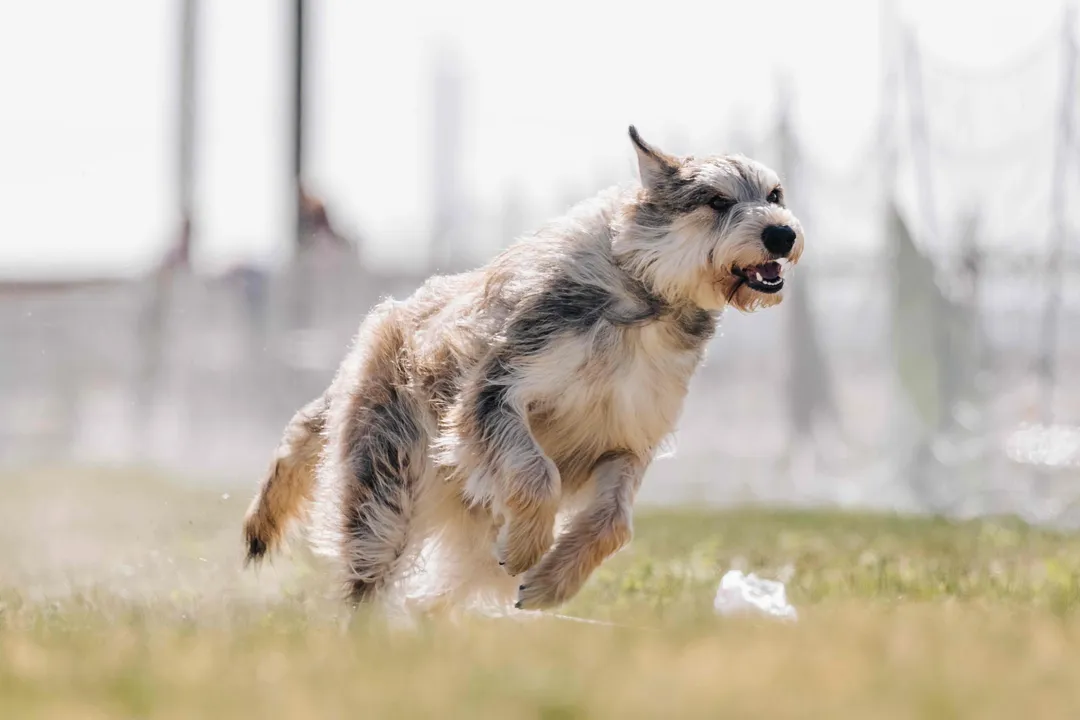
While hardy, no breed is exempt from health issues, and awareness of potential problems is key to maximizing that 12-to-15-year window. [3] Common concerns in dogs of this size often include hip and elbow dysplasia, though the Picard is not as frequently burdened by these issues as some larger breeds. [2][3] Owners should also be mindful of potential eye problems, such as progressive retinal atrophy (PRA). [2] Another area requiring owner diligence is thyroid health, as some pastoral breeds can be susceptible to hypothyroidism. [9] Responsible breeders screen for these issues, but regular veterinary check-ups remain essential for early detection and management. [3][9]
# Care Factors
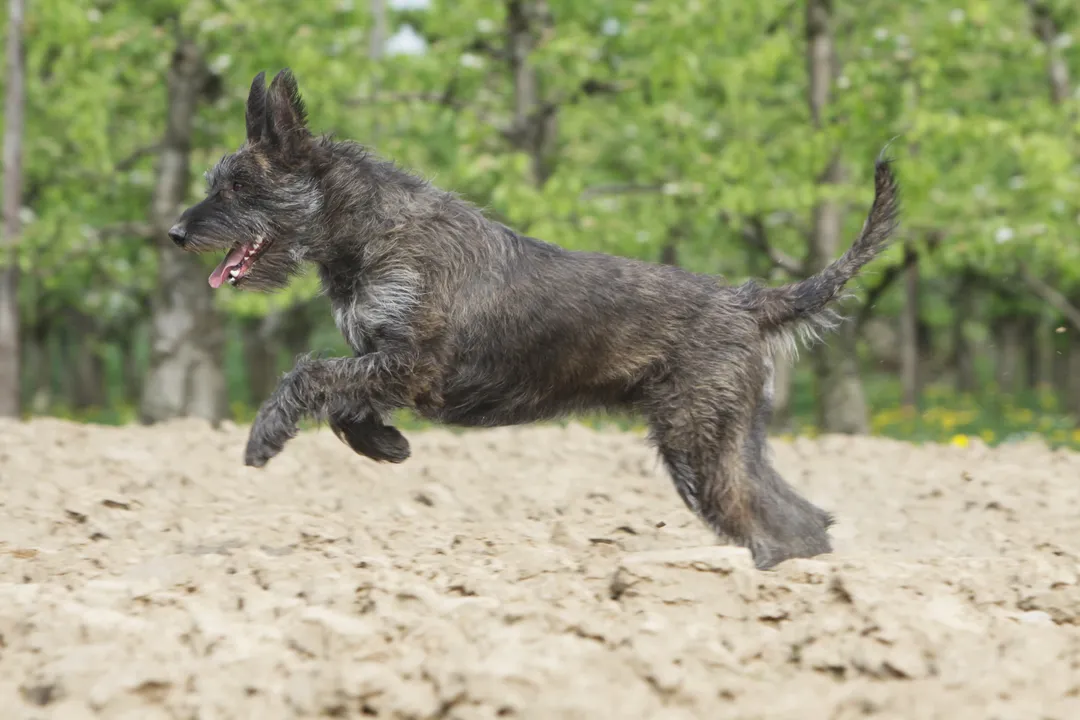
Maintaining a healthy Picard involves meeting its significant physical and mental needs. These dogs are not couch potatoes; they require substantial daily exercise to keep them fit and balanced. [9][7] A short walk around the block will not suffice for a dog bred to patrol large fields. [7] Furthermore, their high intelligence, which makes them capable workers, also means they need consistent mental stimulation. [3] A Berger Picard who is bored can quickly become a destructive or anxious companion. [9]
A key component of maximizing longevity relates directly to this activity level. A Berger Picard's need for mental work, stemming from its herding background, is not just about preventing destructive behavior; consistent cognitive engagement, such as advanced obedience training, agility, or even complex puzzle toys, may contribute directly to maintaining neuronal health, potentially extending the quality of their later years—a concept beyond mere physical health checks. [3][9] If their mind is actively used, the dog remains engaged and less prone to stress-related ailments which can diminish lifespan.

# Longevity Modifiers
Several factors directly influence whether a specific Picard reaches 12 years or pushes past 15. Diet quality is paramount. [3] Since they are energetic dogs, they require a high-quality commercial dog food appropriate for their activity level, avoiding overfeeding, which is detrimental to joint health and overall systemic function. [2]
Considering the typical weight range of these medium-to-large dogs (around 50 to 70 pounds), [2][4] while they aren't giant breeds prone to rapid joint deterioration, careful monitoring of early weight gain is crucial. For an active dog like the Picard, maintaining a lean body condition throughout their prime years might offer a few extra months or years of high mobility compared to slightly overweight peers, simply by reducing long-term orthopedic strain. [2][3]
Veterinary care is another non-negotiable aspect. Preventative medicine, including vaccinations, parasite control, and annual senior wellness panels once they begin aging, helps catch silent diseases early. [9] Because Picards can be sensitive or reserved with strangers, establishing a strong, trusting relationship with a single primary veterinarian is helpful, ensuring they are calm enough during exams to allow for thorough physical assessments. [2][6]
# Temperament and Lifespan
The Picard's temperament is characterized by being confident, loyal, and sometimes aloof with strangers. [6][2] This natural self-possession is part of their charm, but it also means they thrive on routine and a predictable environment. [1] Stress, often caused by inconsistent training or chaotic home life, places a load on a dog's system that can subtly erode health over time. A stable home life, where their herding instincts are channeled positively, supports their overall well-being. [9] The breed is known for being bright and capable of learning, though they are not always eager to please in the same way as some other working breeds; they often work for the task itself rather than the reward. [3][7] This independent streak requires patience, which in turn fosters a less stressful relationship for both dog and owner. [2]

# Comparing Breed Factors
When looking at the Picard's expected years compared to other herding breeds, their rustic nature often correlates with longevity. [5] Breeds developed in isolation or under intense working pressure without heavy human intervention in breeding often possess a wider gene pool, which naturally buffers against the rapid accumulation of inherited diseases seen in some more intensely line-bred populations. [4] The Picard, while certainly having breed standards maintained by organizations like the Westminster Kennel Club [6] and the Berger Picard Club of America, [3] retains much of that foundational resilience. [1] The main difference an owner notices day-to-day is their high energy requirement; meeting these needs is arguably more critical to reaching the upper end of their lifespan projection than it might be for a less intensely driven breed of similar size. [7][9]
Ultimately, the time spent with a Berger Picard—whether it hits 12 or 16 years—is heavily dependent on the commitment the owner makes to respecting the dog's working heritage through dedicated physical exercise and continuous mental engagement. [3][7]
Related Questions
#Citations
Facts About the Berger Picard That You May Not Know
Berger Picard Dog Breed Health and Care
Berger Picard FAQ's
Berger Picard
LIFE SPAN OF Berger Picard - World Life Expectancy
Berger Picard
Berger Picard - All About Dogs
The Berger Picard is an ancient breed developed ...
Berger Picard 2025 Guide: Care, Training & Temperament
Berger Picard: Character, Health, Feeding, Price, and Care