What's the best dog food for Bichon Frise?
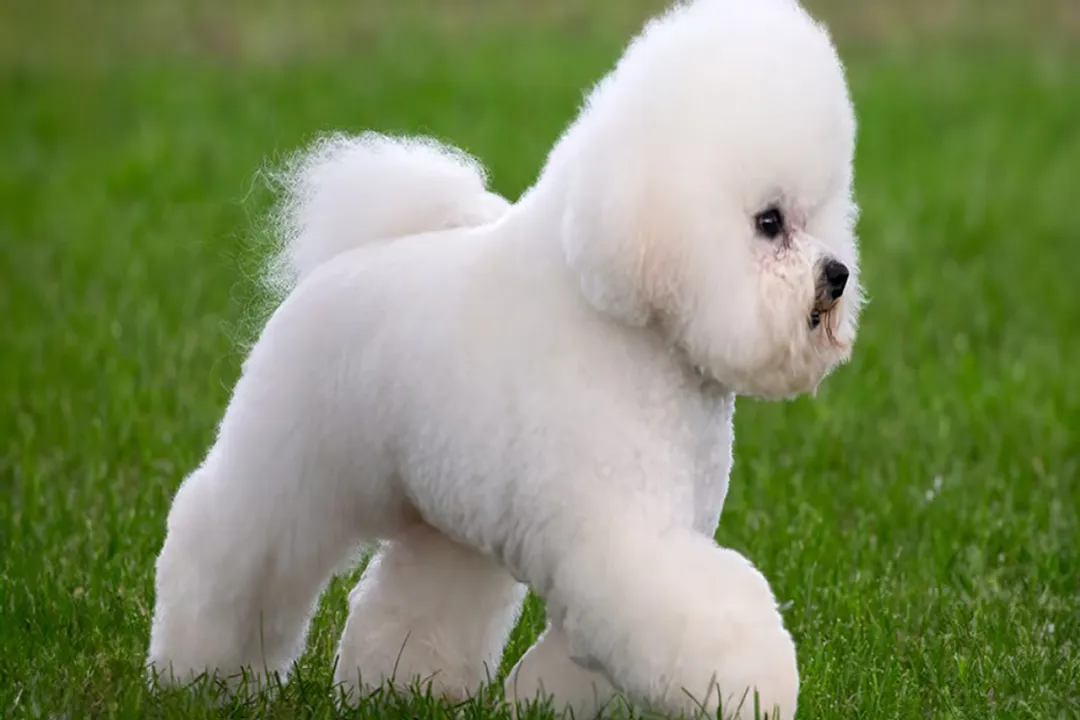
Choosing the right nutrition for a Bichon Frise involves more than just picking up the closest bag of small-breed dog food. These fluffy companions have distinct needs, particularly concerning their sensitive skin and coat, which is a hallmark of the breed. [1][4] Getting their diet right can significantly impact their overall health and that of their signature white coat.
# Breed Needs
The Bichon Frise falls into the small breed category, which inherently dictates certain dietary considerations. [10] Small dogs generally have faster metabolisms compared to larger breeds, meaning they need nutrient-dense food to meet their energy requirements. [6] However, because they are small, portion control is essential to prevent obesity, which can strain their joints. [4] A healthy adult Bichon should maintain a lean, athletic body condition. [4]
A critical health consideration unique to the breed involves their skin and coat. [4] Many owners report that their Bichons can be prone to skin issues or allergies, which means the quality and composition of the food matter greatly. [2][3] Diet plays a significant role in maintaining the health of the skin barrier and the shine of their coat. [1] For example, some specialized foods are formulated with specific nutrient blends, like omega-3 and omega-6 fatty acids, to support skin and coat health. [9]
# Ingredient Quality
When evaluating any potential food, the ingredient list is your most important clue regarding nutritional quality. [1] High-quality dog foods intended for small breeds should list a named meat source, like chicken, lamb, or fish, as the primary ingredient. [1][6] Avoid foods where the first few ingredients are composed primarily of unnamed meat meals or excessive grain fillers. [1]
For a breed often facing skin sensitivities, scrutinizing the protein and fat sources is key. [4] While chicken is a common staple, if a Bichon shows signs of itching or irritation, owners often look toward novel proteins or alternative protein sources like fish. [2][3] Digestibility is also important; look for ingredients that are easy on their small digestive tracts. [6] Some premium options focus on whole, recognizable ingredients, sometimes prepared through gentle cooking methods like baking or slow-cooking to retain nutrient integrity. [6]

# Food Format Selection
The market offers several formats for feeding your Bichon, ranging from dry kibble to fresh or gently cooked preparations. [6]
# Dry Kibble
Dry kibble remains a popular and convenient choice, often recommended by veterinarians and supported by specific breed formulations. [4][5] Brands that have specifically targeted the Bichon Frise often adjust the size and shape of the kibble. [5] The physical design of the piece can encourage the dog to chew properly, which can be helpful for small-mouthed dogs and may even help reduce tartar buildup on the teeth, a common issue in toy breeds. [1][5] Royal Canin, for instance, offers a formula tailored to the Bichon Frise that addresses both skin/coat health and encourages palatability for this breed. [5][9]
# Fresh Options
Recently, there has been a shift toward fresh or gently cooked food options. [6] These diets often use human-grade ingredients and are sometimes delivered fresh or frozen. [6] Owners who switch to these programs frequently report positive changes in their dog's coat texture and energy levels. [7] The trade-off is often cost and storage convenience compared to shelf-stable kibble. [6] When considering these options, ensure the fresh food is certified complete and balanced for the appropriate life stage by an organization like AAFCO. [1]
Here is a brief comparison based on format characteristics:
| Format | Primary Benefit | Potential Drawback |
|---|---|---|
| Dry Kibble | Convenience, shelf stability, kibble shape aids chewing [5][9] | May require more scrutiny to ensure high-quality ingredients [1] |
| Fresh/Cooked | High palatability, often uses whole ingredients [6][7] | Higher cost, requires refrigeration/freezing [6] |
When evaluating a kibble, one interesting point of comparison lies between a generic small-breed formula and a breed-specific one. While both might meet minimum nutritional standards, the breed-specific option often incorporates adjustments to the ingredient profile, such as higher levels of certain fatty acids or antioxidant packages specifically aimed at the Bichon's predisposition for skin issues. Paying close attention to the guaranteed analysis section for these fatty acids can be more telling than just the breed name on the bag. [1]
# Owner Observations
The real-world experience of other Bichon owners offers valuable perspective, often highlighting sensitivities not immediately obvious from general guidelines. [2][3][7] Across online communities, owners frequently discuss managing tear staining, which can sometimes be linked to diet, though the exact cause is multifaceted. [2] Many report that changing from generic foods to high-quality, grain-free, or limited-ingredient diets helped reduce excessive tearing or skin flare-ups. [3][7]
One recurring sentiment is the importance of observation. For instance, some owners noticed that while their dog tolerated one protein source (like beef) fine, switching to a fish-based or poultry-based diet suddenly cleared up dullness in their coat or minor itching. [2] Another owner noted that their puppy thrived on a specific formula until adulthood, at which point they needed to transition carefully to an adult maintenance diet to avoid weight gain. [7]
A practical step many dedicated owners take is rotating proteins every six to twelve months if their dog shows no specific allergies. [2] This proactive approach can sometimes prevent the development of a new sensitivity over time.
# Transitioning Diets
Switching your Bichon’s food, whether moving from puppy to adult formula or changing brands, must be done slowly to prevent digestive upset. [4] A sudden switch can lead to vomiting or diarrhea, which is especially concerning in a small dog that can dehydrate quickly. [4]
A gradual transition schedule generally looks like this:
- Days 1-3: Feed 75% old food, 25% new food.
- Days 4-6: Feed 50% old food, 50% new food.
- Days 7-9: Feed 25% old food, 75% new food.
- Day 10+: Feed 100% new food.
If you notice any digestive distress during this period, slow down the transition or revert to the previous ratio until the dog settles. [4] Monitor your dog’s stool quality throughout the change; firm, well-formed stool is the goal. [1]
# Finalizing the Selection
Ultimately, the "best" food is the one that agrees with your individual Bichon Frise, supports their energy levels, and maintains the luster of their white coat without causing skin or stomach issues. [1][4] While breed-specific options offer targeted nutrition, foods rated highly by independent advisors for overall quality—high in quality animal protein and balanced fats—are strong candidates. [1] Before making any major change, consulting with your veterinarian is always the soundest advice, especially if your dog has a history of chronic skin conditions or digestive sensitivity. [4] They can offer guidance based on your dog's specific health profile, perhaps even recommending specific therapeutic diets if warranted. [10]
Related Questions
#Citations
Best Dog Food for Bichon Frise 2025
What type of dog food is recommended for a bichon frise, grain-free ...
What do you guys feed your Bichon? : r/bichonfrise - Reddit
Providing a Healthy Diet for your Bichon Frise
Bichon Frise Adult Dry Dog Food | Royal Canin US
Best Dog Food For Bichon Frise: Benefits of Fresh Dog Food
Pet supplies for Bichon Frise - Yumwoof
Royal Canin Bichon Frise Small Breed Adult Dry Dog Food - PetSmart
Bichon Frise Dog Breed Information | Purina US