How do you identify a frogmouth?

The process of identifying a frogmouth, particularly the widespread Tawny Frogmouth native to Australia, often involves a keen eye for mimicry and an understanding of what it is not. These birds are masters of disguise, known for their incredible ability to blend into their surroundings, which leads to frequent misidentification, most commonly confusing them with owls. [5][6] The key to successfully spotting one lies in recognizing their unique facial structure, their daytime resting posture, and their strictly nocturnal habits. [2][7]
# Bird Appearance
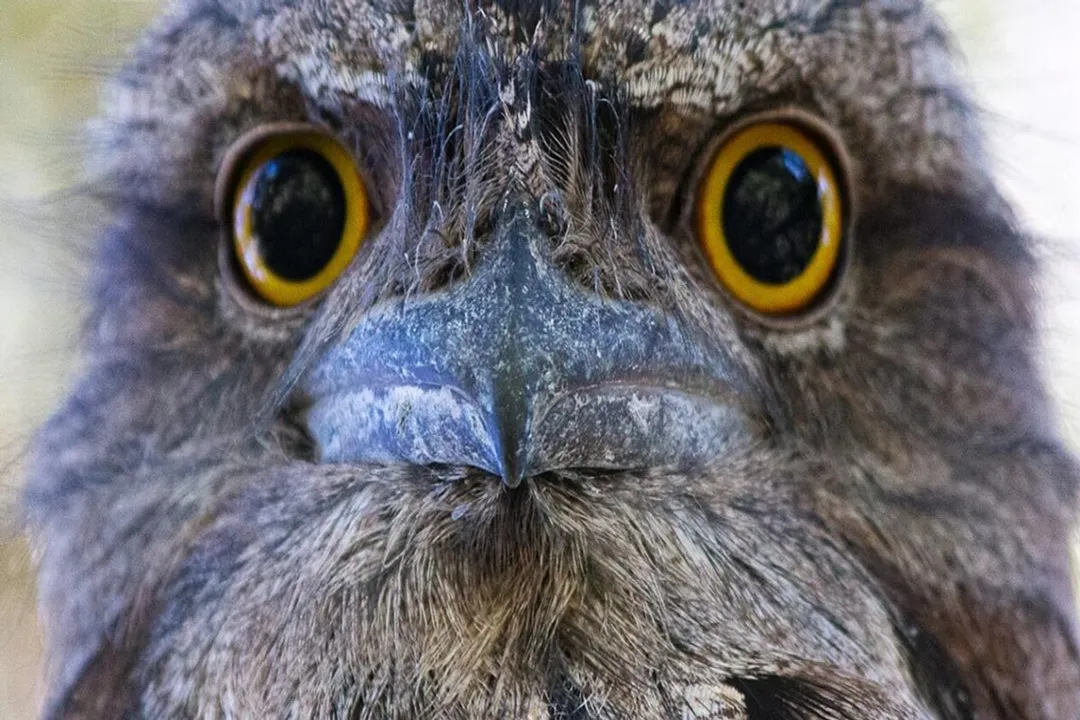
When you do manage to see a Tawny Frogmouth, its most striking features are related to its namesake. They possess remarkably large, forward-facing eyes, which are typically a bright yellow or golden color. [4] Unlike the delicate, pointed beak of many birds, the frogmouth sports a very broad, wide mouth, giving it a distinct, almost comical appearance when it opens its gape. [6] This wide mouth is structurally different from the sharp, hooked bill found on true owls. [5]
The plumage itself is generally a mottled grey and brown, offering exceptional camouflage that mimics tree bark or a broken branch stub. [2] This coloration is wonderfully variable, allowing them to fit into almost any wooded background. [6] In terms of size, these birds are substantial; males, for example, can reach heights of approximately 50 centimeters (about 20 inches). [9] Their overall look is soft and fluffy, not sleek or streamlined like many other nocturnal predators. [2]
# Owl Confusion
The single most important identification hurdle for a novice observer is distinguishing the frogmouth from an owl, as they occupy a similar niche and share large eyes. [5] Several physical differences can confirm you are looking at a frogmouth rather than an owl.
First, observe the bill structure. An owl possesses a short, sharply hooked beak designed for tearing flesh. [5] In stark contrast, the frogmouth has a flatter, broader bill, making its mouth gap much wider, which is how it catches insects and other prey in flight or on the ground. [6]
Second, consider head features. Many owls possess prominent ear tufts—feather clusters that resemble ears—though not all owl species have these. Frogmouths, however, typically lack these tufts entirely. [5] While their eyes are large like an owl's, the frogmouth’s eyes are set on a relatively flat face, contributing to their distinctive expression. [4]
It is helpful to remember that although they are birds, frogmouths are not closely related to owls; they belong to the order Caprimulgiformes, the nocturnal insect-eaters, which also includes nightjars. [5] This difference in taxonomy explains the fundamental structural variations between them.
# Behavioral Clues
If visual identification is difficult due to their camouflage, observing when and how they behave provides excellent clues. Tawny Frogmouths are strictly nocturnal. [7] During the day, they perch motionless, often choosing a spot where they can tuck their head in or stretch their body upward to perfectly mimic a broken branch or bark snag. [2][6] If you spot a bird that seems unnaturally still, almost like a piece of wood that has sprouted eyes, this daytime immobility is a massive identifier.
When hunting at night, they employ a sit-and-wait strategy, or "sallying" out from a perch to snatch insects, spiders, snails, and occasionally small vertebrates from the ground or low branches. [2][5] They rarely pursue prey in sustained flight like an owl might.
If you are in the field in Australia and encounter a bird sitting vertically during the day, resisting the urge to approach is paramount. Their primary defense relies on remaining unseen; if they feel threatened, they might freeze even harder, or resort to a dramatic, open-mouthed threat display. [2] Knowing they rely so heavily on this stillness helps confirm the ID—a true owl is more likely to shift or blink under close scrutiny than a perfectly camouflaged frogmouth. Furthermore, while owls are often seen soaring or gliding over open fields at night, the frogmouth tends to remain closer to the cover of trees, often hunting within the canopy or just above the ground layer. [5] This difference in hunting territory often dictates where you should be looking after sundown.
# Habitat Observation
The location where you see the bird can further solidify the identification, as the Tawny Frogmouth is endemic to Australia. [7] These birds are quite adaptable; while they prefer woodlands and open forests, they are also frequently encountered in suburban gardens and parks, provided there are suitable trees for roosting and hunting. [2]
If you are birdwatching in Australia, particularly in areas featuring native eucalypt forests or even older residential areas with large, mature trees, the probability of encountering a frogmouth increases significantly, especially as dusk settles. The presence of large, irregular tree bark textures, which they mimic so well, is a good indicator of potential roosting sites.
If you are trying to find one during the day, look not for the bird itself, but for the absence of clutter on a branch that might otherwise look like a knot or broken stub. A branch that appears to have an unnaturally smooth or uniform texture atop a slightly thicker limb is worth a closer look through binoculars. Seeing a perch that seems too perfectly broken or oddly shaped is often a signal that the bird has selected that spot specifically for its disguise. [2] This is a subtle but vital distinction: most birds choose a perch for vantage or access, whereas the frogmouth often chooses a perch based solely on its ability to hide its shape.
# Vocal Differences
While physical appearance and behavior are primary aids, listening can also help, though frogmouth calls are less dramatic than some other birds. Their vocalizations are often described as a soft, monotonous hooting sound that can continue for hours. [4] If you hear a consistent, low, and rhythmic series of calls at night that lacks the sharp "hoo-hoo-hoo" rhythm of many common owls, you might be listening to a frogmouth. The calls tend to be less intense or varied than those of many Strigiformes (owls), further distinguishing them in an auditory survey of the night soundscape. [5]
#Videos
Frogmouths for Kids | Learn all about these strange birds - YouTube
Related Questions
#Citations
Identifying frogmouth birds by physical appearance - Facebook
Tawny Frogmouth | Bush Heritage Australia
Frogmouths for Kids | Learn all about these strange birds - YouTube
Tawny Frogmouth (Podargus strigoides) identification - Birda
Tawny Frogmouth | Lincoln Park Zoo
Meet the Frogmouth, Australia's Weirdest Bird - Cool Green Science
The tawny frogmouth is a nocturnal bird native to Australia ... - Reddit
Tawny frogmouth - Wikipedia