How deep do freshwater drum live?
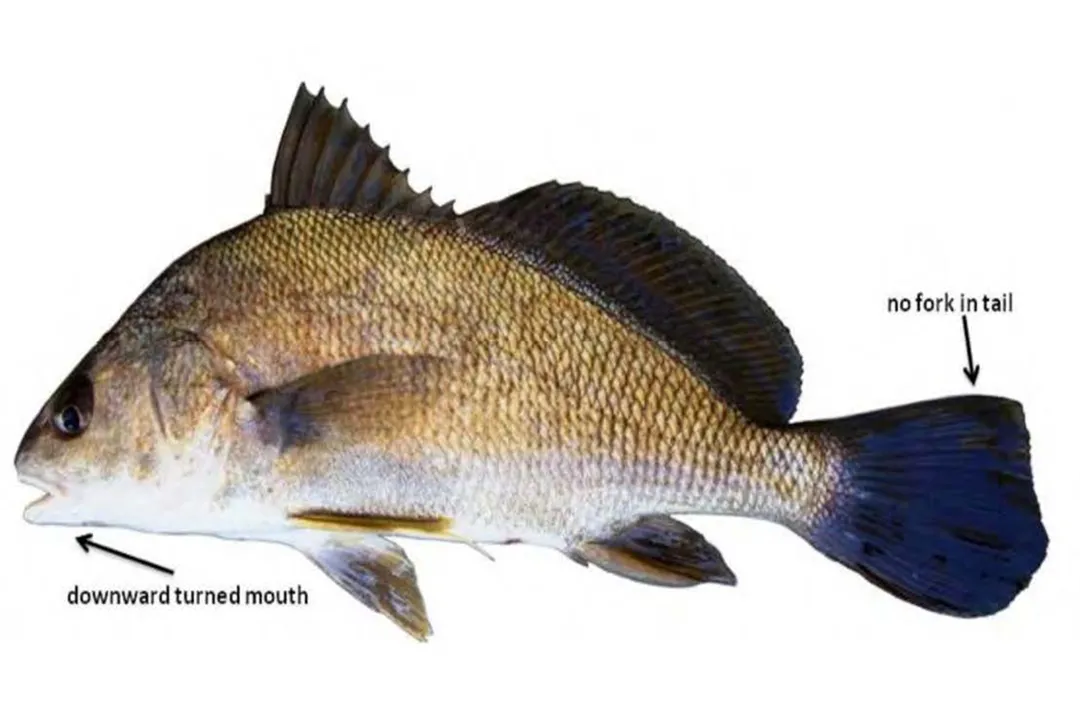
The freshwater drum, often recognized by its deep body profile and prominent chin barbels, is a fish whose primary residence is dictated by depth and water clarity. Anglers and biologists frequently note that these fish are intrinsically linked to the bottom structure of their aquatic environments. They are classically benthic creatures, meaning they spend the majority of their lives in close proximity to the substrate. This inherent behavior immediately suggests that determining their "deepness" is less about a fixed number and more about their association with the lowest available stratum of a given body of water.
# Bottom Dwellers
Understanding the freshwater drum's lifestyle starts with its physical adaptations and behavioral positioning within the water column. Their structure, including their tough scales and powerful tail, suits a bottom-oriented existence. Unlike pelagic species that roam the open water, the drum is specialized for life near the sediment. This bottom association is consistent across various reports, whether they are inhabiting large rivers, sprawling reservoirs, or deep natural lakes. For someone observing a sonar screen, a freshwater drum will almost always appear directly against the lake floor or river bottom. This steadfast preference for the lowest boundary influences everything from their feeding patterns to their seasonal movements.
# Murky Habitat
Beyond simple elevation, the quality of the water associated with that depth seems paramount. Across their range, there is a strong, repeated emphasis that the freshwater drum prefers water that is murky or turbid. This preference is noteworthy when considering fish that rely heavily on sight for hunting. When considering why this species might seek out lower light conditions near the bottom, it might be that deeper water areas often equate to reduced light penetration, offering both a hiding place from overhead predators and a consistent environment away from potentially stressful, fluctuating surface conditions. This dark, deep water profile often keeps them overlooked by many recreational anglers focused on shallower, clearer water fish.
# Depth Extent
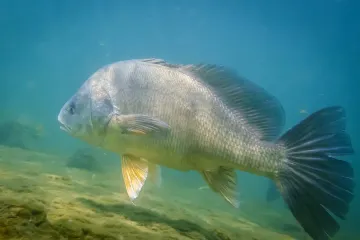
While "deep" is relative—a shallow creek is deep to a minnow, and the Great Lakes are vastly different from a farm pond—some sources provide quantitative estimates regarding their maximum vertical range. Specifically, in larger lake environments, freshwater drum have been documented inhabiting depths down to about 30 meters (100 feet). This specific measurement is crucial because it defines the outer boundary of their usual territory in lentic (still water) systems. In lotic (moving water) systems like large rivers, while a specific maximum depth isn't often cited, their distribution follows the deepest channels and pools available, where the water remains cooler and perhaps less susceptible to rapid temperature swings. If an angler is targeting this species in a major reservoir during the heat of summer, focusing efforts significantly below the thermocline, perhaps in the 30- to 60-foot range, is a very sound strategy based on established habitat preferences.
The concentration of drum in deeper, turbid zones might also serve as an ecological buffer. In areas where clearer water allows for greater visual hunting by predatory birds or other sight-oriented game fish, the low-light environment near the bottom, perhaps augmented by depth, shields the drum, especially younger individuals.
# Water Bodies
The physical location where depth matters most dictates where you will find them. Freshwater drum are remarkably adaptable across a range of fresh water environments, provided those environments offer suitable depth and substrate. Their distribution covers many parts of North America, including various large river systems, bayous, and reservoirs. In states like Kentucky, they are noted inhabitants of major rivers and streams. In Texas, they are found in reservoirs and rivers. Similarly, they inhabit lakes and rivers across Iowa and Mississippi. The key takeaway is that their presence isn't restricted to one type of freshwater body, but rather to the characteristics of that body—namely, the existence of deep, soft-bottomed areas.
# Feeding Habits
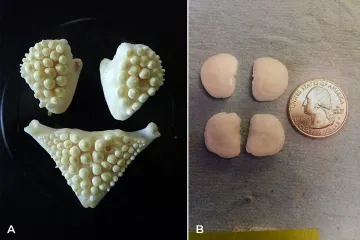
The depth they inhabit is directly tied to their primary method of acquiring food. Freshwater drum possess impressive pharyngeal teeth in their throats, which are extremely powerful crushing surfaces made of bone. These teeth are perfectly suited for crushing the hard shells of benthic invertebrates, such as crayfish, mussels, and aquatic insect larvae. Because their primary prey base lives on or in the bottom substrate, the fish must remain near that substrate to feed efficiently. This contrasts sharply with fish that suspend themselves higher in the water column to chase schooling baitfish. The drum’s diet is fundamentally linked to the bottom habitat they occupy, regardless of whether that bottom is 10 feet down in a river run or 80 feet down in a lake basin.
Here is a summary of their preferred habitat characteristics:
| Habitat Factor | Preference | Supporting Behavior |
|---|---|---|
| Substrate Association | Near the bottom (Benthic) | Feeding on bottom-dwelling invertebrates |
| Water Clarity | Murky or Turbid | Avoidance of bright, clear conditions |
| Depth (Lakes) | Deep | Documented down to 100 feet (30m) |
| Water Body Type | Lakes, Rivers, Reservoirs | Wide adaptability across large systems |
When considering a fishing approach for the freshwater drum, it is wise to think about the structure rather than just the depth. A sudden drop-off leading into a deep scour hole near a bridge abutment in a river, or the deepest mud flats in a reservoir basin, represents their ideal real estate, often offering both the depth they prefer and the cover provided by the murkiness. Therefore, understanding how deep they live means understanding where the bottom is deepest and most undisturbed in their specific lake or river system.
Related Questions
#Citations
Freshwater Drum (Aplodinotus grunniens) - Species Profile
Freshwater Drum - Kentucky Department of Fish & Wildlife
Aplodinotus grunniens (Sheephead) - Animal Diversity Web
Freshwater Drum | Louisiana Department of Wildlife and Fisheries
Freshwater Drum | Mississippi Department of Wildlife, Fisheries, and ...
Art Lander's Outdoors: Freshwater drum a largely overlooked ...
Freshwater Drum - Fish Species - Iowa DNR
Freshwater drum - Wikipedia
Freshwater Drum (Aplodinotus grunniens) - Texas Parks and Wildlife