How can you avoid Agkistrodon snakes?
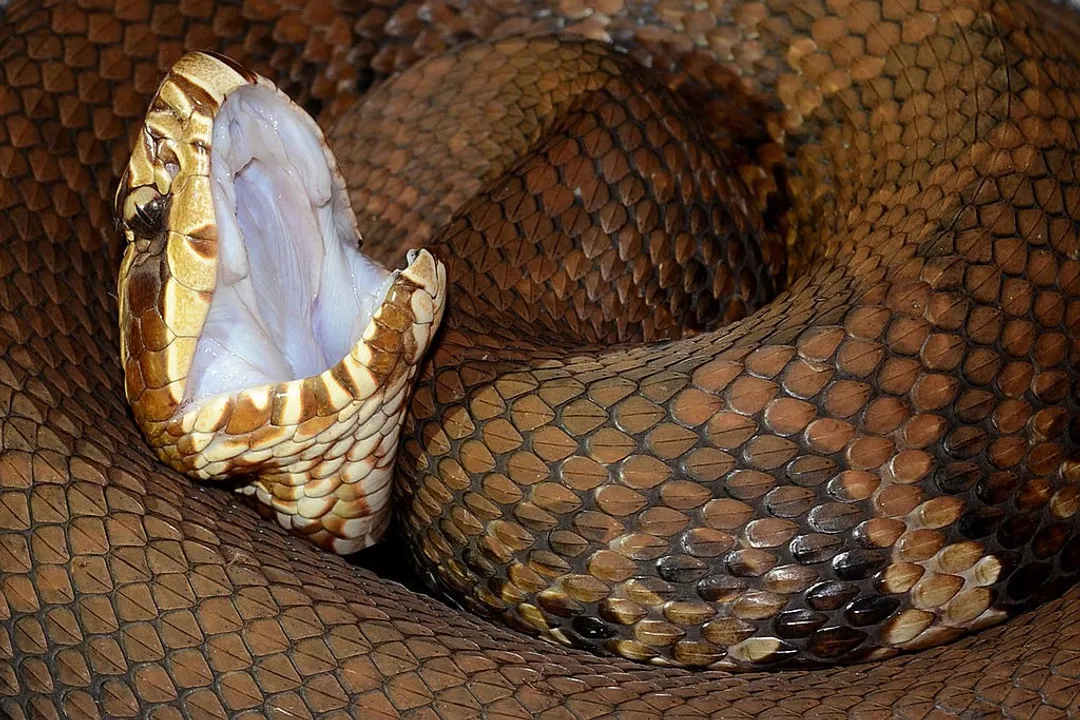
Dealing with venomous snakes, particularly those in the Agkistrodon genus like Copperheads or Cottonmouths (Water Moccasins), comes down to understanding their needs and modifying your environment to be fundamentally unappealing to them. These snakes are looking for three main things: shelter, food, and water. If your property lacks these necessities, it drastically reduces the chance of an unwanted encounter, whether you are actively hiking or simply tending to your garden.
# Habitat Needs
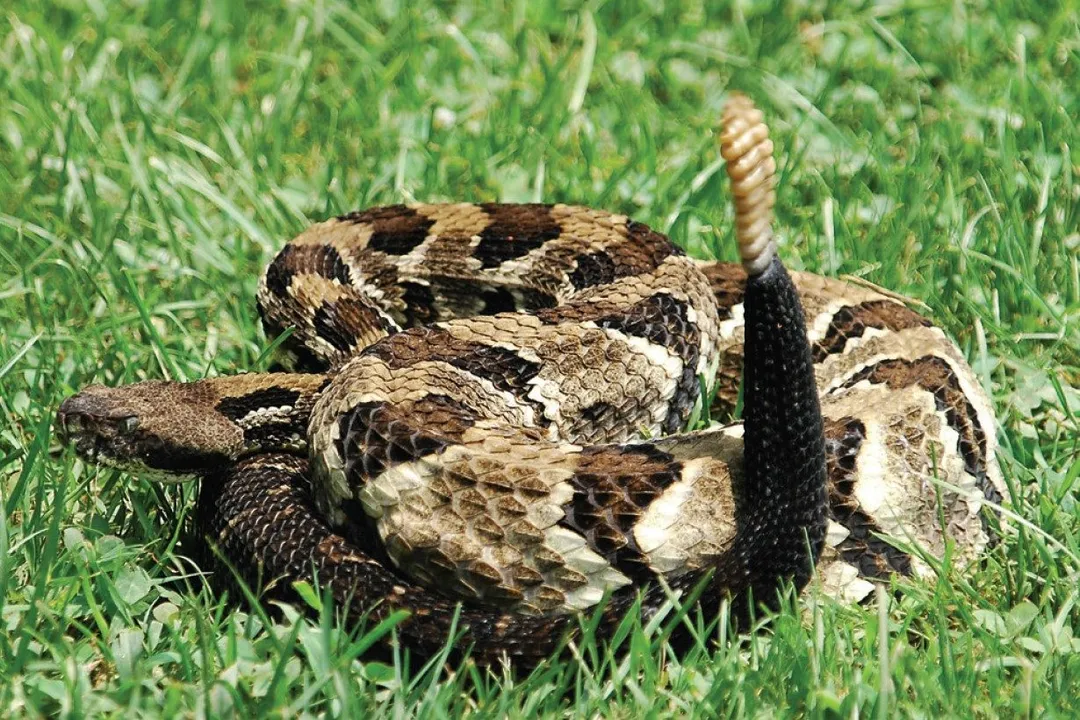
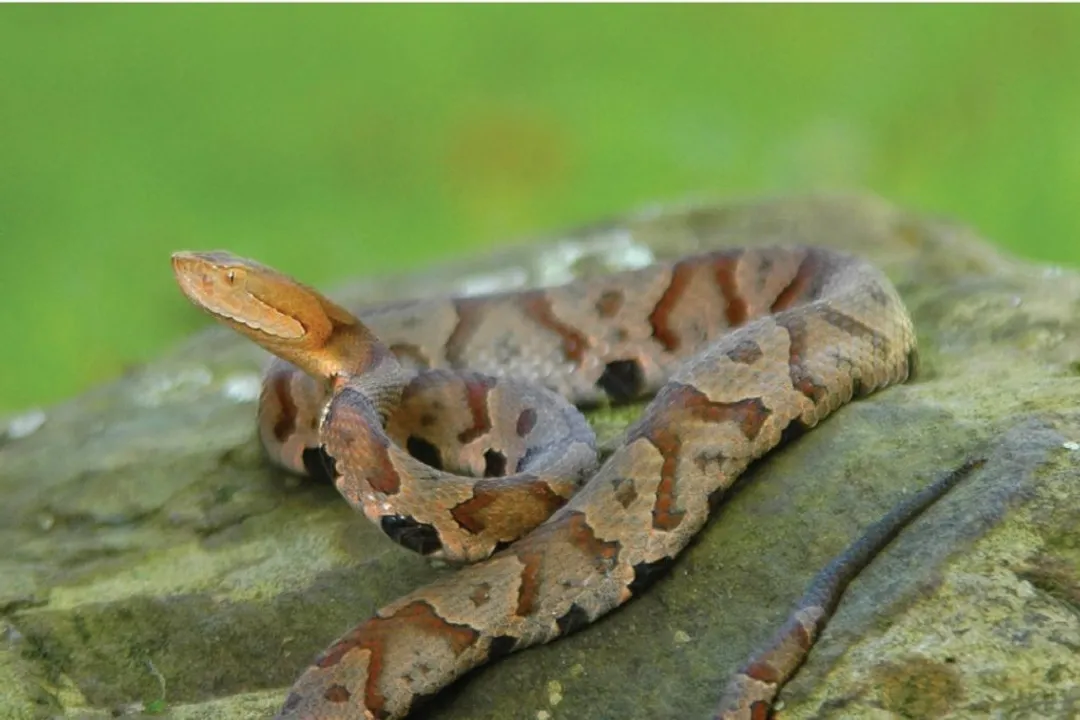
Recognizing what draws these vipers in is the first step in effective avoidance. Agkistrodon species, especially Cottonmouths, are often associated with water sources. They thrive near ponds, ditches, streams, and marshy areas. However, Copperheads are frequently found in drier, more wooded environments, often near woodpiles or rock formations. They are often seen in suburban areas, hiding under debris or near foundations.
Snakes, being cold-blooded, seek out environments that regulate their body temperature. This means sunny spots for basking and cool, dark places for retreating when it gets too hot. Food sources are critical; snakes eat rodents, frogs, lizards, and other small animals. If you have a rodent problem, you effectively have a snake buffet ready to go.
A useful way to categorize potential habitats is by looking at cover and sun exposure. Areas that provide both dark cover and immediate access to a sunny basking spot, often near water or debris piles, represent prime real estate for a venomous snake. For instance, a log lying across a damp ditch provides excellent cover, moisture retention, and potential prey access all in one spot.
# Yard Exclusion
The most reliable long-term strategy involves making your yard physically inhospitable to snakes. This is less about repellents, which tend to be unreliable, and more about environmental modification. Eliminating hiding places should be prioritized above all else.
# Debris Management
Managing ground cover is paramount. Keep your lawn neatly mowed; long grass provides excellent camouflage for snakes moving through the yard. Remove piles of materials that offer secure, cool hiding spots. This includes lumber, trash, bricks, and general yard debris.
When dealing with woodpiles, a common hiding spot, consider elevated storage. Stacking firewood at least a foot off the ground allows light and air circulation underneath, making it less appealing to snakes seeking cool, dark shelter. Furthermore, keeping the woodpile away from the foundation of your home adds a critical buffer zone. This is an area where people often differ in approach: some prefer to eliminate woodpiles entirely, while others find that proper elevation and stacking—placing the pile in an open, sunny area away from shade—serves the purpose adequately while retaining the convenience of having firewood nearby.
For areas near foundations or sheds, sealing up cracks and entry points is essential. Snakes can squeeze through surprisingly small openings. Aim to seal any gaps larger than a quarter-inch, focusing on utility entrances and crawlspace vents.
# Barrier Installation
Fencing can offer a physical deterrent, though it must be installed correctly to be effective against these relatively small creatures. A snake-proof fence should be made of a fine mesh material, such as hardware cloth or specialized plastic mesh, with openings no larger than one-quarter inch.
The construction is as important as the material. The bottom edge of the fence must be buried at least six inches into the ground, and the fence should lean outward, away from the property, at about a 30-degree angle. This slight outward tilt makes it difficult for a snake to climb or push its way under the buried section. While this is an effective physical measure, it requires diligence; if the barrier is damaged or if the ground washes away beneath it, snakes can regain access.
# Rodent Control
Because snakes follow their food source, effective rodent control inherently reduces snake presence. Eliminate outdoor food sources for mice and rats, such as spilled birdseed or pet food left outside. Secure garbage cans with tight-fitting lids. If you notice a significant rodent population, address that issue first, as eliminating their primary food source provides a natural incentive for snakes to move elsewhere.
# Water and Vegetation
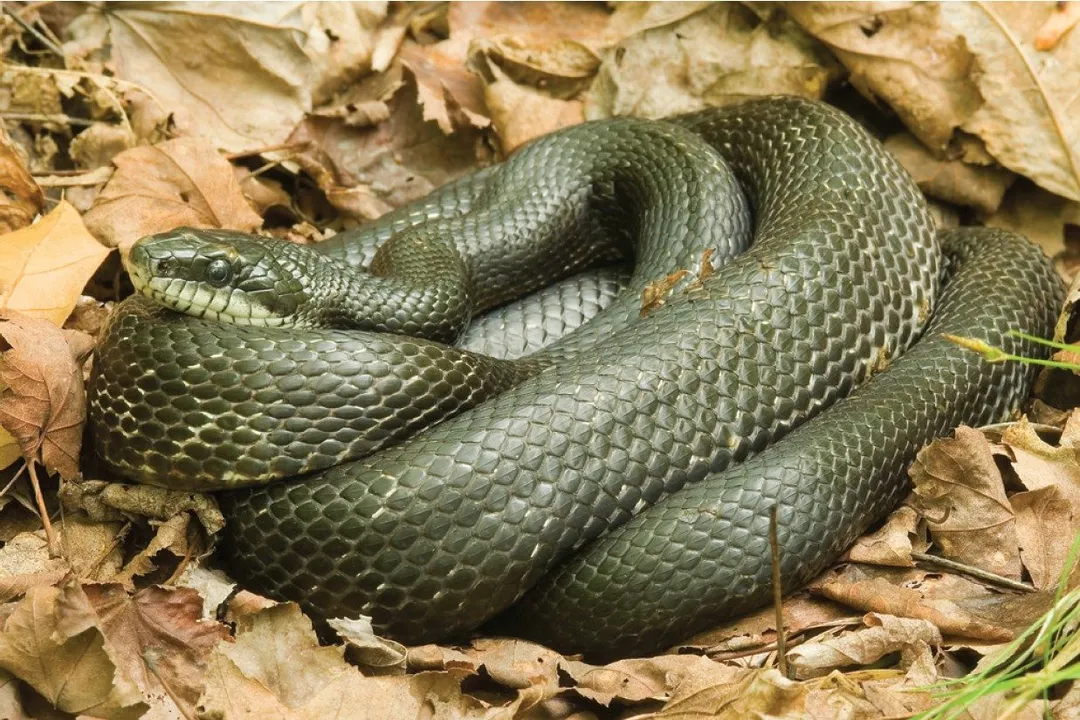
If you live in an area with Cottonmouths, managing water features is vital. Limit standing water, as this attracts the amphibians and small mammals that Cottonmouths prey upon. Keep drainpipes clear and address any leaky outdoor faucets or hoses that create puddles.
Vegetation control extends beyond just mowing the lawn. Trim shrubs and low-hanging branches so they do not touch the ground or structures, which prevents snakes from using them as easy bridges into your yard. Keep ground cover like ivy or dense ornamental grasses trimmed back, especially near walkways or patios. A clear border of gravel or rock mulch around the perimeter of your yard, ideally 2 to 3 feet wide, can also serve as an abrasive, unappealing transition zone between wilder areas and your lawn.
# Safe Travel
While managing your property minimizes risk at home, safety requires caution when away from treated areas, especially near known habitats like streams or rocky outcrops.
# Footwear and Clothing
When walking in areas known to house Agkistrodon snakes, appropriate personal protective equipment makes a substantial difference in bite outcomes. Always wear sturdy, high-topped boots—leather or heavy fabric is better than mesh. Snake gaiters that cover the shin are an excellent addition for hiking or working in dense brush where visibility is low. Long, loose-fitting pants offer better protection than shorts, as they create distance between the snake's fangs and your skin.
# Awareness and Movement
Snakes do not generally seek out humans; most bites occur because the snake feels threatened or is accidentally stepped on. Therefore, awareness is your greatest tool.
Never walk where you cannot see your footing; avoid stepping over logs or large rocks where a snake might be hidden on the other side. Use a long stick or hiking pole to probe grassy areas, brush piles, or potential hiding spots before you step near them. This gives any hidden snake a chance to move away undisturbed before you get close.
If you are near water where Cottonmouths are present, be cautious around banks and low-hanging vegetation. Water Moccasins are semi-aquatic, and while they are generally less likely to strike than when dry, they can still deliver a venomous bite even while floating or resting on a bank. Give any snake you see ample space—a distance of at least six feet is a good rule of thumb—and allow it to move on.
# Managing Encounters
If you see one of these snakes, the response must be calm and deliberate. Never attempt to capture, handle, or kill the snake. The vast majority of defensive bites occur when people try to interact with the snake.
The best immediate action is to stop moving and calmly back away. If you are in an area where you must pass the snake, give it a very wide berth. If the snake is coiled or appears defensive (as Copperheads often do, relying on camouflage), slowly retreat until you are well clear.
If a snake is inside your home or garage, avoid panic. A snake inside a structure is likely looking for a cool, dark place or seeking prey. If possible, confine it to one room by closing doors, then open an exterior door or window and leave the area so the snake can exit on its own accord. Professional removal should be the next step if the snake does not leave after a period of time or if it is in an area where immediate exit is impossible.
# Comparison of Prevention Methods
Effective snake avoidance relies on layering different protective strategies rather than banking on a single solution. Consider the time and resource investment versus the level of protection offered:
| Method | Primary Goal | Cost/Effort | Effectiveness | Key Consideration |
|---|---|---|---|---|
| Mowing/Trimming | Eliminating cover | Low/Ongoing | High (Removes ambush spots) | Must be maintained constantly |
| Sealing Gaps | Physical exclusion | Moderate (Time/Materials) | Very High (Stops entry to structures) | Only stops access to specific buildings |
| Rodent Control | Removing food source | Varies (Can be high) | High (Removes primary motivation) | Less immediate than physical barriers |
| Mesh Fencing | Physical exclusion | High (Materials/Labor) | Very High (If installed perfectly) | Requires burial and outward angle to work |
While eliminating rodents is a strong control method, it often takes time for the snake population to respond to the food shortage, meaning you still need immediate physical barriers, like keeping yard debris cleared, to protect yourself in the short term. Contrast this with sealing foundation cracks; this is a one-time, high-effort task that permanently blocks a route into your dwelling, even if the snake population remains high outside.
For homeowners in areas where Agkistrodon are common, a layered approach is essential. A solid perimeter fence coupled with diligent landscape maintenance creates a defense that addresses both habitat modification and physical barriers. If you are simply visiting a natural area, awareness and proper footwear replace the need for structural changes. The underlying principle in every scenario remains the same: do not surprise the snake, and do not give it a reason to stay.
Related Questions
#Citations
Keeping yard safe from venomous snakes - Welcome Wildlife
How to keep poisonous snakes away from the yard in Tennessee?
Are Cottonmouth Snakes Venomous? Facts & Removal
12 Ways to Stop Snakes From Slithering Into Your Yard | USU
How to keep snakes out of yard? : r/homeowners - Reddit
How can water moccasin bites be avoided? - Quora
Snakes: Information for Missouri Homeowners - MU Extension
Managing Wildlife Damage: Snakes | VCE Publications | Virginia Tech
HOW TO BE SAFE AROUND SNAKES - SREL herpetology