Why are the record-holding giant wētā specimens almost invariably females?
Answer
Female giant wētā are typically larger and heavier than their male counterparts, often due to the considerable investment required to produce large clutches of eggs.
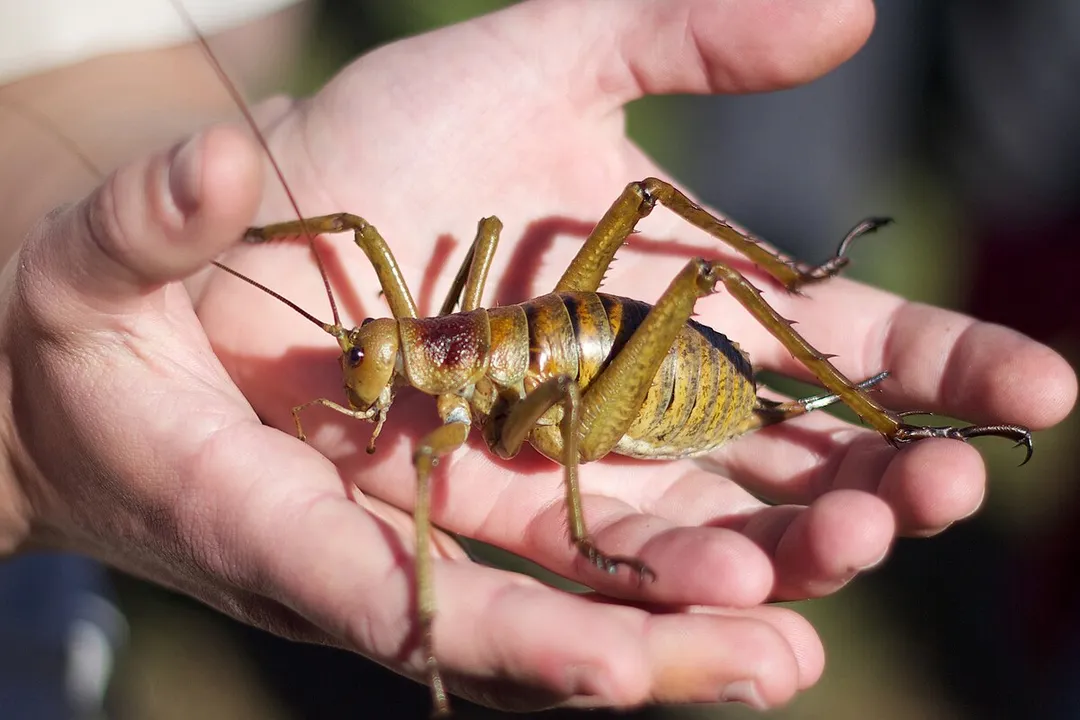
Sexual dimorphism plays a substantial role, and since females invest heavily in producing large clutches of eggs, their internal biomass contributes significantly to the measured weight, meaning record-holding specimens are almost invariably females.
Related Questions
What is the benchmark weight frequently cited for the world’s heaviest insect, the giant wētā?Which specific species holds the Guinness World Record for the heaviest insect ever documented?Why are the record-holding giant wētā specimens almost invariably females?On which specific island sanctuary was the record-holding specimen of the Little Barrier Island giant wētā found?Based on established metrics, which characteristic is used to solidify the wētā's claim as the 'biggest bug'?What primary environmental factor allowed wētā to evolve to such sizes in New Zealand?To what common small animal is the 71-gram weight of the heaviest recorded wētā comparable?What is the typical nocturnal activity of the Wētāpunga?What two primary factors have led to the Wētāpunga being classified as endangered?Which two insect groups are the giant wētā evolutionarily related to?