What specialized sensory organs distinguish Crotalinae pit vipers from Viperinae?
Answer
Loreal pits
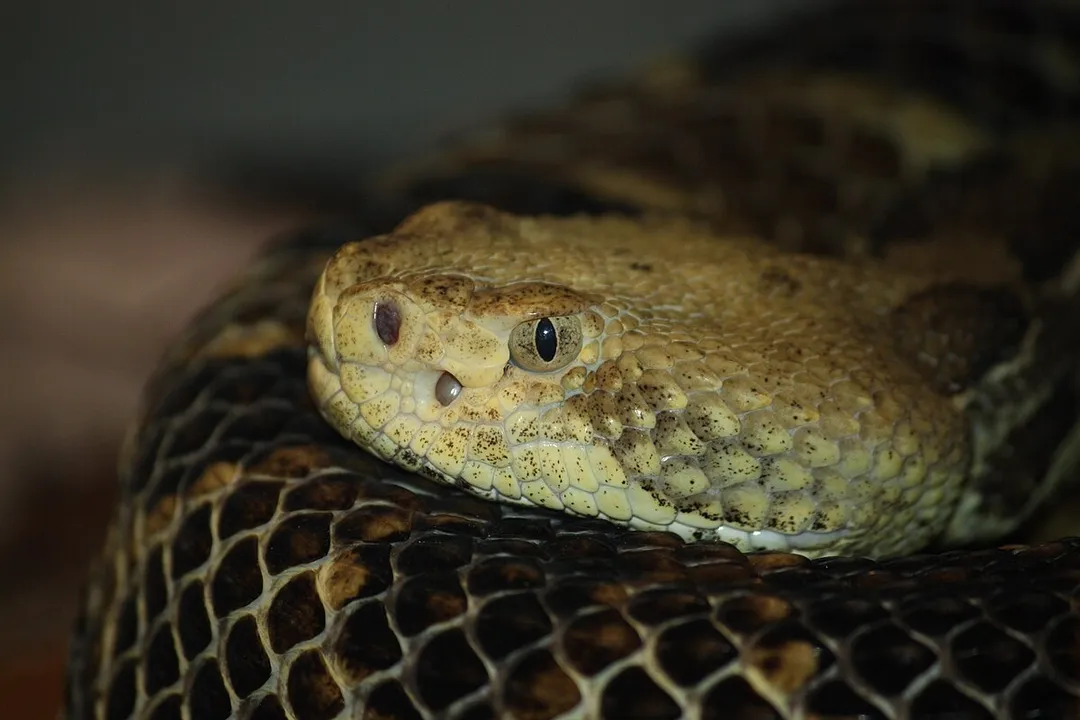
The Crotalinae subfamily, known as pit vipers, possesses specialized loreal pits located between the eye and the nostril. These anatomical structures function as sophisticated infrared sensors, which enable the snakes to detect the heat signatures of warm-blooded prey. This capability provides a distinct evolutionary advantage, especially for hunting in low-light or dark conditions where visual detection might be difficult.
#Videos
Episode #1064: Feeding Large Vipers - YouTube
Related Questions
What specialized sensory organs distinguish Crotalinae pit vipers from Viperinae?What type of prey does the arboreal Spiny Bush Viper typically consume?Which food sources are part of the natural diet of the Mangshan Pit Viper?What strategy helps trigger a feeding response in neonatal vipers that refuse static food?What is a standard guideline for determining the appropriate prey size for a captive viper?How often should an adult viper typically be fed in a captive environment?What advantage do the loreal pits provide to pit vipers during the hunt?Aside from a water dish, how might arboreal species like the Spiny Bush Viper obtain hydration?What are common prey items suggested for neonatal vipers that may not be ready for adult rodents?Which primary factors dictate the menu for vipers living in diverse geographic regions?