Viper Diet
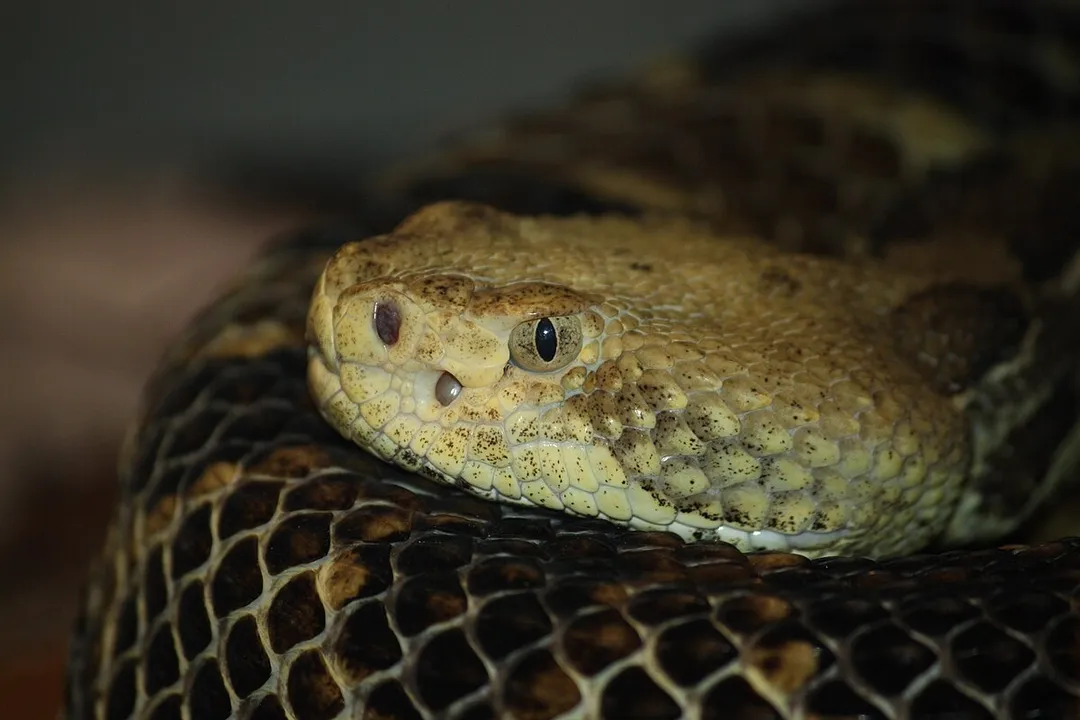
The world of vipers, encompassing both true vipers and pit vipers, presents a fascinating spectrum of predatory adaptations centered around securing sustenance. Understanding what these snakes consume, both in their native habitats and under human care, reveals much about their ecological niches and evolutionary success. [5] The sheer diversity within the Viperidae family means that any discussion of a "viper diet" must acknowledge significant variation based on geography, life stage, and specific genus.
# Groupings
Vipers belong to the family Viperidae, which is generally divided into two major subfamilies: the Viperinae (true vipers) and the Crotalinae (pit vipers). [2][5] While both groups possess venom apparatuses, pit vipers are distinguished by the presence of specialized, highly sensitive loreal pits located between the eye and the nostril. [2] These pits function as infrared sensors, allowing the snake to accurately detect warm-blooded prey even in total darkness. [2] Dietarily, this sophisticated sensory mechanism often correlates with a reliance on endothermic prey, though this is not a universal rule across all pit vipers. [5]
# Wild Prey Spectrum
In their natural environments, the diet for various vipers is remarkably broad, reflecting opportunistic feeding habits driven by availability. [5] Smaller viper species or juveniles often subsist on smaller food items such as insects, lizards, frogs, or other small reptiles. [5] Larger species, particularly those preferring terrestrial or ambush tactics, frequently target rodents, birds, and sometimes larger amphibians. [5] For instance, the Spiny Bush Viper (Atheris hispida), known for its arboreal nature, primarily consumes small vertebrates, fitting its lifestyle among foliage. [4] Conversely, generalist feeders might switch prey types seasonally or based on local population booms. [5]
# Specialized Diets
Examining specific species underscores the importance of environmental context for diet composition. The Mangshan Pit Viper (Protobothrops mangshanensis), for example, is known to include rodents, small birds, and frogs within its natural intake. [6] This highlights a dependency on varied terrestrial and low-level avian fauna within its specific geographic range. [6] When comparing species, one sees a clear pattern: the climate and vegetation dictate the menu. An arid-dwelling viper will naturally consume different prey than a humid, forest-dwelling one, even if both are technically classified as ambush predators. [5]
A comparative look at the food sources might look something like this, noting the high degree of specialization found in captive husbandry discussions versus observed wild intake:
| Viper Type Example | Primary Wild Food Sources Cited | Relevant Habitat Note |
|---|---|---|
| General Vipers | Small mammals, birds, amphibians, reptiles [5] | Varies widely |
| Spiny Bush Viper | Small vertebrates [4] | Arboreal (tree-dwelling) |
| Mangshan Pit Viper | Rodents, small birds, frogs [6] | Specific Chinese mountain regions |
It is interesting to consider how much of a snake's survival relies on that initial ambush strike. For pit vipers especially, the accuracy provided by the heat-sensing pits means they can afford to wait for the perfect moment, suggesting a preference for prey that stays relatively still or moves predictably within their strike range. [2]
# Neonatal Nutrition
The beginning of life presents the most significant dietary hurdle for many vipers. Neonates, or hatchlings, often require prey items significantly smaller than what the adults consume, presenting challenges for keepers and potentially affecting long-term growth if not managed correctly. [8][9] Discussions among reptile enthusiasts frequently center on sourcing appropriate first meals for these tiny predators. [3]
While adult diets might center on mice or small rats, neonates may require resources such as lizard pinkies or very small anoles to successfully initiate feeding. [8] Researchers and experienced keepers often seek diet protocols specifically tailored for these youngest stages, recognizing that a poorly nourished neonate may struggle to thrive or even accept food later on. [9] Success in the early weeks dictates much about the snake's future health and shedding cycles. [5]
If a neonate rejects common starter food, sometimes the presentation itself becomes the key factor. Since many vipers are ambush predators that strike unsuspecting prey, an item that is completely inert or too large might not register as a viable meal. A small, freshly killed, but still slightly warm or scented item, mimicking the movement or warmth signature of a small lizard, can sometimes provoke a feeding response where a cold, static mouse pup fails. [2] This small adjustment in presentation is often the difference between a successful first meal and prolonged fasting for a baby viper. [3]
# Captive Feeding Adjustments
Moving a viper from its natural environment to a captive setting necessitates an understanding of its natural feeding rhythms and translating that into a controlled schedule. In captivity, the diet typically simplifies to readily available prey items, most often pre-killed rodents due to ease of use and reduced risk of injury to the snake. [5]
The frequency of feeding must be adjusted for captive life, as snakes in captivity generally do not expend the energy required to hunt in the wild. An adult might only need to feed once every one to two weeks, depending on its age, size, and metabolism. [5] Juvenile and growing snakes require more frequent meals to fuel their rapid development.
One common management practice involves ensuring the size of the prey item is appropriate for the snake's girth. While specific ratios can vary, a good guideline suggests the prey's diameter at its widest point should roughly match the diameter of the snake's body at its thickest part. [5] Feeding items that are too large can cause regurgitation or severe digestive stress, particularly if the prey is not fully warmed before presentation. Conversely, prey that is too small may not provide sufficient nutritional bulk for sustained growth.
# Water Needs
While the primary focus is often on solid food, hydration is inextricably linked to digestion and overall health, especially after consuming a large meal or during ecdysis (shedding). [1] Vipers, like all reptiles, require access to fresh water. [1] For arboreal species, such as the Spiny Bush Viper, water intake may sometimes be assisted by humidity levels or by drinking dew off leaves, suggesting that maintaining appropriate ambient moisture, not just a water dish, is important for these species. [4] A dry environment can hinder the ability of a viper to properly digest its food and can lead to retained sheds, which further complicates their health profile.
#Videos
Episode #1064: Feeding Large Vipers - YouTube
Related Questions
#Citations
Vipers are amazing creatures - IUCN Viper Specialist Group
Pit viper - Wikipedia
Gaboon viper eating habits - Facebook
Spiny Bush Viper - Facts, Diet, Habitat & Pictures on Animalia.bio
Vipers and Pitvipers: Viperidae - Diet - Animal Life Resource - JRank
Mangshan Pit Viper (Protobothrops mangshanensis) Fact Sheet
Episode #1064: Feeding Large Vipers - YouTube
HELP! what do i feed to this baby pit viper : r/snakes - Reddit
Does anyone have a diet for neonate vipers? - ResearchGate