What significant environmental shift required the Weimaraner to adapt its primary hunting roles across Europe?
The transition from tracking large game like deer and boar to excelling with smaller game, particularly birds.
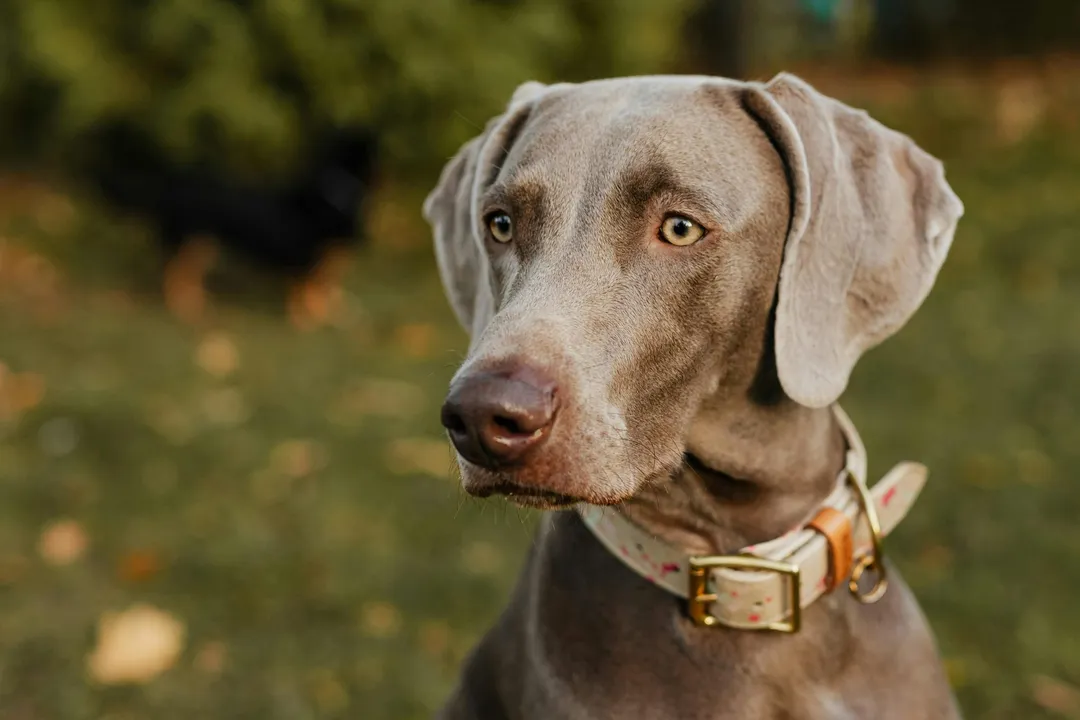
As hunting practices evolved across the European continent, the preferred quarry for which canines were utilized began to change. The Weimaraner, initially developed to handle large animals such as boar and deer, needed to adapt its skill set. This transition required the breed to become more proficient as a versatile pointer and retriever specifically for smaller game, most notably birds. This adaptation demanded a blend of high drive for tracking wounded animals over long distances, coupled with the crucial trait of tractability—the ability to respond closely and obediently to the handler, especially in varied terrain. Furthermore, developing a soft mouth became essential to retrieve these smaller game birds without causing damage.