Are Weimaraners velcro dogs?

The question of whether the elegant, gray-coated Weimaraner deserves the moniker "velcro dog" is one often settled quickly by anyone who brings one home. These dogs are renowned for their intense devotion and unwavering desire to be near their people. [1] If you prize a dog that contentedly naps on the other side of the room or busies itself independently for hours, the Weimaraner might present a significant adjustment to your routine. [3] They form deep, close bonds with their families and actively seek proximity, often shadowing their owners from one room to the next. [1]
# Cling Factor

The Velcro nickname is well-earned due to the breed’s inherent need for closeness. [1] A Weimaraner wants to be physically touching you if possible, whether that means leaning heavily against your leg while you stand or insisting on occupying the same patch of couch space. [4] This behavior stems from their deeply affectionate nature and their pack mentality. [5] They view their family as their pack and want to remain integrated within that unit at all times. [5]
This intense attachment means that when you are home, they are often right there with you. [3] While some owners find this level of devotion comforting and rewarding, [4] others, especially those seeking a more independent companion, may find it overwhelming. [3] It is critical for prospective owners to recognize that demanding independence from a Weimaraner is often an exercise in frustration; their genetic wiring favors constant connection. [3] The breed’s sensitivity plays a part here; they bond intensely and are very attuned to the emotional state of their owners. [5]
# Hunting Roots

Understanding why they are so attached requires a look back at their history. The Weimaraner originated in Germany, initially developed by German nobles to hunt large game such as boar, bear, and deer. [5] Their prowess on the hunt meant they needed to work in extremely close coordination with their handlers, relying on silent communication and immediate responsiveness. [5] As big game populations decreased, their role shifted to smaller game, but that requirement for close partnership remained hardwired into the breed. [5] Their intelligence and drive were honed for partnership, not solitary work, which translates directly into their modern domestic behavior. [5]

# Activity Needs
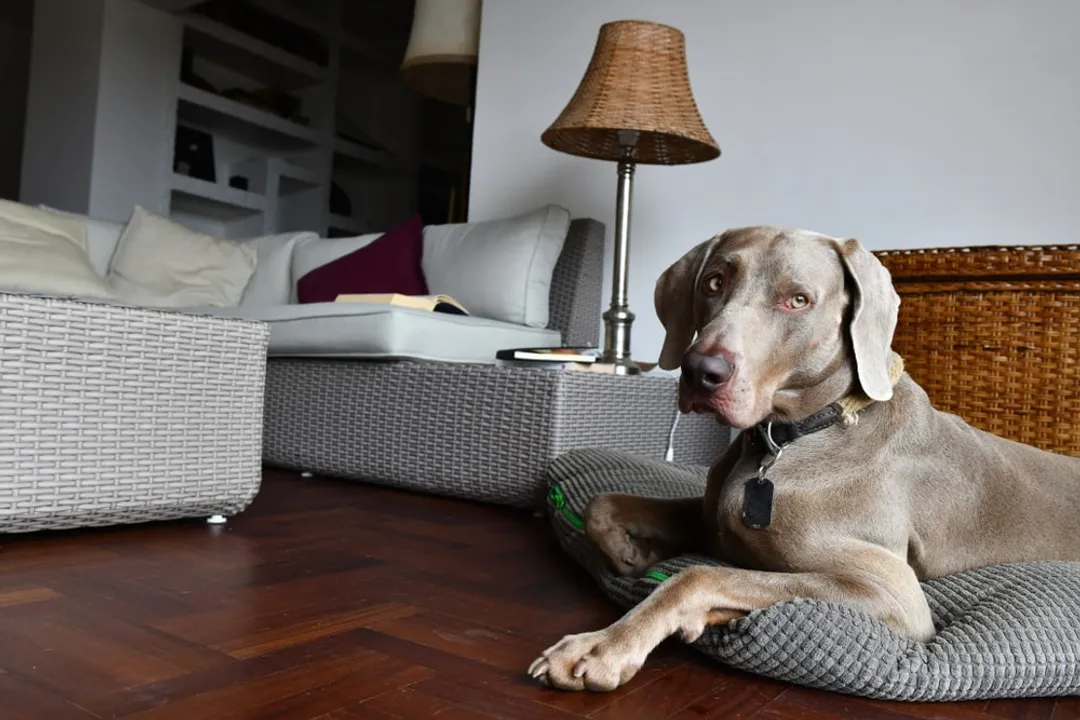
While their emotional needs demand closeness, their physical needs demand a significant outlet. Weimaraners are inherently high-energy dogs. [4][5] They are athletic, built for endurance, and possess a substantial drive inherited from their working past. [5] Simply put, they require a serious amount of daily exercise. [4] A casual neighborhood stroll is unlikely to satisfy the requirements of this breed.
If this high level of physical and mental stimulation is not provided, that intense, devoted energy often redirects itself toward less desirable behaviors. [5] Destructive chewing, excessive barking, or restlessness indoors are common signs that a Weimaraner is not getting the required physical and mental workout. [5] They need opportunities to run, work their noses, or engage in rigorous activity every day. [4]
It is worthwhile for potential owners to honestly assess their current lifestyle. A Weimaraner thrives best with an owner or family committed to long, vigorous daily activities, perhaps including running, hiking, or advanced dog sports. [4] They are not ideal for sedentary households or those expecting a couch potato after a short walk. [4] Their intelligence demands mental challenges as well; training sessions and puzzle toys are just as important as chasing a ball. [5]
# Home Suitability

The combination of high energy and intense need for proximity raises questions about their suitability for various living environments, such as apartment dwelling. While some breeds struggle in smaller spaces, the Weimaraner can adapt to apartment life, provided the owner strictly manages their exercise requirements. [6] A tired Weimaraner is generally a calm housemate, even in a smaller footprint. [6] Conversely, an under-exercised Weimaraner in a large house will likely still find ways to occupy itself, usually by testing the structural integrity of the furniture. [5]
However, their potential for being "too much dog" for novice owners remains a consideration. [4] Early socialization is essential to ensure their intensity is channeled correctly, preventing them from becoming overly demanding or reactive in new situations. [5] If a household is already quite busy or frequently empty, the Weimaraner's need for constant interaction might create stress for both the dog and the owner. [5]
When comparing them to other high-energy breeds, like the Hungarian Vizsla, a key difference often lies in presentation and focus, though both share high exercise demands and deep affection. [8] The Weimaraner's intensity can sometimes be more pronounced, perhaps because of their imposing physical presence matched with their relentless need to be involved in everything their owner does. [1]

# Attachment Management
For those embracing the "velcro" lifestyle, it is vital to distinguish between a healthy, strong bond and the onset of true separation anxiety. A dog following you into the bathroom is usually typical Weimaraner behavior. [1] A dog that panics, destroys property, or harms itself when you leave the house for five minutes is likely experiencing separation anxiety, which requires a specific management plan. [5]
One proactive step new owners can take is establishing short, structured periods of enforced quiet time, even when the owner is home and available. [5] This is not about punishing the dog for wanting closeness, but about teaching them that the world does not end when they are not physically touching you. For example, establishing a comfortable, designated mat or crate area in the same room where the dog is expected to settle and rest for set intervals, say ten minutes at a time, can build tolerance for being slightly apart. We encourage owners to vary these "settle" times unpredictably, making the quiet periods a normal part of the routine rather than a precursor to the owner leaving. [5] This helps build independent coping mechanisms before the bond becomes too tightly wound to manage without distress when absence is unavoidable.
Another point of analysis involves energy expenditure versus bonding time. Owners often confuse physical exhaustion with emotional fulfillment. If a Weimaraner has run five miles but still won't leave your side while you work, it confirms their need is emotional, not just physical. The key action here is to incorporate training into the alone time. Instead of just forcing a rest period, ask for ten solid "stays" or "downs" before allowing them to return to the immediate proximity of your feet. This satisfies their need to work for you and provides a mental component to the downtime, making the subsequent rest more satisfying for the dog. This blends their intelligence and their desire to please into a structured pattern that reinforces calm behavior when you are busy. [5]
# Owner Profile
Considering the breed’s inherent traits—intense loyalty, high intelligence, and massive energy requirements—the ideal owner profile emerges quite clearly. This dog requires a committed partnership. It is not a breed that thrives when relegated to the backyard or when left alone for long workdays without significant preparation. [5] They thrive with active individuals or families who want a companion for hiking, jogging, or outdoor adventures. [4]
If you value your personal space above all else, or if your free time is extremely limited, a Weimaraner may lead to significant friction in your household. [3] The trade-off for their profound love and devotion is the expectation that you will dedicate substantial time daily to both exercising their body and engaging their keen mind. They are affectionate companions, but that affection comes with a contract requiring participation in an active, engaged lifestyle. [4][5]
Related Questions
#Citations
Weimaraners: My Kind of Velcro - FETCH Magazine
Fun facts about Weimaraners
Thinking of getting a Weimaraner, how would you describe them?
Weimaraner breed's needy behavior and adorable antics - Facebook
Weimaraner: Your Complete Guide - Dog Academy
Are Weimaraners Good Apartment Dogs - Urban Dog
Weimaraner Dogs | Breed Appearance, Personality & History
Weimaraners V Hungarian Vizlas - Horse and Hound Forum
Why Is My Weimaraner So Clingy? Facts & FAQ - Dogster