Weimaraner Evolution
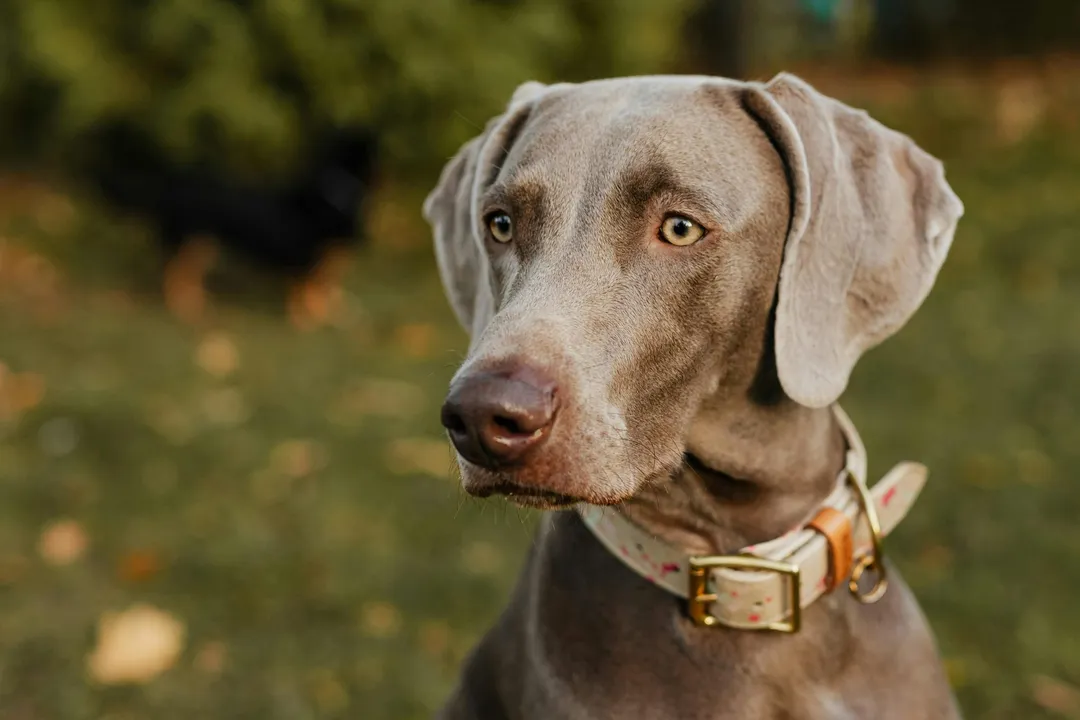
The Weimaraner, instantly recognizable by its striking silvery-gray coat, often evokes images of a sleek, aristocratic hunting dog. Yet, the evolution of this breed is far more complex than its modern appearance suggests, rooted deeply in the courts of German nobility searching for the perfect all-around companion for the field. Understanding where the breed came from reveals much about why they behave the way they do today; they are not simply a fashion statement but a highly specialized piece of canine engineering refined over generations.
# German Roots
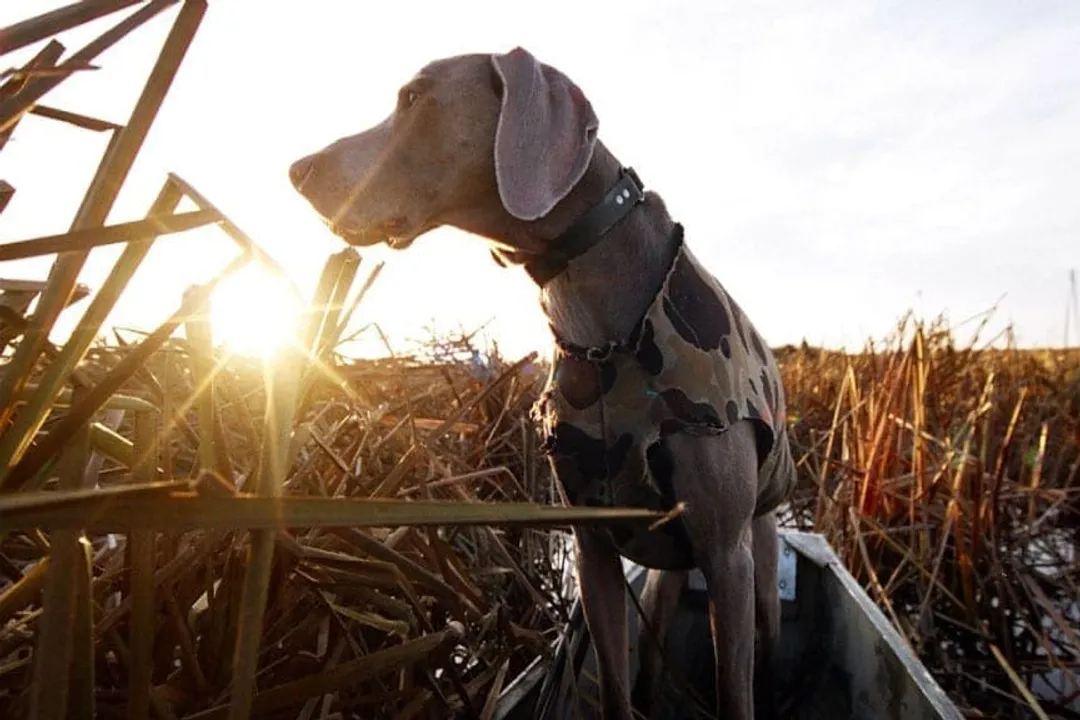
The precise origins of the Weimaraner remain somewhat obscured, though most accounts point to the German state of Weimar in the early 19th century. Before the breed was formally established, these dogs were developed by German aristocrats who desired a capable, intelligent hunting dog after wolves and large game became scarce in their territories. These early canines were likely crosses involving several European hounds and pointers. Some theories suggest lineage tracing back to St. Hubert Hounds, which were instrumental in developing many European hunting breeds.
The original goal was clear: create a dog that could hunt, point, track, and retrieve various types of game, including feathered fowl and larger animals like deer or boar. This need for versatility, rather than specialization in just one area like a traditional retriever or setter, is a defining characteristic woven into the breed's DNA from its inception.
# The Gray Ghost
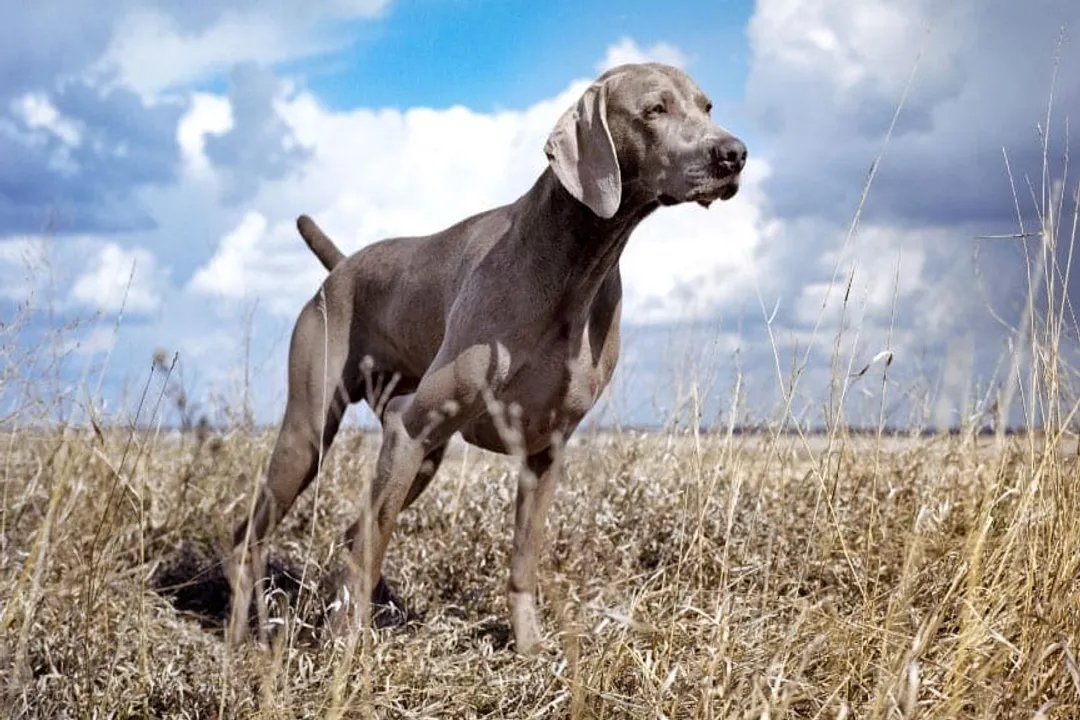
Perhaps the most immediately arresting feature of the Weimaraner is its color, which has earned it the nickname "The Gray Ghost". The breed standard calls for various shades of gray, ranging from silvery-gray to a distinguished light tawny, though the deep, solid silver is most iconic. This unique coloring is due to a dilution gene acting upon black pigment.
Interestingly, early Weimaraners were almost certainly not always gray; historical accounts suggest they may have included shades of brown or mouse-gray, and possibly even dogs with tan points. When the breed club in Germany formed, however, they strictly codified the desired silver/gray color, effectively weeding out other shades over time. This intense focus on a singular, specific color profile over several decades demonstrates the seriousness with which the German breeders approached standardizing the look of their new breed.
If you look closely at the genetics, the dilution of the primary pigment is controlled by a specific locus on the genome. While the dilution gene provides the striking coat, breeders must always be mindful that intensive selection for a visual trait, even one as beautiful as the gray coat, can sometimes inadvertently concentrate other less desirable genetic factors if line breeding practices are not managed with extreme care. Maintaining the integrity of the breed means balancing the aesthetic desires of the standard with the underlying health of the gene pool, something the parent clubs continue to manage through registry and record-keeping.
# Controlling the Lineage
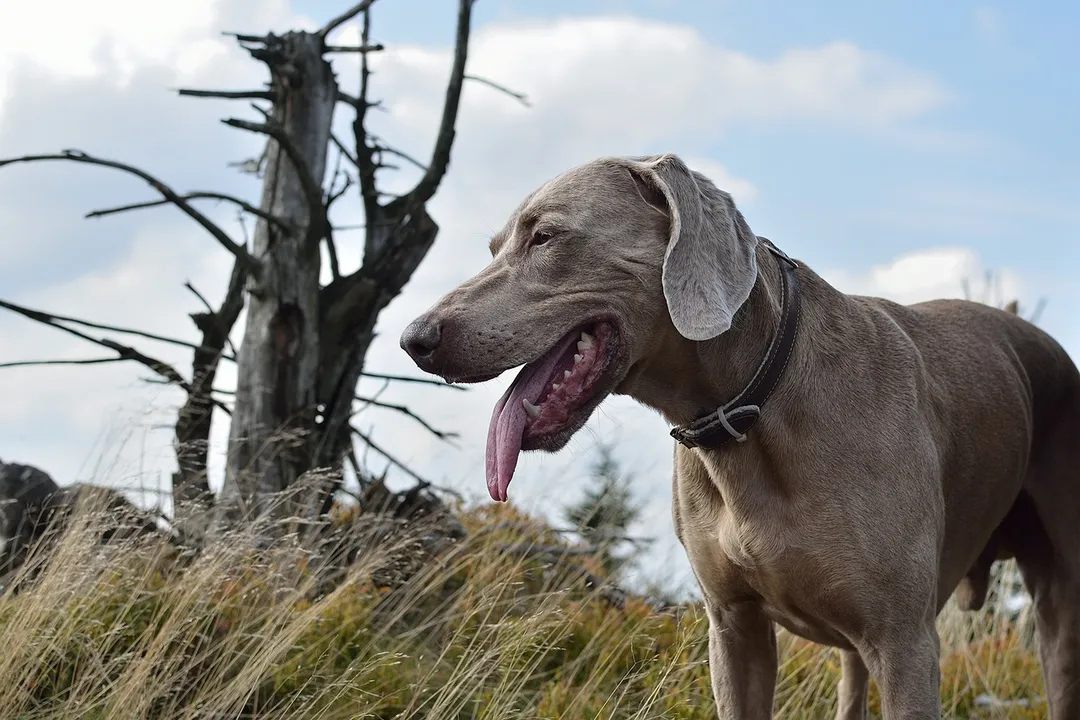
The German Weimaraner Club, established in 1897, played an absolutely critical role in the breed’s evolution, essentially controlling the registry and breeding practices within Germany. This level of centralized control is somewhat unusual for breeds developed concurrently in other European countries, where lines might have evolved more independently across various estates or regions. The German club’s initial rules were very strict, requiring prospective breeders to prove the dog's working ability before registration was permitted. This mandated performance ensured that the breed retained its utility as a capable gun dog, preventing it from becoming solely a lap dog or a show piece.
It is worth noting that for a long time, even after recognition, breeding outside of Germany was heavily discouraged or outright banned by the German parent club, meaning the entire global gene pool was once concentrated in a relatively small geographic area. This historical isolation meant that the traits valued by German hunters were meticulously preserved without external dilution until importation began later in the breed’s history. The existence of dedicated pedigree tracking sites today speaks to the deep historical importance placed on knowing exactly who produced which dog, tracing lines back through decades of documented performance.
# Transition to Utility
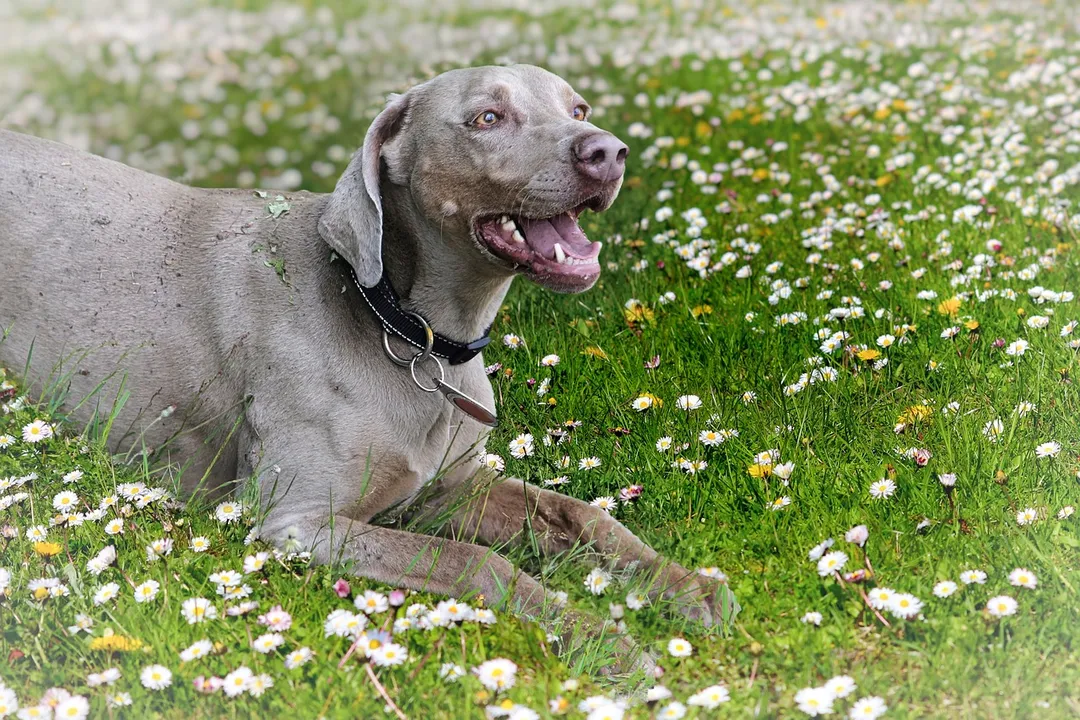
As hunting patterns shifted across Europe, the Weimaraner had to adapt from tracking large game like boar and deer to excelling as a versatile pointer and retriever for smaller game, particularly birds. This transition required a dog that possessed the drive to work but also the tractability to respond closely to the handler in changing terrain. They needed the tenacity to track wounded game over long distances and the soft mouth necessary for retrieving that game undamaged.
The versatility requirement meant that the dog had to excel in multiple domains: scenting ability, pointing instinct, ground speed, and retrieving skills. When the breed was introduced to the United States, this multipurpose nature was highly valued by hunters who preferred one dog to cover all aspects of the hunt rather than managing multiple specialized breeds. This adaptability is a key reason the breed gained traction outside Germany, proving it could meet the diverse demands of the American sporting landscape as well as its German heritage demanded.

# American Acceptance
The Weimaraner arrived in the United States primarily in the 1930s. Early enthusiasts, needing to establish the breed's identity and ensure quality, founded the Weimaraner Club of America (WCA) shortly thereafter. The WCA aimed to maintain the breed's working heritage while guiding its acceptance into the American Kennel Club (AKC) structure.
Recognition by the AKC came in 1943. This formal acceptance meant that the breed could compete in conformation shows, which, while providing visibility, sometimes introduced a subtle tension between preserving the working characteristics and meeting the demands of the show ring standard. It is a common pattern in breed development: once a dog gains popularity outside its country of origin, its standards must accommodate both the specialized field environment and the general domestic/show environment.
# Modern Roles and Temperament
Today, the Weimaraner thrives both as an accomplished field dog and as an energetic family companion. Their intelligence and desire to please make them highly trainable, but this is coupled with an intense energy level that owners must respect. A Weimaraner that isn't mentally or physically stimulated can quickly develop behavioral issues rooted in boredom—the same focused energy that made them excellent trackers now finds an outlet digging up the yard or chewing furniture.
This intense connection to their owners often leads to the breed being described as "Velcro dogs". They thrive on physical proximity and mental engagement with their people. This high dependency is a direct evolutionary trait stemming from their history as close working partners to hunters who required absolute focus and companionship during long days afield.
If you are considering bringing this breed into a modern, less physically demanding environment, it’s important to internalize that their required exercise is not just a long walk around the block; it often requires dedicated, focused activity that engages their prey drive and problem-solving skills, such as advanced obedience, agility work, or scent training, even if they never see a field bird. Failing to meet this deep-seated need for purpose is the fastest route to an unhappy Weimaraner, regardless of how much love you offer them.
# Comparing Field vs. Show Lines
While the breed standard describes one ideal dog, in reality, lines have often diverged slightly based on the primary purpose of the breeder. Show lines historically tended to prioritize conformation—the look of the dog—adhering closely to the written standard for appearance. Field lines, conversely, prioritize working ability, drive, and stamina above all else, sometimes leading to subtle differences in physical structure that enhance hunting performance.
It can be insightful for prospective owners to look at the lineage history. A dog bred from proven German hunting stock, for example, might possess a much higher drive and a darker, more intense gaze than a dog whose pedigree is heavily weighted toward multi-champion show winners in the US. Both are Weimaraners, but their daily requirements—how much they need to do—can vary significantly based on which traits their ancestors were selected to enhance.
# Ongoing Genetic Focus
Modern efforts within the breed clubs often center on health and genetic diversity. While the Weimaraner is generally considered a hardy breed, like all purebreds, they are susceptible to certain inherited conditions, including hip dysplasia and, more notably, specific eye issues like Progressive Retinal Atrophy (PRA). The dedication to pedigree tracking that started with the German club helps current breeders manage these risks.
Breeders committed to the long-term health of the Weimaraner population often utilize genetic testing to ensure they are not passing on known markers for certain diseases. This modern, scientifically informed approach to breeding is an evolution from the earlier reliance solely on physical inspection and field trials, reflecting advancements in veterinary science that breeders are now applying to maintain the breed's vitality for generations to come. The evolution continues not just in the dog's job description, but in the scientific tools used to protect its existence.
Related Questions
#Citations
Weimaraner - Wikipedia
History of the Weimaraner
Weimaraner – Dog Breed Information, Form, Function, History, and ...
Weimaraner - Gundog Journal
The Genetic Focus - Weimaraner Klub |
Weimaraner - Petduka.com
The Gray Ghost: A Weimaraner Breed Guide - Sparky Steps
The History and Origin of the Weimaraner: A Comprehensive Look
Weimaraner Pedigree Database: Welcome