What minor component supplements the Yellowthroat diet when invertebrates are scarce?
Answer
A few seeds
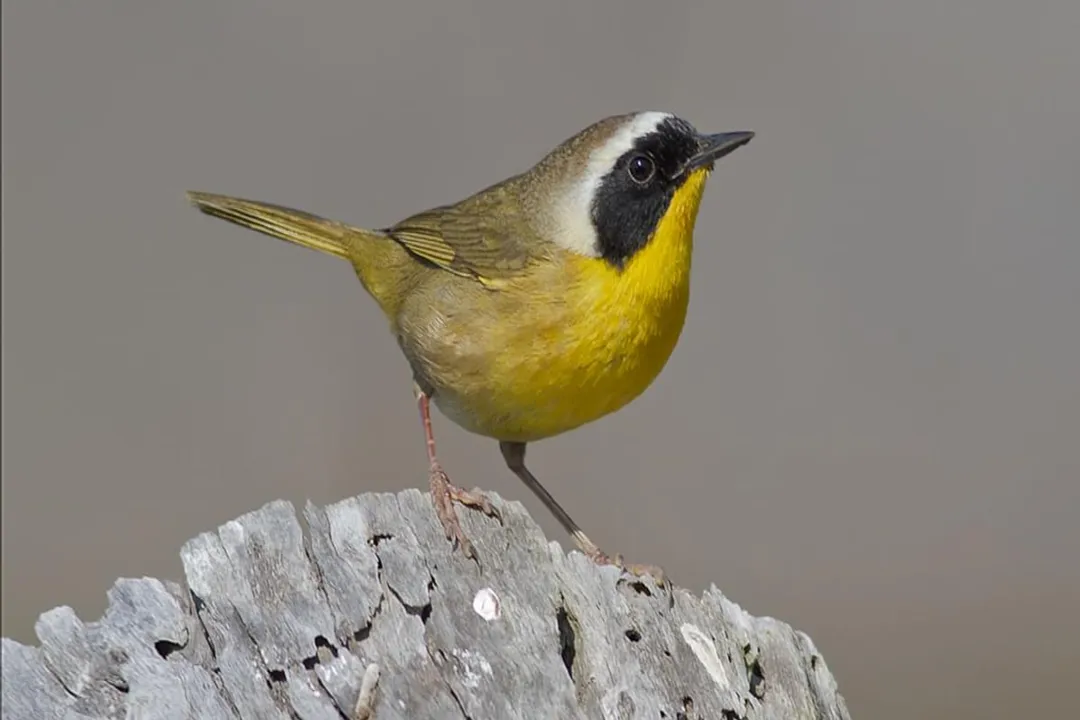
Although the Common Yellowthroat is overwhelmingly focused on animal protein, their diet is not strictly carnivorous throughout the year or under all circumstances. When primary prey, such as active insects, becomes less productive due to adverse weather, habitat degradation, or during periods like migration, the bird will supplement its intake with other available resources. Evidence suggests they will consume a small quantity of seeds. This minor inclusion of plant matter likely functions as a crucial fallback or supplementary energy source, providing easily accessible carbohydrates necessary for survival when preferred invertebrate food sources are difficult to locate or capture.
Related Questions
What constitutes the vast majority of the Common Yellowthroat Diet?What primary foraging method defines the Yellowthroat as a foliage gleaner?Besides invertebrates, what non-food item is ingested to aid digestion?What active aerial technique does the Yellowthroat occasionally use to catch moving prey?What structural element, more than the specific plant type, is critical for the Yellowthroat habitat?Which winged arthropods are explicitly mentioned as part of the Yellowthroat's prey list?What is the suspected mechanical function of ingesting grit for the Yellowthroat?When do the high-protein meals required by the Yellowthroat spike in demand?What minor component supplements the Yellowthroat diet when invertebrates are scarce?What physical feature contrasts sharply with the male Common Yellowthroat's bright yellow throat?