Yellowthroat Diet
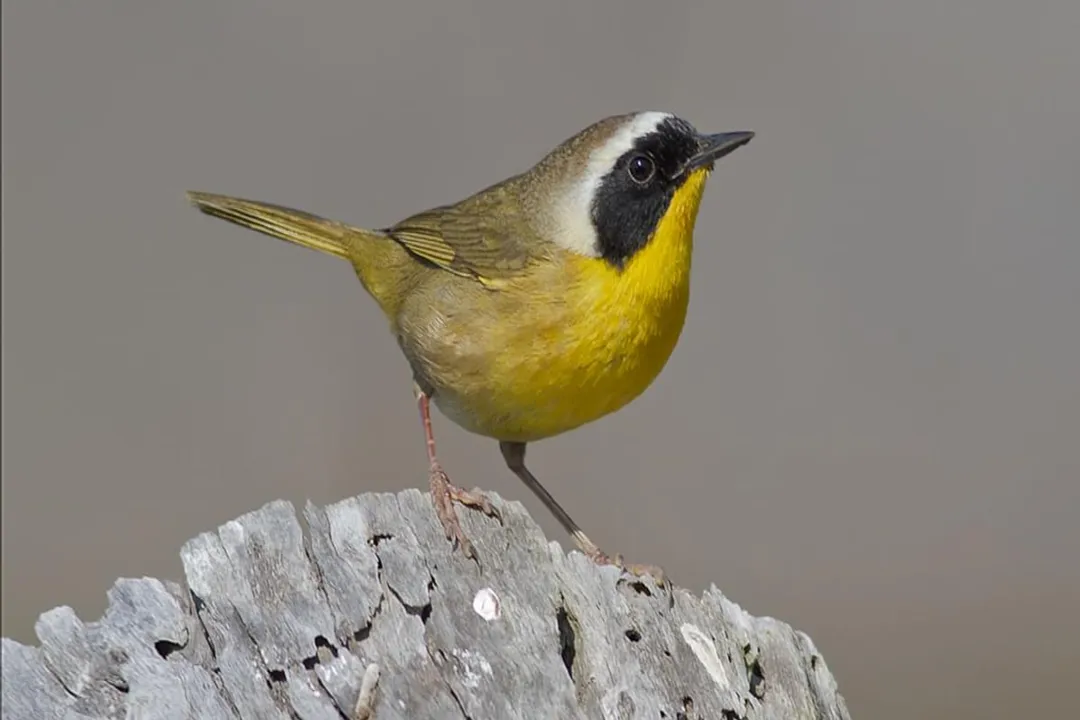
The Common Yellowthroat, with its bright yellow throat contrasting sharply against the male's distinctive black mask, is a familiar, yet often hidden, resident of North America’s dense undergrowth. While their striking appearance might catch the eye during a brief song delivery from a high perch, the majority of this warbler’s life is spent concealed deep within tangled vegetation. This secretive nature directly shapes its entire feeding strategy, making the Yellowthroat Diet a fascinating study in ecological specialization. The vast majority of what this energetic little bird consumes consists of animal matter, primarily insects and spiders.
# Insect Focus
For the Common Yellowthroat, a living invertebrate is the foundation of its nutritional needs, especially during the demanding breeding season when feeding young requires high-protein meals. The menu drawn from low-lying flora is remarkably broad, reflecting their generalist approach to invertebrate consumption within their preferred low stratum.
Specifically, their diet is rich in a wide array of arthropods. A casual observer might miss the meticulous searching required to collect these tiny morsels. The list of accepted insect prey includes various bugs, flies, beetles, ants, and termites. When larger items are available, they readily take them; this includes grasshoppers, moths, and butterflies, as well as the larval stages of many insects, such as caterpillars. Flying prey items are also targeted, with the yellowthroat consuming dragonflies and damselflies. Spiders are another significant component of their daily intake. If you look closely at the details provided by field guides covering regions like Montana or Utah, you often see lists that confirm this reliance on the terrestrial and low-foliage invertebrate community, including prey like grubs and mayflies.
This intense focus on invertebrates separates the Yellowthroat’s feeding niche somewhat from certain other warblers that might specialize more heavily in higher canopy gleaning or aerial hawking. The Yellowthroat is truly a bird of the brush floor, and its prey list reflects what is abundant and accessible in those damp, tangled habitats.
# Foraging Methods
How the Yellowthroat procures its food is just as telling as what it eats. It operates as a foliage gleaner, meaning it searches leaves and stems for stationary or slow-moving prey. They spend much of their time foraging on or immediately near the ground.
The typical action involves perching within the low vegetation—be it reeds, weeds, or shrubbery—and meticulously picking prey off the surfaces of leaves, bark, flowers, or branches. This is the primary method: gleaning while perched. However, they are not entirely static hunters. When an insect moves or attempts to fly away, the Yellowthroat is quick to react. They will occasionally sally out from a perch to catch prey in mid-air. Furthermore, some sources note brief moments of hovering near foliage to snatch an insect that might otherwise be out of reach for a simple reach or peck. While they prefer to hunt among the low plants, they are also documented foraging on the ground itself, perhaps scratching through leaf litter or probing slightly into the soil.
This mix of active aerial pursuit (sallying) and meticulous surface searching (gleaning) suggests an opportunistic approach within their preferred low-height feeding zone. A keen birder observing a Yellowthroat during the nesting season will notice the rapid, almost ceaseless activity as the parents bring back a continuous stream of small, protein-rich items for their nestlings.
# Habitat Dictates Diet
The Common Yellowthroat’s habitat preference is highly correlated with its diet. They thrive in thick, tangled vegetation found across a wide spectrum of areas, from swamps and marshes to dry upland pine forests and brushy pastures. The critical factor isn't the type of dominant plant life, but the presence of dense, low growth.
This means that whether they are in a marshland surrounded by cattails and sedges or a shrubby roadside ditch, they are looking for the same structural complexity: cover that harbors a rich community of ground-dwelling and low-level insects. This adaptation to low-lying cover allows them to coexist in diverse ecosystems across their extensive North American range. For someone trying to encourage Yellowthroats to settle in their area, the actionable tip is clear: managing land should prioritize the maintenance of this dense, low-to-medium height barrier. Simply having a swamp isn't enough; the edges and understory must be allowed to grow thick and messy. Planting dense, native thickets or avoiding overly aggressive mowing of riparian buffer zones creates the necessary feeding structure, ensuring a continuous supply of low-to-the-ground invertebrates they rely on, which is often more important than the specific presence of water.
# Seasonal Menu Variation
While the diet remains invertebrate-focused year-round, we can reasonably infer shifts based on seasonal availability and migration patterns. During the breeding season in the northern parts of their range, when temperatures are warm, the availability of soft-bodied larvae and flying insects booms, perfectly matching the high-energy demands of raising two broods per year.
Conversely, during migration and on their wintering grounds in the southern US, Mexico, Central America, and the Caribbean, while they still favor thick cover, the available invertebrate fauna changes. In colder or drier winter periods, the bird might have to subsist on more dormant insects, spiders hidden in crevices, or, critically, supplement their diet with other available items.
# Beyond the Bug World
Though insects are central, the Yellowthroat’s intake is not purely carnivorous. Like many small birds that consume exoskeletons, they ingest grit—small pebbles or sand—which is thought to act as a mechanical aid in the gizzard to grind up food, assisting in digestion, or possibly to supply necessary minerals.
Furthermore, while their preference leans heavily toward animal protein, there is evidence that a few seeds are sometimes eaten. This minor consumption of plant matter likely serves as a crucial fallback or supplementary energy source, especially when invertebrate foraging is less productive due to weather, habitat degradation, or during migration when quick, easily digestible carbohydrates might be beneficial. The balance is clearly skewed, but these supplements ensure survival when primary prey is scarce.
# Ecological Service
The Common Yellowthroat provides a positive economic service simply by existing within its preferred messy habitats. By consuming large quantities of various insects, they naturally help control populations of invertebrates that might otherwise be considered agricultural or nuisance pests. From the perspective of backyard ecology, watching a Yellowthroat actively glean through weeds is observing nature’s own, highly specific, pest control service operating at ground level. This predation pressure on small insects is a quiet but constant contribution to local ecosystem health, a function tied directly to their dietary needs.
To truly appreciate the Yellowthroat diet, one must look past the striking yellow chest and focus on the dense, low tangle where they hunt. Their feeding style is a direct extension of their habitat preference: secretive, low to the ground, and overwhelmingly focused on the small, hidden arthropods that form the bulk of their survival needs across diverse North American landscapes. Understanding this diet underscores why habitat protection efforts that focus on maintaining dense brush and wetland edges are so vital for this resilient, yet easily overlooked, warbler.
Related Questions
#Citations
Common Yellowthroat Life History - All About Birds
Common Yellowthroat | Audubon Field Guide
Common Yellowthroat - Montana Field Guide
Geothlypis trichas (common yellowthroat) - Animal Diversity Web
(species) geothlypis trichas - Utah Natural Heritage Program Field ...