What limits the aardvark’s ability to pivot to alternative food sources during scarcity?
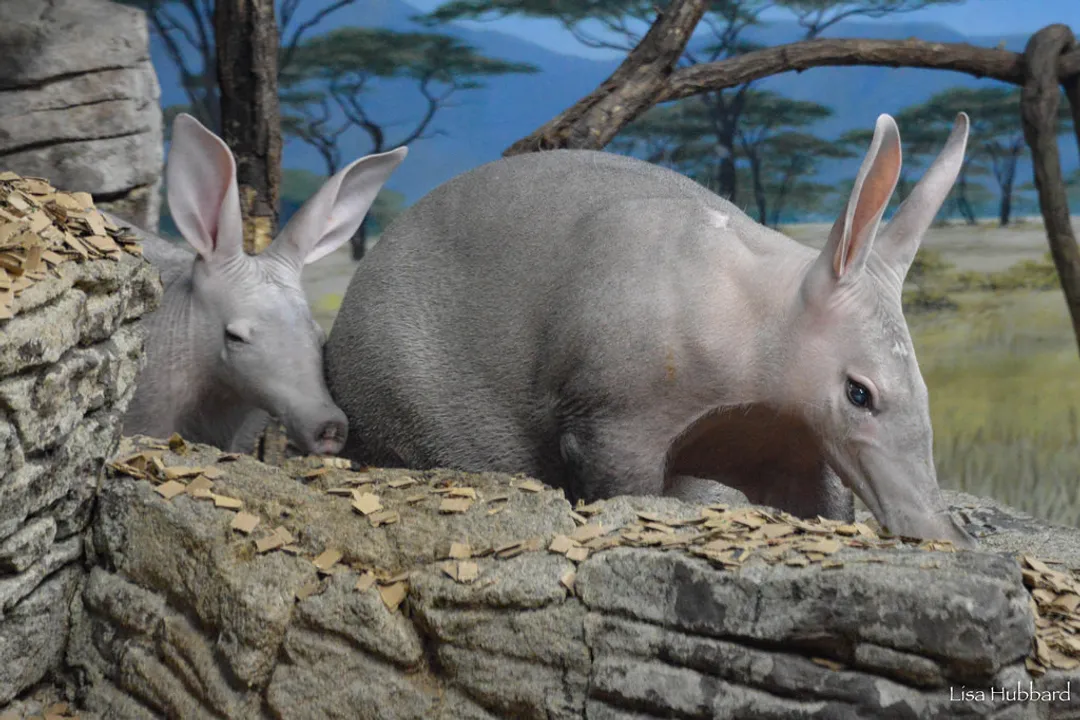
Its entire anatomy, from digging claws to specialized snout, is built for harvesting specific social insects
The aardvark exhibits extreme dietary specialization, a trait that contributes to its vulnerability when its primary food source declines. The text emphasizes that this specialization is anatomical; the animal is not behaviorally flexible enough to shift diets easily. Every part of its specialized body structure, including the powerful digging claws required to access nests and the specialized snout adapted for harvesting insects, is purpose-built for exploiting ants and termites. Consequently, an omnivore or generalist carnivore could adapt to fluctuating resources, but the aardvark cannot easily transition to other types of food, making its reliance on that specific niche absolute.