What disease killed the saiga antelope?

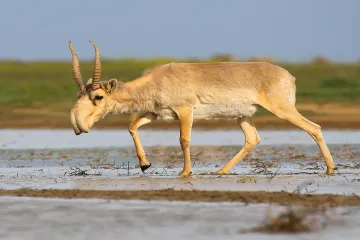
The eerie quiet descended over the Ustyurt plateau in Kazakhstan in the spring of 2015, marking the aftermath of one of the most devastating wildlife mortality events recorded in modern history. What began as a few scattered deaths quickly spiraled into a catastrophic mass die-off involving the unique and critically endangered saiga antelope. [5][6] Within a mere matter of weeks, hundreds of thousands of these distinctive creatures, recognizable by their oversized, bulbous noses, succumbed to a mysterious affliction that baffled scientists and conservationists alike. [4][6] The sheer speed and scale of the tragedy demanded immediate, intensive investigation to uncover the cause behind this sudden collapse of a fragile population. [1][7]
# The Die Off
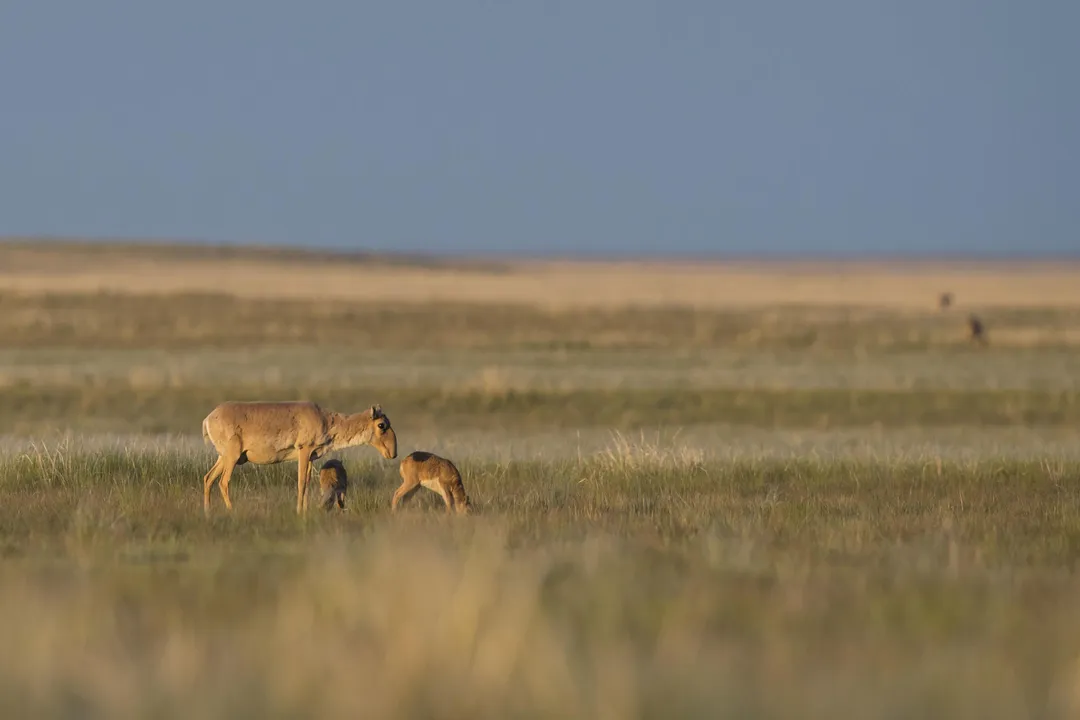
The event unfolded with terrifying swiftness in May 2015. [4] Reports confirmed that approximately 200,000 saiga antelopes perished in a very short time frame. [4][6] To grasp the magnitude of this loss, considering that the global population was estimated to be just over 330,000 individuals before the die-off, it becomes clear that this single event wiped out roughly 60 percent of the entire species across the planet. [4] Most tragically, the vast majority of the victims were calving females, adding an immediate, severe demographic impact to the overall numbers lost. [1][4]
The die-off was not spread out over months; rather, it was a concentrated disaster. Eyewitnesses described seeing large numbers of animals collapsing and dying within days. [4] This rapid progression indicated a highly virulent agent was at play, overwhelming the animals' defenses almost instantly. [1] Field investigations confirmed the grim reality across broad swaths of their range in Kazakhstan. [6]
# Bacterial Culprit

For a time, the reason behind the mass mortality remained deeply unsettlingly unknown. [2] Theories ranged widely until rigorous scientific analysis pointed firmly toward a specific, although usually benign, microscopic organism. [1][5] Research conducted by international teams ultimately identified the killer as the bacterium Pasteurella multocida. [1][2]
What makes this finding particularly complex is that Pasteurella multocida is not an invader; it is a resident of the saiga antelope’s upper respiratory tract. [1][2] In healthy animals, this bacterium typically coexists without causing harm, a state known as commensalism. [2] However, for this normally harmless bacterium to become lethal on such a scale, something must have shifted dramatically in the environment or the host’s physiology to unleash its pathogenic potential. [1] The mechanism involved the bacteria entering the bloodstream, leading to widespread septicemia, or blood poisoning, which proved fatal across the herd. [1][5]
If one were to frame the scale of the loss in context, imagine a medium-sized city suddenly losing a significant portion of its unique wildlife population—that is the equivalent impact this single outbreak had on a species already clinging to survival. [4] The speed of this septicemic shock, leaving little to no time for symptoms to present or for management intervention, highlights the challenge inherent in responding to such an acute biological event. [4]
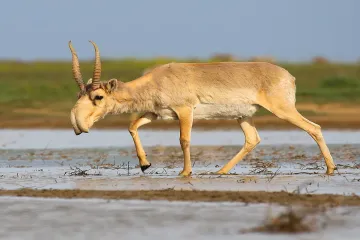
# Weather Trigger
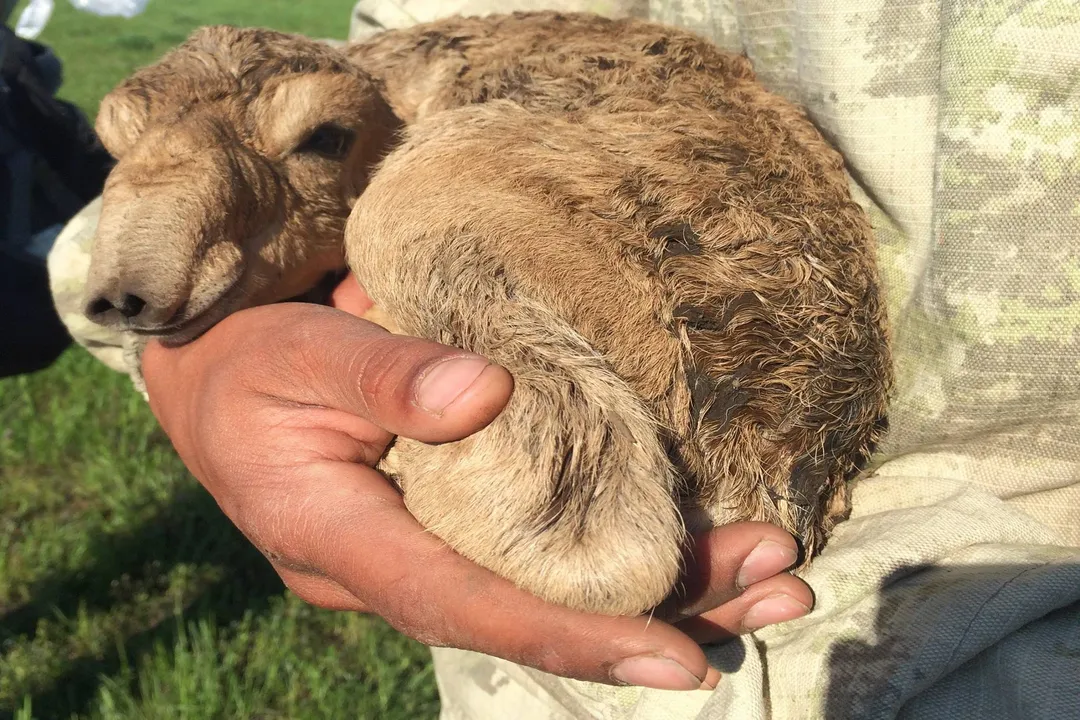
The key to understanding why the normally dormant bacteria suddenly turned deadly lay in analyzing the environmental conditions immediately preceding the die-off. [1][4] Scientists were able to connect the mass mortality event to unusual, rapidly changing weather patterns that occurred just before the deaths began. [4]
The prevailing evidence strongly suggested that a period of high humidity coupled with unusually warm temperatures created the perfect storm for bacterial proliferation. [1][4] These conditions likely provided the necessary catalyst for the Pasteurella multocida colonies living in the animals’ noses and throats to multiply explosively. [2] Once the bacterial load reached a critical mass, driven by environmental stress, the animals’ immune systems were unable to contain the infection, leading to systemic failure. [1][5]
This points to a critical ecological understanding: the health of this species is intrinsically linked to environmental stability. The transition from a relatively stable state to one favoring rapid bacterial bloom was swift, emphasizing that for species like the saiga, the threat isn't always a persistent predator or poaching pressure, but can be a temporary, yet profound, shift in local climate conditions. [4]
# Conservation Response
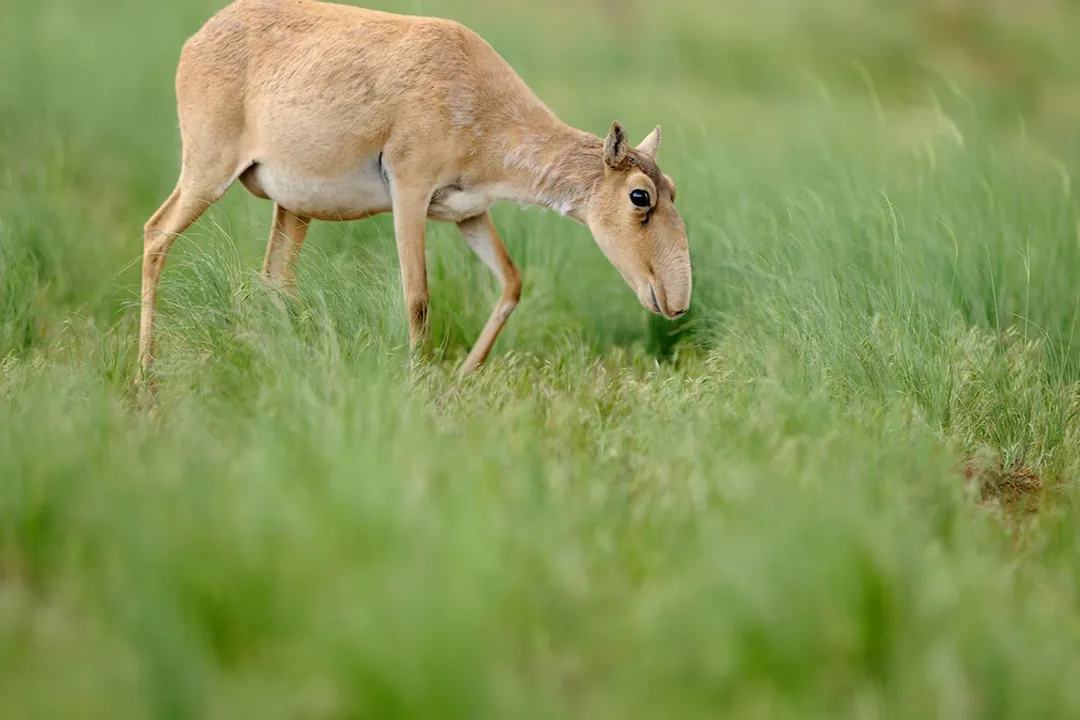
Following the shocking discovery of the immense death toll, conservation groups, government agencies, and veterinary experts mobilized rapidly to understand the situation and prevent future catastrophes. [7] The immediate scientific priority became confirming the cause to ensure that the outbreak was not zoonotic (capable of jumping to humans) or linked to another, more transmissible disease like rinderpest or anthrax, which had been initial concerns. [1][7] The confirmation that it was Pasteurella multocida was, in a grim way, a relief, as it narrowed the scope of the threat to the saiga population itself. [2]
Understanding the link between environmental conditions and bacterial virulence established a new area of focus for monitoring efforts. [1] Protecting the remaining populations requires a deep understanding of these environmental tipping points. For instance, tracking local weather forecasts in high-density calving grounds for unusual spikes in temperature and humidity during the critical birthing season becomes as vital as patrolling for poachers. [7]
# Population Hit
The recovery of the saiga antelope population has become a primary conservation goal following the 2015 disaster. [5] While the species has faced numerous challenges throughout its history, including habitat loss and intense poaching pressure targeting their horns, the mass die-off represented a near-existential threat. [5][6]
The loss of so many reproductively active females meant that the species’ ability to bounce back naturally was severely curtailed. [1] Saiga recovery relies on sustained, successful breeding seasons. When 60% of the breeding stock is eliminated in one go, the demographic pyramid is severely skewed toward a smaller, less resilient base. [4] Therefore, while the immediate crisis was the disease itself, the long-term conservation challenge shifted to intensively supporting the survival and reproduction of the remaining herds. [5]
Despite the devastation, the species endures, though it remains critically endangered. [5] The sheer resilience demonstrated by the surviving antelopes, coupled with ongoing conservation measures, offers a glimmer of hope, but the memory of that devastating week in May serves as a stark reminder of how quickly biological factors can reshape the fate of endangered wildlife. [6] The entire global population of saiga now exists in a state of perpetual elevated risk, keenly aware that another unusual weather pattern could potentially trigger a repeat of the disaster that claimed their relatives. [1][2]
#Videos
Mysterious disease killed 90% of Saiga antelope in Central Kazakh ...
Related Questions
#Citations
Cause of mysterious mass death of saiga antelopes uncovered
The Mystery Solved of Saiga Antelope Die-Offs - UF/IFAS One Health
Surprising findings from research on saiga antelope mass die-off
Strange Weather Triggered Bacteria That Killed 200,000 ... - NPR
Saiga antelope - Wikipedia
Endangered Saiga Antelope Die-Off Caused by Nose Bacteria in ...
Mass die-off of saiga antelopes, Kazakhstan, 2015 | Publication
[PDF] Mass Die-offs in Saiga Antelope Populations
Mysterious disease killed 90% of Saiga antelope in Central Kazakh ...