What killed off the terror birds?
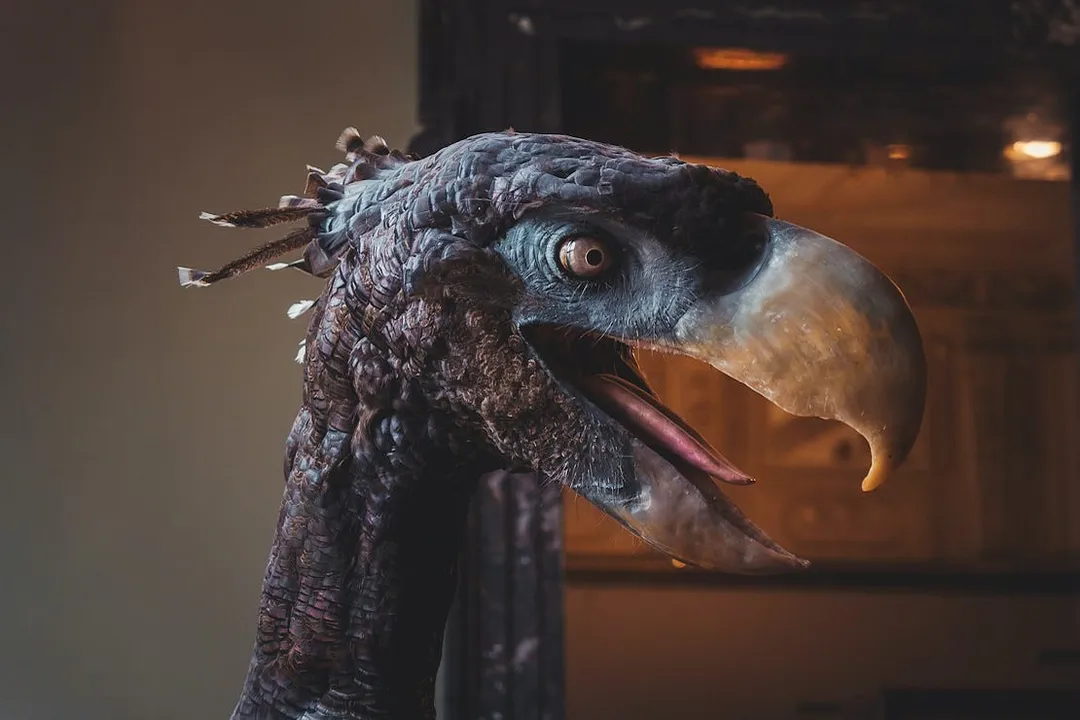
The massive, flightless birds known as terror birds once commanded South America, standing as the continent’s undisputed terrestrial apex predators for millions of years. [4] Their sheer size and formidable beaks painted a picture of primal dominance that modern ecosystems rarely replicate, making the question of their eventual disappearance a fascinating piece of paleontological detective work. [2] These creatures, formally belonging to the family Phorusrhacidae, were not closely related to ostriches or emus, but rather were part of a very distinct, ancient lineage of birds that ruled the ground long before many mammals achieved their modern forms. [10]
# Giant Predators
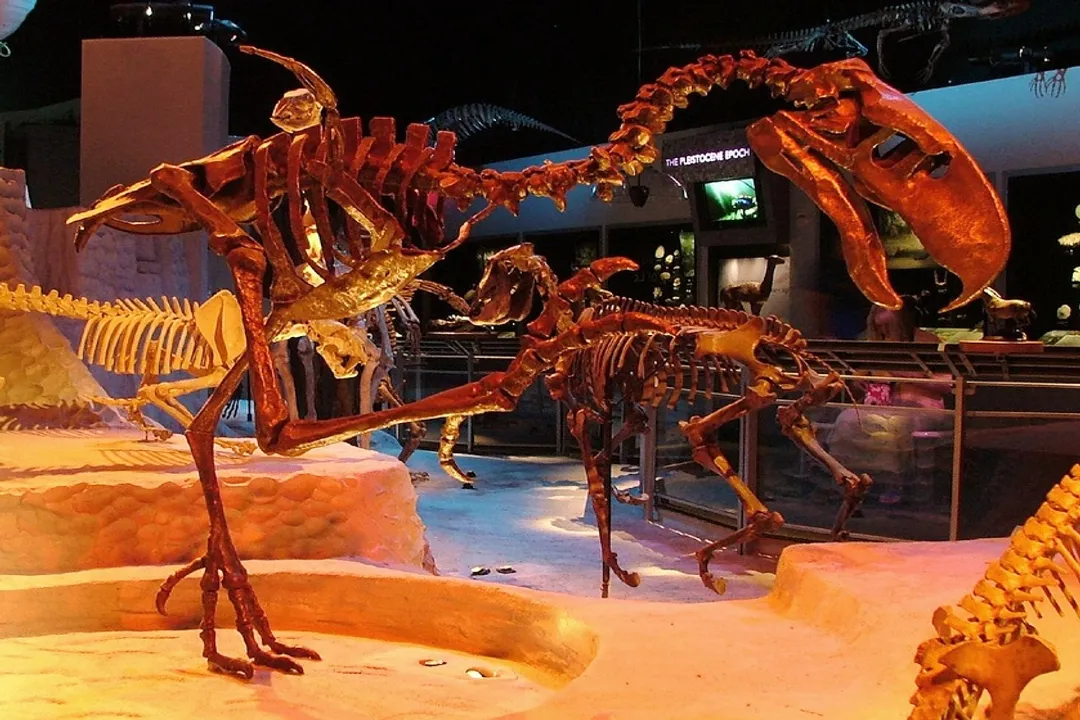
Terror birds were imposing figures in the Cenozoic Era landscape. [4] Their classification places them within the group Gastornithiformes, though their relationship to modern birds like seriemas is more direct. [2] While popular imagery often focuses on the largest species, the family exhibited significant diversity in stature. [2] Some species stood around three feet tall, comparable to a large modern turkey, while the giants reached heights approaching six feet or more. [5][2] Their most recognizable feature was undoubtedly the massive, hook-tipped beak, which could be nearly two feet long in the largest forms. [4] This beak was perfectly suited for ripping flesh, suggesting a highly carnivorous diet, though the precise mechanics of how they killed—whether by repeated stabbing or powerful blows—remain subjects of scientific debate. [4] Interestingly, while they lost the ability to fly, their leg structure suggests they were capable runners, adapted for covering ground in search of prey. [2]
# Geographic Span
The reign of the terror birds was geographically centered on South America for much of their existence. [4] This isolation played a major role in their evolutionary success, as they filled the ecological niche of large terrestrial predator that, in other continents, was often occupied by mammals like saber-toothed cats or large canids. [2] Fossils trace their lineage back into the Paleogene period, meaning they were established before the major faunal exchange with North America took place. [4] Some evidence even suggests an earlier presence or dispersal into Antarctica during a warmer period in its history, long before it froze over. [9] Their presence as apex hunters in South America was unchallenged for an extended stretch of time, allowing this unique evolutionary path to continue unchecked. [4]
# Continental Interchange
The most significant turning point in the history of the terror birds relates to the formation of the Isthmus of Panama. [1] Around three million years ago, North and South America became connected in an event known as the Great American Biotic Interchange (GABI). [1][6] This geological event flooded South America with new arrivals: mammalian carnivores, including saber-toothed cats, large canids, and bears, all migrating southward. [1][6] Suddenly, the terror birds, which had evolved in an environment largely free of such sophisticated mammalian competition, faced opponents with different hunting strategies, different body armor, and often superior brain-to-body ratios for complex problem-solving. [1] This introduction of highly adapted mammalian predators is considered a primary, if not the primary, driver behind the decline of the largest phorusrhacids. [6]
When considering the timeline of this interchange, it is striking how quickly the largest Phorusrhus-type birds disappear from the fossil record following the influx of placental carnivores. [8] While some smaller species managed to persist, the very top spots on the food chain, once securely held by birds towering over six feet, were swiftly taken over by creatures like the fearsome Smilodon or the formidable Arctotherium (the giant short-faced bear). [1] It seems that while a few smaller terror bird species clung on, the specialized large predators could not adapt quickly enough to this new competitive pressure, leading to their gradual regional extirpation. [8]
# Climate Shifts
While competition from invading mammals certainly posed a massive challenge, environmental change cannot be dismissed when assessing the extinction of megafauna. [6] The Pliocene and Pleistocene epochs, when the last of the terror birds vanished, were characterized by significant global cooling and climatic shifts. [8] As the climate cooled, the subtropical and temperate environments that many terror bird species likely thrived in would have contracted. [6] This habitat change would have reduced the overall carrying capacity of the environment, putting additional stress on populations already struggling with new mammalian competitors. [1] It’s possible that the specialized morphology of the large terror birds—adapted for a specific, stable South American environment—made them less flexible in the face of widespread biome alteration than the more generalized mammalian invaders. [10]
If we map the decline against climatic proxies, there appears to be a correlation between the retreat of stable forest cover and the fossil abundance of the largest species. [8] Imagine a scenario where a large bird relies on a dense, warm habitat for nesting success and prey availability; as that habitat fragments due to cooling, its population density drops, making it an easier target for the newly arrived, highly effective mammalian hunters. [6] The environmental squeeze provided the opportunity, and the arriving mammals provided the coup de grâce.
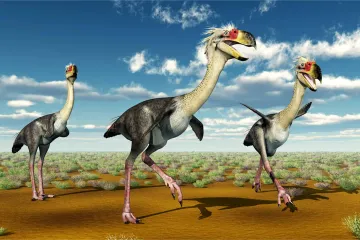
# End of Line
The fossil record suggests that the very last of the terror birds disappeared relatively recently in geological terms, with some Pliocene or early Pleistocene occurrences being the final chapter for the family. [8] These final survivors were generally the smaller species, suggesting that size was a significant liability when facing competition. [8] The very largest genera, like Argentavis (though sometimes debated if it was a true phorusrhacid or a very large relative) or Kelenken, are known from much older strata. [2][9] The fact that the remaining species were smaller might imply they were able to subsist on smaller prey or utilize different, perhaps more marginal, habitats that the large carnivores ignored. [7]
Observing the niche vacated by the Phorusrhacidae reveals an interesting pattern in the evolution of dominance. The terror birds filled the role of the terrestrial bone-crusher. After their demise, South American ecosystems were completely reshaped, and while jaguars and other cats took on roles as primary pursuit predators, the ecosystem lacked a true avian equivalent of a massive, ground-based apex predator for a very long time. [5] The replacement was entirely mammalian, showcasing a complete regime shift in predatory dominance on the continent, unlike regions where avian predators like eagles or vultures remained significant alongside mammalian carnivores. [10] This suggests that the factors that killed the terror birds were so overwhelming that they permitted no avian successor to rise to the same ecological height, a failure to rebound that is unique considering the continent's subsequent avian diversity. [7]
Thinking about the pressures they faced, one can postulate that their high caloric requirements, necessitated by their immense size, became an unsustainable burden once prey availability was disrupted by climate change and competition intensified due to the GABI. [1] A six-foot-tall bird needs a consistent supply of substantial food; a smaller, more adaptable competitor might survive on rodents or smaller ground birds during lean times, whereas the giant needed to secure large kills regularly. [6] Their specialization, which had been their strength for millions of years of isolation, became their greatest weakness when the world around them rapidly changed. [2]
# Final Thoughts
The story of the terror birds is a powerful illustration of how quickly ecological dominance can be lost when continental barriers fall. [1][6] They were not wiped out by a single cataclysmic event, but rather faced a prolonged siege from two fronts: ecological replacement by superior mammalian hunters arriving from the north, and environmental transformation due to global cooling. [8] The final blow seems to have been delivered by the intensity of this new, multi-faceted competition which the avian giants could not overcome. [6] While they ruled the South American plains for millennia, their long reign ended not with a bang, but through the slow, grinding pressure of changing neighbors and a shifting climate. [4] The memory of these magnificent, terrifying birds remains a potent reminder that no dynasty in nature is ever truly permanent. [2]
#Videos
What Happened to the Prehistoric "Terror Bird"? | Nature Bites
Related Questions
#Citations
On terror birds and their extinction, and the idea of “outcompetition.”
Phorusrhacidae - Wikipedia
What Happened to the Prehistoric "Terror Bird"? | Nature Bites
The menacing reign of the terror birds | Earth Archives
Valley Wilds Article | Giants of the Sky: Terror Birds and Moas
How did terror birds go extinct? - Quora
Read more about the extinct family of Phorusrhacidae (terror birds ...
The Last Terror Birds: A review of Phorusrhacids and their Plio ...
Giant Terror Birds Once Ruled Antarctica, Study Suggests
Terror Bird Vs. Modern Bird - National Audubon Society