How many people were killed by needlefish?
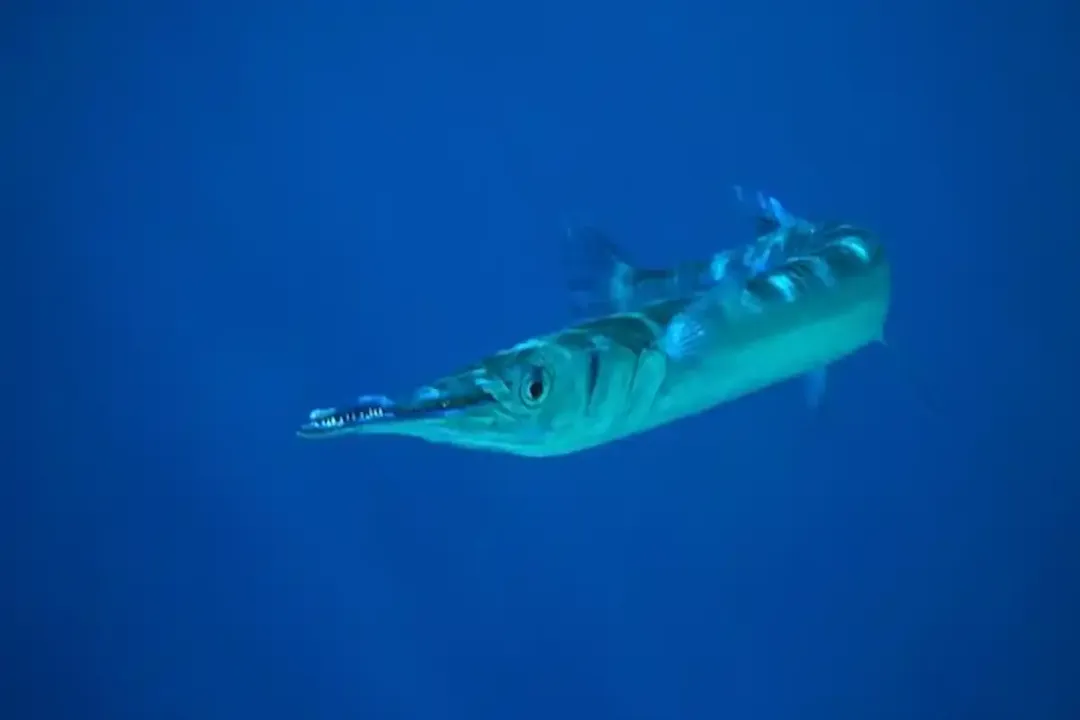
The ocean surface, often perceived as a place of sunlit recreation, occasionally conceals hazards far removed from the popular fears of sharks or stingrays. Among the less recognized, yet potentially lethal, dangers is the needlefish, a long, slender marine predator whose sudden aerial maneuvers have tragically resulted in fatalities across the globe. While exact global statistics are difficult to compile, records of incidents involving these fish point to a small but consistent pattern of fatal impalements, often occurring during otherwise routine water activities like surfing, fishing, or swimming. The danger lies not in malice, but in physics and speed, turning a sharp, bony protrusion into an unintended projectile weapon.
# Fish Anatomy
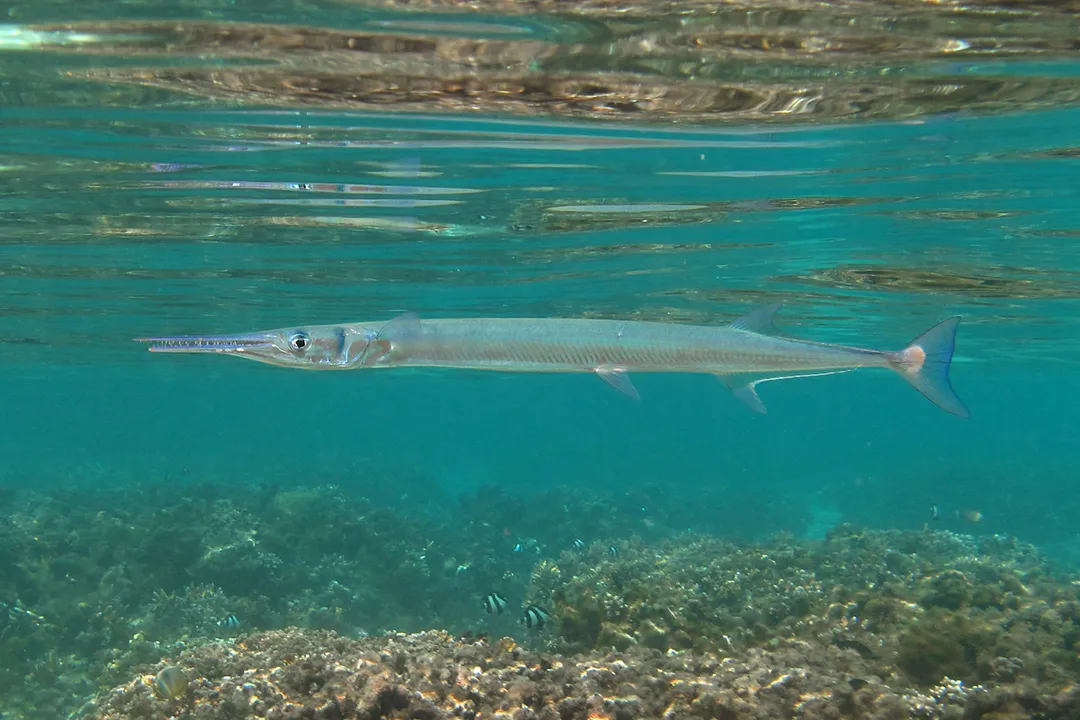
Needlefish, belonging to the family Belonidae, are characterized by their elongated bodies and their most distinctive feature: a long, narrow beak packed with sharp teeth. They are piscivorous, meaning they primarily consume smaller fish, though some species also eat crustaceans and insects. These fish are common in subtropical regions, though some species inhabit temperate waters, often swimming near the surface or in very shallow marine habitats.
Physically, they can vary significantly in size, ranging from about 3.0 cm up to 95 cm (37.4 inches) in length. A curious aspect of their development is the "half-beak" appearance of juveniles, whose lower jaw elongates first before the upper jaw catches up, at which point they switch their diet from plankton to solid fish prey. This physical adaptation—the development of a long, narrow jaw capable of impaling—is central to the risk they pose to humans.
# Lethal Velocity
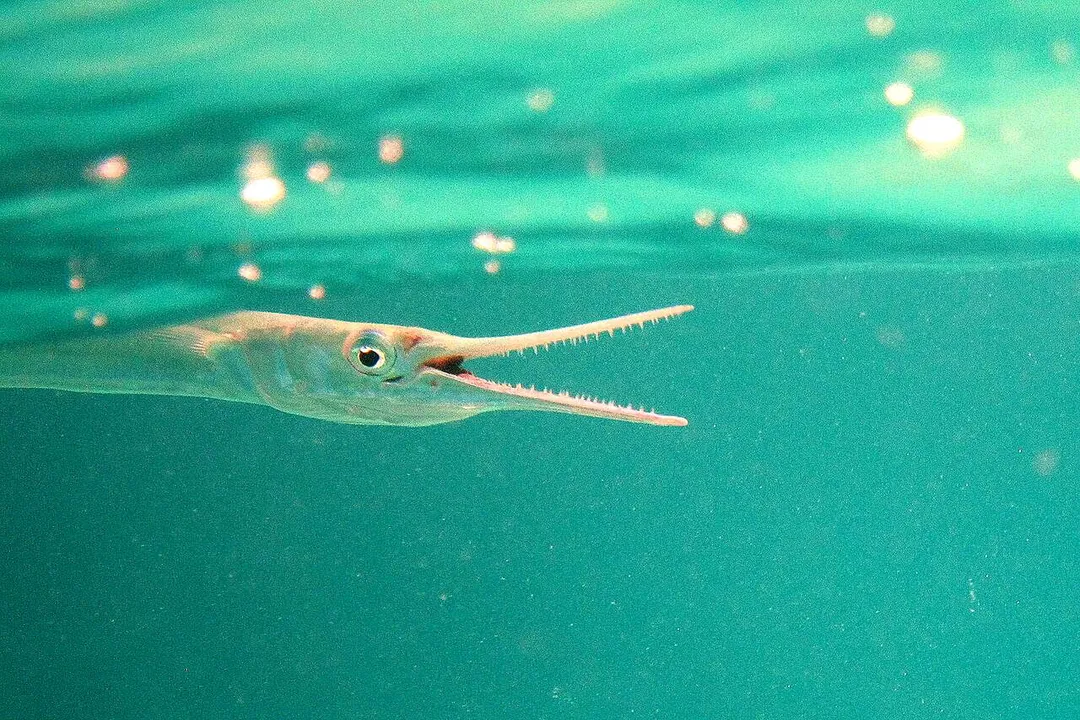
The lethality associated with needlefish attacks stems from their remarkable jumping ability. These fish are known to launch themselves out of the water at surprisingly high speeds, with documented velocities reaching up to 60 km/h (37 mph) or nearly 40 miles per hour. Because they swim close to the water's surface, they often opt to jump clear over low-lying vessels rather than navigate around them.
This behavior is intensified by external stimuli, particularly artificial light sources at night. Night fishermen and divers have reported schools of needlefish becoming suddenly excited and diving across the water's surface directly toward the light source. When their beaks strike flesh, they can cause deep puncture wounds, and it is not uncommon for the beak to break off inside the victim. For traditional fishers in the Indo-Pacific, operating from low boats over reefs, these fish are sometimes considered a greater risk than sharks due to this specific impalement mechanism.

# Documented Fatalities Summary
While specific counts vary depending on the diligence of local reporting, several distinct fatal incidents have entered the public record, demonstrating the deadly potential of an unlucky encounter. Based on detailed tracking of reported cases, at least seven deaths have been documented in the span between 1977 and late 2024.
| Year | Location | Victim Activity | Fatal Injury Detail |
|---|---|---|---|
| 1977 | Hanamaulu Bay, Kauaʻi, Hawaii | Night Fishing | Pierced eye and brain by a 1.0–1.2m fish |
| 2007 | Halong Bay, Vietnam | Night Diving for Sea Cucumbers | Stabbed through the heart by a 15 cm beak |
| 2013 | Dammam, Saudi Arabia | Swimming | Death from hemorrhaging after a strike to the left side of the neck |
| 2016 | Central Sulawesi, Indonesia | Swimming (80cm deep water) | Pierced just above the right eye by a half-meter fish; died hours later |
| 2018 | Thailand | N/A (Cadet) | Strike to the neck |
| 2024 (Apr) | Panay Island, Philippines | Fishing | Pierced in the stomach by a jumping balo; died from hemorrhage |
| 2024 (Oct) | Mentawai Islands, Indonesia | Surfing | Impaled in the upper left chest (5cm deep puncture) |
It is important to note that this documented count might underrepresent the true total, as fatal incidents in remote areas or regions with less comprehensive reporting may go unrecorded or be misattributed. For instance, historical accounts note a 16-year-old Vietnamese boy died in 2007 from a heart stab, and a 10-year-old Hawaiian boy died in 1977 from a strike to the eye and brain, reinforcing that these events have been occurring for decades.
# The Physics of Attack
Understanding how these incidents occur moves the discussion away from tales of aggressive predators toward an appreciation for biological mechanics. Needlefish are not generally considered intentionally aggressive toward humans. Their attacks are overwhelmingly accidental consequences of their hunting or evasion tactics.
One critical element mentioned in scientific observation is their capacity to exploit Snell's Window. This optical phenomenon, caused by light refraction at the water's surface, distorts the image of objects near the surface, allowing the needlefish to launch an ambush attack on small fish prey with disruptive camouflage. A person floating, swimming, or paddling near the surface is essentially occupying the trajectory of this ballistic ambush.
When they are startled, particularly at night near bright lights used by fishermen, they react by moving rapidly away from the light source, often creating a chaotic, high-speed dive through the water column, which can lead to unintentional impact with nearby humans. An interesting side note for water users is that the direction of travel is key; since fish often lack a true reverse gear, a startled fish's only option may be forward momentum into whatever is blocking its path.

# Severe Non-Fatal Injuries
While seven confirmed deaths are sobering, the list of non-fatal injuries is extensive and equally alarming, highlighting that even survival often entails life-altering trauma. The sharp, sometimes brittle, nature of the beak means fragments frequently remain lodged in the body, leading to complex medical intervention.
Specific severe, non-fatal outcomes include:
- Paralysis: A Russian tourist in Vietnam in 2014 had a fish bite her neck, resulting in fragments of its teeth lodging in her spinal cord and causing paralysis.
- Permanent Blindness: A swimmer off Panama in 2023 suffered a beak impact to the left eye, piercing the optic nerve and causing permanent blindness.
- Internal Lodgement: In 2009, a man in the Mediterranean was left with the needlefish beak physically stuck in his face after it leaped and struck him below the nose, piercing his nasal cavity.
These incidents demonstrate that the danger is not localized to one body area; strikes have been documented on the foot, knee, chest, and face, indicating the fish's trajectory can be highly variable. For example, a surfer was reportedly struck in the chest in Indonesia in 2024, resulting in a 5cm deep puncture wound and seawater entering the lungs.
To put the risk into perspective, one might consider common local knowledge. In areas where needlefish are common, an experienced local might advise caution regarding the fish, yet this warning rarely carries the immediate weight of one directed toward a shark. Anecdotally, some marine enthusiasts suggest that other seemingly benign ocean life, like an eagle ray, might pose a greater statistical risk to a small child than a needlefish does to an adult swimmer, perhaps because the scale of the threat is poorly communicated when compared to apex predators.
# Navigating the Risk
Given the nature of these accidental impalements, prevention centers on understanding the fish's triggers and environment. Since the jumping behavior is strongly correlated with light at night, the most direct piece of actionable advice for small boat operators or night swimmers in known habitats is to limit the use of bright, exposed artificial lights on the water's surface after dark. If fishing at night, try to use submerged or indirect lighting rather than high-powered deck lights that might attract schools of fish directly into the boat's vicinity.
Furthermore, understanding the optical effect of Snell’s Window can inform behavior in clear water during the day. If you are stationary or slowly moving near the surface, be aware that visual distortion is occurring around you, and a fast-moving object—like a startled fish using the window for an attack run—will have its approach trajectory subtly warped from your perspective. It is prudent to maintain a slightly higher profile or alter swimming strokes that might resemble the frantic movements of small, surface-dwelling prey when moving quickly in areas known for these fish. For instance, surfers should remain aware of their immediate surface environment, as seen in the case where a professional surfer narrowly avoided a serious injury, suggesting that even skilled watermen are vulnerable to these unpredictable vertical strikes. The fact that incidents have occurred while fishing, surfing, kayaking, and simply swimming confirms that virtually any close-to-the-surface activity carries some level of, albeit low, risk where these fish are present.
The actual number of people killed by needlefish remains small—a handful of confirmed fatalities across several decades—but the mechanism is consistently devastating: a high-speed, sharp-beak puncture leading to hemorrhage, organ damage, or brain injury. This rarity, contrasted with the severity of the injuries, places the needlefish in a unique category of marine hazard: one that demands respect not for its size or aggression, but for its ballistic potential when startled near the water line.
Related Questions
#Citations
Needlefish are widely found fish known to cause serious injury and ...
Flying needlefish kills Italian surfer - Divernet
Man killed by needlefish - Practical Fishkeeping
Mitch Parkinson vs. a Needlefish - The Inertia
Needlefish - Wikipedia