If an immediate burrow is impossible, what defensive maneuver utilizes the aardvark's thick hide?
Answer
Turning its thick-skinned posterior toward the attacker
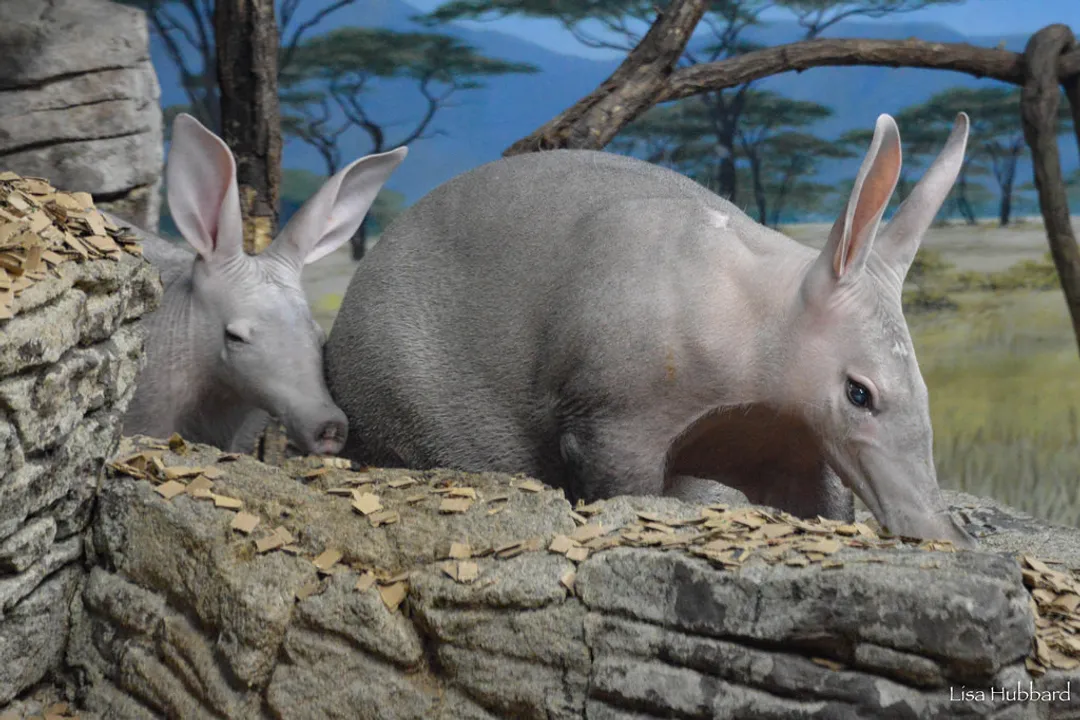
When an aardvark is caught out and cannot immediately escape underground, its secondary defense strategy leverages its specialized anatomy. If a retreat into an existing burrow or the digging of a new one is not feasible in the moment, the animal will orient itself defensively. This involves turning its rear end toward the threat. The thick, tough skin acts as armor, and by presenting this protected area, the aardvark uses its powerful hind legs and claws to actively defend the entrance or the body itself against the biting or scratching assaults of the predator.
Related Questions
Which large carnivore is listed as a predator of the aardvark alongside the lion (*Panthera leo*)?What is the primary defensive action an aardvark takes when threatened, rather than fleeing across open ground?Approximately how many insects might an aardvark consume during a single night of foraging?What environmental instability poses a slow, systemic threat leading to potential aardvark starvation?How is the aardvark's physical appearance characterized using comparisons to other animals?If an immediate burrow is impossible, what defensive maneuver utilizes the aardvark's thick hide?What key behavior creates vulnerability by causing the aardvark to miss a predator's approach?What limits the aardvark’s ability to pivot to alternative food sources during scarcity?Which predator is primarily diurnal but still poses a risk to aardvarks due to opportunism?Besides ripping open termite mounds, what crucial secondary role do the aardvark's powerful claws play?