What key physiological adaptation in the genus *Thunnus* grants superior burst speed?
Answer
Being partially warm-bodied (endothermic)
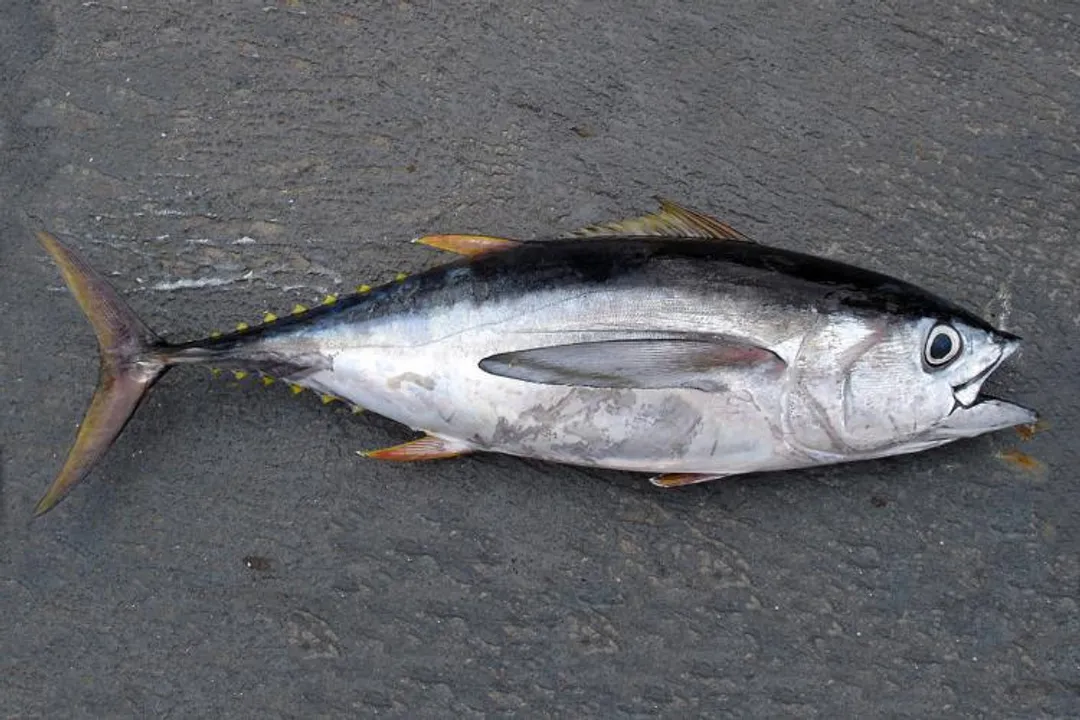
A significant shared physiological adaptation among species within the genus *Thunnus*, including *T. obesus*, is that they are partially warm-bodied, or endothermic. This capability allows these powerful pelagic predators to actively maintain higher muscle temperatures than the surrounding cold ocean water. This internal temperature regulation is crucial because it grants them superior burst speed capability and allows for sustained, efficient cruising ability over long distances, providing a competitive advantage over fish that are entirely cold-blooded.
Related Questions
What family groups mackerels and tunas, including *Thunnus obesus*?Which Order do modern phylogenetic studies frequently assign *Thunnus obesus* to via WoRMS?What is the primary meaning of the Latin term 'obesus' in *Thunnus obesus*?What key physiological adaptation in the genus *Thunnus* grants superior burst speed?Which authority and year is listed by FishBase for the original description of *Thunnus obesus*?Which historical name is explicitly listed as a junior synonym for *T. obesus*?Class Actinopterygii characterizes *T. obesus* as belonging to which group of fishes?What numerical identifier does NCBI assign to *Thunnus obesus* as its Taxonomy ID?What is the NatureServe global conservation rank assigned to *Thunnus obesus*?What structural element during development confirms *T. obesus* is in the Phylum Chordata?