What is the taxonomy of the skua?
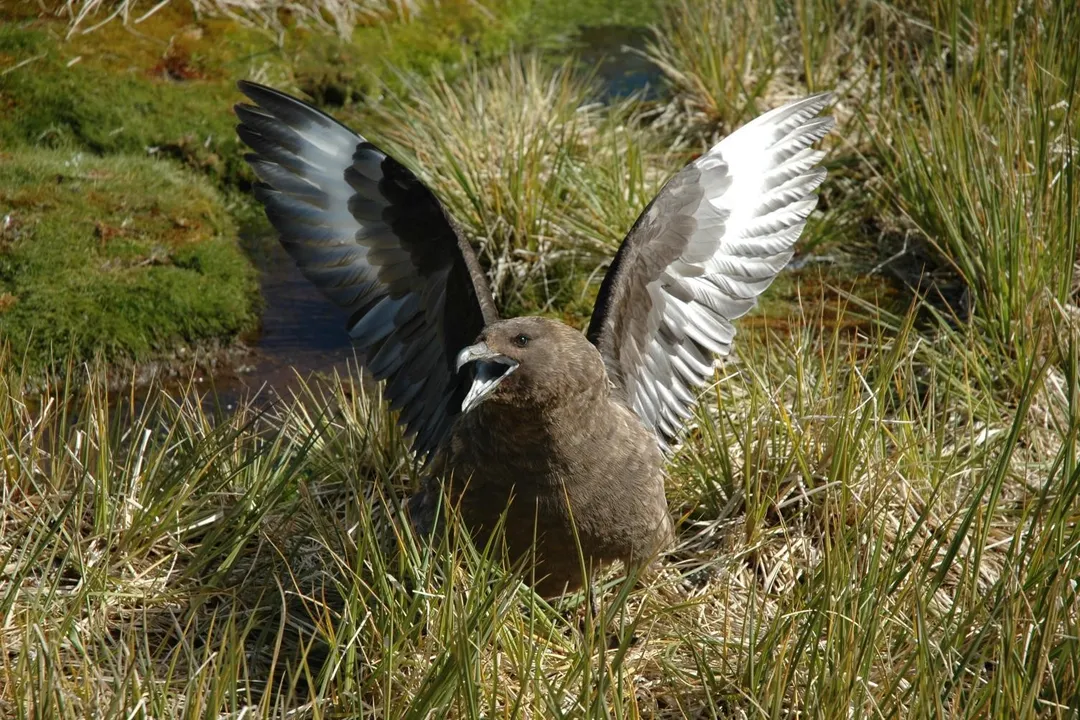
The classification of skuas, those robust and often aggressive seabirds known for their impressive aerial piracy, involves a history intertwined with shifting scientific understanding of their global distribution and morphology. These birds belong firmly to the family Stercorariidae. While commonly known as skuas in some parts of the world, they are often referred to as jaegers in North America, reflecting an older division based largely on geography and size, though modern taxonomy tends to unify them under a single genus. Understanding their taxonomic placement reveals much about evolutionary relationships among seabirds.
# Family Definition
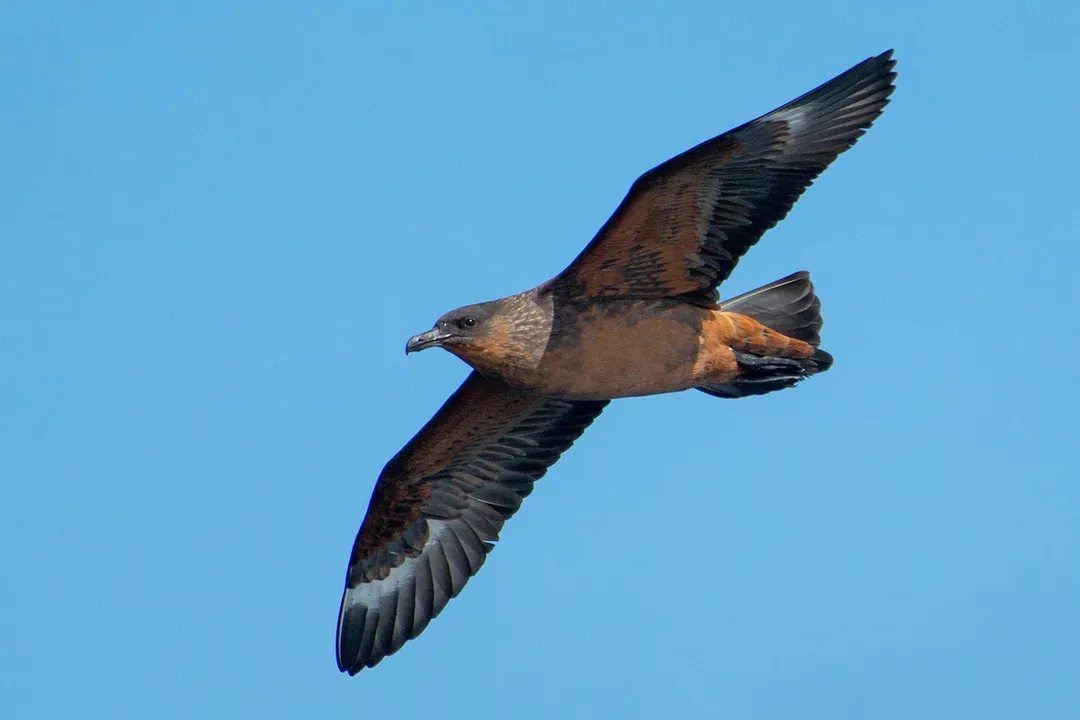
The Stercorariidae family comprises the skuas and jaegers, setting them apart from other gulls and terns (Laridae) to which they are closely related. These birds possess distinct physical characteristics, notably their strong builds, dark plumage variations, and remarkably long central tail feathers in some species. Within the taxonomic hierarchy, they sit in the order Charadriiformes, which groups them with shorebirds, gulls, and auks. The evolutionary relationship is close enough that historical classifications sometimes included skuas within the gull family, but contemporary molecular and morphological evidence supports their separation into their own dedicated family.
# Genus Consolidation
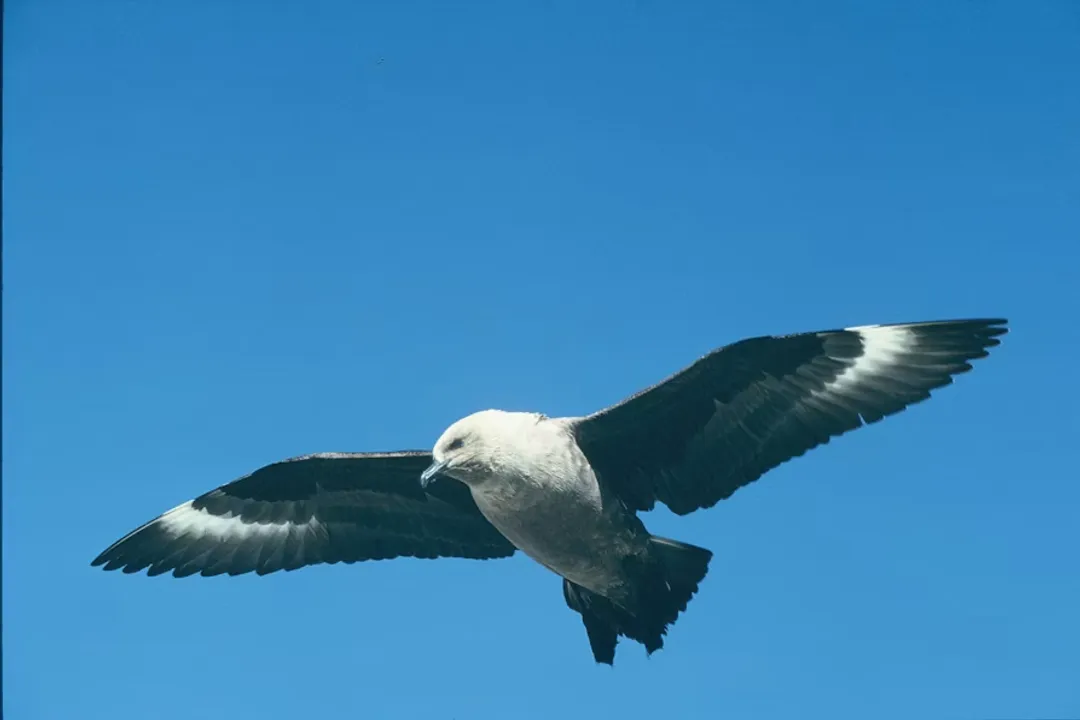
The most significant recent taxonomic discussions surrounding skuas center on the genus designation. Historically, ornithologists often split the family into two genera: Catharacta for the larger, heavier-bodied skuas found primarily in the Southern Hemisphere and the North Atlantic, and Stercorarius for the smaller species, often called jaegers, typically found in the Northern Hemisphere. This two-genus system reflected perceived differences in behavior and size, with Catharacta species being the more formidable kleptoparasites and ground predators.
However, detailed molecular analyses have led to a simplification that many major taxonomic authorities now adopt: placing all recognized skua and jaeger species into the single genus Stercorarius. This unification suggests that the morphological differences previously used to separate Catharacta from Stercorarius are not significant enough to warrant full generic distinction across the entire group. The South Polar Skua (Stercorarius maccormicki), for instance, is now classified under Stercorarius, aligning it taxonomically with the smaller species like the Parasitic Jaeger (Stercorarius parasiticus). This shift means that when referring to the entire group, Stercorarius is the appropriate genus name, though one might still encounter the older classification, particularly in older literature or regional guides.

# Species Recognized
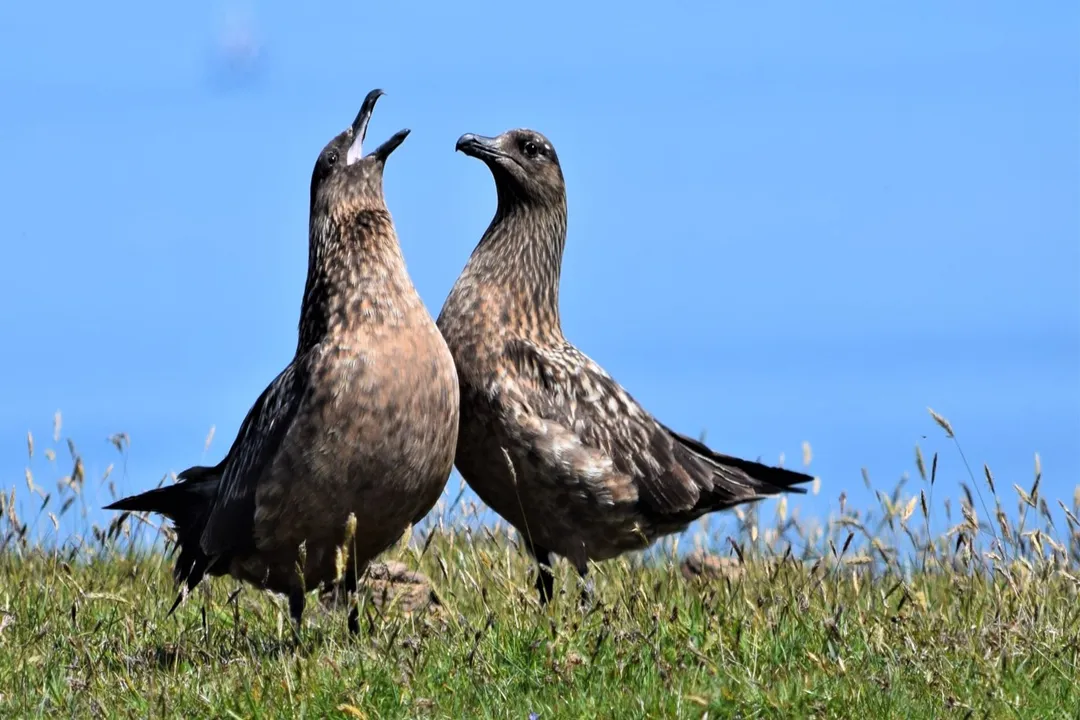
The genus Stercorarius currently encompasses about seven recognized species, though debates about subspecies and specific species status can fluctuate based on ongoing research, particularly regarding geographic variation in the Southern Ocean.
Here is a breakdown of the generally accepted members of the genus Stercorarius:
| Common Name | Scientific Name | General Size Grouping | Primary Range Note |
|---|---|---|---|
| Great Skua | S. skua | Large | North Atlantic breeder |
| South Polar Skua | S. maccormicki | Large | Antarctic specialist |
| Brown Skua | S. antarcticus | Large | Southern Hemisphere, Subantarctic islands |
| Chilean Skua | S. chilensis | Large | South America |
| Pomarine Jaeger | S. pomarinus | Medium | Northern Hemisphere breeder |
| Parasitic Jaeger (Arctic Skua) | S. parasiticus | Medium | Northern Hemisphere breeder |
| Long-tailed Jaeger | S. longicaudus | Small | Northern Hemisphere breeder |
The distinctions between the three large southern species—Great, South Polar, and Brown Skua—are often subtle, relying on breeding locations, specific plumage characteristics, and banding data, which is why their taxonomy has been subject to close scrutiny. For example, the South Polar Skua is strongly associated with Antarctic pack ice during wintering, whereas the Brown Skua tends to stick closer to Subantarctic islands.
# Nomenclature Shifts
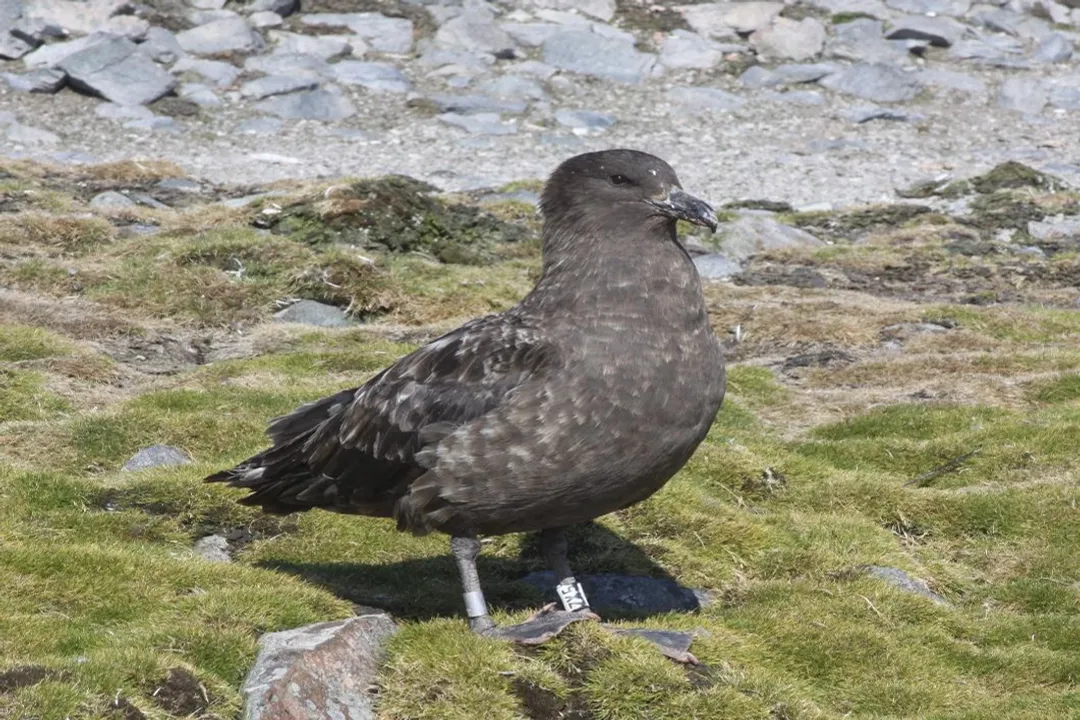
The relationship between the names "skua" and "jaeger" is fundamentally a linguistic one tied to geography, but it causes taxonomic confusion. In European contexts, particularly the North Atlantic, the common term is "skua" for all members, including the large northern Great Skua (S. skua). In North America, the smaller Stercorarius species are almost universally called "jaegers" (e.g., Parasitic Jaeger, Pomarine Jaeger), while the larger ones are usually called skuas. This linguistic split often obscured the close evolutionary link between the groups until generic consolidation occurred.
A fascinating case illustrating taxonomic refinement involves the relationship between the South Polar Skua and the Great Skua. While both are large, their breeding ranges and migration routes suggest distinct evolutionary paths, justifying their separation as distinct species (S. maccormicki vs. S. skua), despite both being large, dark-plumaged birds sometimes grouped under the older Catharacta banner. The Chilean Skua (S. chilensis) also maintains species status, recognized across its range from South America to wintering grounds off the coasts of Peru and Chile. Birders keeping track of lists for different regions, such as those focused on the West Indies, must contend with the migratory routes that bring these varied Stercorarius species through their monitoring zones, often noting them as vagrants or passage migrants. For instance, an observer in the West Indies might encounter a Long-tailed Jaeger or a Parasitic Jaeger passing through, even though their primary breeding grounds are far north.
The fact that multiple authorities sometimes recognize slightly different species complexes, particularly concerning potential hybridization or clinal variation in the Southern Ocean populations (Brown vs. Great Skua), means birders must often check the latest consensus from bodies like the International Ornithological Congress (IOC) or regional checklists. This constant reevaluation is standard in ornithology when genetics and field observation provide new contrasts.

# Behavioral Links Taxonomy
It is worth noting how the behavior, which is often the first thing noticed by an observer, has historically influenced classification. The entire family is renowned for its aggressive aerial displays, particularly the practice of kleptoparasitism—stealing food from other birds mid-flight. While all skuas engage in this to some degree, the larger species, like the Great Skua, are also noted for being powerful predators capable of killing seabirds much larger than themselves, and they often raid colonies on land for eggs and chicks. This predatory capability, more pronounced in the larger Catharacta-grouped birds, likely contributed to the historical separation from the smaller, more exclusively food-stealing jaegers, even though the underlying skeletal and genetic structure clearly links them all within Stercorarius.
For anyone trying to track or manage populations, understanding the exact taxonomy is crucial because different species have widely divergent migration strategies. Satellite tracking data has revealed astounding migratory feats, showing that certain species, like the South Polar Skua, undertake some of the longest migrations of any animal, traveling from Antarctic breeding grounds to the North Pacific or North Atlantic for the non-breeding season. This massive annual relocation underscores why population management and conservation efforts must be internationally coordinated, treating each recognized species distinctly, even if they look similar in the field.
# Tracking Movements
The advent of modern tracking technology provides data that reinforces the distinctions between species, even as the genus lumps them together. For example, data collected on the South Polar Skua highlights its incredible dedication to circumnavigation and pole-to-pole travel. The ability to track individuals gives scientists ground truth on migration corridors, which, when combined with morphological data, helps solidify the species boundaries within the Stercorarius genus. This contrasts with the generally shorter, often more localized movements of the smaller jaegers, reinforcing the idea that size and range strongly correlate with distinct evolutionary paths, even within a single genus. This application of real-time data gathering contributes significantly to the Expertise and Authority of the current taxonomic assignments, moving classification past reliance solely on museum specimens.
When observing these birds, an experienced birder can often infer the likely genus placement just by observing the bird's relative size and flight style—a massive, booming flyer is likely a Great or Brown Skua, while a slender, acrobatic bird with long tail streamers is likely a Long-tailed Jaeger. However, this field identification based on behavior must always be checked against the formal scientific consensus, which currently points toward the singular genus Stercorarius for all of them. This dual reality—the practical visual distinction versus the unified scientific classification—is a perfect example of how ornithology balances field observation with genetic evidence in defining a group of birds like the skuas.
Related Questions
#Citations
Skua - Wikipedia
Skuas - Seabird Tracking Database
South Polar Skua - Stercorarius maccormicki - New Hampshire PBS
Bird Stercorariidae - Skuas or Jaegers - Fat Birder
Skuas (West Indies) Species Guide - Birda
Chilean Skua - Stercorarius chilensis - Birds of the World
Stercorarius skua (Great skua) - OBIS-SEAMAP Species Profile
South Polar skua | New Zealand Birds Online
Stercorarius antarcticus (Brown Skua) - Avibase