What is the taxonomy of the acorn weevil?
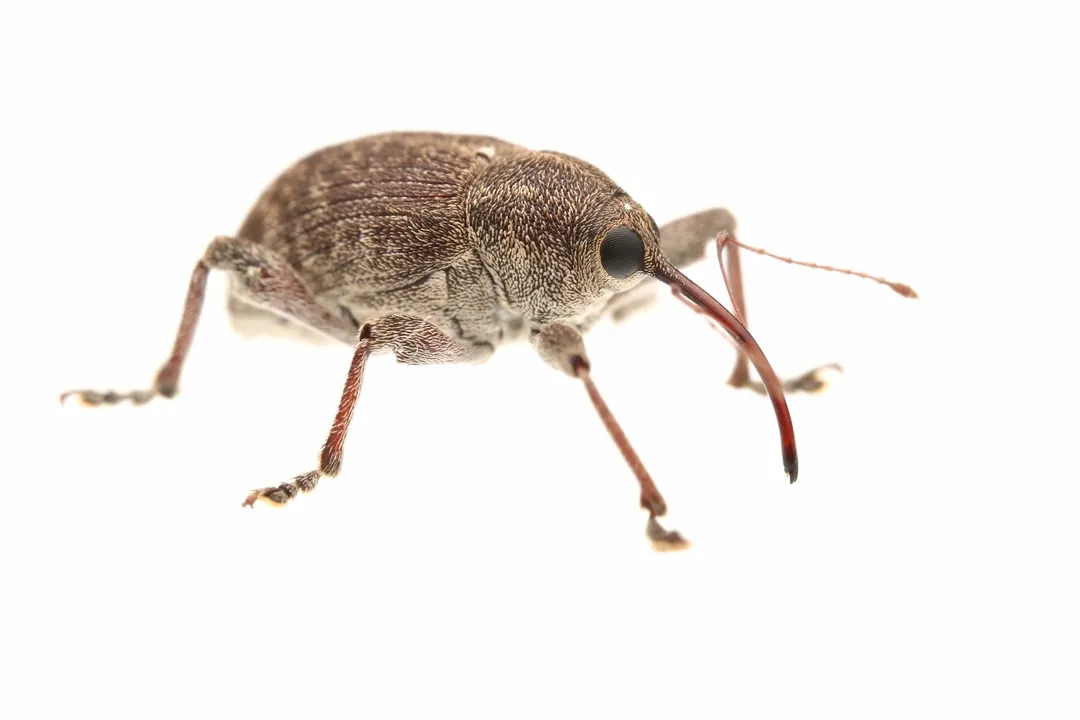
The insect commonly known as the acorn weevil is instantly recognizable, if perhaps infamous among those who collect or value the mast crop of oak trees. This small beetle, defined by its strikingly elongated snout, plays a dedicated role in the ecosystem, fundamentally altering the viability of oak seeds. Understanding where this creature fits within the grand classification of life, its taxonomy, reveals much about its relationship with other insects and its specialized feeding habits.
# High Classification
At the broadest level, the acorn weevil belongs to the familiar structure of animal life. It is classified within the Kingdom Animalia. This places it among multicellular, heterotrophic organisms. Moving down the ranks, it falls under the Phylum Arthropoda, grouping it with animals possessing an exoskeleton, a segmented body, and jointed appendages.
Its internal structure and organization place it within the Subphylum Hexapoda, confirming it has three main body parts and three pairs of legs—the hallmark of insects. The Class is Insecta. From here, the classification narrows significantly into the vast array of beetle forms.
# Beetle Order
The Order for the acorn weevil is Coleoptera, the beetles. This immense order is characterized by hardened forewings, called elytra, which protect the delicate hindwings used for flight. Within Coleoptera, sources place the acorn weevil within the Suborder Polyphaga, a large and diverse group of beetles. Further classification sometimes specifies the Infraorder Cucujiformia. These high-level placements confirm that the acorn weevil is a true beetle, sharing ancestry with everything from ladybugs to rhinoceros beetles, though its specialized snout sets it apart visually.
# Snout Beetle Family
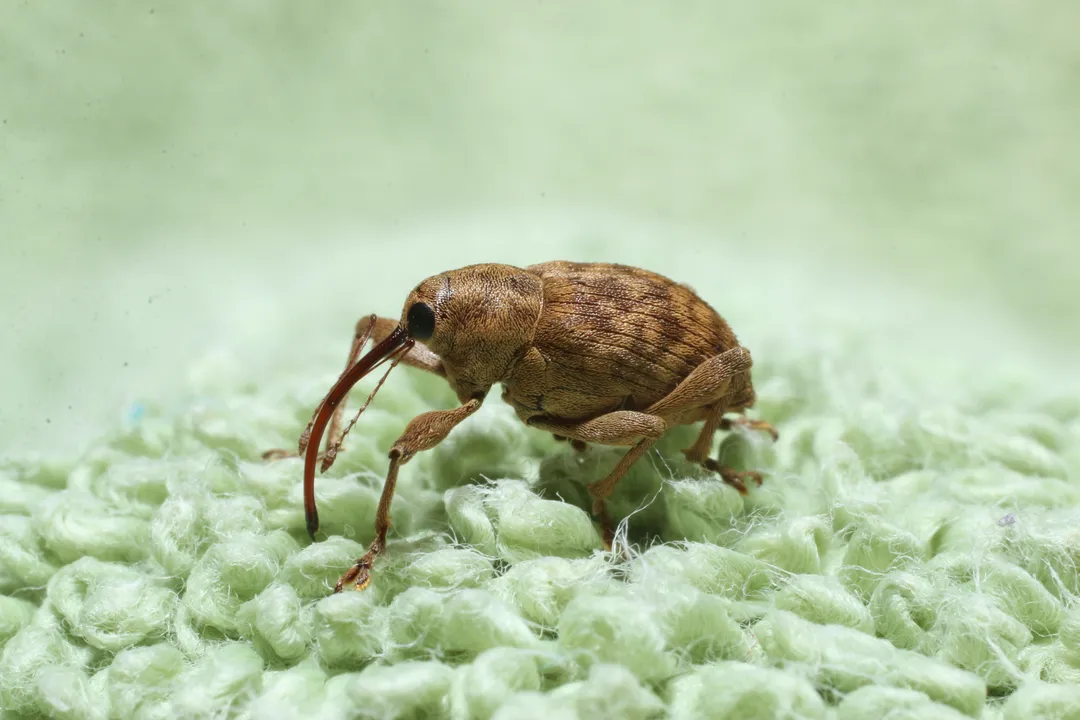
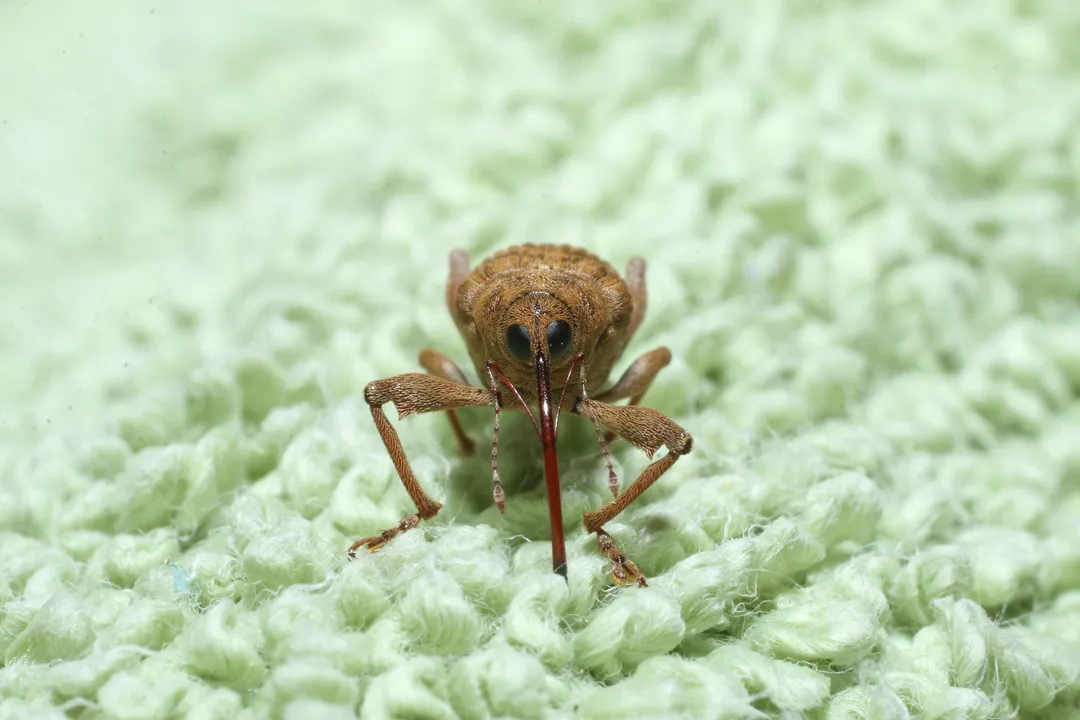
The journey to identifying the acorn weevil as a distinct type of pest brings us to the Superfamily Curculionoidea, commonly known as the snout or weevil group. This group is unified by the presence of a prominent rostrum, the elongated head structure that gives weevils their characteristic "snout".
The family level is Curculionidae, which encompasses the Snout and Bark Beetles. Beetles in this family are phytophagous—plant-eating—and their classification here reflects their dependency on plant material for survival, whether boring into wood or, in this case, seeds. The acorn weevil belongs to the Subfamily Curculioninae and the Tribe Curculionini. These finer divisions group the weevils based on more specific morphological characteristics and evolutionary relationships related to their feeding strategies.
# Genus Designation
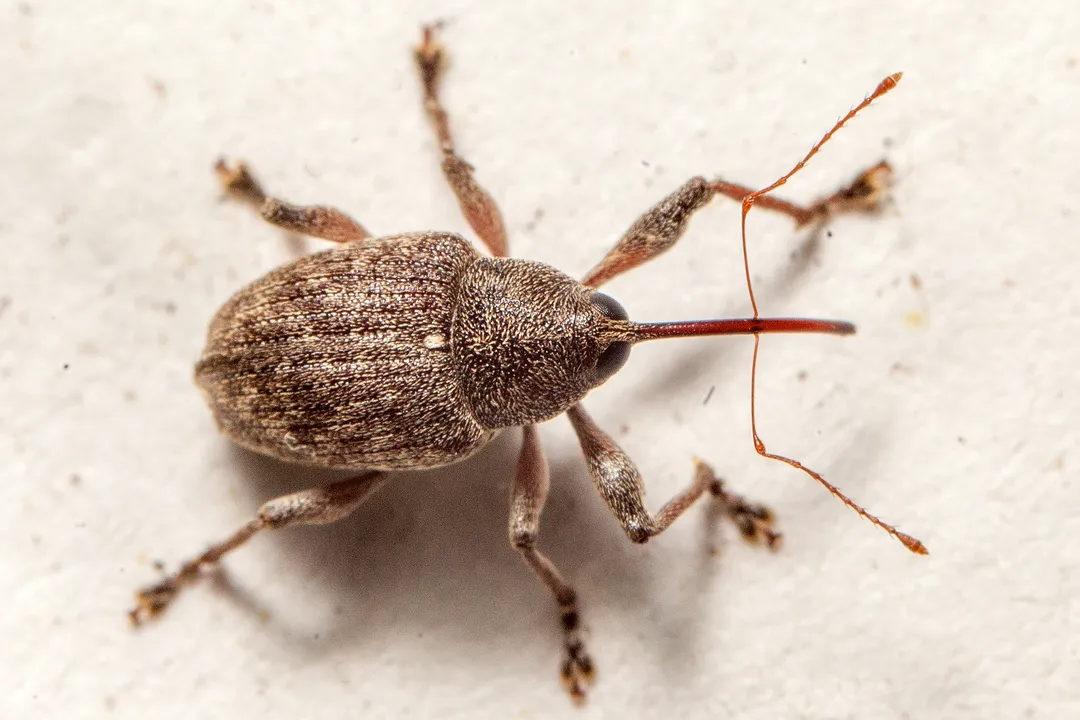
The most critical step in defining the acorn weevil taxonomically is identifying its genus. Most authoritative sources link the common acorn weevil to the genus Curculio, established by Linnaeus in 1758. Within this genus, the species Curculio glandium Marsham, 1802, is frequently cited as the acorn weevil. The Curculio genus is broadly known as the Nut and Acorn Weevils, which also includes species specialized for pecans (C. caryae) and chestnuts (C. elephas).
However, one identification resource assigns the common name "Acorn Weevil" to a species within a different genus, Conotrachelus, specifically naming Conotrachelus posticatus. This discrepancy in genus assignment—Curculio versus Conotrachelus—can arise from historical taxonomic revisions, regional naming conventions, or the sheer difficulty in distinguishing closely related species, especially when common names are applied loosely. For instance, the Maryland Biodiversity Project lists observations simply as "Acorn Weevil sp." under the genus Curculio.
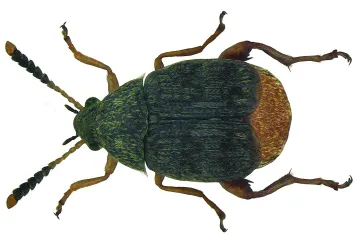
The morphological distinction that experts use within the Curculio genus itself illustrates the level of scrutiny required. For example, C. glandium is noted as being distinguishable from the very similar Curculio nucum by having three segments in the bulbous end of its antennae, while C. nucum has four segments. This highlights that establishing a definitive identity often requires microscopic examination rather than general observation.
Considering the primary scientific literature referenced in broad insect databases, the primary classification framework places the target organism within Curculio. The practical implication of this taxonomic difference, even if C. posticatus is sometimes referenced, is that understanding the life cycle details provided—such as the female using her long rostrum to bore into the nut to lay eggs—applies across the genus.

# Comparison of Taxonomic Ranks
To clarify the formal placement, here is a summary of the generally accepted hierarchy, noting the most frequently cited names:
| Rank | Classification | Authority/Note |
|---|---|---|
| Kingdom | Animalia | |
| Phylum | Arthropoda | |
| Class | Insecta | |
| Order | Coleoptera | |
| Family | Curculionidae | Snout and Bark Beetles |
| Genus | Curculio | Linnaeus, 1758 |
| Species (Commonly cited) | Curculio glandium | Marsham, 1802 |
It is worth noting that the genus Curculio is widely distributed, though one database notes its absence from the northern Rocky Mountains in its data set. This suggests that the taxonomy we discuss here covers a broad continental group, even if localized species like C. glandium are the focus in certain regions, such as the Southeastern United States where C. glandium infests acorns.
# Life Cycle Context and Taxonomy Insight
While taxonomy defines what the weevil is, understanding how it lives reinforces its classification within the phytophagous Curculionidae. The adult female bores into an acorn while it is still on the tree, laying one or more eggs inside the developing seed. The larva, legless and grub-like, consumes the interior until fall, then exits through a characteristic small hole, tunneling into the soil to overwinter or remain dormant.
This lengthy developmental cycle holds a key insight into the challenge these weevils present. Depending on the specific species within the genus, the pupal stage might involve diapause—a period of suspended development—lasting for one to two years before the adult emerges. From a management or observation standpoint, this multi-year cycle means that even if an area appears free of adult weevils in a given summer, a significant portion of the population could be patiently waiting underground in the pupal stage, ready to emerge in subsequent seasons. Successful ecological study or control efforts must account for this extended temporal separation between generations, a factor directly tied to their survival strategy as seed predators.
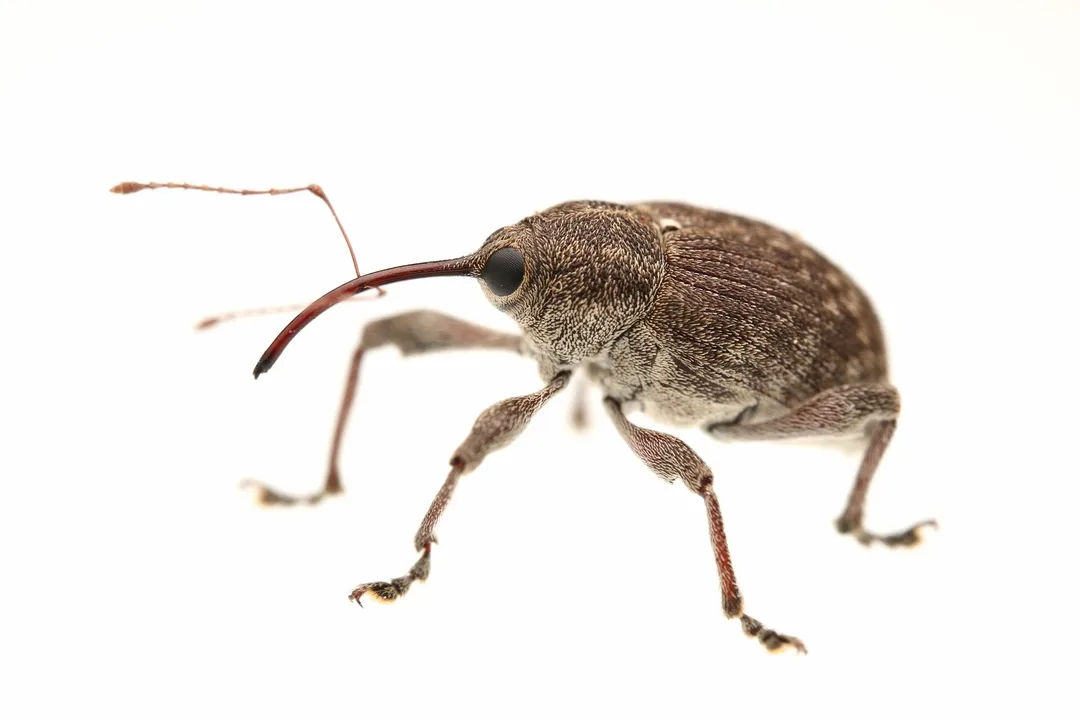
Furthermore, the ecological niche occupied by the Curculio genus is highly specialized: they are obligate seed consumers of specific nut families—Fagaceae (oaks), Juglandaceae (hickories/walnuts), and Betulaceae (birches/alders). This dietary specificity is a strong evolutionary driver reflected in their taxonomy; the rostrum evolved precisely to overcome the protective barrier of these hard-shelled fruits. The fact that a female's rostrum can be longer than her entire body in some species speaks volumes about the selective pressure to reach the inner kernel of a maturing acorn, a feature that separates them from many other generalist weevils.
For anyone attempting to track or identify these insects locally, especially where an exact species identification is difficult, remember that the general habits of the Curculio genus are remarkably consistent across species: female bores into green nut, larva feeds internally, larva exits to soil, pupates for an extended period. If you are collecting acorns for seed purposes, the hot water treatment mentioned for killing similar chestnut weevils—soaking for 20 minutes in water heated to around Fahrenheit—is an actionable step based on managing the life cycle of these close relatives. This non-chemical intervention directly exploits the thermal sensitivity of the internal grub, something the static taxonomic classification doesn't explicitly detail but that its related life history information suggests.
# Specific Characteristics
The adult acorn weevil is generally described as brownish and patterned. Their size varies, noted between 4 to 8 mm and 4mm to 10mm, suggesting variation based on species, sex, or geographic location. The most obvious feature, the rostrum, is typically longer in females than in males, which is essential for their reproductive role. The larvae themselves are described as pale, legless, short, and cylindrical, often curved and growing to about 3/8 of an inch, utilizing tiny ridges on their underside for movement within the acorn's interior.
In summary, the acorn weevil sits securely within the plant-feeding beetle lineage, with its taxonomy guiding us from the high ranks of Animalia down through the specialized Curculionidae family to the genus Curculio, where specialized seed-feeding habits define its members. While the exact species name might shift based on regional experts or the specific host nut being examined, the defining characteristics of the rostrum and the grub's life cycle within the seed remain the constant biological identifiers for this group of fascinating pests.
Related Questions
#Citations
Acorn Weevil - Curculio glandium - NatureSpot
Genus Curculio - Nut and Acorn Weevils - BugGuide.Net
Acorn Weevil - Insect Identification
Acorn Weevil - NC State Extension Publications
About Acorn Weevil sp. - Maryland Biodiversity Project
acorn and nut weevils (Genus Curculio Linnaeus 1758) - Invasive.Org