What attribute of the St. Bernard’s temperament was crucial for making them effective rescue dogs in traumatic situations?
Answer
The calm demeanor necessary not to alarm injured people
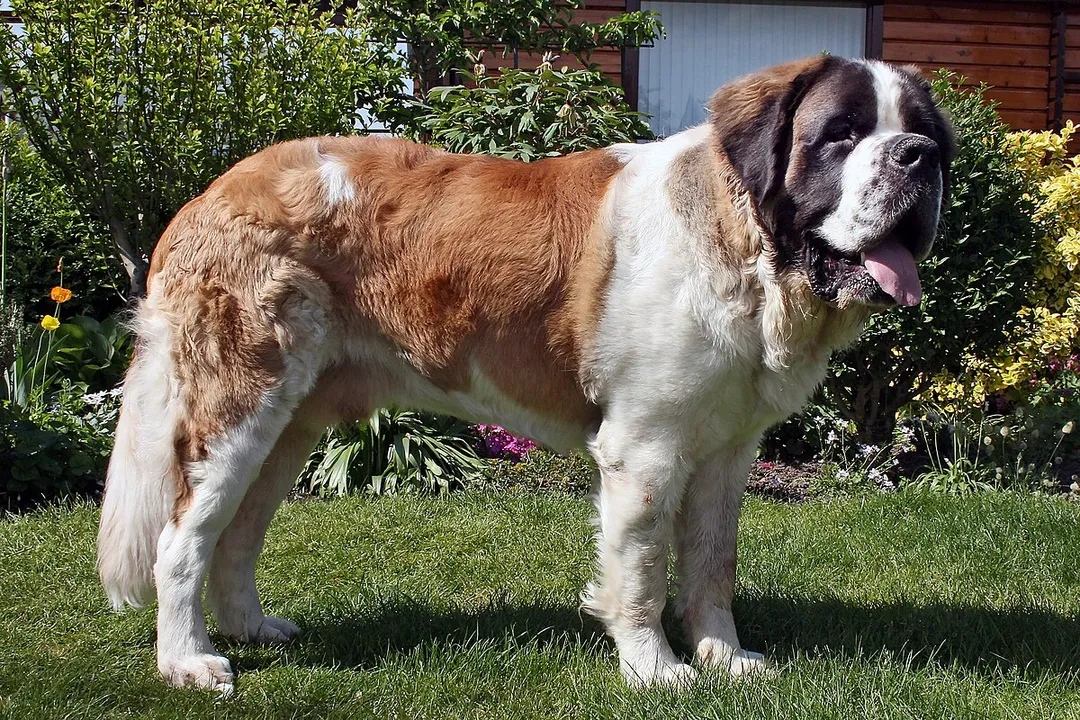
Despite their overwhelming size and historical role as guardians of the hospice property, the St. Bernard is renowned for its gentle, calm, and patient temperament, often earning them the nickname 'gentle giants.' This placid nature was indispensable for their rescue work. When locating travelers buried under snow or lost in fog, they needed the immense physical strength to navigate the terrain, but equally importantly, they required a calm demeanor so as not to frighten or alarm a victim who was already injured, exhausted, or frightened.
Related Questions
What classification group assigns the St. Bernard alongside dogs bred for guarding property or pulling loads?Who were the developers responsible for systematically breeding the St. Bernard lineage?What is the reported name of the legendary St. Bernard credited with saving between 40 and 100 lives?Why did the monks at the Great St. Bernard Hospice initially prefer the short-haired St. Bernard variety?What specific health concern are St. Bernards prone to due to their deep chests?What unique trait, resulting from their loose jowls and large mouth, is frequently noted about the St. Bernard's temperament expression?What specific requirement must owners manage during puppyhood to prevent skeletal issues in St. Bernards?What attribute of the St. Bernard’s temperament was crucial for making them effective rescue dogs in traumatic situations?What characteristic of the short coat variety means it still demands significant maintenance, despite the monks preferring it over the long coat?Which two geographical locations are associated with the modern intentional introduction of the long-haired gene into the St. Bernard?