What is the personality of a Tibetan Spaniel dog?

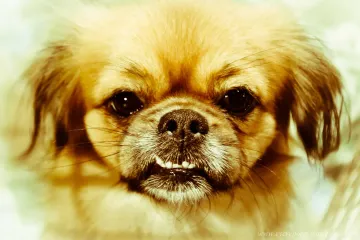
The Tibetan Spaniel, often affectionately known as the "Tibbie," carries a distinct and often charming personality shaped by centuries spent as a companion dog within Tibetan monasteries and noble households. Far from being a simple lap ornament, this breed embodies a unique blend of confidence, intelligence, and a highly observant nature, making them complex and engaging companions for the right owner. [1][5][6] They are fundamentally built to be keenly aware of their surroundings, often described as little lions due to their appearance and their regal, yet sweet, demeanor. [5][6]
# Core Nature

At their heart, Tibetan Spaniels are devoted companions who form deep attachments to their immediate human family. [3][6] They thrive on closeness and are happiest when near their people, often following them from room to room or claiming a spot right next to them on the sofa. [1][3] This intense loyalty means they do not generally do well when isolated for long periods; they are truly dogs meant to be integrated into the center of family life. [1][3]
Despite their affectionate side, they possess an independent spirit that hints at their heritage as alert sentinels in high-altitude dwellings. [5][6] This independence means they are not the type of dog that seeks constant, demanding attention, nor are they overly eager to please in the manner of some other breeds. [3][6] They often seem to possess an inner dignity and can be quite reserved or aloof when first meeting new people, preferring to assess the situation on their own terms. [1][6]
Their temperament is often characterized as cheerful and outgoing once they are comfortable, but this comfort is conditional upon trust and a consistent environment. [1][3] A key characteristic to understand is their sensitivity; they react poorly to harsh training methods or a volatile household atmosphere. [3][6] They are bright dogs that quickly pick up on emotional cues, meaning owners who communicate with kindness and consistency will see the best, most loving side of the Tibbie personality emerge. [3]
# Alert Watcher

One of the most defining personality traits of the Tibetan Spaniel is their inherent alertness, which ties directly back to their historical role. [5][6] While they are small dogs, they consider themselves the guardians of the home, and they take this responsibility quite seriously. [1][3] They are natural watchdogs, quick to notice any unusual sound or activity and quick to announce it to their families, usually with a clear, sharp bark. [1][3][6]
This tendency to bark can sometimes lead to a reputation for being noisy if not managed properly through early training. [3] However, their barking is usually communicative rather than aggressive; they are alerting you to something they perceive as out of the ordinary. [5] It is interesting to note how this instinct manifests in modern homes. Because they were historically positioned in monasteries to watch over the high halls, many Tibbies exhibit a fascinating need to survey their domain from the highest point available indoors, whether that’s the back of a couch or a dedicated perch. [1][5] This high vantage point isn't just about comfort; it satisfies a deep-seated need to observe their "territory" and the goings-on within it, a behavior rooted in their ancient duty to keep watch. [5]
# Mind Games

Intelligence in the Tibetan Spaniel is undeniable, but it is paired with a definite streak of stubbornness or self-determination. [1][3][6] They learn quickly, often figuring out what they want with impressive speed. [3] This means that training sessions must be engaging and kept relatively brief to hold their interest. [1] They do not respond well to repetitive drills, which they quickly deem boring and beneath them. [3][6]
This combination of intelligence and independence means they are not always the easiest breed to train in the obedience ring if the handler relies solely on force or repetition. [3] They possess a discerning nature; they must understand the point of what they are being asked to do. [6] A highly effective approach involves positive reinforcement that appeals to their quick wits, such as using treat puzzles or incorporating a game element into learning new commands. [1] If a dog owner is looking for a pet that will blindly follow every command without question, the Tibbie’s spirited nature might present a challenge. [6] They are more likely to listen if they perceive the command as reasonable or if doing so results in a reward they genuinely value. [3]
# Family Bonds
Tibetan Spaniels generally integrate well into family life, provided they are properly introduced to new situations and people during their crucial early development period. [1][3] They bond very closely with their primary caregiver but typically enjoy the company of the entire family unit. [1][6]
When it comes to children, the relationship is often excellent, provided the interactions are supervised and the children understand how to respect the dog's space. [3][6] Like many small breeds, they are not always tolerant of rough handling, accidental falls, or being chased. [3] If raised alongside children, they usually become patient companions, happy to play gentle games. [1]
Their relationship with other pets, including other dogs, is often amicable, particularly if they are raised with them from puppyhood. [3][6] However, their watchdog instinct means they might be a bit bossy or territorial toward strange dogs entering their space, especially if the stranger is loud or overly boisterous. [1] Early and ongoing socialization is the golden key here; exposing a young Tibbie to a wide variety of sights, sounds, people, and friendly animals will ensure they develop into a well-adjusted, confident adult rather than an anxious or overly suspicious one. [1][6]
# Activity and Play
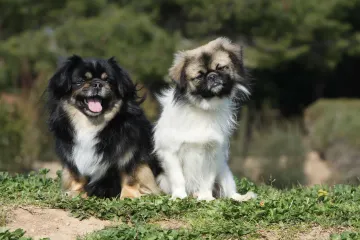
The Tibetan Spaniel is often summarized as a dog with moderate energy requirements, needing less intensive exercise than many sporting breeds. [3][6] They are perfectly content with a couple of brisk walks each day, interspersed with indoor playtime. [1][6] They enjoy being active, but their stamina is not geared toward long-distance running or marathon trekking. [3]
Their play style often involves being quite comical and spirited. They enjoy short bursts of activity, perhaps a quick game of fetch, before settling down for a nap or demanding attention on the lap of their favorite person. [1] This moderate energy level makes them excellent apartment dogs or companions for less aggressively active individuals, provided their mental stimulation needs—which are higher than their physical needs—are met through training games and interaction. [6] They are often described as robust and sturdy despite their size, capable of keeping up with household activities without needing acres of yard to roam. [3]
# Breed Comparison Traits
When considering the personality of the Tibetan Spaniel, it is helpful to compare them briefly with other small companion breeds. Unlike a Cavalier King Charles Spaniel, for example, the Tibbie often displays a stronger degree of independence and a more pronounced watchdog instinct. [3][6] Where a Lap Dog might be overly eager to seek affection from anyone, the Tibetan Spaniel maintains a certain discerning distance, waiting for approval before fully engaging with strangers. [1][6] Their "regal" nature keeps them from being quite as clownish as some terriers, though they certainly possess a playful side. [5] This balance—loyalty without clinginess, alertness without aggression, and intelligence without overwhelming obedience—is what defines their unique temperament profile. [1][3]
For prospective owners, understanding this balance is crucial. You are gaining a dog that is intelligent enough to participate in advanced obedience or even therapy work if motivated correctly, yet sensitive enough to require gentle handling and a predictable routine. [3] Their personality leans toward being a true partner, observing the world alongside you, rather than simply being a follower looking for constant direction. [6] Providing them with comfortable, elevated viewing spots around the home, even just a specific, easily accessible armchair, can go a long way in satisfying their need to survey their domain and thus keep them content and less prone to anxiety-driven behaviors. [1][5] This small adaptation honors their heritage and supports their natural disposition as the alert, small lion of the household.

# Health and Longevity Temperament Link
While not strictly a personality trait, the breed’s generally good health and longevity often contribute to a stable temperament over time. [2][4] Tibetan Spaniels typically live for a good number of years, often reaching thirteen to eighteen years of age. [4][6] A dog that remains healthy and pain-free throughout its life is generally better equipped to maintain a consistent, happy personality. [2] Although predisposed to some specific health concerns, such as progressive retinal atrophy (PRA) and patellar luxation, responsible breeding practices aim to mitigate these risks. [4][6] A sound body supports a sound mind, and a long life shared with a happy Tibbie allows that rich, sometimes quirky, personality to fully blossom over many years. [2][4] Their intelligence and loyalty are qualities that their owners are fortunate to enjoy for a significant stretch of time.
Related Questions
#Citations
Tibetan Spaniel - Dog Breeds
The Tibetan Spaniel Dog Breed
Tibetan Spaniel Dog Breed Health and Care
Tibetan Spaniel Dog Breed Information
About The Breed | The Tibetan Spaniel Club of America
Tibetan Spaniel: Dog Breed Characteristics & Care
Tibetan Spaniel
Tibetan Spaniel
What to Know About Tibetan Spaniels