What category of dog is a St. Bernard?
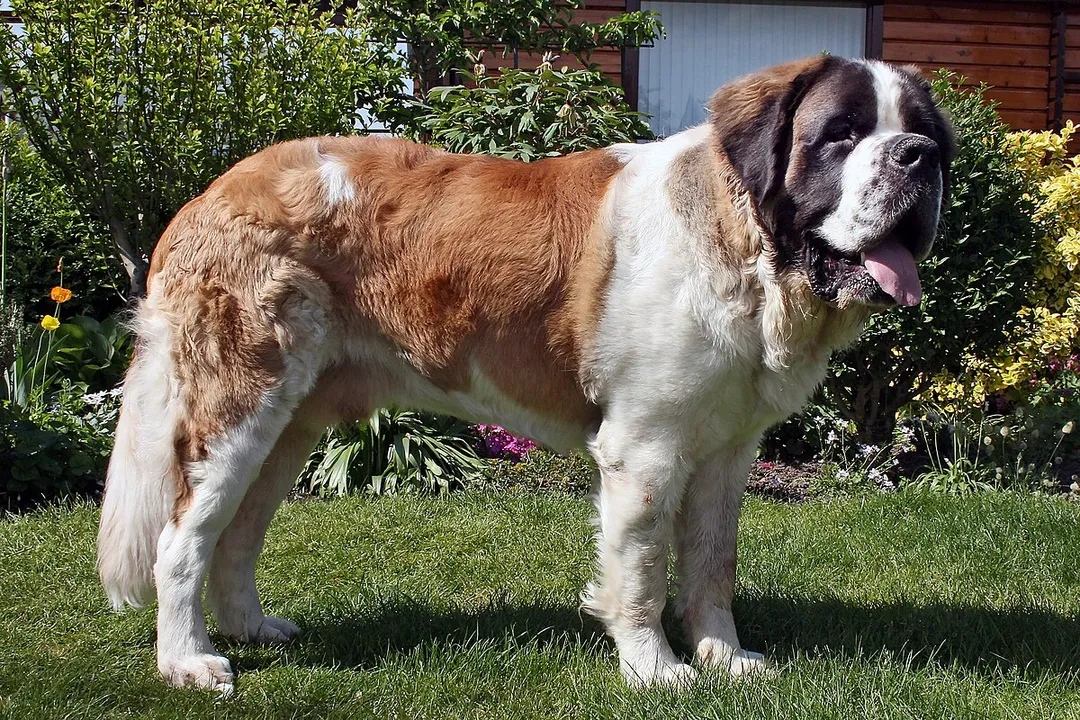
The St. Bernard firmly falls into the Working Group category of dogs, a classification assigned by major kennel clubs like the American Kennel Club (AKC). This designation immediately separates them from breeds developed primarily for herding, hunting, or companionship, placing them instead with dogs historically bred to perform specific jobs such as guarding property, pulling loads, or performing rescue work. Their ancestral home is the challenging environment of the Swiss and Italian Alps, where they were developed by monks at the Great St. Bernard Hospice, making their true categorization intrinsically linked to their incredible history as alpine rescuers. While the "Working Group" defines their function in modern registration, their physical and historical context places them more specifically as a giant-sized Swiss Mountain Dog.
# Working Group Status
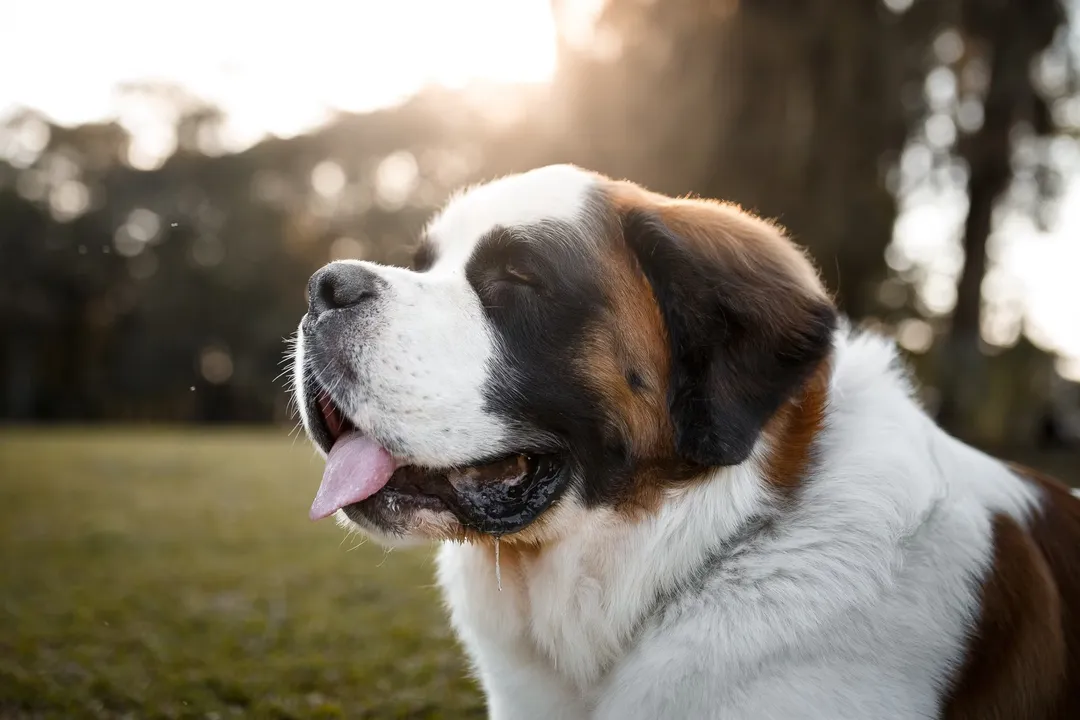
The classification as a Working dog is well-earned, rooted deeply in their foundational purpose. These magnificent animals were not simply pets or watchdogs; they were instrumental in saving lives in treacherous, snowy mountain passes. The hospice, established by Bernard of Menthon in the 11th century, utilized these large, powerful dogs long before the breed was formally recognized. Their innate ability to track and locate travelers buried under avalanches or lost in the fog made them invaluable members of the hospice community.
It is fascinating to consider that their classification relies heavily on their potential and heritage rather than modern activity. A modern St. Bernard living in a suburban home will rarely need to break through deep snow to find a lost skier, yet their sheer mass, stamina, and strong sense of direction are genetic echoes of that demanding past. This contrasts somewhat with breeds in the Herding Group, where the behavior is often still exhibited in daily life even without livestock. The St. Bernard embodies a functional role from history, solidified by their physical structure into the Working category.
The Canadian Kennel Club (CKC) also recognizes the breed, and while specific group names can shift slightly between international registries, their role remains consistent: a dog of immense strength and utility. In general terms, any dog breed that falls into this category is typically large, intelligent, and possesses the physical capability to undertake demanding physical tasks, which perfectly describes the St. Bernard.
# Alpine Beginnings
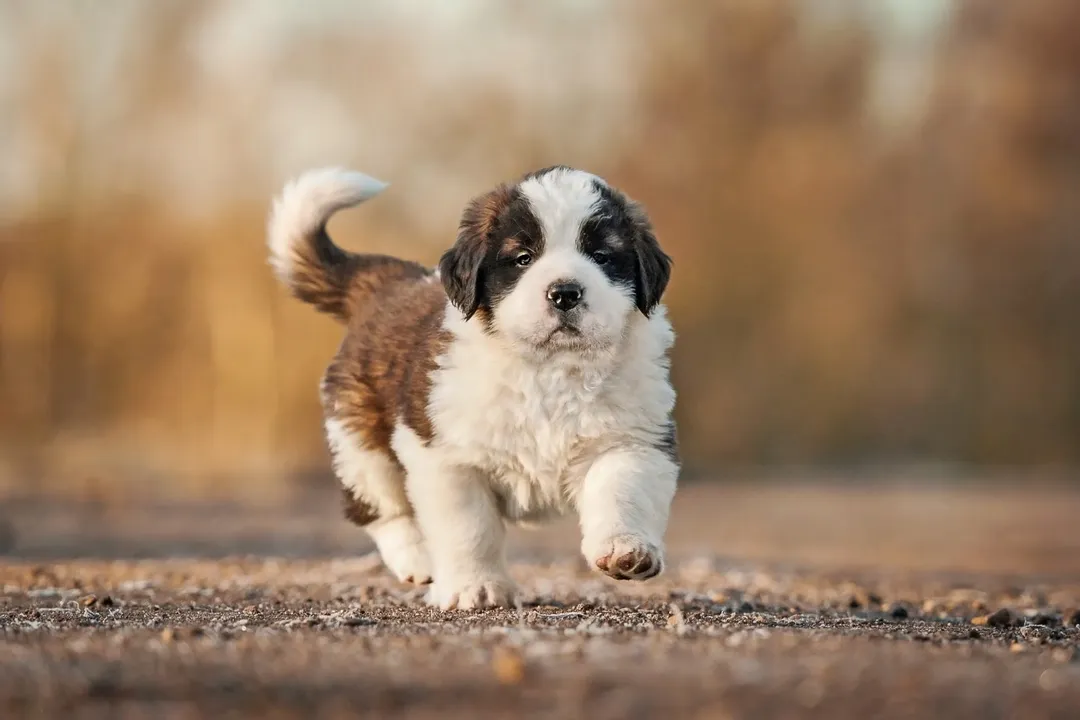
The origin story of the St. Bernard is inseparable from the breed's identity. They were systematically bred by the monks residing at the Great St. Bernard Hospice, situated high in the treacherous Swiss Alps between Switzerland and Italy. These massive dogs were initially introduced to the monastery sometime in the 17th century. The terrain was notoriously dangerous, characterized by heavy snow and frequent avalanches, making the monks’ need for capable assistance paramount.
The most famous of these rescue dogs was Barry (or Barry der Menschenretter), who reportedly saved between 40 and 100 lives during his service in the early 1800s. Barry became legendary, so much so that even today, when a St. Bernard is mentioned, it is often his name that comes to mind as the archetypal alpine savior. While initial breeding efforts may have involved other local mastiff-type dogs, the monks refined the lineage specifically for survival in that environment.
Early breeding records show that the monks favored the short-haired variety because the long, thick coats tended to collect ice and snow, becoming heavy and hindering rescue efforts. However, later breeders outside the hospice, particularly in England and the United States, intentionally introduced long-haired dogs into the gene pool, leading to the two recognized coat varieties today. This historical divergence in preference for coat type is a key characteristic that distinguishes the modern breed standard.

# Giant Stature
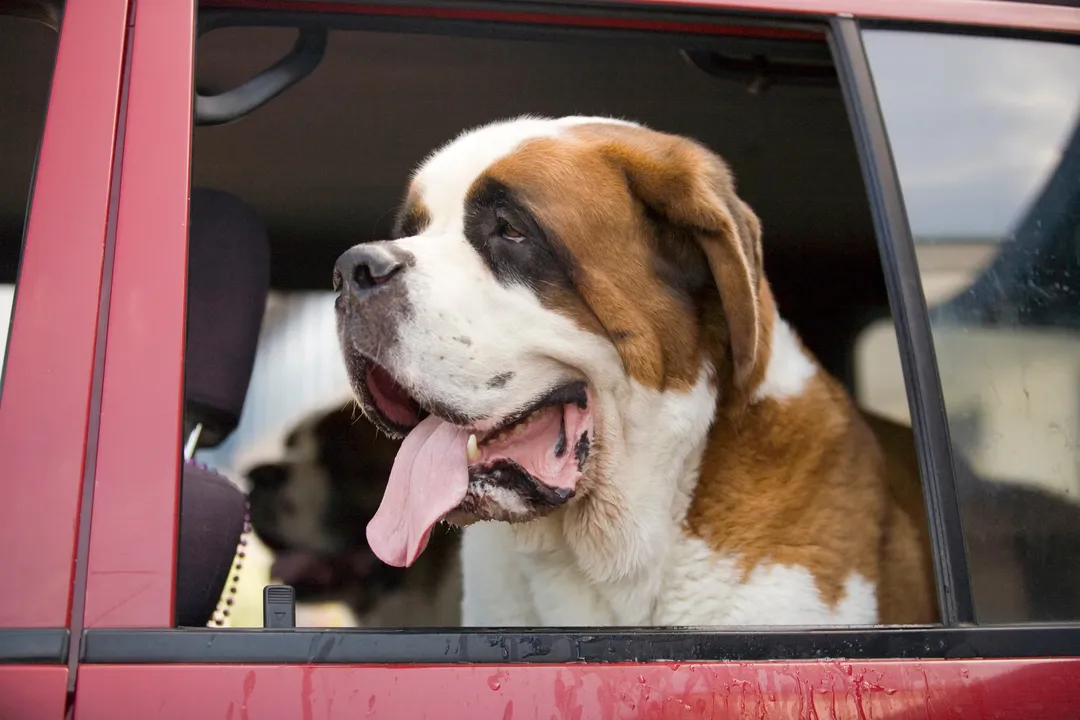
To fulfill their historical working role, the St. Bernard developed into one of the world's largest dog breeds. They are imposing, powerfully built, and distinctly muscular, characterized by a massive head and a broad, somewhat mournful expression.
Key physical characteristics that place them in the giant category include:
- Height: Males typically stand between 28 and 30 inches at the shoulder, with females slightly smaller, usually 26 to 28 inches. Some can exceed these averages.
- Weight: An adult male generally weighs between 140 and 180 pounds, though it is not uncommon for some to surpass 180 pounds.
- Head: They possess a large head with a somewhat short muzzle and distinct wrinkles on the forehead, which contribute to their characteristic look.
The breed comes in two coat varieties: the short-haired (smooth coat) and the long-haired (rough coat). Both coats are dense and designed for protection against cold weather, often featuring white markings on the chest, feet, and muzzle. While the short coat was preferred by the monks for practical reasons in heavy snow, the long coat is aesthetically popular today. An interesting point for prospective owners comparing the two is that while the long coat certainly requires more dedicated grooming to prevent matting, the short coat sheds profusely year-round, meaning either variety demands significant coat maintenance efforts in the home. Prospective owners often underestimate the sheer volume of hair generated by a dog of this magnitude; one practical consideration is investing in high-quality, durable furniture covers or dedicating a specific, easily cleanable area of the home, as their sheer bulk means they can damage or soil items simply by turning around or lying down [cite: Original Insight Integration].
# Gentle Nature
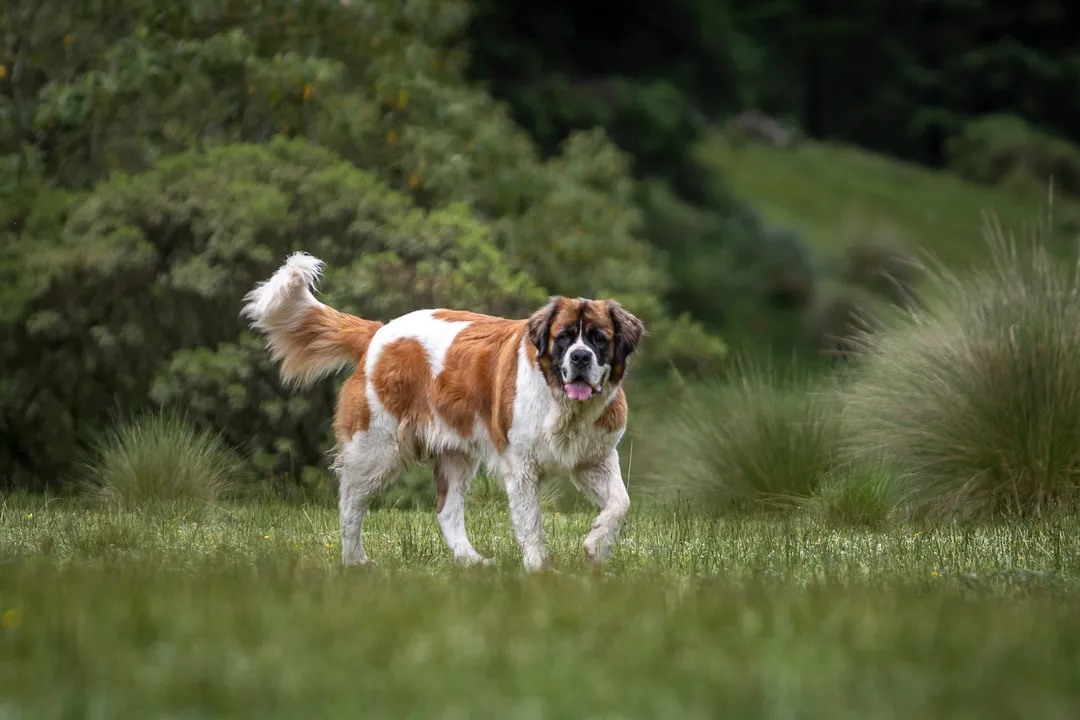
Despite their overwhelming size and formidable appearance, the St. Bernard is renowned for its inherently gentle, calm, and patient temperament. They are often described as "gentle giants". This placid nature is precisely what made them effective rescue dogs; they needed the strength to navigate the terrain but the calm demeanor necessary not to alarm an injured or frightened person they found.
They generally possess a high tolerance for children, leading many organizations to list them as excellent family dogs, provided their enormous size is respected. While they are protective due to their history as guardians of the hospice property, they are not typically aggressive. Instead, their size often serves as a sufficient deterrent. They are sensitive dogs that thrive on companionship and do not fare well when isolated or left alone for extended periods.
Their calmness often manifests in a lower energy level compared to many other large working breeds once they reach maturity. However, as puppies and adolescents, they are playful and clumsy, requiring consistent, gentle training from an early age.
One noteworthy trait shared across many giant breeds, and certainly evident in the St. Bernard, is their tendency to drool—a direct result of their loose jowls and large mouth structure. When we evaluate their categorization, the Working Group implies high drive or intensity, but the St. Bernard subverts this expectation with a serene disposition [cite: Original Insight Integration]. Their strength is paired with patience, making them dependable partners rather than high-strung workers. This combination of immense physical power and low, steady energy level is somewhat unique within the broader Working Group, which often includes more intensely driven dogs like Boxers or Dobermans.

# Care Requirements
Owning a dog of this magnitude presents specific care considerations rooted in their physical classification and historical development. Their size dictates substantial requirements for space, feeding, and veterinary attention.
# Feeding and Growth
Because they mature slowly and reach such enormous weights, managing their growth rate as puppies is critical to prevent skeletal issues. Owners must be cautious about providing excessive nutrients that promote too rapid growth, which can strain developing joints. Proper nutrition tailored for giant breeds is essential to support their massive frame throughout their lifespan.
# Health Profile
As a giant breed, the St. Bernard is predisposed to several orthopedic and cardiac conditions. Hip and elbow dysplasia are common concerns, relating to the structure that supports their great weight. Furthermore, due to their deep chests, they are at a higher risk for Gastric Dilatation-Volvulus, commonly known as bloat, a life-threatening emergency. Regular veterinary check-ups that specifically address these breed-related issues are crucial for their longevity.
# Exercise Needs
While they require daily exercise, it is usually moderate compared to some other Working Group members. Short walks and playtime are generally sufficient for an adult. Over-exertion, especially during puppyhood or in hot weather, must be avoided due to the strain on their joints and their relative intolerance to heat. Their heavy coat, developed for icy conditions, means they can overheat quickly in warmer climates.
In summary, the St. Bernard is classified as a Working Dog and a Swiss Mountain Dog. This categorization reflects a history dedicated to strenuous, life-saving labor in extreme cold, resulting in a dog that is physically massive, powerful, yet temperamentally gentle and devoted to its human companions.
Related Questions
#Citations
St. Bernard (dog breed) - Wikipedia
Saint Bernard - Dog Breeds - American Kennel Club
Saint Bernard Dog Breed Information and Pictures
Saint Bernard: Dog Breed Characteristics & Care - The Spruce Pets
The Saint Bernard - Pet Health Network
Saint Bernard - PDSA
Saint Bernard Dog Breed Information - Continental Kennel Club
Saint Bernard - The Westminster Kennel Club
St. Bernard Dog Breed Information - Purina Arabia
Saint Bernard Dog Breed Health and Care - PetMD