Do snowy owls eat geese?
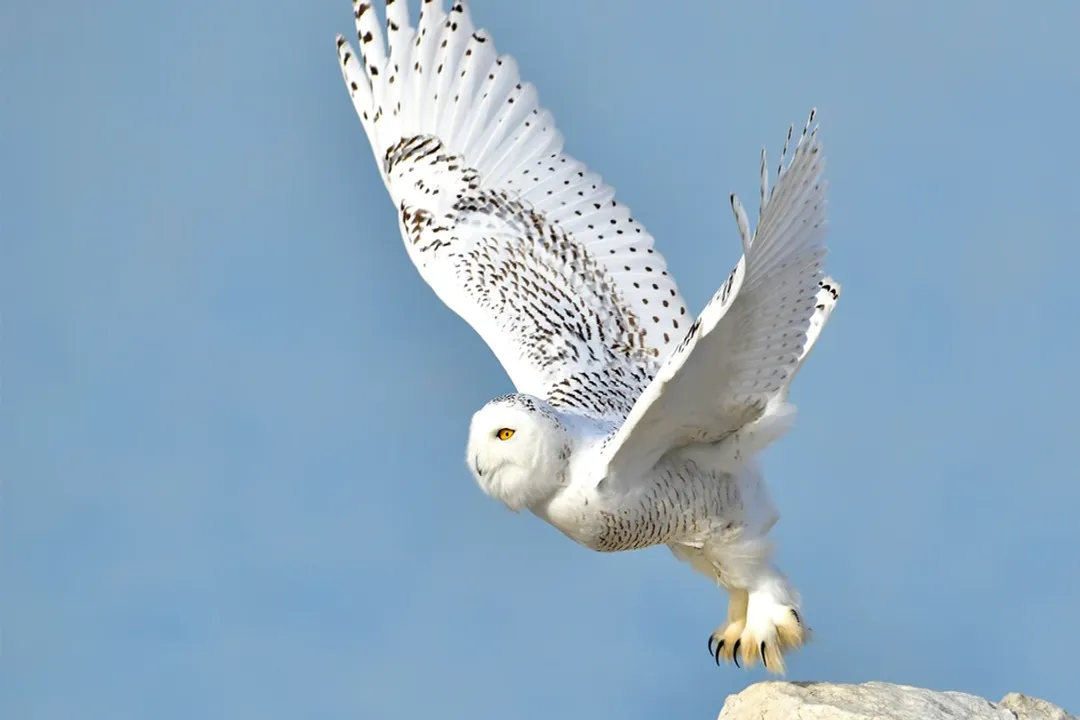
The large, striking white owl of the Arctic tundra is indeed capable of taking large prey, and the answer to whether Snowy Owls eat geese is a definitive yes. While their association with lemmings is legendary, these powerful raptors are highly adaptable hunters whose diet shifts dramatically based on geography and seasonal availability. When they venture south from the high Arctic, especially to coastal wintering grounds, they frequently add substantial birds, including various species of geese, to their menu.
# Diet Confirmation
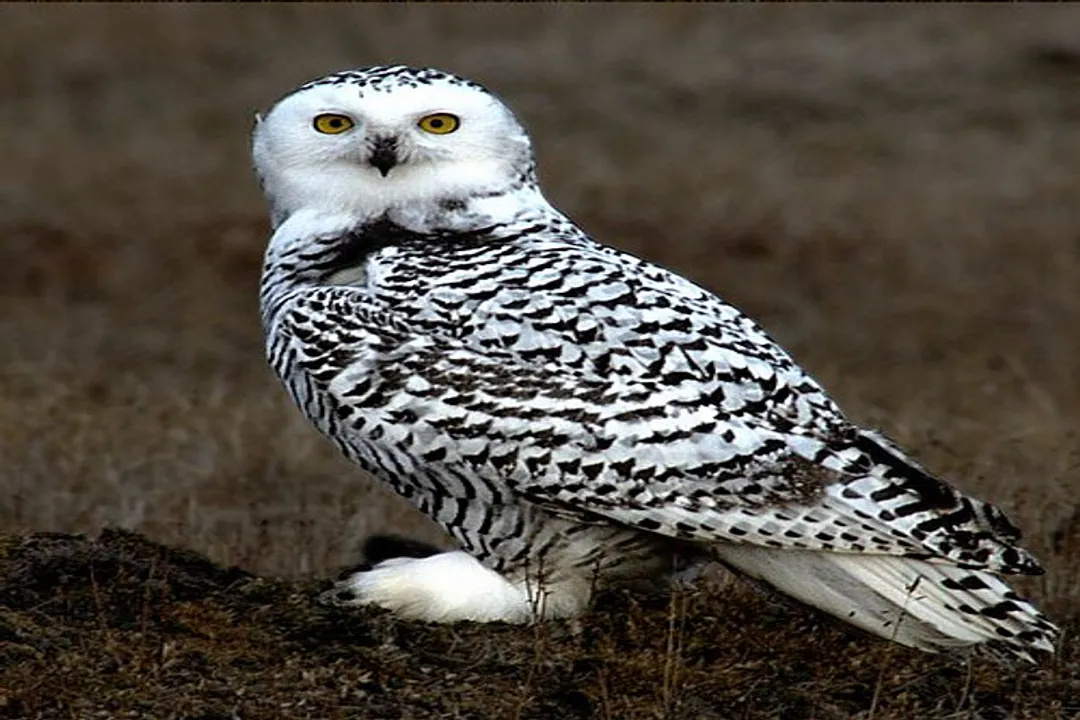
The Snowy Owl (Bubo scandiacus) maintains a carnivorous diet, but its primary staple is dictated by its location. In their native tundra environment during the breeding season, Snowy Owls specialize in preying almost exclusively on lemmings, particularly brown and collared lemmings. However, when they engage in winter irruptions southward, or when lemming numbers crash, their hunting shifts to whatever protein sources are abundant. Multiple sources confirm that geese fall into this category of supplementary, or sometimes primary, winter fare.
# Arctic Staples
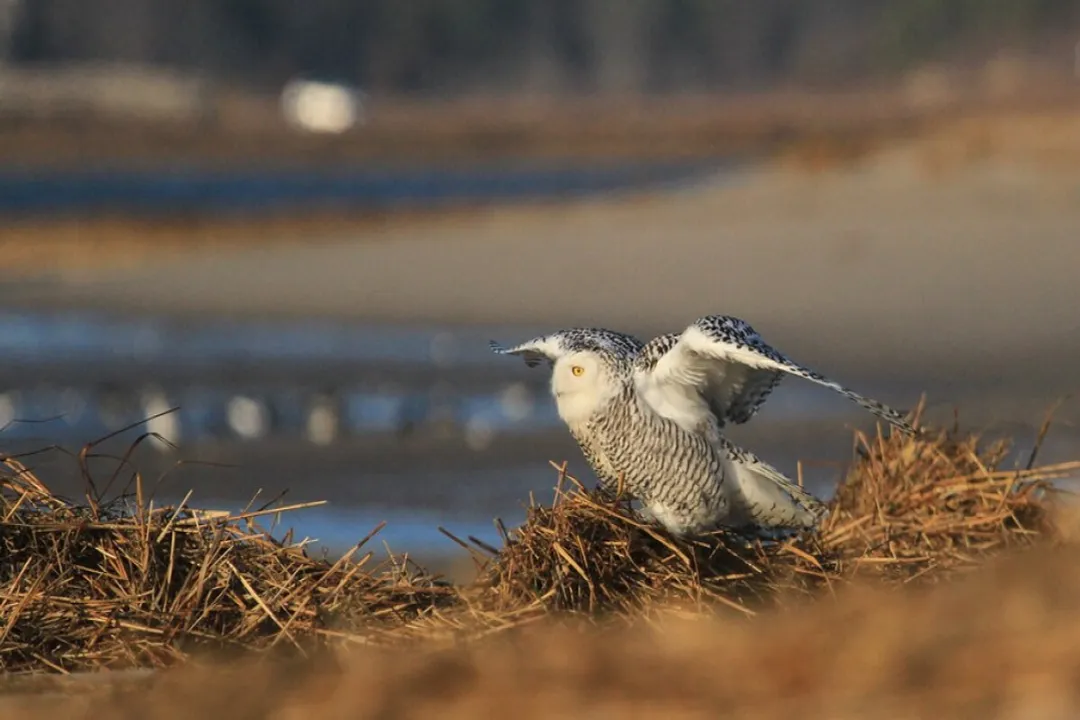
The entire reproductive cycle and population stability of the Snowy Owl are intrinsically linked to the population cycles of lemmings. These rodents, such as the brown lemming and collared lemming, constitute the bulk of the diet when breeding in the Arctic. A successful lemming year can lead to a tenfold variation in the breeding rate of Snowy Owls on Banks Island over a decade. The owl must capture a substantial number of these small mammals daily just to meet its basic energy requirements. This specialization is key to their Arctic existence, yet it necessitates extreme flexibility when they leave the tundra.
# Opportunistic Nature
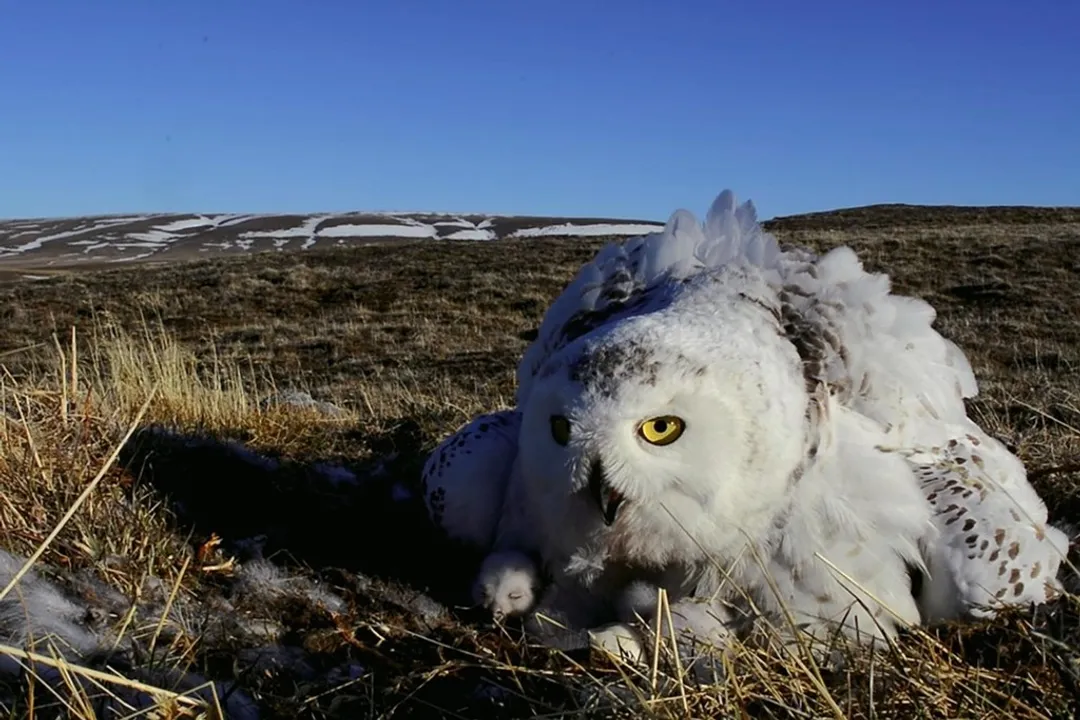
The Snowy Owl is characterized as both a specialized predator—relying on lemmings—and a generalist hunter, able to exploit almost any available prey when necessary. This flexibility is evident in the sheer variety of species recorded in their diet, with reports documenting consumption of over 200 different prey species globally. This opportunistic feeding habit is not new; historical accounts note that this adaptability led to persecution in earlier centuries when they preyed on favored game stocks. When they winter far south, the availability of large birds, like waterfowl, can temporarily outweigh the availability of small rodents like voles and mice, which dominate their inland winter diet.
# Coastal Prey Focus
The context of where a Snowy Owl is spending the winter heavily influences its likelihood of hunting geese. Inland wintering sites, such as prairies or agricultural fields in places like Alberta, show a diet dominated by small rodents like the Peromyscus mouse and meadow voles. In contrast, populations wintering along coasts, such as those observed at Logan Airport in Massachusetts, focus heavily on avian prey, often snatching water birds directly off the water's surface. Because geese are large waterfowl, they fit perfectly into this coastal avian diet profile. One researcher in Massachusetts famously documented an owl consuming an entire flock of black ducks over a single winter, highlighting a dedicated focus on such prey when available.
# Goose Species
The term "geese" covers a range of targets for a determined Snowy Owl. Reports from areas where they winter near marine environments specifically list the consumption of geese, alongside ducks, grebes, and other seabirds. In a detailed study of prey remains from Snowy Owls wintering near Logan Airport, researchers identified large birds including Canada Geese (Branta canadensis) and Brants (Branta bernicla). Furthermore, in Iceland, where bird prey dominated the diet during one study, both adult and gosling Pink-footed Geese (Anser fabalis) were taken. This demonstrates that the owl's hunting prowess extends not just to smaller birds, but to species comparable in size or larger than itself.
# Hunting Tactics
The Snowy Owl employs several hunting strategies, many of which are adapted for open country, much like a buzzard, involving sitting immobile on a perch, which can be a slight rise in the ground or a manmade structure like a fencepost. When a large, slower target like a goose is spotted, the pursuit is swift. They are known to use a "sweep" technique, grasping the prey while continuing in flight, or a rapid "stoop" or pounce ending in a high-impact landing. While hunting waterfowl, some individuals have been observed hovering briefly, similar to an Osprey, before dropping onto their quarry on the water surface. The acquisition of a goose, which offers substantial calories, likely warrants the energy expenditure of these more intensive pursuit tactics compared to snatching a small vole.
# Size Matters
Snowy Owls are among the heaviest owl species in North America, giving them the physical capability to handle substantial prey. Females are notably larger than males, exhibiting reverse sexual dimorphism common in raptors, which may help them withstand food shortages, particularly during brooding. While Snowy Owls typically swallow small prey whole, leaving behind pellets of bone and fur, larger prey like geese are torn apart. When a large bird is consumed in pieces, the resulting scattered remains can lead to an underestimation of how frequently such large items are taken when analyzing pellets.
It is interesting to consider the energetic difference between the lemming strategy and the goose strategy. A highly successful Arctic breeding pair might manage with nests lined with lemmings, where one nestling might need only two lemmings daily. A single adult goose, however, could provide many days' worth of sustenance for a single owl. The shift to geese during winter is less about necessity in the face of starvation and more about capitalizing on a predictable, high-yield, if harder-to-catch, resource in their wintering habitat. In the far north, they have even been documented scavenging on massive marine mammals like whales and walruses, reinforcing that for the Snowy Owl, high energy input overrides specialization when the chance arises.
# Ecological Role
As an apex predator on the tundra, the Snowy Owl plays a critical part in regulating the small mammal population there, a role shared with other Arctic predators like jaegers, Rough-legged Hawks, and Arctic foxes. When they move south, they become part of a different, more diverse predator guild, sometimes competing with Great Horned Owls. Their preference for open, treeless habitats often sets them apart from Great Horned Owls, which favor wooded edges, allowing them to coexist, though sometimes Snowy Owls will actively avoid areas defended by the larger Great Horned Owls. By including geese in their diet during winter, the Snowy Owl contributes to regulating waterfowl populations in coastal areas during their non-breeding season, demonstrating their broad influence across different ecosystems they inhabit throughout the year. The mere presence of Snowy Owls in non-Arctic areas is often a reflection of the success of their primary food source years earlier in the North. Keeping informed about their movements, whether they are hunting rats in a marsh or taking a goose off the water, is a way for the public to acknowledge the fragility of the Arctic ecosystem that dictates their entire life cycle.
Related Questions
#Citations
8 Fascinating Facts About Snowy Owls | U.S. Fish & Wildlife Service
Snowy owl - Wikipedia
Snowy Owl - - The Wilderness Classroom
It's everyone's favorite snowy-white visitor | CAI - WCAI
Snowy Owl | Audubon Field Guide
Snowy owl | Kiezebrink Focus on Food
Snowy Owl Facts - The Owls Trust
Snowy Owl | Hawk Mountain Sanctuary: Learn Visit Join