Do old house borers fly?
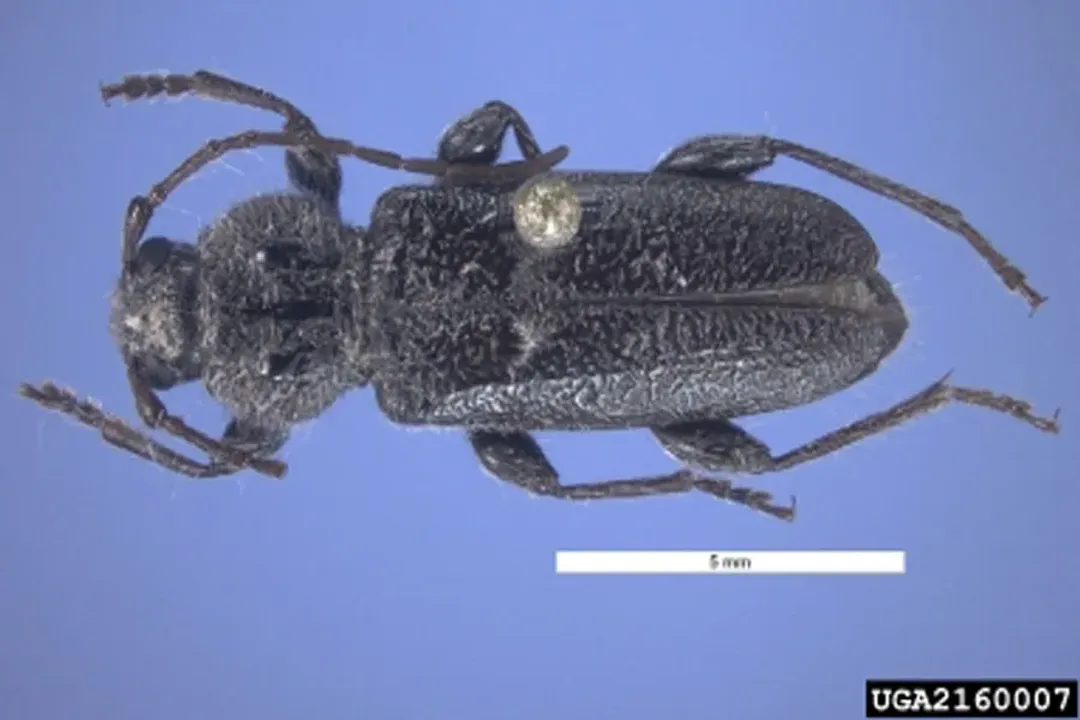
The presence of wood-boring insects in a home often sparks immediate concern, and one of the most notorious pests in this category is the Old House Borer (OHB), Hylotrupes bajulus. [3] A common and understandable question among homeowners discovering signs of infestation—like tell-tale exit holes—is whether the adult beetles themselves take flight. The simple answer is yes; the adult stage of the Old House Borer is capable of flight. [2][5] This ability to fly is central to their reproductive cycle, allowing them to disperse and locate new host lumber for egg-laying. [1][2]
# Adult Emergence
The flying stage of the Old House Borer is relatively short-lived compared to the extensive time spent as a larva burrowing within the wood. [5] Adult beetles typically emerge from infested wood during the warmer months, generally peaking between June and August in many regions. [2][4] This timing is crucial because it dictates when homeowners are most likely to encounter the flying insects themselves, rather than just the evidence they leave behind. The adult beetles are quite distinctive if you happen to see one. They are generally dark brown to black with irregular gray or lighter markings on their wing covers. [1][5] They are also relatively large for a wood-boring beetle, often measuring between one-half to one inch in length, though some sources suggest a slightly smaller maximum size around inch. [1][3][5] A key physical characteristic that sets them apart from some other common wood-borers is their notably long antennae, which can sometimes be as long as their entire body. [3]
# Flight Behavior
The primary reason the adult OHB beetles fly is reproduction. [2] After emerging from the wood, the winged adults seek mates, and the females then search for suitable, uninfested wood to deposit their eggs into cracks, crevices, or even the openings left by previous generations of borers. [1][2][3] While they are capable of flight, they are not typically long-distance travelers compared to other insects. Their flight activity tends to be most noticeable during the daytime, particularly on warm, sunny days. [2] Furthermore, like many nocturnal or crepuscular insects, they can be attracted to lights, which might lead them into homes or near illuminated windows. [2] If you see these large, dark beetles flying around attic windows or near porch lights in the summer, it confirms the active reproductive phase is underway in or near the structure.
It is worth noting a subtle difference in flight motivation that can be inferred from their life cycle. Unlike pests that fly primarily to feed on non-wood materials or to find a new dwelling entirely, the OHB adult's flight is almost exclusively tied to perpetuating the infestation within lumber resources. [1][2] If a home has no accessible or susceptible wood—such as pressure-treated lumber, which is generally resistant—the flying adults have limited motivation to stay nearby, although the instinct to lay eggs remains strong if wood is detected. [5]
# Larval Life
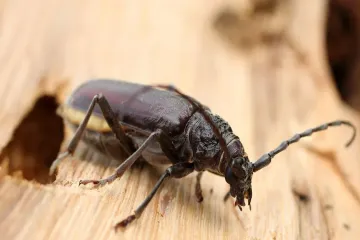
Understanding why the flying adult is a concern requires appreciating the damage done by the larval stage. The flying adults themselves do not consume structural wood; their mouthparts are not adapted for boring or feeding on the wood they emerge from. [1][5] The real damage is done over many years while they live as larvae inside the wood. [1][3] Larvae can remain in the wood for three to ten years, depending on the wood species, moisture content, and environmental conditions. [1][3][5] They tunnel through the wood, creating galleries packed with fine, powdery frass. [3] This tunneling degrades the structural integrity of beams, flooring joists, rafters, and subflooring. [1][5] A practical observation for homeowners is this: if you hear a faint, dry, scratching or tapping sound in the summer heat, it might actually be the sound of new adults chewing their way out of the wood, not just the flying adults themselves. [4]
# Identifying Exit Signs
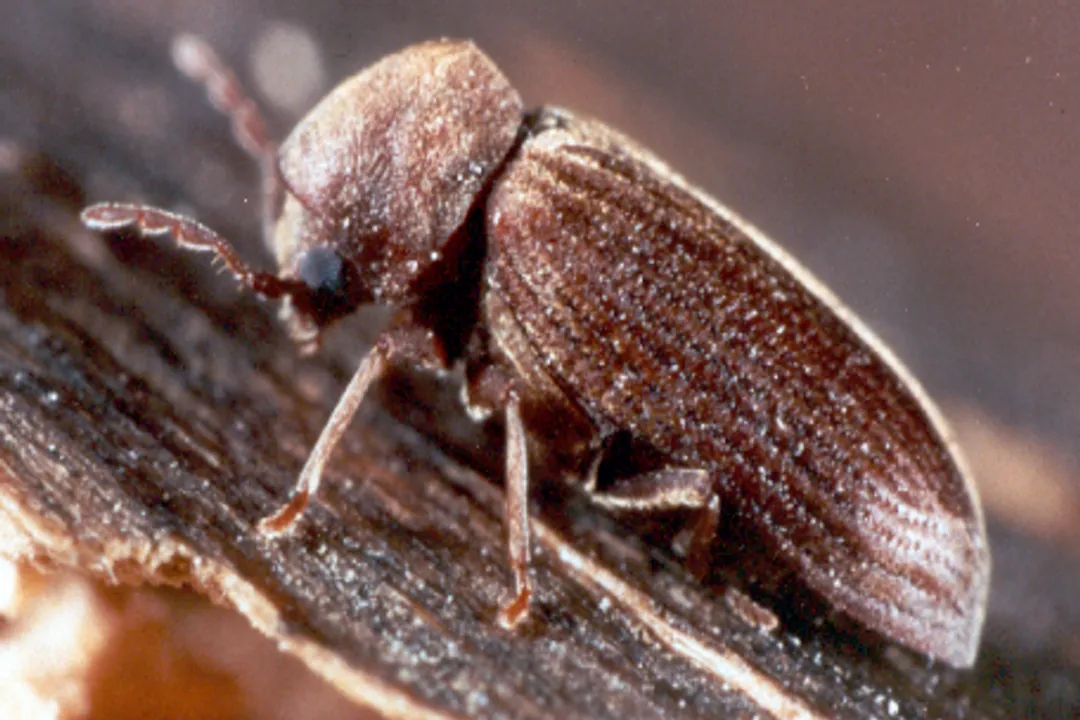
Since the larval stage is hidden, homeowners usually only become aware of an OHB problem when the adults emerge. The flight confirms a current, active infestation, but the visual evidence is often the first clue. The hallmark sign is the emergence hole left behind by the adult beetle upon exiting the wood. [3] These holes are typically oval or round, around inch in diameter, and often have slightly rounded edges. [4] A key feature, though not always present, is the presence of frass—a fine, powdery sawdust that can sometimes spill out of the holes or be found piled underneath. [3]
When comparing the evidence of Old House Borers to other common pests, the exit hole size is a significant differentiator. For instance, the exit holes left by Powderpost beetles are generally smaller, often closer to inch in diameter. [9] The shape, size, and location of the hole—especially in seasoned lumber like structural framing or paneling—can point strongly toward an OHB issue rather than a more surface-level borer. [9] The presence of flight is directly linked to the presence of these characteristic exit holes.
# Lifecycle Timing and Inspection
To effectively manage or prevent an infestation, recognizing the flight season is key. Since adults are actively flying and laying eggs between roughly June and August, treatments aimed at killing adults or preventing egg-laying are most effective during this window. [2][4] Treating wood after the flight season has passed might eliminate some remaining adults, but it misses the opportunity to intercept new egg deposition. Conversely, preventative treatments applied to susceptible wood before the summer season can protect the wood from incoming female beetles.
When inspecting wood for signs of infestation, remember that the older the damage, the less likely you are to see fresh frass or hear the characteristic emergence sounds. [4] Older, inactive infestations might only leave behind neat, clean exit holes that have been there for years, potentially confusing the situation regarding current activity. A homeowner might see an old hole from a beetle that emerged five years ago and mistakenly believe the problem is ongoing, or vice versa, fail to spot fresh evidence because the exit holes are masked by paint. If you suspect activity, scraping away surface paint near questionable holes and checking for any residual, fine dust or new, clean wood edges visible inside the hole can sometimes indicate recent activity, even if the flight season is technically over. [4]
# Differences in Boring Pests
It is important not to confuse the Old House Borer with other wood-destroying insects, as control methods vary significantly based on the pest present. [7][9] While the OHB targets seasoned lumber, like framing, flooring, and siding, other borers have different preferences. For example, the Asian Longhorned Beetle (ALB) is a significant, visually different pest that targets living trees and recently cut hardwoods. [7] The presence of flying OHBs signals a problem in the existing seasoned wood structure, whereas the detection of ALB typically points to a threat to yard trees or freshly delivered, non-treated wood products. [7]
Another comparison is with the common powderpost beetles, which also infest seasoned wood. [9] As mentioned, powderpost beetles leave smaller, rounder exit holes, usually inch or less. [9] The OHB, due to its larger size and longer larval feeding period, generally causes more extensive internal damage to structural members over time compared to the usually more superficial damage from powderpost beetles, even though both infest seasoned wood. [9] The ability of the OHB adult to fly and travel short distances allows it to move between different pieces of wood within the attic or framing bays during its short lifespan, potentially spreading the issue across a wider area of the structure during a single summer. [2]
# Wood Susceptibility and Risk
The type of wood matters greatly in the context of OHB infestation and subsequent flight. Old House Borers show a strong preference for softwood lumber, particularly pine, spruce, and fir, which are commonly used in residential construction framing. [1][5] They are less likely to attack hardwoods. [5] This preference highlights a risk factor: older homes that relied heavily on readily available softwoods for their structural elements are prime targets for the initial infestation that will eventually lead to flying adults years later. [1]
Considering the long larval development time, a home that was built or re-roofed using untreated softwood lumber decades ago could suddenly begin exhibiting signs of adult emergence and flight right now. The initial infestation may have been tiny, perhaps from a single infested piece of lumber brought in during construction, and it took years for the population to mature enough to produce flying adults. [3] If the wood is kept dry, the larvae can survive for a very long time, keeping the potential for future flight cycles alive for many years. [5] This long latency period is what makes recognizing the initial signs—the exit holes—so important; those holes are a retrospective marker of an infestation that began perhaps a decade ago.
When attempting remediation, especially if you confirm the presence of flying adults in the summer, treatments often focus on injecting insecticides into the existing exit holes or applying surface treatments if the wood is accessible and untreated. [6] The knowledge that the insect can fly informs the necessity of treating all accessible surfaces, as a female might fly from a heavily infested beam in the basement to an accessible joist in the attic to lay eggs during her brief adult life. [2]
# Summary of Flight Confirmation
In summary, Old House Borers do fly, but only during their adult phase which occurs during warm summer months. [2][4] This flight is a sign that the larval stage has matured within the wood structure, sometimes taking years to reach that point. [3][5] The flying beetles are large, dark, and possess long antennae. [1][3] Their flight is directly linked to mating and egg-laying in cracks of seasoned wood, ensuring the next generation tunnels inside. [2] While the flying adult does not cause the structural damage, their appearance confirms an active, mature infestation requiring attention to protect the longevity of the wood components they are set to reinfect. [1][6]
Related Questions
#Citations
Old house borer beetles : r/pestcontrol - Reddit
Old House Borer Facts & Photos | Wowzerful
Old House Borer - UK Entomology
The Truth About Old House Borers - Aiken Pest Control
Get Rid of Old House Borers - Western Fumigation
Old House Borer - Penn State Extension
Wood-Boring Beetles in Houses - Clemson HGIC
Wood Boring Beetles - Wood destroying organisms - MABI USA
Old House Borers vs. Powderpost Beetles: How to Identify