How old do lace monitors get?
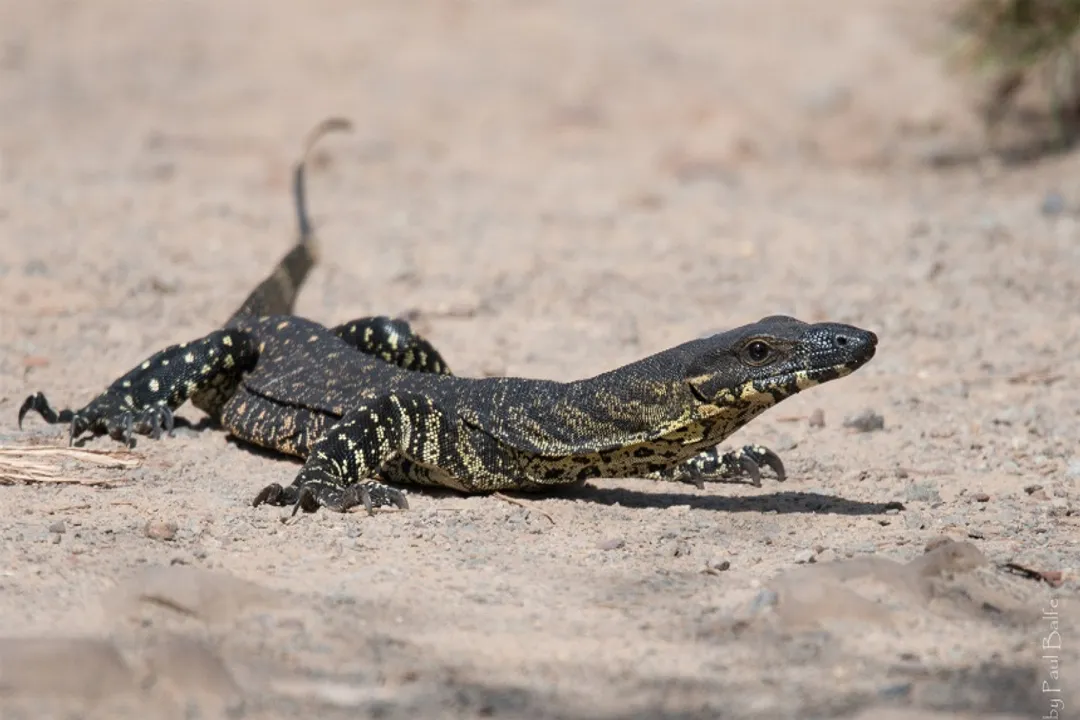
Determining the precise age a Lace Monitor (Varanus varius) can attain involves looking at a mixture of solid averages and compelling, yet sometimes anecdotal, long-term keeper observations that push the known boundaries of their existence. These magnificent reptiles, also known as Tree Goannas, are among Australia’s largest lizards, second only to the Perentie. For those observing them in their native, timbered habitats across eastern and south-eastern Australia, their lifespan presents one figure, but in the controlled environment of human care, that figure often stretches considerably.
# Wild Expectation

When considering Lace Monitors surviving in the wild, there are slightly differing estimates for their average tenure. Some reliable sources suggest that the average lifespan for a Lace Monitor roaming the forests and woodlands of eastern Australia hovers around 10 to 15 years. However, other observations place this average slightly higher, suggesting a range of 15–20 years. This variation in established averages might reflect regional differences in resource availability, predator pressure, or perhaps a difference in the methodology used for determining wild longevity. While they are noted for being shy and will readily ascend trees when disturbed, their presence in areas frequented by humans means they face risks such as interaction with dogs or vehicles, factors not present in their natural, more secluded ranges. Predators such as dingoes and birds of prey also pose a constant threat to this species.
# Captive Longevity
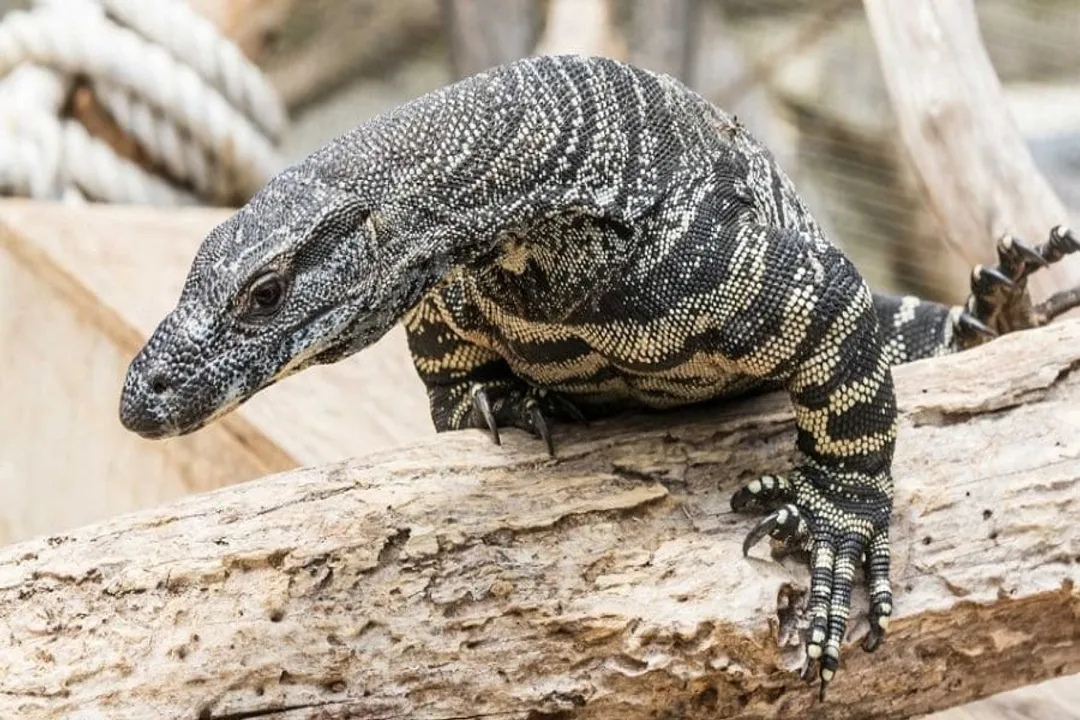
The lifespan data collected from reptiles under professional and dedicated private care often provides a glimpse into the maximum potential age, free from immediate environmental stresses. For Lace Monitors, this difference is quite pronounced. There are anecdotal accounts suggesting that some captive animals live for 20 or more years. More significantly, the maximum recorded lifespan for a Lace Monitor in captivity is often cited as reaching around 40 years of age. While the author of one extensive report notes this 40-year figure is an assumption not yet fully backed by documented fact, the evidence supporting long lives in captivity is strong. For instance, one account details an adult male kept for over 15 and a half years before his life was tragically cut short by a dog attack after an escape, yet he was healthy when caught as an adult. In an even more remarkable example, a group of three adult males caught in 1969 were kept by successive owners until they were released in 1991; at that point, they were estimated to be nearly 30 years old or older, having shown no visible signs of advanced aging, partly because their keepers avoided overfeeding them.
# Growth Rate Impact
Understanding how quickly a Lace Monitor attains its impressive size can provide context for its life progression. These monitors are not immediately massive; they start small, with hatchlings weighing around 34 grams and measuring about 305 mm total length. They reach sexual maturity relatively slowly, often not until they are about 4 to 5 years old. How quickly they reach this stage of maturity is heavily influenced by husbandry variables. For example, growth speed is directly related to the amount of food provided and the ambient temperature. Some keepers note that a one-year-old can reach 3 to 4 feet in length, while a three-year-old might only be around 3 feet, illustrating just how much diet and environment dictate early physical development. While rapid early growth might seem like a predictor of a shorter life, the species’ impressive potential lifespan in captivity, which nearly triples the wild average, suggests that metabolic aging processes, rather than the time taken to reach adult size, are the primary determinant of their ultimate longevity.
# Environmental Factors
The contrast between the estimated 10–15 year wild average and the 40-year captive maximum strongly suggests that environmental stability is key to their survival. In captivity, keepers can manage their required preferred body temperatures, which fall between 34 and 36 degrees Celsius, ensuring optimal function without the extreme thermal fluctuations of the outdoors. Furthermore, captive environments, when properly set up with sheltered basking spots, prevent the kind of stress that can accompany searching for refuge from cold or excessive heat. The absence of high-stakes encounters—like fights over territory, avoiding dingoes, or battling for basking spots—allows the lizard to allocate more energy toward maintenance rather than constant survival pressure. It is worth noting that while keepers avoid overfeeding, which can negatively impact health, the availability of consistent, appropriate nutrition likely outweighs the occasional food scarcity or gorging found in the wild.
# Niche and Development
Lace Monitors occupy a predominantly arboreal niche, often utilizing tree hollows or logs for shelter, especially during cooler periods. Their juvenile coloration is typically much brighter than that of older adults, which might fade to an almost uniform grey with age. Sexual maturity around 4 or 5 years marks the transition from the fast-growing juvenile phase to the adult maintenance phase, which then covers the bulk of their remaining potential lifespan. In the wild, reproductive success relies heavily on finding suitable nesting sites, frequently termite mounds, which offer protection and stable incubation conditions for the 6 to 12 eggs laid. The successful management of this nesting requirement—or lack thereof—is a critical, non-age-related factor in the species' continued presence across its range.
# Keeper Insights
Those who have experience managing these large monitors note that they are generally hardy reptiles, provided they have adequate space. The fact that they are physically quite capable—climbing expertly with long, strong claws and possessing a long, laterally compressed tail for balance—means they need significant vertical structure in their environment. Experienced keepers often emphasize that while they can become attached to these long-lived animals, their size presents a logistical challenge; moving large, adult Lace Monitors between residences can be impractical, sometimes leading keepers to make difficult decisions about their future care. This commitment required for a potential 40-year relationship underscores that longevity in this species directly correlates with the keeper’s capacity for long-term habitat management.
#Videos
Breeding Lace Monitors / Breeding Varanus varius - YouTube
Related Questions
#Citations
Lace Monitor - ClimateWatch Australia- Citizen Science App
Personality difference between Argus monitor/Lace monitor/Perentie
LACE MONITORS - VARANUS VARIUS - IN THE WILD AND IN ...
Lace Monitor - Ark Encounter
Lace Monitor - Facts, Habitat, Diet, Life Cycle, Pictures - Animal Spot
Meet Marble and Freddie, our young lace monitors.
how fast do lace monitors grow | Aussie Pythons & Snakes Forum
Breeding Lace Monitors / Breeding Varanus varius - YouTube